
Mastering '2 Person Yoga Poses Easy': Your Guide to Accessible Partner Poses
Trying out yoga with a friend can be a really cool experience. It’s not as complicated as it might seem, and there are plenty of simple poses you can do together. This guide is all about making partner yoga accessible, even if you're new to it. We'll go over some basic moves that help you connect with each other and build a bit of strength. Think of it as a fun way to move your body and share some good vibes with someone else. It’s a great way to get into yoga without feeling overwhelmed.
Key Takeaways
- Partner yoga offers a unique way to deepen your connection with another person through movement.
- Many 2 person yoga poses easy can be adapted for beginners, focusing on support and balance.
- Practicing together builds trust, communication, and a shared sense of accomplishment.
- Simple flows and poses can improve flexibility, strength, and body awareness for both participants.
- Starting with basic 2 person yoga poses easy sets a foundation for exploring more complex partner work over time.
Foundations of 2 Person Yoga Poses Easy
Starting out with yoga poses for two doesn't need to be complicated. It's all about building a connection, a shared rhythm, and a bit of trust. Think of it less like a performance and more like a conversation your bodies are having.
Embrace Partnership: Top Yoga Poses to Try With a Partner
When you're first exploring partner yoga, the goal is to find poses that naturally encourage interaction and support. It's not about who can hold a pose longer or go deeper, but how you can use each other to find stability and a new perspective. Some poses are great for just getting a feel for working together.
- Seated Back-to-Back Breath: Sit facing away from each other, knees bent or legs extended. Rest your hands on your knees. As one person inhales, the other exhales, syncing your breath. This is a simple and effective way to begin a yoga session with another person. This guide introduces beginner-friendly partner yoga poses.
- Partner Cat-Cow: One person is on hands and knees, the other stands behind them, placing hands on the first person's hips. As the person on the floor moves into Cow pose (arching back, belly down), the standing person gently presses hips down. Then, as the bottom person moves into Cat pose (rounding spine, tucking chin), the standing person gently lifts hips. This helps both partners feel the movement through the spine.
- Standing Hand-to-Hand: Stand facing each other, a few feet apart. Inhale and reach your arms up. As you exhale, hinge at your hips, reaching your hands towards your partner's. If you can comfortably touch hands, great. If not, just reach in the direction of their hands. This pose is about shared forward movement.
Easy Pose Variations for Beginners
Even the most basic poses can be adapted for two people. The idea is to use your partner to find a little more grounding or a gentle stretch you might not find alone. It's about mutual support.
- Easy Pose with Back Support: Sit facing each other in a comfortable cross-legged position (Easy Pose). You can rest your hands on your knees or let them rest gently on your partner's knees. The key here is to feel the support of sitting upright, perhaps even leaning back slightly against your partner for a gentle chest opener.
- Seated Twist: Start in Easy Pose, facing each other. Place your right hand on your partner's left knee and your left hand on the floor behind you. Your partner mirrors this, placing their left hand on your right knee and their right hand on the floor behind them. Twist gently, looking over your shoulder. This is an excellent starting point for partner yoga. A simple seated twist is a great way to begin.
- Leg Extension: Sit facing your partner with legs extended and slightly apart. Your partner does the same. You can either keep your hands on your knees or reach out and hold your partner's hands. Gently lean towards each other, creating a slight stretch in the hamstrings and inner thighs.
Ground Into Tadasana to Connect With Your Root Chakra
Mountain Pose, or Tadasana, is the foundation of many yoga practices. When you do it with a partner, it becomes about finding your own stability while also being aware of the person next to you. It's a quiet way to build connection.
Practicing Tadasana with a partner is about finding your own solid ground while being aware of the other person's presence. It's a subtle way to build trust and a sense of shared stability, even before you move into more complex poses. This grounding can help you feel more centered, both individually and as a pair.
- Partner Tadasana: Stand side-by-side, close enough that your shoulders are almost touching. Feel the earth beneath your feet. Take a few deep breaths together, noticing your own posture and the subtle presence of your partner. You can gently rest a hand on your partner's hip or shoulder for a light connection.
- Tadasana with Hand Hold: Stand facing your partner, about a foot apart. Inhale and reach your arms forward to clasp hands. Keep your arms straight but not locked. Feel the gentle pull and the stability that comes from holding hands. This helps you feel connected through your arms and shoulders.
- Tadasana with Back-to-Back: Stand back-to-back, feeling the support of each other's spine. Align your shoulders and hips. As you breathe, feel the gentle expansion and contraction of your rib cages against each other. This is a great way to build a sense of shared energy and presence.
Exploring Accessible Partner Poses
Alright, so you've got the basics down and you're ready to start actually doing some poses with another person. It's not as complicated as it might seem, and honestly, it's a lot more fun when you're not just talking to yourself in the mirror. We're going to look at a few poses that are pretty straightforward and don't require you to be a circus performer.
Baby Cradle Pose for Two
This one is super chill and feels really nice. One person lies down on their back, legs extended. The other person sits between their legs, facing them, and leans back, resting their upper back on the person below. Then, the person on the bottom lifts their legs, bending the knees, and places their feet on the other person's hips. The person on top can then lean forward slightly, bringing their chest towards their knees. It's a gentle chest opener for the person on the bottom and a nice supported stretch for the person on top. It’s all about finding a comfortable connection and breathing together.
Mountain Pose-Chair Pose Flow for Partners
This flow is great for building a little heat and working on balance. Start standing facing each other, about a leg's length apart. Both partners reach out and grab each other's hands, keeping arms straight. Step your feet out a bit wider than hip-width apart. As you inhale, both partners rise up onto the balls of their feet, lifting their heels. As you exhale, both partners bend their knees and sink down as if sitting in a chair, keeping their backs straight and chests lifted. You can repeat this a few times, moving with your partner's breath. It's a good way to practice standing poses together.
Downward-Facing Dog Plank Flow for Pairs
This one is a bit more active and builds strength. Start facing each other in a Downward-Facing Dog position, with about three to four feet between you. Your hands should be roughly aligned with your partner's hands. As you both inhale, shift your weight forward into a Plank Pose, so your shoulders are over your wrists. As you exhale, press back into Downward-Facing Dog. You can add a little challenge by having one partner hold Plank while the other moves between Downward Dog and Plank. It's a good way to build core strength and coordination.
Remember, the key to partner yoga isn't about perfect alignment or advanced poses. It's about communication, trust, and shared movement. If something doesn't feel right, speak up! There's no competition here, just two people exploring yoga together.
Building Connection Through Partner Yoga
Partner yoga isn't just about striking a pose together; it's a way to really get to know someone on a different level. When you're holding a pose with another person, you have to communicate, even without words. You learn to trust them, and they learn to trust you. It’s like a silent conversation happening through your bodies.
Cultivating Power in Your Practice With Warrior Two Pose
Warrior Two, or Virabhadrasana II, is a pose that builds strength and focus. Doing it with a partner can amplify these feelings. One person can act as a stable base, while the other can use that stability to find a deeper stretch or a more powerful stance. Think of it as a dance where each partner supports the other's movement and energy. This shared effort can make you feel more grounded and capable.
Stay Present: Improve Your Virabhadrasana Series With These Mindful Tips
When you're in a partner pose, especially one from the Virabhadrasana series, staying present is key. It's easy to get distracted by what your partner is doing or what you think you should be doing. But the real magic happens when you focus on your own breath and the sensations in your body, while still being aware of your partner's presence. This mindful attention helps build a stronger connection.
Here are a few tips to help you stay present:
- Listen to your breath: Let your breath be your anchor. Notice its rhythm and depth.
- Feel the ground: Pay attention to where your feet connect with the mat. Feel the support beneath you.
- Check in with your partner: A simple glance or a nod can acknowledge your shared experience without breaking concentration.
The Power of Mudras for Connection
Mudras are symbolic hand gestures that can add another layer to your partner yoga practice. They can be used to direct energy or to set an intention for your session. For instance, Anjali Mudra (prayer hands at the heart) is a common way to start and end a practice, symbolizing respect and unity. Using mudras together can create a shared ritual, deepening the sense of togetherness and mutual motivation.
Practicing yoga with someone else requires a different kind of awareness. You're not just responsible for your own balance and alignment, but also for how your actions affect your partner. This shared responsibility naturally builds a stronger bond and a greater appreciation for each other's efforts.
Enhancing Your 2 Person Yoga Practice
So, you've been trying out some partner yoga poses and feeling pretty good about it. That's awesome! Now, let's talk about how to really make your practice together even better. It's not just about holding poses; it's about how you move between them and how you connect. Think of it as a conversation your bodies are having.
Flexibility for Two
When you're working with a partner, you can actually help each other get a little deeper into stretches. It's like having a built-in support system. For example, in a seated forward fold, one person can gently assist the other by applying light pressure on their back. Remember, though, it's always about communication. If something feels too intense, speak up!
Here are a few ideas to boost flexibility together:
- Assisted Hamstring Stretch: One partner lies on their back, lifting one leg. The other partner gently holds the lifted foot and guides the leg closer, creating a deeper stretch.
- Partner Quad Stretch: Stand facing each other, holding hands for balance. Each partner bends one knee, bringing the heel towards their glutes. The partner behind can offer a gentle assist by pressing lightly on the thigh.
- Seated Spinal Twist: Sit back-to-back. As one partner exhales and twists to the right, the other mirrors the movement. Use your partner's torso as a gentle prop to deepen the twist.
Chest Opener for Partners
Opening up the chest is great for posture and breathing. Doing it with a partner can feel really supportive. Imagine your chests expanding together, creating more space for breath and connection. This can be especially nice after a day spent hunched over a desk or phone.
Working on chest openers together can help release tension you didn't even know you were holding. It's a shared experience of letting go.
Spinal Stretch for Two
Your spine does a lot for you, so giving it some love is always a good idea. Partner spinal stretches can feel incredibly relieving. You can help each other find length and release tightness in your back. It's a fantastic way to unwind after a busy week. Trying out partner yoga poses can really help you discover new ways to stretch your spine together.
Here’s a simple way to approach it:
- Knees-to-Chest Assist: One partner lies on their back. The other partner kneels at their head, gently holding their hands. As the bottom partner exhales, the top partner gently draws their knees towards their chest, providing a mild stretch for the lower back.
- Standing Backbend Assist: Stand facing your partner, a few feet apart. Hold hands. As you both lean back slightly, your partner can offer a gentle counter-pressure with their hands on your lower back, supporting a mild backbend.
- Seated Cat-Cow: Sit facing each other, knees bent, feet flat on the floor. Place your hands on your partner's knees. As one partner inhales and arches their back (Cow pose), the other exhales and rounds their spine (Cat pose). Move together, synchronizing your breath and movements.
Simple Partner Poses for Everyday Practice
Sometimes, you just want to connect with someone through movement without needing a whole production. These simple partner poses are perfect for slotting into your day, whether you're looking for a quick morning stretch or a way to wind down in the evening. They don't require a lot of space or a super advanced practice, making them really accessible for most people.
Thread the Needle for Two
This pose is great for opening up the shoulders and upper back. One person lies on their back, knees bent, feet flat on the floor. The other person kneels beside them, placing one hand on their partner's upper back for stability. Then, the kneeling person threads their opposite arm under the lying person's armpit, reaching across their body. You'll feel a nice stretch in your shoulder and upper back. Hold for a few breaths, then switch sides.
- Lying Person: Keep your hips grounded and your core engaged.
- Kneeling Person: Breathe into the stretch, allowing your chest to open.
- Both: Communicate how the stretch feels; adjust as needed.
Half Belly Twist for Partners
This is a gentle twist that's good for digestion and releasing tension in the spine. Sit facing each other with your legs extended. You can either cross your legs or have them straight, whatever feels more comfortable. Place your right hand on your partner's left knee and your left hand on the floor behind you. Your partner mirrors this, placing their right hand on your left knee and their left hand on the floor behind them. Gently twist your torsos to the left, looking over your left shoulder. This pose helps to gently detoxify the body.
Remember, the goal here isn't to force a deep twist, but to find a comfortable stretch that feels good for both of you. Listen to your bodies and don't push too hard.
One-Legged Belly Twist for Pairs
Building on the half belly twist, this variation adds a little more depth. Start in a seated position facing your partner, legs extended. One person bends their right knee, placing their right foot on the outside of their partner's left thigh. The other person keeps their legs extended. The person with the bent knee will twist towards their bent leg, bringing their opposite elbow to the outside of their bent knee. Their partner can place a hand on their back for support or reach across to gently deepen the twist. This is a more intense stretch, so communication is key. You can find more beginner-friendly partner poses like this one here.
- Focus on: Lengthening your spine before twisting.
- Breathe: Exhale as you deepen the twist.
- Support: Use your hands on the floor for stability if needed.
Benefits of Practicing 2 Person Yoga Poses Easy
So, why bother with yoga when you can just do it solo? Well, practicing with a partner, especially with these easy poses, brings a whole new layer to your yoga journey. It's not just about stretching; it's about connecting.
Top Reasons to Practice AcroYoga Together
When you and your partner get into poses like AcroYoga, you're literally building trust. One person might be the base, providing a stable foundation, while the other is the flyer, trusting that base to keep them safe. This shared responsibility can really strengthen your bond. It's a physical conversation without words.
- Improved Communication: You learn to communicate non-verbally, understanding each other's cues and limits.
- Increased Trust: Relying on each other physically builds a deep sense of trust.
- Shared Accomplishment: Successfully holding a pose together feels like a real win for both of you.
- Physical Support: You literally support each other, both physically and emotionally.
Building Stamina With Partner Yoga
Don't underestimate the workout you get from partner yoga. Holding poses, shifting weight, and maintaining balance requires a surprising amount of strength and endurance. It's a fun way to challenge yourselves physically without it feeling like a chore. You might find your stamina improves over time, which is a nice bonus for everyday life too. It's a great way to get a workout that feels more like play than work. You can explore beginner-friendly partner yoga poses that will get you moving.
Yoga for Self-Love: Tapping into Your Heart Chakra
Practicing yoga with someone else can also be a beautiful way to explore your own inner world. When you're focused on supporting your partner, you often become more aware of your own body and breath. This can lead to a greater sense of self-awareness and appreciation. It's a reminder that even when you're connecting with others, your own well-being is important. This practice can help you tap into your heart chakra, promoting feelings of love and compassion, not just for your partner, but for yourself too. It's about finding that balance between giving and receiving, both on and off the mat. Yoga for two enhances connection through touch, increasing mutual awareness. This practice fosters intimacy and strengthens bonds between partners. Yoga for two is a wonderful way to deepen your relationship.
Partner yoga is more than just a physical activity; it's a practice that cultivates empathy, patience, and a deeper connection with the person you're sharing the mat with. It encourages you to be present and responsive, fostering a unique kind of teamwork.
Getting Started with 2 Person Yoga Poses Easy
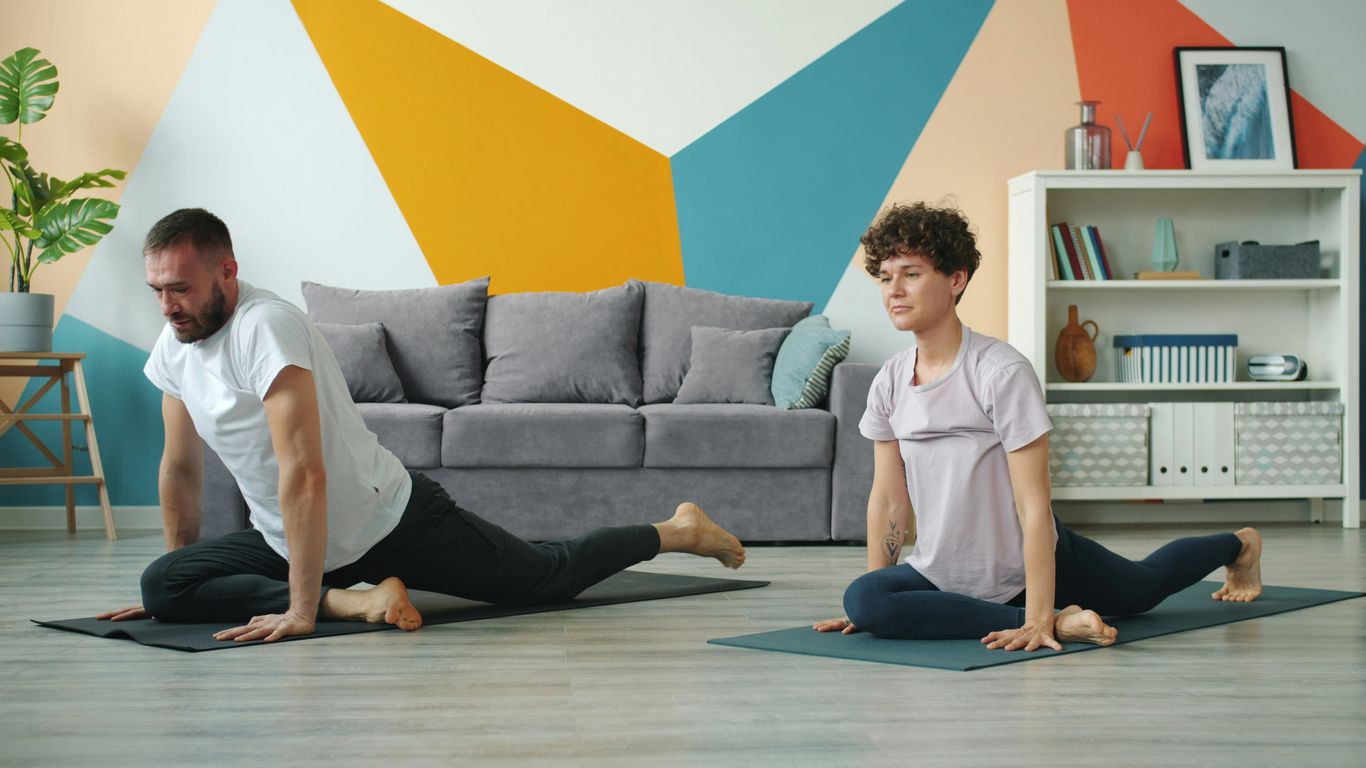
Jumping into partner yoga might seem a little daunting at first, but honestly, it’s way simpler than you think. It’s all about communication and a bit of trust. Think of it less like a performance and more like a dance where you’re both learning the steps together. The goal isn't perfection, it's connection.
Welcome to Partner Yoga: Tips for Beginning Yogis
Starting out with yoga poses for two doesn't require you to be a seasoned yogi. In fact, many poses are designed specifically for those new to the practice. The most important thing is to approach it with an open mind and a willingness to try. Here are a few pointers to get you rolling:
- Listen to your body and your partner's body. This is number one. If something feels off, speak up. Don't push into pain.
- Communicate, communicate, communicate. Before, during, and after each pose, check in. Are you stable? Is this comfortable? What can we adjust?
- Start slow and simple. Don't try to do the most complicated poses right away. Master the basics first. There are plenty of easy 2-person yoga poses that build a great foundation.
- Focus on breath. Synchronizing your breath with your partner can create a powerful sense of unity.
How to Prepare Yourself for Partner Yoga Practice
Getting ready for a partner yoga session is pretty straightforward. It’s not like you need to pack a suitcase or anything. Just make sure you're both in comfortable clothing that allows for movement. Having a yoga mat for each of you is a good idea, though not strictly necessary if you're on carpet. Also, make sure you've had a light meal a couple of hours before you plan to practice, so you don't feel too heavy or sluggish.
The beauty of partner yoga is that it naturally encourages you to be present. When you're relying on someone else for balance or support, you can't really be thinking about your grocery list or that email you forgot to send. It pulls you right into the moment, which is a pretty great benefit in itself.
Home Practice for Two
Setting up for a partner yoga practice at home is easy. You don't need a fancy studio. Just find a space where you both have enough room to move without bumping into furniture. A living room floor works perfectly fine. Consider playing some calming music in the background to help set the mood. Remember, the focus is on building a connection, so keep the atmosphere relaxed and supportive. Trying out beginner-friendly yoga poses for two at home is a fantastic way to start building your shared practice.
Keep Practicing Together
So, that's a wrap on our easy partner yoga journey. We've looked at some simple poses you can try with a friend, family member, or significant other. Remember, the main goal here is to connect and have some fun. Don't worry too much about getting every pose perfect. Just enjoy the process of moving together and supporting each other. Keep exploring these poses, and you might find that practicing yoga with someone else adds a whole new layer of enjoyment to your routine. Happy posing!
Frequently Asked Questions
What exactly is '2 Person Yoga Poses Easy'?
It's a way for two people to do yoga poses together, making them simpler and more fun! Think of it as a team effort on your yoga mat. You help each other get into poses, find balance, and stretch in new ways. It's perfect for beginners who want to try partner yoga without feeling overwhelmed.
Do I need to be a yoga expert to try this?
Absolutely not! This guide is made for everyone, especially if you're new to yoga or new to doing it with a partner. We focus on poses that are easy to learn and do, so you can build confidence and have a great time together. No fancy moves required, just a willingness to try!
What are the main benefits of doing yoga with a partner?
Partner yoga is awesome for building trust and communication between you and your yoga buddy. It can also make you stronger, more flexible, and help you relax. Plus, it's a fantastic way to connect with someone and share a positive experience. It's like teamwork for your body and mind!
What kind of poses can we expect to learn?
We'll cover simple poses like 'Baby Cradle Pose' and 'Mountain Pose-Chair Pose Flow,' where you support each other. You'll also learn how to use each other for deeper stretches in poses like 'Thread the Needle' and 'Half Belly Twist.' It's all about working together safely and effectively.
How do I find a good partner for yoga?
You can practice with anyone you feel comfortable with – a friend, family member, or even a significant other. The most important thing is that you both want to try it and are willing to communicate openly. If you both have a positive attitude, you're already halfway there!
What if one of us is much more flexible or stronger than the other?
That's totally fine! Partner yoga is about adapting and supporting each other. The more flexible person can help guide the other, and the stronger person can offer stability. We'll show you how to adjust poses so they work for both of you, focusing on connection rather than perfect form.

