
Discover How Yoga Relieves Stress: Your Guide to a Calmer Mind
Life these days can feel like a constant treadmill, right? Between work, family, and just trying to keep up, stress seems to be a constant companion for so many of us. Finding simple, effective ways to dial down that tension and find a bit of calm is super important for feeling good, both mentally and physically. That's where yoga comes in. It's this ancient practice that's really just about connecting your mind and body, and it’s surprisingly adaptable for pretty much anyone. By putting together some gentle moves, a bit of focused breathing, and just paying attention to what's happening, yoga helps calm down your whole system. Honestly, even just a few minutes can make a noticeable difference in how you feel and think. This guide is all about how yoga relieves stress and some easy practices you can try to make your days feel a little more grounded.
Key Takeaways
- Yoga helps calm your mind and relax your body, offering a way to reset your day without needing any prior experience.
- Even a short yoga session can help reduce tension and bring a sense of steady focus back into your daily routine.
- Yoga practices include simple movements and breathing techniques that can easily fit into even the busiest schedules.
- The mind-body connection in yoga allows it to address stress symptoms physically and mentally, shifting you from 'fight or flight' to a more relaxed state.
- Consistent, even brief, yoga practice builds resilience, helping you respond to challenges with more composure over time.
Understanding How Yoga Relieves Stress
Life throws a lot at us, doesn't it? Between work deadlines, family stuff, and just the general chaos of the day, it's easy to feel wound up. Stress can show up in so many ways – tight shoulders, a racing mind, that feeling of being constantly on edge. Yoga offers a way to hit the pause button on all of that.
The Mind-Body Connection in Stress Relief
It's pretty amazing how much our minds and bodies are linked. When you're stressed, your body reacts physically, and when your body is tense, your mind often follows suit. Yoga works by addressing both sides of this coin. It's not just about stretching; it's about becoming aware of how you feel, both physically and mentally. This awareness is the first step to changing your response to stress. By gently moving your body and focusing on your breath, you send signals to your nervous system that it's okay to relax, moving away from that constant state of alert.
How Yoga Addresses Stress Symptoms
Think about where you hold stress. For many people, it's in the neck, shoulders, or lower back. Yoga postures, even simple ones, are designed to gently release this built-up tension. As muscles loosen up, it's like a physical sigh of relief for your whole body. Beyond just physical release, yoga helps quiet those persistent, anxious thoughts that often accompany stress. It encourages you to focus on the present moment, which can be a powerful antidote to worrying about the past or future. This practice helps activate the parasympathetic nervous system, promoting a "rest and digest" state that counteracts the body's stress response. This practice encourages relaxation and a sense of calm.
Shifting from Fight-or-Flight to Rest and Digest
Our bodies have a built-in stress response, often called "fight or flight." It's great for emergencies, but when it's constantly switched on, it wears us down. Yoga helps us shift gears. Through mindful movement and focused breathing, we can encourage our bodies to enter the "rest and digest" state. This is where true recovery and healing happen. It's about creating a sense of safety and calm within yourself, even when things outside feel hectic. Over time, this practice can lead to a more balanced and less reactive way of handling daily challenges, making it easier to bounce back from difficult situations. Yoga practice is effective in reducing stress and alleviating symptoms of depression and anxiety.
The Science Behind Yoga's Calming Effects
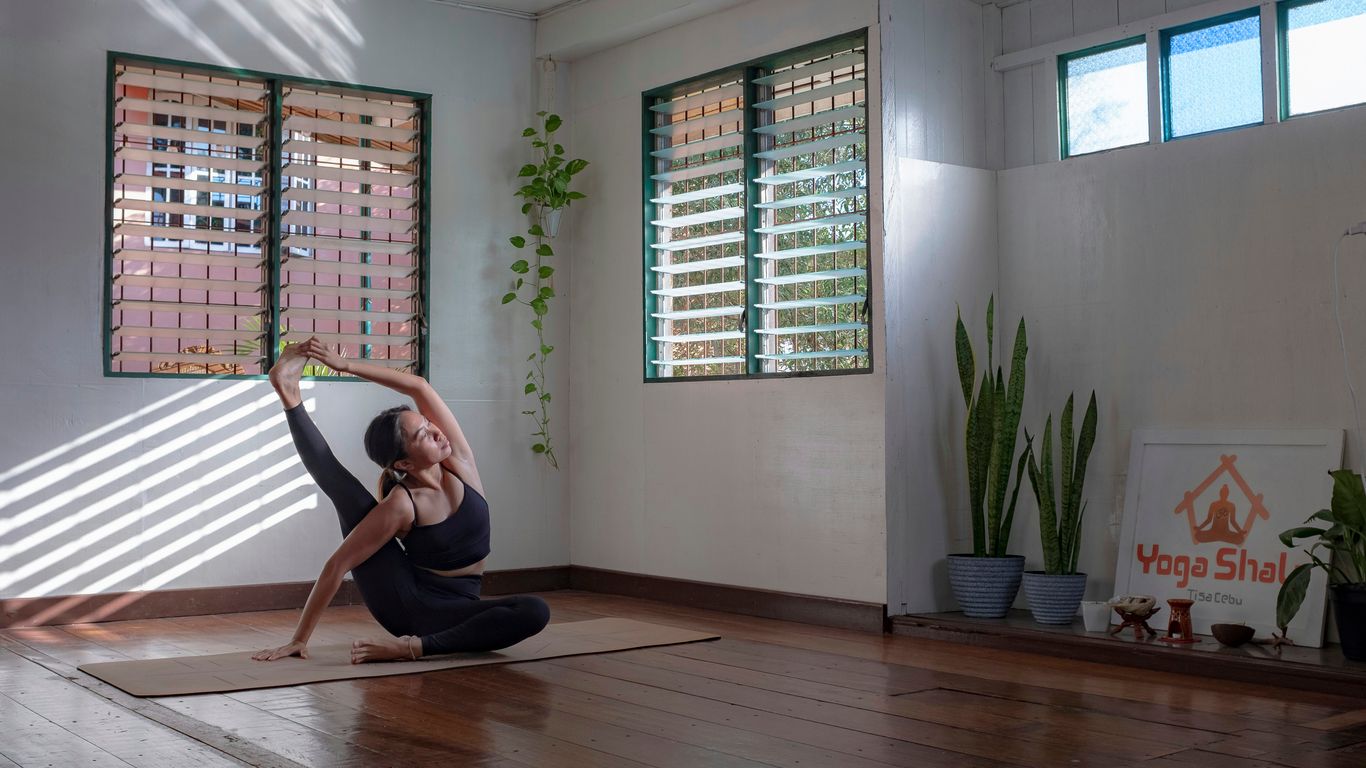
So, how exactly does rolling out your mat translate into a calmer state of being? It's not just about stretching; there's some real science at play that helps your body and mind dial down the stress.
Pranayama: The Power of Breathwork
Breathing exercises, or pranayama, are a cornerstone of yoga, and for good reason. When you consciously lengthen and deepen your breath, you send a powerful signal to your nervous system to relax. This isn't just a feeling; it actually helps slow your heart rate and can lower blood pressure. Think of it as an immediate reset button for your stress response. Even a few minutes of focused breathing can interrupt those anxious thought loops and bring a sense of control back into your day.
Mindfulness and Present Moment Awareness
Yoga naturally encourages you to pay attention to what's happening right now – your posture, your breath, the sensations in your body. This practice of being present, or mindfulness, is a direct antidote to the stress that comes from worrying about the past or future. By gently guiding your attention back to the present, you can quiet the mental chatter that often fuels anxiety. This ability to focus on the here and now is a skill that yoga helps build, making it easier to handle life's curveballs with more composure.
Neurotransmitter Release and Cortisol Regulation
Beyond the immediate effects, regular yoga practice has a tangible impact on your brain chemistry. It's been shown to help regulate cortisol, the body's primary stress hormone. High cortisol levels are linked to all sorts of negative health outcomes, so bringing them down is a big win. Additionally, yoga can encourage the release of neurotransmitters like GABA, which are associated with feelings of calm and happiness. This biochemical shift contributes to a more stable mood and a greater sense of well-being over time. It's fascinating how these physical changes can lead to such profound mental shifts, making yoga a truly effective tool for stress management. You can explore how these practices contribute to overall well-being in various wellness retreats.
The combination of breathwork, mindful movement, and focused attention during yoga creates a powerful synergy. This synergy helps to shift your body out of the 'fight-or-flight' response and into the 'rest-and-digest' state, promoting healing and recovery.
Here's a quick look at some of the scientific impacts:
- Cortisol Levels: Studies show yoga can help lower elevated cortisol, a key stress hormone.
- Nervous System Activation: Yoga encourages the parasympathetic nervous system (the 'rest and digest' system) to become more active.
- Neurotransmitter Production: Practices like yoga can increase levels of GABA, a neurotransmitter that promotes calmness.
- Brain Structure: Some research suggests yoga can even increase gray matter volume in certain brain areas, contributing to improved brain function.
Physical Benefits of Yoga for Stress Reduction
Yoga isn't just about stretching and breathing; it actually does some pretty neat things for your body that help melt away stress. When you're stressed, your muscles tend to clench up without you even realizing it. Think about your neck, shoulders, and even your jaw – they can get super tight. Yoga poses gently work to release this built-up tension. It's like giving your body a permission slip to finally let go of all that stored-up stress.
Releasing Tension in Key Stress Areas
Certain parts of our body seem to be magnets for stress. The neck and shoulders often bear the brunt, leading to stiffness and discomfort. The lower back can also become tight and achy, especially if you spend a lot of time sitting. Yoga postures, like Cat-Cow flow, help to gently mobilize the spine and release tension in these common areas. Even simple poses such as Child's Pose can offer a deep sense of release for the back and shoulders. This physical unwinding sends signals to your nervous system that it's okay to relax.
Improving Circulation and Reducing Fatigue
When we're stressed, our breathing can become shallow, which doesn't do much for our circulation. This can leave us feeling tired and sluggish. Yoga, with its combination of movement and deeper breathing, helps to get your blood flowing better. Poses like Legs-Up-the-Wall pose are fantastic for this, helping blood return towards the heart and giving your body a chance to recover. Better circulation means more oxygen to your brain and muscles, which can really help combat that drained feeling that often comes with stress.
Enhancing Flexibility and Mobility
It might not seem directly related to stress, but being stiff and restricted in your movement can actually make you feel more stressed. When your body feels more open and fluid, your mind often follows suit. Yoga gradually increases your range of motion, making everyday movements feel easier. This improved flexibility and mobility can lead to less physical discomfort and a greater sense of ease in your body, which is a big win when you're trying to manage stress. It's about creating a body that feels more capable and less burdened.
The physical act of moving your body in a yoga practice helps to interrupt the cycle of stress. By focusing on the sensations in your body, you naturally draw your attention away from anxious thoughts and into the present moment. This shift in focus is incredibly powerful for calming the mind and reducing the physical manifestations of stress.
Accessible Yoga Practices for Daily Life
Life gets busy, right? It feels like there's always something demanding our attention, and before we know it, stress levels are through the roof. The good news is, you don't need hours of free time or a fancy studio to find some calm. Yoga offers simple, practical ways to bring a little peace into your everyday routine, even when things feel chaotic.
Yoga Poses for Immediate Relaxation
Sometimes, you just need a quick reset. These poses are great for when you feel overwhelmed and need to ground yourself fast. They don't require much space and can be done almost anywhere.
- Child's Pose (Balasana): Kneel on the floor, then sit back on your heels. Fold your torso forward, resting your forehead on the mat. Let your arms rest alongside your body or stretch them out in front. This pose is like a gentle hug for your nervous system, encouraging deep breaths and a sense of surrender.
- Seated Forward Bend (Paschimottanasana) - Gentle Version: Sit with your legs extended. You can bend your knees as much as needed. Gently hinge forward from your hips, reaching your hands towards your feet or shins. Focus on lengthening your spine rather than forcing a deep bend. This helps release tension in the back and hamstrings.
- Legs-Up-the-Wall Pose (Viparita Karani): Find a wall and lie down, bringing your hips as close to the wall as comfortable. Extend your legs straight up the wall. Rest your arms by your sides or on your belly. This restorative pose calms the nervous system and can help reduce fatigue.
Even a few minutes spent in these poses can make a noticeable difference in how you feel. It's about creating a small pocket of stillness in your day.
Integrating Yoga into Your Morning Routine
Starting your day with a bit of yoga can set a much more positive tone. It doesn't have to be a full workout; even a short sequence can help.
Here’s a simple way to begin:
- Mindful Breathing: Sit or stand comfortably. Take 5-10 slow, deep breaths through your nose. Feel your belly and chest expand. This simple act signals to your body that it's okay to start the day calmly.
-
Gentle Stretches:
- Neck Rolls: Slowly tilt your head from side to side and then gently roll your chin towards your chest.
- Shoulder Circles: Roll your shoulders forward a few times, then backward.
- Cat-Cow Stretch (Marjaryasana-Bitilasana): On your hands and knees, arch your back as you inhale (Cow) and round your spine as you exhale (Cat). This awakens the spine.
- Standing Poses: Try Mountain Pose (Tadasana) for a minute, feeling grounded and tall. You could also do a gentle Standing Side Bend to open up your torso.
- Moment of Stillness: End by sitting quietly for a minute, noticing how your body feels and setting an intention for the day. This pause helps you carry that calm forward. You can find more ideas for soothing practices to start your day.
Short Practices for the Workday
Feeling that midday slump or a surge of stress? A quick yoga break at your desk can be a game-changer. These practices are designed to be discreet and effective.
- Seated Spinal Twist: While sitting tall in your chair, inhale and lengthen your spine. As you exhale, gently twist your torso to one side, using the chair for support. Hold for a few breaths, then repeat on the other side. This helps release tension in the back and can improve focus.
- Wrist and Forearm Stretches: Often overlooked, our wrists and forearms hold a lot of tension from typing. Extend one arm forward, palm up, and gently use your other hand to pull your fingers back. Repeat with the palm down. This simple movement can relieve discomfort.
- Desk Downward Dog: Stand up and place your hands on the edge of your desk. Step your feet back until your body forms an inverted V-shape. Hold for a few breaths, feeling a stretch through your spine and hamstrings. This is a great way to counteract the effects of sitting for long periods.
These short breaks are incredibly effective at reducing physical tension and mental fatigue. They help you reset your focus and approach the rest of your workday with renewed energy. Even just a minute or two of mindful movement can make a big difference, helping you stay present and less reactive to workplace pressures. For those who get nervous before presentations, simple stretches can also help release bodily tension.
Cultivating Resilience Through Yoga
Life throws curveballs, and sometimes it feels like we're just trying to keep our heads above water. Yoga isn't just about touching your toes or holding a fancy pose; it's a practice that builds up your inner strength, helping you bounce back when things get tough. It teaches you how to respond to challenges with more calm and less panic.
Developing Emotional Regulation
Ever feel like your emotions are on a rollercoaster? Yoga helps smooth out those ups and downs. By paying attention to your breath and body during practice, you start to notice your feelings without getting swept away by them. This awareness is the first step to managing how you react.
- Noticing Feelings: You learn to observe emotions like frustration or anxiety as they arise, rather than immediately acting on them.
- Breath as an Anchor: When things get intense, returning to your breath provides a stable point to ground yourself.
- Acceptance: Yoga encourages a non-judgmental attitude towards your experiences, including difficult emotions.
Building a Calmer Response to Challenges
Think of yoga as training for your nervous system. When you regularly practice calming techniques, your body becomes less reactive to stress. Instead of jumping straight into that 'fight or flight' mode, you can access a more measured, thoughtful response. This means that when a stressful situation pops up at work or home, you're less likely to feel completely overwhelmed. It's about building a buffer, a space between the trigger and your reaction, where you can choose how to proceed. This ability to pause and choose your response is a key part of stress management.
The Cumulative Impact of Consistent Practice
Like any skill, resilience grows with practice. Doing yoga just once might make you feel good for a bit, but sticking with it is where the real magic happens. Over time, those short moments on the mat add up. You might find yourself handling everyday annoyances with more grace or feeling more steady during big life changes. It's not about eliminating stress entirely – that's impossible – but about developing a stronger capacity to move through it without losing your balance. The benefits aren't just temporary; they become a part of how you navigate the world.
Regular yoga practice helps rewire your brain's response to stress. It trains your nervous system to be less easily triggered and more capable of returning to a state of calm after a stressful event. This makes you more resilient over time.
Your Path to a Calmer You
So, there you have it. Yoga isn't some mystical secret; it's a really practical way to deal with the everyday stress that piles up. By just moving your body a little and focusing on your breath, you can actually calm down your nervous system and release some of that built-up tension. It doesn't take hours, and you don't need to be super flexible to start. Even a few minutes here and there can make a big difference in how you feel, helping you feel more in control and less overwhelmed. Give it a try – your mind and body will thank you for it.
Frequently Asked Questions
How exactly does yoga help calm down stress?
Yoga works by calming your nervous system, which is like your body's control center for stress. It also helps lower stress hormones like cortisol. Plus, the gentle movements and focused breathing make your body feel more relaxed and less tense.
What kind of yoga is best if I'm feeling stressed or anxious?
Gentle and slow types of yoga, like Restorative or Yin Yoga, are usually best. These styles focus on slow movements, deep breaths, and relaxing, which directly helps ease feelings of stress and anxiety.
Can yoga really help me sleep better?
Yes! Many people find that practicing yoga regularly helps them sleep more soundly. When your body and mind are more relaxed from yoga, it's easier to fall asleep and stay asleep, which is super important for managing stress.
Is yoga just about stretching, or does it do more?
Yoga is much more than just stretching. It combines physical poses with breathing techniques and mindfulness. This combination helps release tension in your muscles, calms your mind, and makes you more aware of your body and feelings.
How long do I need to practice yoga to feel less stressed?
You don't need hours! Even just a few minutes of yoga, like 10-15 minutes, can make a noticeable difference. Doing it regularly, even for short periods, builds up over time and helps you feel calmer and more resilient.
Do I need to be flexible or have special gear to do yoga for stress relief?
Not at all! Yoga is very adaptable. You don't need to be flexible to start, and you don't need any special equipment. You can do many stress-relieving yoga poses right on the floor or even in a chair.

