

lululemon yoga mat guide: How to choose, use, and care for the right one
Key Takeaways
A good mat should suit the way you actually practice, carry, and clean your gear. Use grip, cushioning, size, and maintenance needs to narrow the choice rather than relying on appearance alone.
- Match grip and cushioning to your practice style and comfort needs.
- Consider weight and dimensions if you travel to class or practice outdoors.
- Natural rubber mats may have an initial odor and need thoughtful care.
- Moisture management matters during hot or especially active sessions.
- Let the mat dry fully before rolling and storing it.
Understand what makes a lululemon yoga mat different
A lululemon yoga mat is often considered for its combination of a grippy surface, supportive feel, and substantial construction. The right choice still depends on how much you sweat, how often you move the mat, and whether you prefer a firm or softer base. Material and surface texture affect the experience as much as thickness does. Before buying, think about the conditions in which the mat will spend most of its time.
Natural rubber construction and surface design
Natural rubber can give a mat a dense, grounded feel, while a textured or coated upper surface changes how hands and feet interact with it. Some mats combine a rubber base with a distinct top layer, so the feel may differ from one side to the other. Check the care instructions and material details before purchasing, especially if you have a latex sensitivity. A new rubber mat can also have a noticeable smell that may fade with airing.
Grip, cushioning, and stability
Grip is useful when you are moving between poses, but a very sticky surface is not automatically the best match for everyone. Cushioning can make kneeling and floor-based work more comfortable, while too much softness may feel less steady during balances. The most versatile option usually sits somewhere between plush and firm. A stable foundation matters when you want to focus on controlled movement instead of constantly adjusting your hands or feet.
Odor, weight, and portability considerations
Dense mats tend to feel reassuring underfoot, but that construction can add weight to a shoulder bag. If you walk, cycle, or use public transport to reach class, a few extra pounds can become a daily annoyance. Odor is another practical consideration: air a new mat in a well-ventilated space rather than sealing it away immediately. For a more portable setup, compare the packed size as well as the unrolled dimensions.
How the mat performs in hot and sweaty practices
Heat and moisture change the way almost every surface feels. A mat that seems secure in a cool room may need a towel or more frequent wiping during a sweaty practice. Use deliberate foot placement and avoid dragging wet hands across the surface when possible. If hot yoga is your main activity, read independent testing such as these hot-yoga mat reviews as an additional perspective, then judge whether the reported feel matches your own preferences.
Compare lululemon yoga mat options
The main options differ less by name than by the balance they strike between everyday support, versatility, and transport. Start with the setting where you practice most often, then consider whether the mat must fit in a small closet or suitcase. A home mat can be heavier if it stays rolled out, while a studio mat needs to be easy to carry and clean. Product dimensions are worth checking before you commit.
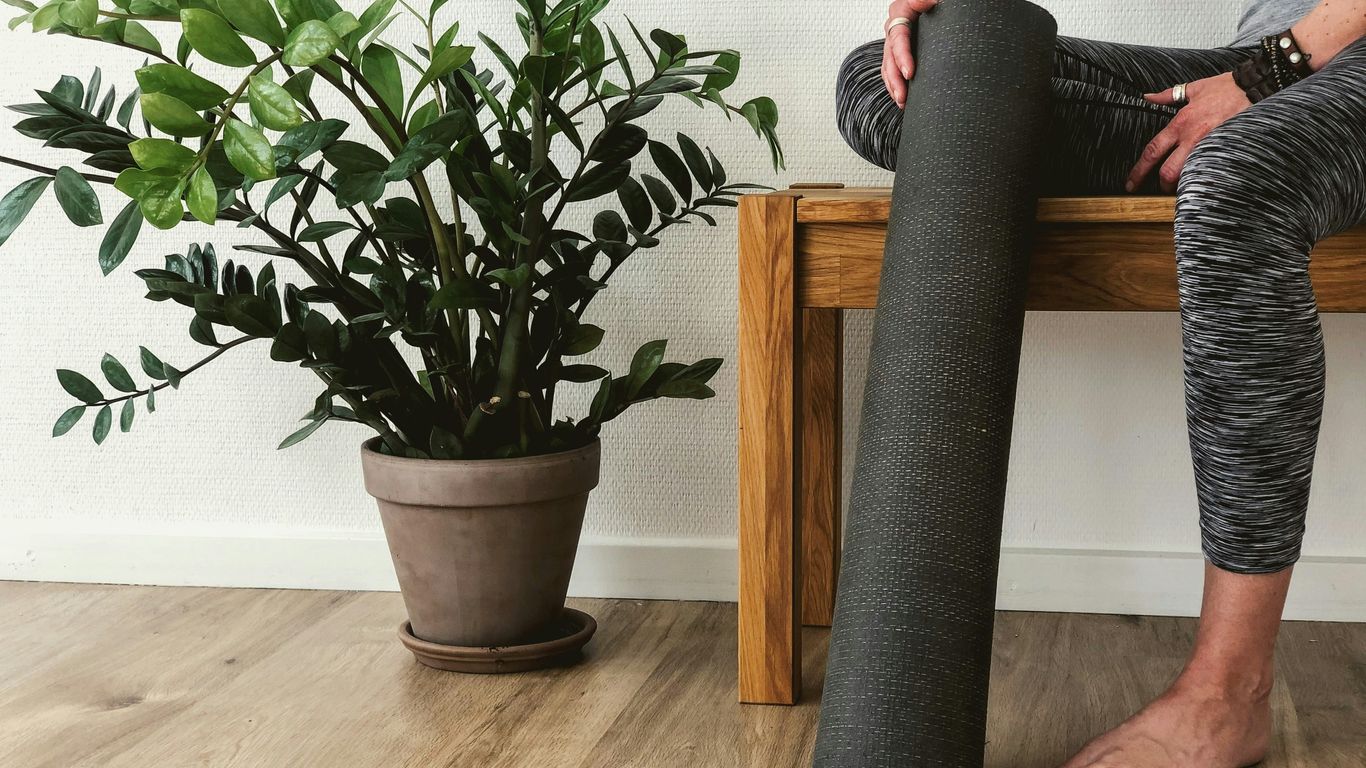
The Mat for everyday yoga and studio sessions
A full-size everyday mat is a sensible starting point for regular flows, strength-focused sequences, and studio classes. Look for enough length to keep your hands and feet on the surface without constantly repositioning. A denser feel may be welcome on a hard studio floor, but it can make carrying the mat less pleasant. Consider where it will live between practices as carefully as how it feels during one.
The Reversible Mat for versatile practice styles
A reversible design gives you the option of choosing the side that feels more suitable for the day’s session. One surface may feel softer or more comfortable, while the other may offer a different level of traction. Keep the distinction practical: use the side that feels most secure in the conditions rather than switching simply for variety. Always confirm which side is intended for the floor and follow the care directions.
Travel-friendly options for portability
Travel mats usually prioritize a lighter packed load over thick cushioning. A foldable design can fit into luggage more easily than a dense rolled mat, though it may feel different on a hard floor. Yune Yoga’s Yune Yoga Juliet Trekk Travel Mat is described as lightweight, 2.5 pounds, and 5mm thick, with a soft ridged top and firmer, stickier bottom. That kind of format is useful when practice happens in hotel rooms, parks, or other changing locations.
Choosing between thicknesses and sizes
Thickness affects both comfort and stability, while size determines how freely you can move. A longer or wider mat may be more comfortable for extended poses, but it also takes up more storage space. Measure the area where you normally practice and check whether the rolled or folded mat fits your transport method. A practical comparison should include the packed dimensions, not just the surface available during class.
Match the mat to your yoga practice
There is no single best mat for every routine. Sweaty vinyasa, quiet restorative work, balance practice, and frequent travel each put different demands on the surface. Your floor type also matters: carpet, wood, tile, and studio flooring can all change how secure the mat feels. Treat the mat as part of your setup, not as an isolated purchase.
Selecting a mat for hot yoga
For hot yoga, prioritize a surface that remains manageable as moisture builds. A yoga towel can add another layer of absorbency, while regular wiping helps keep the surface from becoming unpleasant between sessions. Bring a small towel for your face and hands, and test your setup before a long class. If you tend to sweat heavily, a slightly firmer base may feel more dependable than a very soft one.
Choosing cushioning for sensitive joints
When knees, wrists, or hips are easily irritated, moderate cushioning may make floor contact more comfortable. Still, thicker is not always better; excessive softness can make weight-bearing poses feel unstable. Try the mat on the floor where you practice and pay attention to whether your joints feel supported without your hands sinking too far. A folded towel under a particularly sensitive area can be a useful temporary adjustment.
Finding stability for balance and strength poses
Balance work calls for a surface that does not shift beneath you and a feel that lets you sense the floor. Dense construction and reliable traction can help, but technique and placement remain central. Keep the mat on a clean, flat surface, and remove dust or grit that could reduce contact. For a second opinion on grip, thickness, and weight, you can review these mat testing criteria before comparing specifications.
Picking a mat for home, studio, or travel use
Home users can favor comfort and a size that fits their practice area. Studio users may value a durable surface and a manageable carry, while travelers often need a lighter or foldable design. Yune Yoga’s Yune Yoga Tofino Yoga Mat is described as 6mm thick, durable, non-slip, and travel-ready, illustrating the sort of balance to look for when one mat must serve several settings. The best match is the one you will actually bring out and use.
Evaluate key buying factors
A mat can look appealing online and still be awkward in daily life. Compare its measurements, material, care requirements, and return terms before focusing on color or pattern. Reviews can provide useful context, but personal priorities should lead the decision. A simple checklist prevents a handsome mat from becoming an inconvenient one.
Dimensions, thickness, and weight
Write down the available floor space and the maximum weight you are willing to carry. Then compare those limits with the product specifications. The following framework keeps the trade-offs visible without treating one category as universally superior.
| Factor | Lighter or thinner choice | Denser or larger choice | Best fit |
|---|---|---|---|
| Portability | Easier to carry and pack | More demanding to transport | Commuters and travelers |
| Cushioning | More floor feedback | Softer joint contact | Comfort-focused practice |
| Stability | Often more compact | Usually feels more grounded | Balances and strength work |
| Storage | Takes less room | Needs more dedicated space | Small homes or shared rooms |
After comparing the numbers, stand on the mat if possible. A specification sheet cannot tell you whether the surface feels too firm, too soft, or too narrow for your movement.
Price and overall value
Value is about repeated use, not simply the lowest price. A mat that stays in a closet because it is heavy or awkward may be poor value, even if its materials seem impressive. Conversely, a more expensive option can make sense if its feel, size, and care routine fit your schedule. Set a budget, then rank the features you will notice every week.
If you are also planning a social activity around movement or wellness, practical venue guidance such as choosing a winter group venue can help with broader logistics, though it should not replace checking the mat itself.
Durability and expected lifespan
Look for clear material information, a surface that does not feel fragile, and care instructions you can realistically follow. Edges, corners, and the area beneath the hands often show wear first. Rotate the mat occasionally if one section receives most of the pressure. No product lasts forever, but gentle cleaning and sensible storage can slow avoidable damage.
Return policies and warranty considerations
Read the return window, exclusions, and warranty language before opening or using a new mat. Some policies distinguish between unused goods and products that show signs of practice. Save the receipt and keep packaging until you know the size and feel work for you. The same habit is useful when buying unrelated fitted goods: measurement guidance such as this bridal glove fitting guide is a reminder that comfort often depends on details, not broad labels.
Use a lululemon yoga mat for better performance
Performance begins before the first pose. A clean, flat surface, suitable clothing, and a realistic approach to moisture will make the mat easier to use. You do not need to force a particular style of movement onto it. Instead, adjust your setup so the mat supports controlled, repeatable practice.
Preparing the mat before your first practice
Remove packaging and let the mat air out in a shaded, ventilated place if it has a strong manufacturing smell. Wipe it according to the care instructions and allow it to dry completely. Unroll it on a clean floor and give the edges time to settle flat. This small preparation makes the first session feel less distracted and helps you notice the surface’s natural texture.
Improving grip during transitions and holds
Grip improves when hands and feet meet the surface cleanly. Avoid applying body lotion immediately before practice, and keep a towel nearby if your palms become damp. Move with control rather than pressing harder and harder into the mat. If the surface feels slick, pause and identify whether the cause is sweat, dust, or a mismatch between the mat and the room.
Positioning the mat for alignment and stability
Place the mat so its long edge is parallel with the main direction of movement. Check that it lies flat and does not catch on a rug, uneven board, or loose flooring. During standing work, use the mat’s edges as simple spatial references, but do not treat them as a substitute for comfortable positioning. A few seconds of setup can prevent repeated mid-practice adjustments.
Managing moisture during intense sessions
Use an absorbent towel when sweat begins to pool rather than waiting until your hands slide. Wipe the mat after class and let both mat and towel dry separately. Yune Yoga’s Yune Yoga CU29 Yoga Mat is described as having a textured surface for traction, moisture resistance, and easy cleaning; those are practical specifications to compare when intense sessions are part of your routine.
Clean and maintain your lululemon yoga mat
Care is straightforward when it becomes part of the practice ritual. Sweat, skin oils, dust, and floor residue can build up even when the mat looks clean. Use gentle methods and avoid turning every cleanup into a soaking wash. Consistency usually matters more than intensity.
Wiping the surface after each practice
After practice, remove visible moisture with a soft, slightly damp cloth or the cleaning method recommended for the material. Pay attention to the hand and foot areas, then leave the mat open long enough to air. A short routine is easier to maintain than an occasional aggressive scrub. These simple steps also help you notice changes in texture before they become larger problems.
For most sessions, this sequence is enough:
- Move the mat away from the practice area and shake off loose debris.
- Wipe the surface gently without saturating it.
- Check the edges and underside for grit or moisture.
- Leave it open until the surface is fully dry.
Once dry, roll the mat with the finished side protected as directed by the manufacturer. If the mat begins to smell despite regular wiping, reassess ventilation, towel use, and storage rather than immediately adding stronger cleaning products.
Deep-cleaning without damaging the material
Deep-clean only when the surface needs more than a routine wipe. Use a mild, material-compatible cleaner and a soft cloth, and test it on a small inconspicuous area first. Avoid abrasive brushes, harsh solvents, and long soaking periods unless the care instructions specifically allow them. A gentle pass followed by thorough drying is safer than trying to strip the surface clean.
Drying and storing the mat correctly
Never roll a damp mat tightly and place it in a closed bag. Let both sides dry, away from harsh direct heat or prolonged sun, before storage. Keep it in a cool, ventilated place and avoid stacking heavy objects on top. If you fold a travel mat, follow its intended fold lines so repeated use does not create unnecessary creases.
Preventing odor, peeling, and premature wear
Odor is often worsened by trapped moisture, while peeling can result from rough handling, unsuitable cleaners, or repeated contact with abrasive floors. Carry the mat in a sleeve or bag when moving between locations, and keep pets, grit, and sharp objects away from the surface. Replace it when traction or structural integrity has noticeably deteriorated. A thoughtful recording-session checklist may seem unrelated, but its broader lesson applies here too: preparing what you need before leaving reduces preventable problems.
Conclusion
Choosing the right lululemon yoga mat comes down to the conditions of your real practice: how much grip you need, how your joints respond to cushioning, where you store the mat, and how far you carry it. Compare those practical details, then protect your investment with gentle cleaning, complete drying, and consistent storage.
Frequently Asked Questions
How thick should a yoga mat be?
A moderate thickness often balances cushioning and stability, while thinner mats provide more floor feedback and thicker mats may feel softer. Choose based on joint comfort, balance work, and the surface beneath the mat.
Is a heavier yoga mat better?
Not necessarily. A heavier mat may feel more grounded, but a lighter option is easier to carry and store. The better choice is the one whose stability benefits justify its transport demands.
How can I stop my hands from slipping?
Practice with clean, dry hands, remove lotions beforehand, and use a towel if moisture builds. Also check that the mat is free from dust and placed on a flat, clean floor.
How often should I clean a yoga mat?
Wipe it after each practice, especially after sweaty sessions. Give it a deeper clean when residue or odor remains after routine wiping, while following the material’s care instructions.
Can I put a yoga mat in the washing machine?
Only do so if the manufacturer explicitly says it is machine washable. Many mats can be damaged by agitation, heat, or prolonged soaking, so hand cleaning is often the safer default.
How should I store a yoga mat?
Let it dry fully, roll or fold it as directed, and keep it in a cool, ventilated place. Avoid compressing it under heavy items or leaving it damp inside a closed bag.
What should I bring to a yoga class?
Bring your mat, a towel if you expect to sweat, water, and any personal supports you regularly use. A carrying strap or bag can make transport easier, particularly when walking to class.

