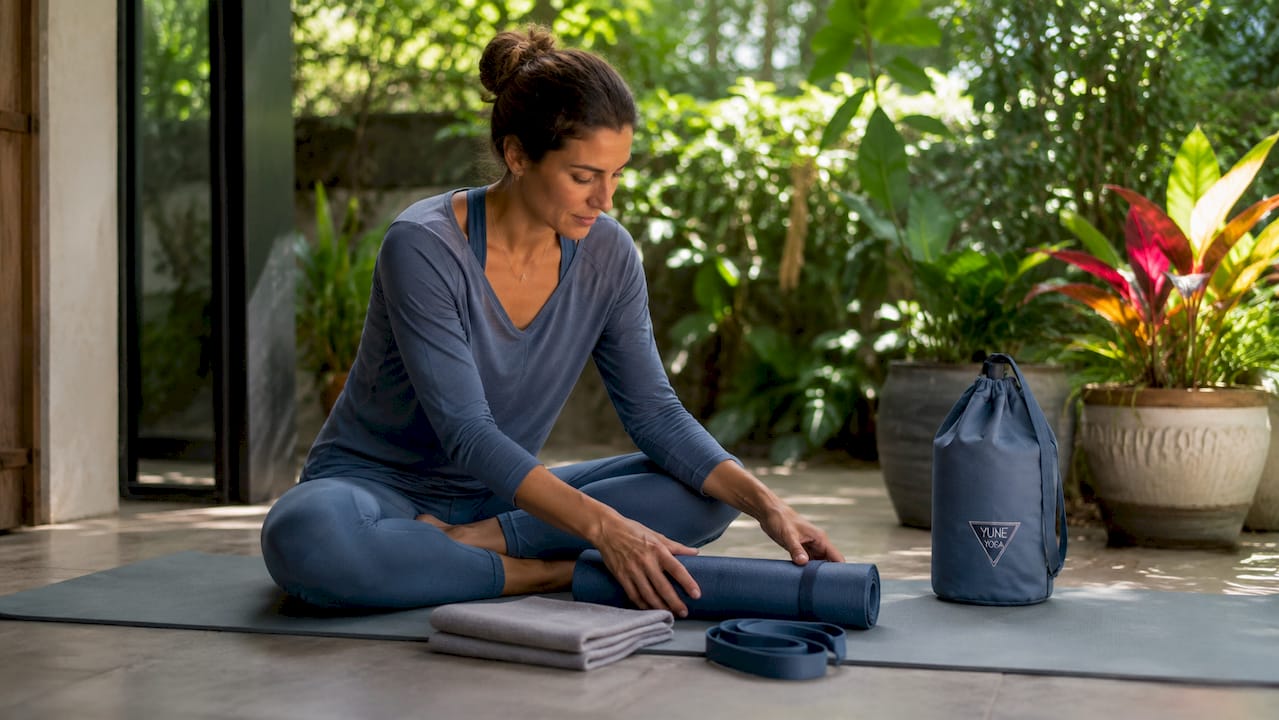
Lululemon yoga mat care: A complete guide to cleaning and maintenance
Key Takeaways
Learning proper maintenance for your equipment helps you stay focused on your practice without worry. These steps ensure your gear remains a reliable companion for every session.
- Regular cleaning extends the usable life of your high-performance equipment.
- Identifying material composition helps you select safe and effective cleaning agents.
- Daily wipe-downs prevent the accumulation of skin oils and bacteria.
- Proper drying environments protect materials from premature degradation and warping.
- Avoiding harsh chemicals and machine washing prevents irreversible structural damage.
Understanding your Lululemon mat material
Finding the right rhythm in your movement depends heavily on the surface you trust beneath you. Most high-quality mats are engineered with specific material combinations that offer unique tactile feedback and stability. Understanding the foundation of your gear is the first step in successful lululemon yoga mat care, ensuring you can enjoy its benefits session after session.
Identifying natural vs. synthetic rubber components
Many modern mats utilize a base of natural or synthetic rubber to provide essential cushioning and impact absorption for your joints. This material is prized for its density and grip, though it reacts differently to environmental factors than traditional foam options. If you are someone who enjoys practicing in diverse settings, you might prefer the portability of our foldable travel mats for a more compact experience while maintaining that essential grip.
Why polyurethane top layers require specialized care
Polyurethane top layers are designed to manage moisture, which is excellent for hot yoga or high-intensity flows where sweat is inevitable. However, this porous surface can also trap debris, requiring a slightly more cautious approach than a standard non-porous model. For those who need extra moisture management in any environment, our absorbent yoga towels provide a reliable way to keep your surface dry without affecting the base material. It is important to treat this top layer gently to preserve that signature non-slip performance that athletes expect.
Recognizing signs of material breakdown and surface wear
Over time, even the most durable materials show signs of regular use, such as fading, micro-tearing at high-friction points, or a gradual loss of tackiness. These changes are natural, but they often signal that your cleaning routine may need adjustment to prevent further decline. Monitoring these changes helps you know when a simple cleaning might be enough and when more intensive care is necessary for your lululemon yoga mat.
Daily cleaning routine after each practice
Maintaining a consistent routine keeps your practice space inviting and hygienic. Taking a few moments at the end of class ensures your equipment is ready for the next day, preventing the buildup of oils that can compromise the surface over time. Keeping your space pristine with proper care techniques is the best way to leverage Lululemon's product quality throughout its lifespan.
Choosing the right microfibre or non-abrasive cloth
Using the correct tools prevents scratches or damage to delicate top layers. A soft, clean microfibre cloth is the ideal choice because it lifts dirt without requiring excessive pressure or scrubbing. If you find your equipment is getting particularly difficult to manage, pairing your session with one of our durable yoga straps can help you maintain alignment and stability while keeping your hands off the floor surfaces when necessary.
Mixing simple cleaning solutions without harsh chemicals
Many athletes opt for a basic, gentle mixture of water and a tiny bit of mild dish soap to handle post-practice grime. Avoiding strong solvents is vital because they can degrade the rubber or polyurethane surface integrity quite quickly. Many users find success by following a standard yoga mat cleaning guide to ensure they are using the correct ratios for their specific materials.
Wiping down both sides to prevent sweat absorption
Sweat can migrate to the edges and the underside of your mat, especially during more intense sessions. Giving the bottom side a quick wipe prevents it from sticking to the floor or collecting dust, which helps maintain overall cleanliness. Using a reliable mat maintenance routine ensures that you are consistently addressing these often-overlooked areas.
Deep cleaning methods for stubborn grime
Sometimes a simple wipe-down isn't enough to remove deep-set scents or accumulated oils. Deep cleaning should be done sparingly, focusing on the specific areas that see the most wear. This infrequent intensive care is the best way to deal with the complex topic of grievance as a status game when it comes to maintaining your equipment's longevity.
Creating a vinegar-based solution for antibacterial cleaning
Vinegar provides an effective way to neutralize odors and reset the surface without resorting to abrasive chemical cleaners. A weak solution of one part distilled white vinegar to three parts water is usually sufficient for light sanitization.
Safely removing pore-clogging oils from the mat surface
Skin oils naturally migrate to the mat top during longer sessions, potentially creating "slick spots" that affect your confidence during poses. Using a soft cloth dipped in your vinegar solution, apply the mixture gently to these areas, working in small circles to break down the natural oils without saturating the material.
Managing deep-set stains without damaging the grip
Stubborn marks require patience rather than physical force, which can rip the surface. You can categorize your cleaning needs with this simple table:
| Surface Condition | Recommended Action | Frequency |
|---|---|---|
| Light Dust | Dry Microfibre Wipe | Daily |
| Sweat Residue | Damp Soapy Cloth | Daily |
| Deep Odors | Vinegar/Water Mist | Monthly |
The key is ensuring the material remains balanced so your hands and feet maintain that essential connection during every transition.
Proper drying and storage techniques
Properly managing moisture is the most overlooked part of maintaining the structural integrity of your gear. If you roll up a damp surface, you are essentially trapping moisture inside, which encourages bacterial growth and unpleasant odors.
Avoiding direct sunlight to prevent material degradation
UV rays from the sun break down the molecular structure of rubber and synthetic materials surprisingly fast. Always choose a cool, shaded corner of the room when you lay your equipment out to air dry after a deep cleaning session.
Ensuring complete moisture removal before rolling the mat
Give your mat ample time to dry completely by laying it flat in a well-ventilated space. You can speed up the process slightly by placing a dry, absorbent towel over the mat and rolling it up to soak up excess moisture, but never leave it rolled while damp.
Best practices for storage to maintain shape and texture
Keep your gear rolled or laid flat, ensuring it isn't folded tightly for long periods, which causes permanent creases. Storing it away from heat sources like radiators or car trunks preserves the original shape and prevents brittle edges.
Common mistakes that damage your mat
- Never use a washing machine for cleaning.
- Avoid submerging the entire mat in a bathtub.
- Don't use abrasive scrubbing brushes or sponges.
- Say no to direct heat for drying purposes.
Following these simple rules helps prevent the most frequent causes of premature wear, ensuring your mat stays as effective as the day you bought it.
Why the washing machine creates permanent material damage
The agitation cycle and high-speed spin are far too aggressive for the materials found in premium mats. Not only does this risk ripping the surface, but it can also cause the layers of your mat to delaminate or lose their cushioning capacity entirely.
The danger of using essential oils and harsh detergents
While essential oils smell pleasant, many are highly concentrated and can act as solvents on polyurethane surfaces. Detergents designed for laundry are often too concentrated and leave behind residues that make your surface slippery and difficult to clean in the long run.
Addressing persistent odors without over-saturating the mat layers
If you struggle with lingering scents, rely on airflow rather than heavy masking agents. Using a combination of regular surface wiping and allowing the item to rest in an open, dry space will usually clear up persistent odors far better than any chemical spray could.
Conclusion
Consistent care pays off by keeping your practice foundation stable and comfortable for years to come. By treating your equipment with attention and avoiding the common pitfalls of over-cleaning or machine washing, you ensure that every flow is grounded and secure.
Frequently Asked Questions
How often should I perform a deep cleaning?
A deep cleaning session is generally recommended every month or so, depending on how frequently you practice and the intensity of your sessions.
Can I use a towel to dry my mat faster?
Yes, rolling your mat with a dry towel inside is an effective way to pull excess moisture from the surface after a wipe-down.
What should I do if my mat smells like sweat?
Increase the frequency of your post-practice wipe-downs and perform a deep clean with a mild vinegar solution to neutralize those odors effectively.
Is it safe to leave my mat in the car?
Storing your mat in a hot car can lead to heat damage, which may alter the texture or material stability of your equipment permanently.
How do I know if my mat is worn out?
Signs of significant wear include persistent flaking, noticeable loss of cushion, or a decrease in traction that makes maintaining your balance difficult during practice.
Can I use dish soap on my mat?
A very small, controlled amount of mild dish soap mixed with plenty of water is generally safe as a gentle cleanser, provided you wipe it away thoroughly.
What is the best way to prevent mat slipping?
Keeping your mat clean and free of skin oils is the primary way to maintain its natural grip, supplemented by ensuring you don't use harsh chemicals that can slick the surface.