
How to master your yoga stretch with strap: a complete guide
Key Takeaways
A yoga stretch with strap can drastically change your daily practice by making poses accessible and helping you deepen your movements safely. This guide provides actionable steps for using a strap at home or when you travel.
- Straps act as an extension of your limbs to improve overall reach.
- Proper strap selection ensures comfort during extended stretching sessions.
- Using props helps stabilize your joints while you work on flexibility.
- Consistent application of strap-assisted stretches prevents muscle strain injuries.
- Incorporating versatile gear helps maintain your routine everywhere you go.
Choosing and preparing your yoga strap
Starting your journey with a strap is quite simple once you understand the utility of the tool. Many practitioners find that a good strap acts like an extra set of hands during complex poses. Whether you are using a sturdy durable yoga straps from a major manufacturer or the reliable gear from Yune Yoga, the goal remains the same: convenience and support.
Selecting the right length and material
Most practitioners prefer a standard length that accommodates various body heights easily. Shorter straps might feel limiting for taller users, while overly long ones often get tangled in your practice space. Most people find that an eight-foot length is the sweet spot for versatility, similar to how one might choose a robust grocery storage strategy to manage pantry inventory at home.
Essential safety precautions before you begin
Safety should always be the priority when using any fitness aid, even one as simple as a cotton strap. Always ensure the buckle is securely fastened and that your footing is steady on your mat. Just as you would carefully plan a route for your next road trip to ensure safety and comfort, check your environment to make sure there are no obstacles that could cause you to stumble during your stretch.
How to hold the strap for maximum leverage
Using a strap requires a firm yet relaxed grip that doesn't cause unnecessary tension in your wrists. Keep your fingers loose and your shoulders dropped away from your ears to maintain alignment. You might even find that learning this precise control feels as rewarding as the transformed playing style experienced by students in intensive music academies.
Essential seated stretches for hamstring flexibility
Seated work is the perfect entry point for using a strap because it allows you to focus on isolated muscle groups. Yune Yoga offers products like their portable travel mats that provide the perfect foundation for these floor-based movements without weighing down your luggage.
Seated forward fold with strap support
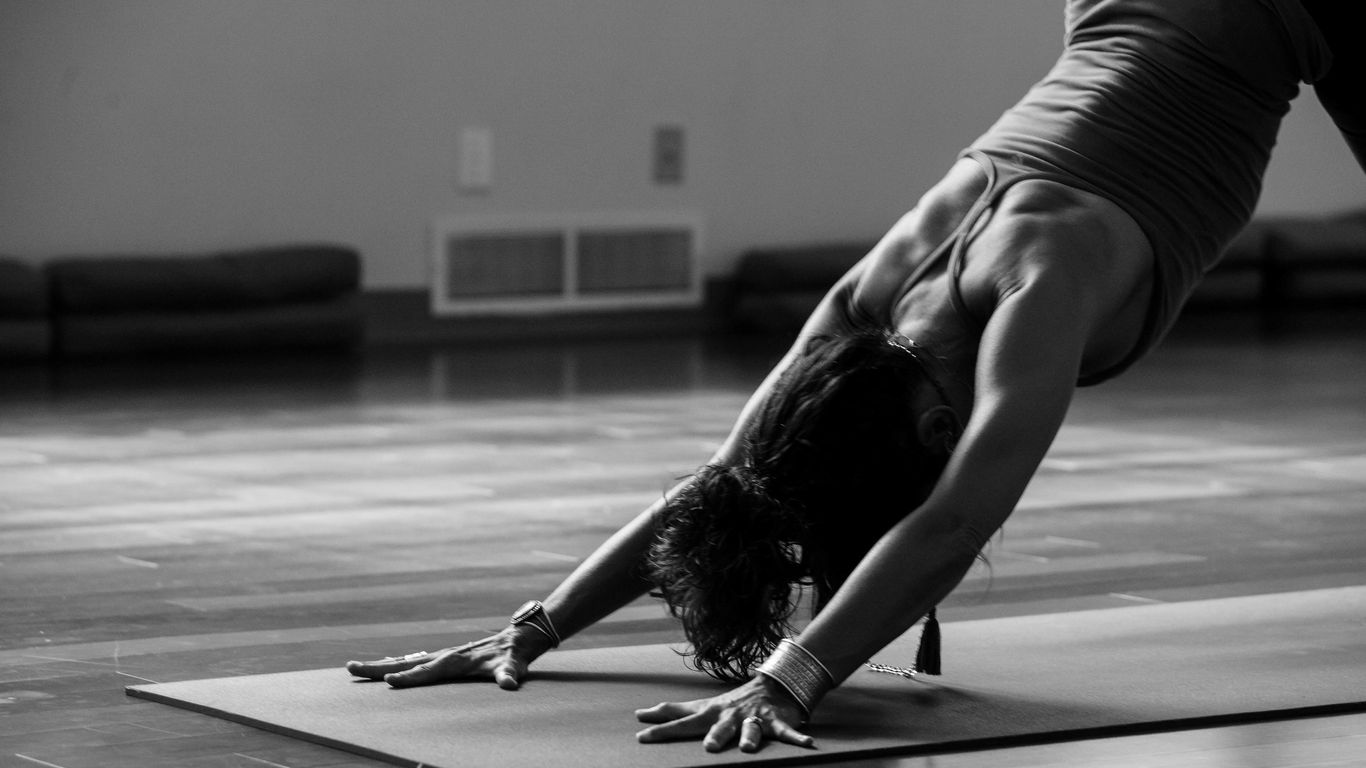
This classic pose is much easier when you have a strap to bridge the gap between your hands and feet. Simply loop the strap around your feet, sit tall, and use the fabric to draw your torso forward gently. The key is in the gentle engagement of your core rather than pulling with your arms alone.
Modified paschimothanasana for beginners
If you find reaching your toes difficult, the strap becomes your best friend for maintaining a straight spine. By holding the ends of the strap while keeping your legs extended, you train your body for deeper range of motion over time. This approach ensures you don't compromise spinal alignment just to touch your feet.
Targeting tight calves and feet
Beyond your hamstrings, the strap can help you isolate the smaller muscles in your calves and ankles that often get overlooked during standard movements. Consider this specific sequence to ensure every part of your leg feels the release.
- Place the strap around the ball of your foot.
- Extend your leg while keeping your heel grounded.
- Pull gently on the strap until you feel a light stretch.
- Hold the position for thirty seconds on each side.
This simple routine allows for a complete, balanced stretch that leaves your legs feeling refreshed and ready for whatever activity lies ahead.
Standing poses to improve balance and alignment
Standing poses challenge your stability, and a strap can help you find your center even when your balance feels a bit off. Yune Yoga provides convenient travel-friendly accessories that are light enough to take to the park or a hotel room, making it easy to practice these standing movements anywhere.
Using the strap for utthita hasta padangusthasana
This pose is significantly more manageable when you can stabilize your leg with a firm strap loop. Wrap the strap around the arch of your foot and extend the leg forward, using the strap to keep the leg elevated while your standing leg stays strong. It helps you keep your hips level, which is a common challenge for newer practitioners.
Finding stability in standing quad stretches
If you struggle to reach back and grab your foot, a strap creates a comfortable handle that you can easily grasp from behind. Place the strap around your ankle and hold the ends over your shoulder to bring your foot closer to your glutes. This keeps your posture upright and avoids the hunched look that usually happens when you struggle to reach back.
Adjusting loop size for dancer's pose
Creating a secure loop allows you to focus on the grace of the pose without worrying about losing your grip. By setting the strap to the right size, you can lean into the stretch with confidence in your stability. It functions like a reliable funding source for traders—it gives you the solid foundation needed to push your limits without fear of falling.
Reclining stretches for gentle recovery
Reclining poses allow your body to relax completely while gravity assists in the stretch. These poses are essential for recovery days when you want to improve flexibility without adding stress to your muscles.
The benefits of reclining hand-to-big-toe pose
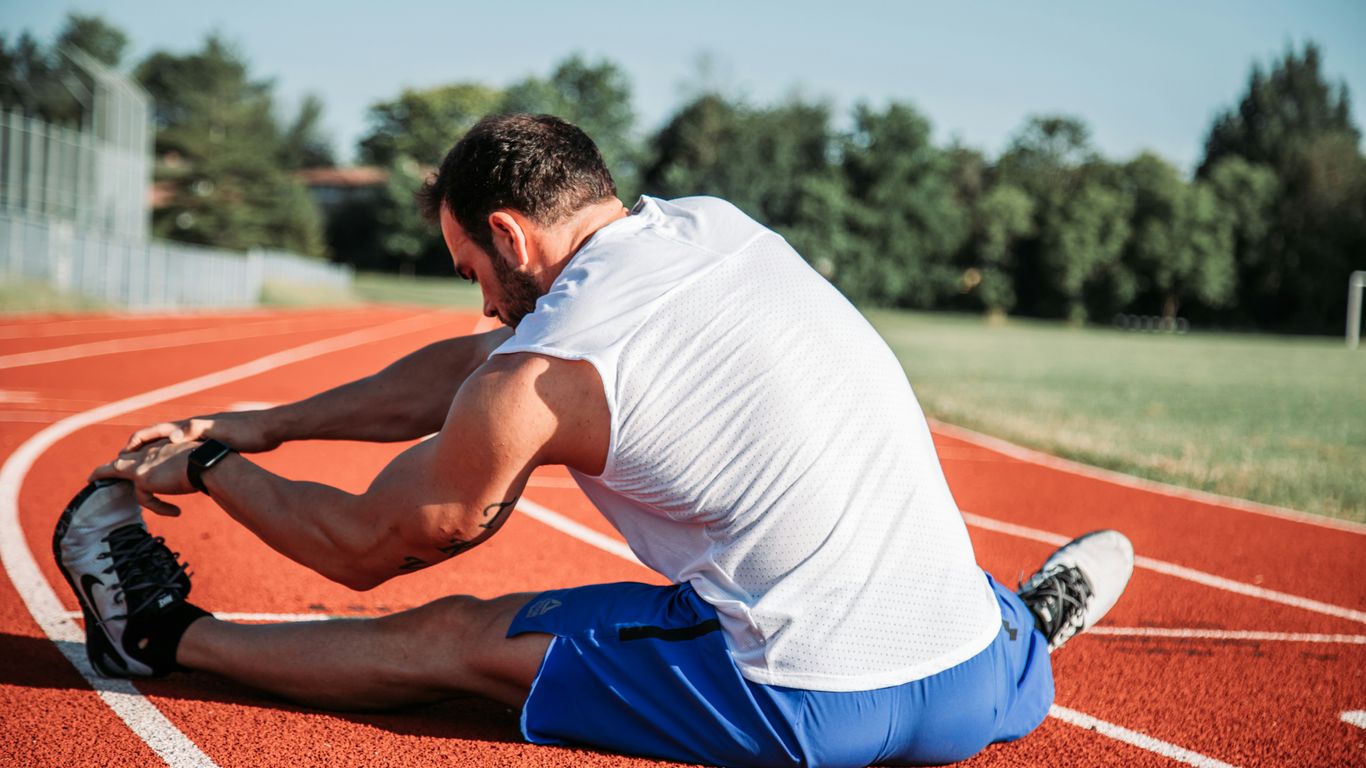
This pose is the ultimate way to stretch your hamstrings while your spine is fully supported by the floor. It eliminates the balance factor, letting you focus entirely on the release of tension in your back and legs. You will quickly feel the deep relief in your lower back as you hold the strap steady.
Deepening hip opening in reclining butterfly
By using the strap to pull your feet toward your pelvic floor, you can intensify the stretch through your inner thighs and hips. It feels incredibly restorative after a long day of sitting and helps restore natural alignment in your pelvis. It is a fantastic option for anyone looking to optimize their recovery without needing extra gear.
Using strap resistance for leg release
Applying light resistance against the strap helps wake up tired muscles and promotes circulation throughout the lower body. Simply press your foot into the strap while holding it firm, alternating between gentle tension and release. It functions remarkably well like the best slot experience for those seeking maximum results from their limited time.
Upper body and shoulder opening techniques
Your shoulders carry a lot of daily stress, and using a strap can help alleviate that burden through targeted opening techniques.
Improving range of motion in cow face pose
Cow face pose is notoriously difficult if you have tight shoulders, but a strap bridges the distance between your hands effortlessly. Hold the strap in the top hand and let it dangle behind your back, then catch it with your bottom hand to complete the bind. You can gradually walk your hands closer together as you become more flexible.
Correcting shoulder alignment in chest openers
Using a strap in front of you while performing chest openers ensures that your shoulders remain wide and open rather than hunched. Keep your arms straight and gently pull the ends of the strap apart, creating a sense of expansion across your chest. This prevents shoulder rounding common in desk work and helps build better posture.
Using the strap to assist with eagle arm variations
If you cannot get a full bind with eagle arms, a strap allows you to hold onto a secure point while still feeling the intended stretch in your upper back. It keeps your elbows in line and prevents you from straining your neck to make the shape work. It is an excellent way to maintain the integrity of the posture while working within your current limits.
Integrating props into your daily routine
Consistency beats intensity every single time, and keeping your props accessible is the key to maintaining a lasting habit. Using Yune Yoga equipment makes this integration seamless.
Developing a consistent morning stretch habit
Try placing your strap next to your bed or your favorite spot for online games so that you see it as soon as you wake up. Morning stretches don't need to be long; even three minutes of using a strap to wake up your shoulders and legs can change your entire outlook for the day.
Progressing from beginner to advanced strap use
As you improve, you can adapt how you use your strap to increase the challenge of your poses. For example, you can shorten the strap to make stretches more precise or use it to hold challenging deep-tissue poses for longer durations. The following progress chart shows how your needs might change as you get more comfortable.
| Level | Focus Area | Strap Usage Strategy |
|---|---|---|
| Beginner | Support & Stability | Use as arm extension for reaches |
| Intermediate | Flexibility Depth | Shorten strap for tighter leverage |
| Advanced | Isometric Hold | Use for resistance/strength work |
By tracking these small changes, you will see exactly how much your flexibility improves over a few months of dedicated practice.
How to avoid overstretching and muscle strain
Always listen to your body and never force a position just because you think you should be able to do it. If you feel sharp pain, stop immediately and ease your intensity by widening your grip on the strap. Protecting your muscles ensures that you can keep practicing for years to come, making your investment in quality gear like a Yune Yoga strap truly pay off.
Conclusion
Mastering a yoga stretch with strap techniques allows you to cultivate a safer, more consistent, and highly personalized practice in any environment. By using these simple tools to provide stability and support, you can unlock new levels of flexibility while keeping your joints protected. Keep your equipment accessible, listen closely to what your body needs on any given day, and enjoy the ongoing progress that comes with every single session.
Frequently Asked Questions
How long should my yoga strap be for most stretches?
An eight-foot strap is generally the most versatile choice for most body types and a wide range of poses.
Can I use a regular belt if I do not have a yoga strap?
While a regular belt works in a pinch, a specialized yoga strap is typically softer on the skin and features a secure, non-slip buckle.
How often should I use a strap in my yoga practice?
You can use a strap during every practice, especially when you are focusing on alignment or working toward deeper flexibility.
Should I feel pain when using a strap to stretch?
You should always feel a comfortable, dull pull rather than sharp or sudden pain, so adjust your intensity accordingly.
Is it okay to use a strap for strength training?
Yes, you can use the resistance of a strap to perform isometric exercises that engage your muscles while holding a stretch.
Can a strap help me if I have tight hamstrings?
A strap is excellent for tight hamstrings because it allows you to maintain a straight spine while slowly increasing the stretch intensity.
Does using a strap make my practice less authentic?
Using a strap is not a sign of weakness; it is a smart way to practice safely and ensure you keep proper form in your poses.