
How to use a yoga strap for flexibility and alignment
Key Takeaways
- Using a yoga strap helps increase your range of motion during practice.
- Proper adjustment of your strap ensures safety during challenging stretches.
- Straps provide tactile feedback to help refine your body alignment.
- Select a durable strap that matches your specific practice style.
- Consistent use of props leads to deeper, more supported yoga poses.
Understanding the benefits of using a yoga strap
Practicing yoga often feels more accessible when you have the right support. When you start using yoga strap techniques, you provide your body with the extra reach needed to maintain proper form without straining. Yune Yoga designs durable yoga straps that offer the steady grip you need to maintain balance while working on your flexibility.
Enhancing reach and accessibility in challenging poses
Sometimes, our limbs just feel too short to reach a bind or a foot during a deep pose. A strap acts as an extension of your arm, allowing you to bridge the gap comfortably. By creating a physical link, you can focus on the pose itself rather than the frustration of being unable to grasp your toes.
Promoting safer joint alignment during deep stretches
Overstretching can cause unnecessary stress on your ligaments. Using a strap provides a controlled environment where you can hold a stretch without the urge to jerk or bounce. This is particularly helpful when you want to achieve a deeper stretch while keeping your knees and hips properly aligned.
Correcting postural habits through tactile feedback
One of the most useful aspects of yoga straps is the constant feedback they provide to your muscles. When you hold the strap with a consistent tension, your brain receives signals about where your limbs are positioned in space. This awareness prevents you from collapsing into your posture and encourages you to keep your chest open and your spine long.
Preparing and adjusting your strap for practice
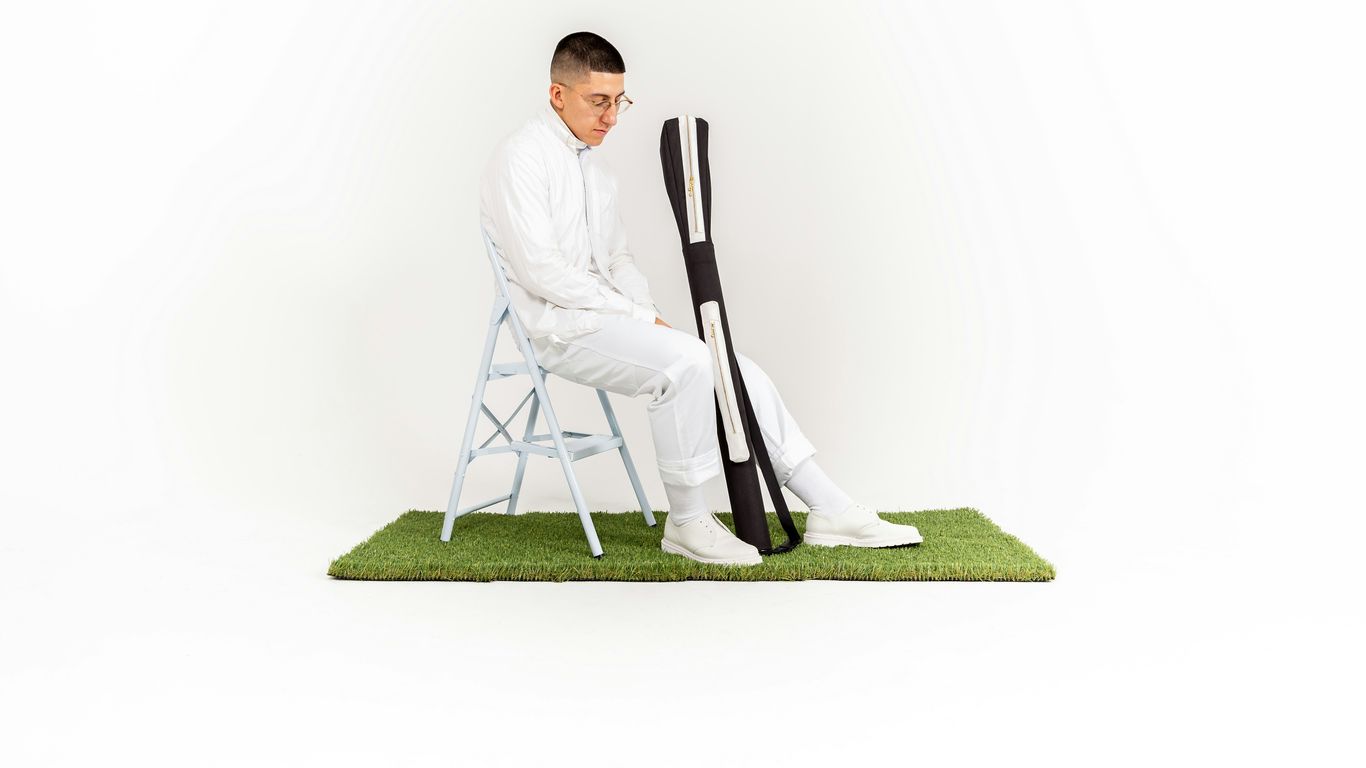
Getting your gear ready before you step onto the mat can make all the difference in your flow. Yune Yoga focuses on practical, portable designs that ensure you can set up quickly regardless of where you are practicing.
Selecting the appropriate strap length for your height
If you are taller, opt for an eight-foot strap to ensure you have enough slack for complex binds. Shorter straps work well for tighter spaces but might limit your mobility in wider poses. Choosing the right length means you spend less time fussing with the buckle and more time in the movement.
Creating secure loops for added stability
Many poses require a fixed loop to hold the weight of your legs effectively. Thread the end of your strap through the D-ring or buckle to create a snug circle that won't slip mid-pose. This added stability transforms the strap from a simple cord into a reliable anchor for your practice.
Adjusting tension effectively during weight-bearing poses
Always ensure your buckle is positioned away from sensitive skin to avoid irritation during sustained holds. You can tighten or release the tension with a simple pull or push, allowing you to customize the resistance. Feeling confident in your 110b or 78a9 setup is key.
Improving alignment in standing poses
Standing poses require a great deal of focus on ground contact and spinal integrity. Incorporating a strap can bridge the gap when you find your shoulders rounding, an issue many yogis face when moving into deeper transitions.
Refining posture in mountain pose and tadasana
- Hold the strap between your hands, pulling gently outward to activate the shoulder muscles.
- Place the strap behind your back at shoulder height to encourage a proud, open chest.
- Keep your core engaged while extending the arms directly overhead for a spine-lengthening experience.
Since this list highlights the active role the strap plays, notice how it prevents you from slumping. Using this prop helps maintain that tall, dignified posture that defines a solid mountain pose.
Enhancing stability throughout warrior pose variations
When holding warrior poses, the strap can be held overhead to keep the torso upright and stable. It prevents you from leaning too far forward and helps distribute your energy evenly through your legs. This simple addition can be compared to the dedication found in the 3468 approach to learning.
Supporting balance and grounding in single-leg poses
When holding single-leg poses, a strap around the foot allows you to extend the leg without sacrificing your torso alignment. This provides security as you focus on your standing leg and core stability. Like the guidance found in dc07, a little support creates real results.
Leveraging straps for deeper seated stretches
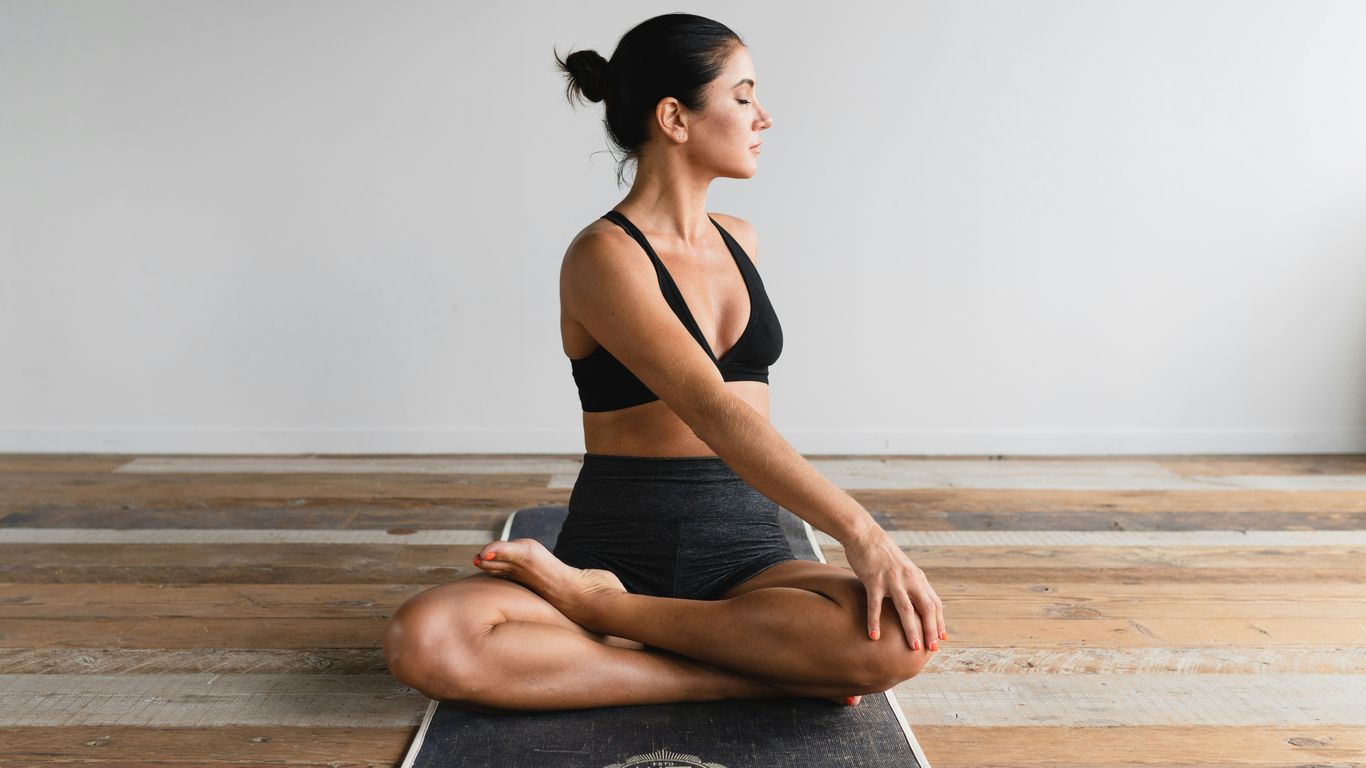
Seated stretches often become more intense when combined with the precise tension of a strap. Whether you are aiming to increase flexibility in your hamstrings or simply feel the release in your spine, these movements benefit from the support of high-quality Yune Yoga equipment.
Extending reach in seated forward folds
When you place the strap around your feet, you draw your chest closer to your thighs without rounding the back. This provides a focused stretch rather than a struggle, allowing you to settle into the pose peacefully. It remains a core component of the f430 philosophy of accessible quality.
Modifying hamstring-focused stretches for comfort
Using a strap gently creates a path for your muscles to lengthen over time without the strain associated with cold muscles or forced positions.
This simple adjustment is a staple for anyone looking to increase flexibility effectively. By remaining patient, you will notice your range of motion naturally expanding as you practice.
Using strap tension to engage and stabilize deeper muscles
Active tension allows you to engage your glutes and core while you stretch. This active engagement creates a more dynamic experience than passive stretching ever could. It is the contrast between simply being in a pose and truly inhabiting it with intent.
Mastering upper body openings and arm binds
Upper body tension is a common complaint, often resulting from hours spent at a desk. The strap acts as a gentle medium to help you open these tight areas safely.
Opening tight shoulders in cow face pose
Crossing your arms to grasp fingers can be impossible when shoulders are tight. The strap serves as an essential link that allows you to feel the opening in the chest and shoulder girdle without pain.
Working safely toward more complex arm binds
Work slowly when trying to bridge the gap between hands in advanced binds. By maintaining a constant hold on the strap, you keep your alignment safe and protect your rotator cuffs from overexertion.
Relieving tension in the chest and neck areas
Use the strap to perform gentle chest stretches by extending your arms behind you. This simple movement creates space and allows the neck muscles to relax, providing an immediate sense of relief after a long day.
Choosing the right yoga strap for your needs
Not all straps are created equal, and finding the one that suits your style involves checking a few key factors. Yune Yoga offers products that emphasize durability, which is essential for gear that withstands daily use.
| Feature | Benefit | Importance |
|---|---|---|
| Cotton weave | Soft grip feel | High |
| D-ring buckle | Secure lock | High |
| 8-foot length | Versatile use | Medium |
Checking these details ensures you invest in a tool that will last through years of practice. A reliable strap is a cornerstone of your yoga journey.
Evaluating material durability and grip texture
Look for a material that feels soft against the skin but provides enough texture to stay in your hand. Cotton is a traditional favorite for a reason, as it breathes well and staysgrippy even when you start to sweat.
Determining the ideal length for your practice style
If you prefer restorative yoga, a longer strap might be your go-to. If your focus is primarily on quick, active sequences, a shorter, more compact strap is often the more convenient choice.
Comparing buckle types for ease of adjustment
D-rings are the standard for a reason: they are simple, sturdy, and do not have complicated moving parts that break. Focus on simplicity, as a strap is one of those tools you want to be able to count on under any circumstance.
Conclusion
Incorporating a strap into your daily routine is an accessible way to improve your flexibility and posture safely. By treating, it as an extension of your own reached potential, you can navigate your yoga practice with more confidence and ease. Remember that the goal is not to reach further, but to reach with better alignment and awareness, making your practice more sustainable and enjoyable over time.
Frequently Asked Questions
Should beginners use yoga straps?
Yes, straps are an excellent resource for beginners who are just starting to learn the alignment of various poses.
How long should my yoga strap be?
Most practitioners find an eight-foot strap to be the most versatile choice for a wide variety of heights and poses.
Can I wash my yoga strap?
Cotton straps can usually be machine washed on a gentle cycle, but always let them air dry to keep the fabric in good condition.
Do straps work for restorative yoga?
They work very well to hold poses in place, allowing your muscles to release tension without the need for active effort.
How do I know if the buckle is secure?
Give the strap a firm tug before putting your weight into it to ensure that the buckle is locked in place correctly.
Can a strap help prevent injury?
By helping you maintain correct alignment and avoiding the urge to force your limbs into place, a strap is a great tool for safe practice.
What if I don't feel a stretch with the strap?
Adjust your position by slowly moving your hands further apart on the strap to find the right amount of tension for your unique body.

