

How to find the right yoga mat near me: A practical local shopping guide
Key Takeaways
Finding the right yoga mat locally is easier when you know what to test before you visit a store.
- Match the mat to your class style, floor, and practice habits.
- Compare thickness, grip, materials, weight, and price together.
- Call ahead to confirm inventory, hours, and pickup options.
- Inspect the surface, edges, thickness, and return terms in person.
- Choose a mat you can clean, carry, and store without fuss.
Start by defining the yoga mat you need
Before searching for a yoga mat near me, decide how and where you will use it. A mat for heated vinyasa has different priorities from one used for quiet stretching in a hotel room. Your available floor space, tolerance for weight, and budget matter just as much as color or pattern.
A short list of practical requirements keeps an appealing display from steering the decision. Write down your usual class type, preferred cushioning, approximate size, and whether you need to carry the mat regularly.
Match the mat to your yoga style
Dynamic flows and hot classes call for dependable traction, especially when your hands and feet become damp. Restorative, yin, and meditation practices may place more emphasis on comfortable cushioning and a surface that feels pleasant during longer holds. If your routine changes from week to week, look for a balanced mat rather than one designed for only one setting.
Think about the floor beneath you, too. A firm studio floor may make a moderately cushioned mat feel comfortable, while outdoor pavement or a hard hotel floor can make extra support more useful.
Choose the right thickness and cushioning
Thickness affects comfort, stability, and how easily a mat packs. Very thin mats are often easier to carry and can give a grounded feel, while thicker mats may feel kinder under knees and hips but can be heavier or less stable in standing poses. Try a few options if you can, using a kneeling position and a standing balance pose as simple tests.
This quick comparison can help organize the tradeoff:
| Thickness range | Often suits | What to check |
|---|---|---|
| 2–3 mm | Travel and minimalist setups | Floor comfort and pressure under joints |
| 4–5 mm | General home or studio use | Balance between cushioning and stability |
| 6 mm or more | Extra cushioning and longer floor work | Weight, wobble, and storage space |
Numbers are only a starting point. A well-constructed thinner mat can feel more supportive than a soft, uneven thicker one, so use the thickness as a filter rather than the final verdict.
Consider grip, weight, and portability
Grip should feel secure without forcing you to press your hands unnaturally into the surface. Weight becomes noticeable when you walk to class, take public transit, or pack for a weekend away. A foldable or lightweight design can be especially useful for people practicing in parks, beaches, or hotel rooms.
For a portable option, the Sycamore Trekk Travel Mat is described as a 2.5-pound, 5mm reversible mat with a textured top and grippy bottom. That kind of specification is useful when comparing travel mats, but still check how the folded size fits your bag and how the surface feels in person.
Set a realistic budget
A sensible budget includes more than the sticker price. Consider whether you also need a strap, towel, bag, or cleaning supplies, and whether a more durable mat could prevent an early replacement. Set a range before shopping, then allow a little flexibility for a genuine improvement in grip or portability.
Value means fewer compromises for your actual routine, not simply the lowest price. A modest mat that stays flat and gets used often can be a better purchase than an expensive one that is awkward to carry.
Find yoga mat stores near you
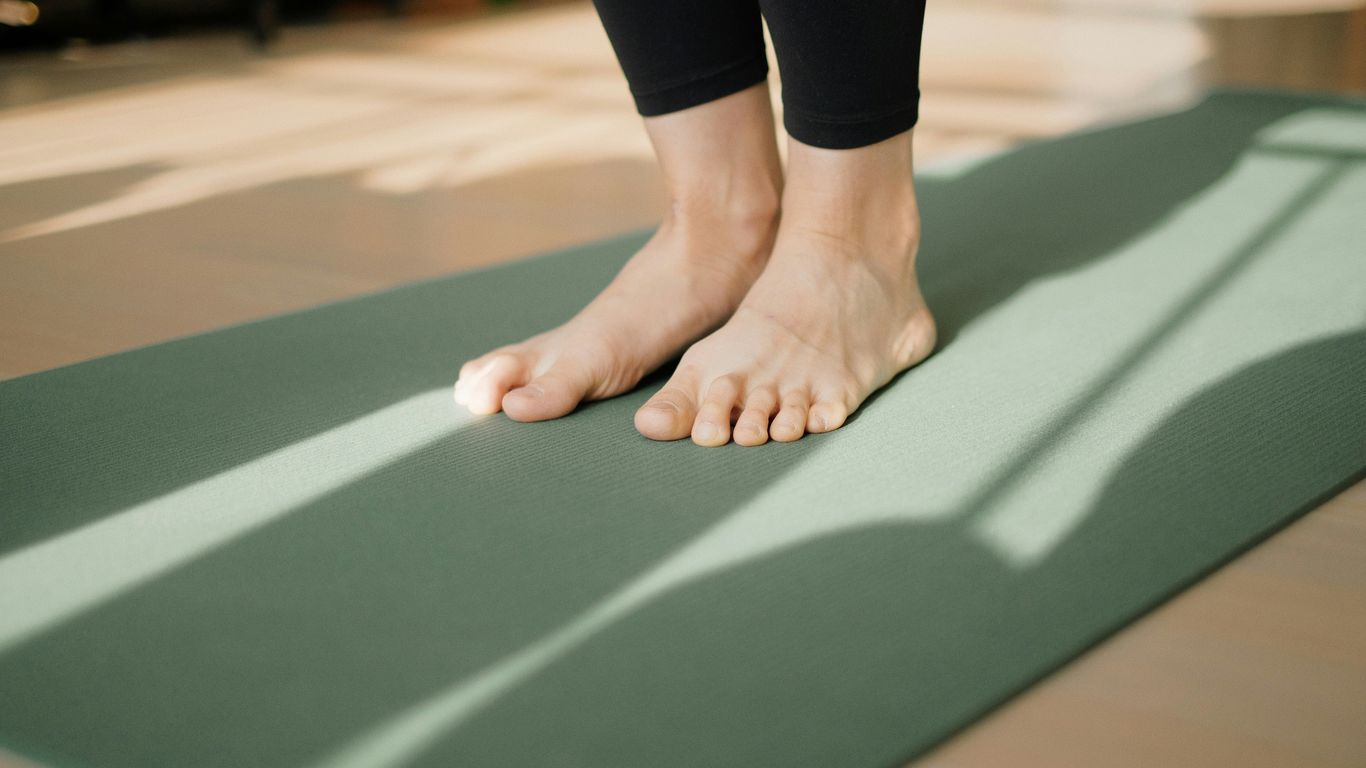
Local shopping lets you compare textures and cushioning without guessing from photographs. Start with broad searches, then narrow by neighborhood, class type, and whether the store serves studio customers. Before making a trip, confirm that the listing is current and that the shop actually sells mats rather than only offering classes.
A map result is a lead, not a guarantee of inventory. Search pages can also mix in unrelated information, such as wedding photography tips, wildlife signs, a day trading guide, ABA therapy costs, or Virtual Threads, so read the listing carefully before relying on it.
Use local search and map listings
Search for phrases such as “yoga mat store,” “yoga studio shop,” or “fitness equipment near me,” adding your neighborhood or ZIP code. Map listings can reveal photos, phone numbers, directions, and recent customer comments. The Store Locator is another useful example of a location-finding tool when a retailer provides one.
Call before leaving if you need a particular size, material, or color. A quick question can save a long trip and may prompt staff to set a mat aside for you.
Check yoga studios and specialty retailers
Studios sometimes sell mats chosen for the classes they teach, and instructors may be able to explain which surfaces work well in that room. Specialty fitness retailers can offer more brands and materials, while small local shops may provide more personal guidance. Ask whether opened mats can be returned, since some stores treat them differently from unused accessories.
A studio shop can also be convenient if you already attend there. You can test a mat before class and compare it with the studio floor rather than making a decision from a shelf alone.
Compare store hours, inventory, and pickup options
Store hours, stock status, and pickup rules can change quickly. Check the retailer’s website and call if the mat is listed as “limited availability.” For people who travel between home and class, pickup may be preferable to delivery because it removes shipping delays and lets you inspect the item immediately.
Make a short visit plan:
- Confirm the address and today’s opening hours.
- Ask whether the specific mat is physically in stock.
- Check if online prices apply to in-store pickup.
- Bring a tote or strap if you expect to carry the mat home.
These small checks make local shopping less rushed. They also give you a clear fallback if the first store does not have the right option.
Read reviews for product quality and service
Reviews are most helpful when they describe concrete experiences: whether a mat arrived flat, how it handled moisture, or whether staff honored the stated return policy. Look for patterns across several recent reviews instead of relying on one enthusiastic or angry comment. Product reviews and store reviews answer different questions, so read both when possible.
Be cautious with comments that make broad promises without describing use. Your own practice, climate, and cleaning habits may produce a different result.
Know which yoga mat materials to compare
Material affects traction, feel, odor, weight, and cleaning. There is no single best material for every practitioner, and labels do not always tell you how a surface will behave during a sweaty class. Ask to touch and, if permitted, lightly press or test the mat before buying.
Also check whether the product description clearly identifies the material and any latex, phthalate, or PVC information relevant to you. A transparent description is easier to compare than vague claims about being “natural” or “premium.”
PVC mats for durability and strong grip
PVC is commonly chosen for its durability and potentially strong grip, though the feel varies with texture and construction. It can be a practical choice for frequent use when you want a mat that holds its shape and does not require delicate handling. Compare the surface directly, because two PVC mats can feel quite different under the same pose.
If you want a lighter PVC option, the Durga Lightweight Yoga Mat is described as a reversible, toxin-free PVC mat with cushioning, grip, and portability. Treat those listed features as the comparison points, then decide whether its weight and surface suit your own routine.
Natural rubber mats for eco-conscious shoppers
Natural rubber can appeal to shoppers who want a different material profile and a grippy feel. It may have a noticeable rubber odor when new, and people with latex sensitivities should read the product information carefully before purchasing. Rubber mats can also be heavier than some travel-oriented alternatives.
Ask how the mat should be cleaned and whether it should be kept away from prolonged direct sunlight. These details can affect how convenient the material is in your home or travel setup.
Cork and TPE mats for different practice needs
Cork and TPE offer other combinations of texture, weight, and firmness. Cork may feel increasingly grippy with moisture, while TPE is often selected by people looking for a lightweight and cushioned option. Since construction varies widely, focus on the actual surface and backing rather than assuming every mat in a material category performs the same way.
The best comparison is practical: place your palms on the mat, shift your weight, and see whether the surface supports the movements you make most often.
How material affects odor, weight, and maintenance
A new mat may have a manufacturing smell that fades with airing out, but persistent odor is a reason to ask questions. Weight matters more when you carry the mat regularly, and maintenance instructions can determine whether it remains pleasant to use. Moisture-resistant surfaces may be easier to wipe down, while textured materials can need more attention around grooves.
Read the care label before buying and consider where the mat will dry. A mat that requires more space or time to air out may be inconvenient in a small apartment or during travel.
Inspect a yoga mat before buying
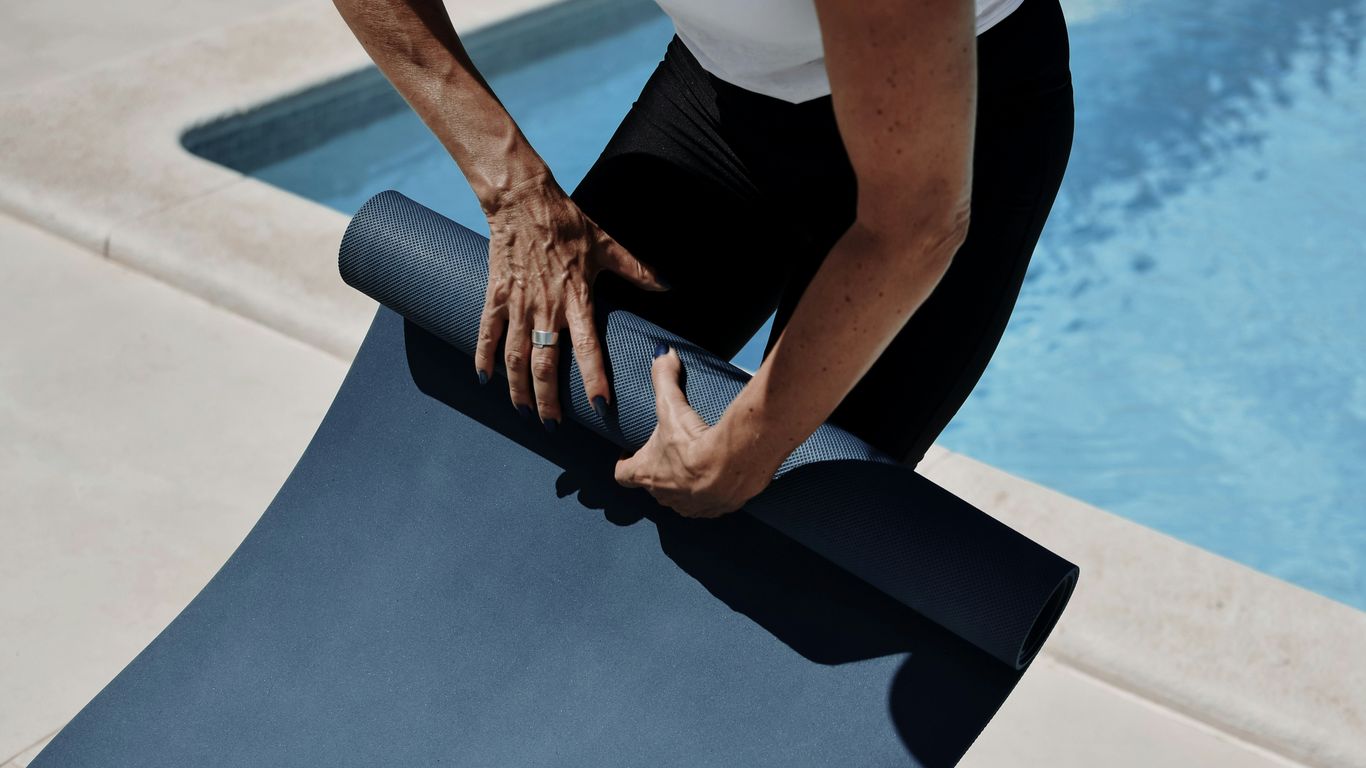
A store visit is valuable because you can examine details that online photos hide. Unroll the mat fully, walk around it, and look at both the top and underside. You are checking not just appearance but whether the mat behaves predictably when you move.
If the store allows testing, use a few familiar positions rather than performing an entire routine. A minute of careful inspection can reveal more than a polished product description.
Check the surface texture and traction
Run your hand across the top and notice whether it feels smooth, tacky, rough, or fabric-like. Place both palms down and shift forward slightly, then test one foot in a standing position. Traction should feel consistent across the mat, not strong only in the center or decorative areas.
Sweat can change how a surface behaves, so ask whether the mat is intended for heated or high-moisture practice. If you use a towel, check that the mat and towel will not slide against each other.
Look for even thickness and solid construction
Inspect the edges for clean cuts, loose layers, or signs of separation. Press several points across the mat to detect thin spots, soft pockets, or uneven density. A printed design should not distract you from checking the backing and corners.
Small cosmetic marks may not affect use, but structural flaws can worsen with rolling and unrolling. If something looks questionable, ask whether another unit is available for comparison.
Test whether the mat stays flat
Unroll the mat on a clean floor and give it time to relax. Curling corners can become a trip hazard and may interrupt transitions, especially in a small room. Reverse rolling may help some mats, but you should not have to fight the material every time you set up.
A good mat should make setup feel unremarkable, not become another part of the practice to manage.
Watch the edges after walking away and returning. If the mat remains mostly flat and the underside sits evenly, that is a reassuring practical sign.
Ask about warranties and return policies
Before paying, ask how long you have to return the mat, whether it must be unused, and what defects the warranty covers. A store may not accept a mat after it has been used, so clarify the policy before testing it beyond what staff permit. Keep the receipt and packaging until you are confident the mat works at home.
Return terms are especially useful when buying a material or thickness you have never tried. They turn an uncertain purchase into a more manageable decision.
Compare local prices and buying options
Local stores compete with online sellers on price, convenience, and the chance to test products. Compare the final cost, not just the headline number. Shipping, pickup timing, membership terms, and return costs can change which option is genuinely better for you.
Take a photo of the product label and note the exact model before comparing prices. Similar-looking mats may differ in thickness, dimensions, or material.
Evaluate sales, bundles, and membership discounts
A sale can be worthwhile when it applies to the mat you already chose, rather than pushing you toward an unsuitable model. Bundles may save money if you actually need the included towel, strap, or bag. Membership discounts deserve a closer look if they require a fee or expire quickly.
Ask whether the discount applies to pickup orders and whether the return policy changes for sale items. A small saving is less useful if it removes the flexibility you need.
Compare in-store pickup with online delivery
Pickup offers immediate possession and an opportunity to inspect the mat before leaving. Delivery may provide a wider selection and easier price comparison, but shipping costs and packaging can add expense. For a bulky or heavy mat, check how the seller handles damage claims and returns.
Choose the option that fits your schedule. Convenience has real value when it means you will begin using the mat rather than postponing the purchase.
Understand when a premium mat is worth the cost
A higher price can make sense when it addresses a clear need, such as improved traction, more reliable construction, or a weight that makes regular travel easier. It is less persuasive when the difference is mainly a pattern or a vague promise. Compare the features you will use every week.
The Yune Yoga Tofino Yoga Mat is described as a 6mm mat with traction that improves with heat, supportive cushioning, and a durable, portable design. Those are useful benchmarks for judging whether a premium option offers practical value for your practice.
Avoid common low-quality mat warning signs
Be wary of strong unexplained odors, peeling layers, uneven edges, vague material information, and surfaces that become slick during a basic hand test. Extremely low prices are not automatically bad, but they deserve a closer inspection. Also avoid buying a mat that is too small, too soft, or too heavy simply because it is marked down.
When two options seem similar, choose the one with clearer specifications and better after-sale support. Confidence usually comes from details, not from the loudest marketing language.
Choose and care for your new yoga mat
The right mat should fit both your body of practice and your actual routine. Think about where you will unroll it, how you will carry it, and how often you are willing to clean it. A practical choice is one that gets used consistently.
Before leaving the store or completing an online order, confirm the dimensions, care instructions, and return deadline. Save the product information somewhere easy to find.
Select the best size for your practice space
A standard length may be enough for most poses, but taller practitioners or people who move through broad floor sequences may appreciate extra room. Measure the space where you usually practice, including clearance around furniture. For travel, compare the rolled or folded dimensions with your luggage rather than guessing from the mat’s length alone.
A mat that fits your room encourages quick setup. If it blocks a doorway or cannot fit in your usual storage spot, it may become inconvenient despite feeling good underfoot.
Clean the mat according to its material
Follow the manufacturer’s care instructions, since different surfaces tolerate different cleaners. In general, wipe away sweat after practice, use a gentle approved solution when needed, and let the mat dry fully before rolling it. Avoid soaking a mat unless its instructions specifically allow it.
Clean hands and a clean floor also reduce buildup. Regular light care is usually easier than waiting until dirt and odor have become difficult to remove.
Store and transport it without damage
Roll the mat evenly and avoid crushing it under heavy items. Keep it away from prolonged heat and direct sunlight unless the care instructions say otherwise. A strap or bag can protect the surface during commutes, while a foldable travel design may fit more easily into luggage.
If you practice outdoors, shake off grit before rolling. Small particles can wear at the surface and make the mat harder to clean later.
Know when it is time to replace the mat
Replace a mat when the surface has become consistently slick, the cushioning is permanently compressed, or the backing is peeling. Tears and curled edges can affect stability and make setup frustrating. Odor that remains after proper cleaning is another reason to reconsider the mat.
Do not wait for a complete failure if the mat no longer supports your normal practice. A timely replacement can make each session simpler and safer to manage.
Conclusion
Finding a yoga mat near me does not have to mean choosing the first option on a shelf. Define your practice, compare materials and prices, test the mat in person when possible, and choose the design you can carry and care for regularly.
Frequently Asked Questions
How do I find a yoga mat store near me?
Search maps for local yoga studios, specialty fitness retailers, and stores that list mats for pickup. Call ahead to confirm the exact model and size are in stock.
What thickness is best for a yoga mat?
A medium thickness often balances cushioning and stability for general practice. Choose thinner for easier travel or thicker when floor comfort is your priority, then test for wobble.
Which yoga mat material has the best grip?
Grip depends on the specific texture, finish, and amount of moisture, not only the material. Test the mat with your palms and feet, and consider how it performs during your usual class style.
Are expensive yoga mats worth buying?
A premium mat can be worthwhile when it offers features you will use often, such as dependable traction, durable construction, or easier portability. Compare those practical benefits with the total cost.
How should I clean a yoga mat?
Use the cleaning method recommended for its material, usually involving a gentle approved solution and thorough air-drying. Avoid harsh chemicals or soaking unless the care instructions permit them.
Can I take a yoga mat on a plane?
You can travel with many mats, but check their packed dimensions and your airline’s baggage rules. Lightweight or foldable mats are generally easier to fit into luggage than bulky rolled designs.
When should I replace my yoga mat?
Replace it when it becomes persistently slippery, compressed, damaged, or difficult to clean. Curling edges and peeling backing are practical signs that the mat is no longer reliable.

