

How to crochet a durable yoga mat strap: A step-by-step guide
Key Takeaways
Creating your own handmade accessories allows you to customize the fit to your specific needs while ensuring top-tier durability. Follow these core principles to build a reliable solution for your yoga practice.
- Select high-quality cotton fibers for maximum structural integrity.
- Master tight tension techniques to prevent premature sagging.
- Use hardware for adjustable, secure carrying configurations.
- Implement non-stretch stitches to keep your mat held firmly.
- Follow specific care and finishing steps to extend accessory life.
1. Selecting the best yarn and materials for a yoga mat strap
Building a functional accessory requires choosing materials that can withstand daily use without thinning or snapping under pressure. Yune Yoga focuses on portability with its foldable mats, and a custom strap ensures your gear moves as easily as you do. When you approach your material selection, consider your project as a long-term investment in your mobility setup, much like how you might research a car shipping plan for safe heavy-gear transport. Using the right fiber ensures your finished item feels secure and holds up during gym commutes.
Choosing sturdy cotton yarns for strength
Cotton is the premier choice for this project due to its natural, non-elastic properties that maintain shape even under the tension of a rolled-up mat. Unlike acrylic, which may stretch significantly over time, unmercerized cotton offers a matte texture that grips surfaces effectively without losing consistency. It serves as a solid foundation for your yoga mat strap crochet pattern endeavors.
The importance of hook size for tight tension
Achieving structural density requires using a hook size that encourages a stiff, airtight stitch. A smaller hook relative to your yarn weight creates smaller gaps, preventing the strap from pulling apart under the weight of even the thickest workout equipment. Consistent tension means your strap stays uniform rather than looking loose or uneven.
Incorporating hardware like D-rings or sliders
Hardware additions allow for effortless adjustments, enabling you to tailor the size to different carrying preferences. While you might use a FNIRSI HS-02A Portable Soldering Iron for precision repairs on complex equipment, simply selecting quality metal or heavy-duty plastic D-rings is sufficient for this assembly. Proper hardware installation avoids soldering mistakes and ensures the strap remains functional even when you are on the move with your Yune Yoga gear.
2. Mastering essential stitches for durability
Selecting a stitch pattern that prevents elongation is critical when your primary goal is gear safety. A dense stitch structure acts as the chassis of your accessory, providing peace of mind as you head to the park or studio. Just as Environment Architecture systems rely on predictable structures to function without direct management, your stitch choices should naturally prevent deformation over time.
Using single crochet for a non-stretch finish
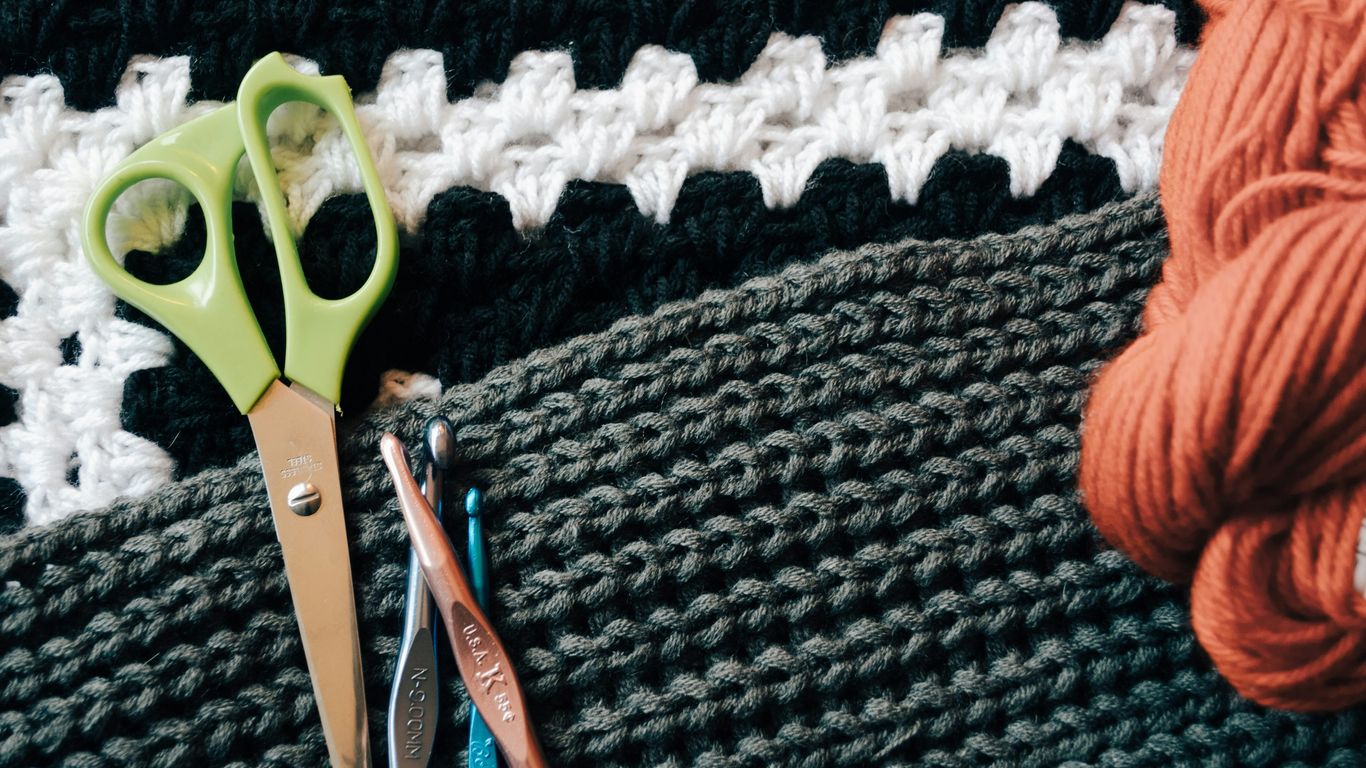
Single crochet is the workhorse stitch for items intended to carry weight because it is naturally square and stable. By working into the back bumps of your starting chain, you create a cleaner, sturdier foundation that resists twisting. This dense, simple stitch is the perfect baseline for a yoga mat holder that needs to maintain its shape indefinitely.
Implementing ribbed patterns for added grip
Ribbing adds vertical texture that helps the strap stay anchored on your shoulder rather than sliding off as you walk. This additional friction is helpful because it adds character to the strap while offering practical benefits. You can evaluate your stitch performance in the following table to ensure high durability.
| Stitch Type | Density Rating | Best Use Case |
|---|---|---|
| Single Crochet | High | Main structural band |
| Half Double | Medium | Decorative accents |
| Slip Stitch Rib | Maximum | Secure shoulder grip |
These patterns provide a reliable structure that balances strength with a custom look. Once you find the right weight, you can confidently build a yoga mat bag or strap that outlasts store-bought alternatives.
Creating reinforced edges to prevent curling
Adding a border sequence ensures that the longitudinal edges do not flare outward when exposed to stress. Working a simple reverse single crochet or a series to thicken the sides will protect the integrity of your material. This is how you build longevity into every single handmade item you create.
3. Determining the perfect dimensions
Finding the right length and width is all about personal mechanics and how you prefer to carry your mat. A strap that is either too long or too wide can become cumbersome, while a perfectly measured one keeps your hands free when you need to grab your glass meal prep containers after a workout. Always measure your rolled storage diameter before finalizing your path.
Calculating the ideal strap length for your height
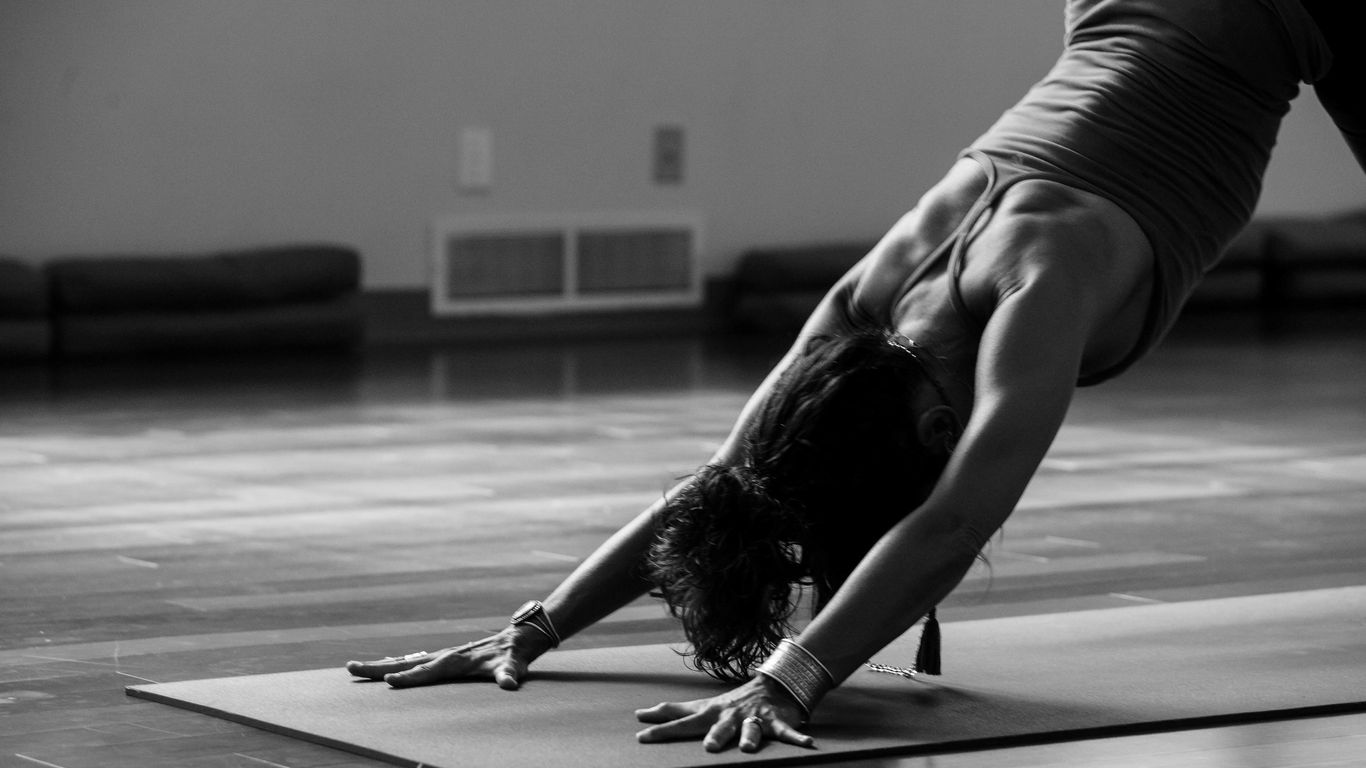
Height plays a major role in how a strap hangs against your body, so custom measurement is superior to generic patterns. Consider how you will use this accessory in your daily routine. Here are a few measurement tips for a better fit:
- Measure your preferred hanging position in front of a mirror.
- Add extra inches to account for the loop-and-cinch knot space.
- Account for your winter coat thickness if you practice year-round.
This simple process ensures that your finished strap feels like a natural part of your routine. Getting the math right the first time saves you the trouble of redoing the work later.
Adjusting width to distribute mat weight
Width serves a specific purpose in distributing pressure across your shoulder, which is vital for heavier rubber mats. A slightly wider band helps mitigate digging into your trapezius over long distances. Using a sustainable yoga mat bag strategy often involves balancing this weight distribution with overall portability.
Creating a custom loop-and-cinch system
A loop-and-cinch system allows the strap to tighten as you pull, keeping the roll secure without the need for complex fasteners. By creating a circle at each end, you effectively turn the rope into a dynamic tensioner that reacts to the mass of the item. It is a brilliant way to keep your Yune Yoga mat neatly secured throughout the day.
4. Adding functional design features
Practicality is the signature of a professional-grade accessory. Adding small, intentional details can transform a standard strap into a versatile tool for your practice. Consider how these additions influence your workflow and storage speed.
Designing adjustable sliding straps
Sliding mechanisms allow for quick transitions between a shoulder carry and a cross-body style. This functionality means you can quickly toss your mat onto your back when you have a long walk ahead. It is a great way to maintain the Yune Yoga commitment to convenient, hassle-free transport.
Adding decorative textures without sacrificing function
Textures like bobbles or cables add aesthetic appeal while providing subtle tactile grip on the mat's surface. However, always prioritize placement; avoid putting bulky texture points exactly where the strap meets your shoulder, as this creates uneven pressure over time. Keep the decorative elements toward the ends where they are visible but not obstructive.
Attaching additional pockets for gym essentials
Small, integrated zip pouches or envelope-style pockets can hold your phone, keys, or a small snack. This turns your strap from a single-purpose item into a minimalist carry solution. Just ensure the pockets are oriented so items do not spill out when the strap is hanging vertically.
5. Finishing and cleaning tips for handmade accessories
Proper finishing ensures that your work stays pristine regardless of how often you use it. Taking an extra moment to secure your connections prevents the unraveling that often happens with high-friction handmade gear. Treat your finishing work with as much care as your initial stitch count to guarantee a professional look.
Techniques for securing ends to prevent unraveling
Weaving ends through multiple stitches in different directions creates a mechanical lock that simple knots cannot match. If you are using cotton, consider splitting the plies of the yarn to weave them individually, which makes the join effectively invisible. A well-finished end ensures the structure stays sound for years.
How to safely wash your crochet strap
Hand-washing is usually the safest route to prevent the structural distortion that occurs in a heavy-duty washing machine. Soak your accessory in cool water with a gentle detergent for about fifteen minutes, then rinse without twisting. Lay it flat to dry on a clean towel, reshaping it during the process to ensure it stays aligned.
Preventing stretching and wear over time
Avoiding hanging store-bought mat storage solutions that pull on the fabric will keep your item in shape longer. Periodically checking the stress points for loose fibers allows you to perform minor maintenance before they turn into larger problems. Consistent care keeps your gear ready for your next session.
Conclusion
Building your own yoga mat strap is a rewarding way to marry practical utility with your unique personal style, resulting in a durable piece of equipment that is perfectly suited to your body and your mat. By focusing on non-stretch materials, proper dimensions, and thoughtful design features, you create an accessory that enhances your daily practice and reflects your careful attention to quality. Enjoy the functional artistry of your new crochet creation as you travel to your next class confident in your setup.
Frequently Asked Questions
What weight of yarn is best for a durable strap?
Worsted weight or Aran cotton yarn is generally ideal because it provides the right amount of density without becoming overly stiff or difficult to handle with a small hook.
Can I use acrylic yarn instead of cotton?
You can use acrylic, but be aware that it tends to stretch significantly over time under the weight of a yoga mat, which may leave you with a strap that is too long.
How do I stop my crochet fabric from twisting?
Working your first row into the back bumps of the foundation chain instead of the top loops helps the fabric remain flatter and more stable from the very beginning.
Is it possible to add a shoulder pad?
Yes, you can easily crochet a separate rectangular piece and fold it over the shoulder section of your strap, securing it with a few stitches to create a comfortable, padded area.
How many strands should I hold at once for extra strength?
Holding two strands of yarn together throughout the project is a very common technique to instantly double the structural integrity and thickness of your strap.
What is the advantage of a D-ring over a simple knot?
Using D-rings or hardware offers a much faster, easier way to adjust the length and tighten or loosen the strap, making it more practical for frequent use.
How often should I wash my handmade yoga strap?
Wash your strap whenever it is visibly soiled or begins to show signs of sweat accumulation, ensuring you dry it completely flat to maintain its intended shape.

