
Everything you need to know about starting a dance yoga workout routine
Key Takeaways
Starting a dance yoga workout requires a balance between creative expression and thoughtful preparation. By focusing on your environment and gear, you can build a sustainable practice that keeps you moving with ease anywhere you go.
- Cultivate a rhythmic flow by combining structured yoga poses with fluid movement.
- Invest in portable gear to facilitate practice in varied environments like parks or hotel rooms.
- Maintain focus on proper alignment even when your pace increases during the routine.
- Use props to provide stability and support throughout your transitions.
- Prioritize recovery by utilizing accessories that keep you dry and comfortable.
Understanding the dance yoga approach
Defining the fusion of fluid movement and mindfulness
Dance yoga represents a unique blend of traditional posture work and expressive movement set to music. Instead of holding static positions for long durations, you lean into a sequence that mimics a natural rhythm, allowing your breath to guide your body through shifts in weight and direction. The goal is to create a sense of cohesion where the mind remains present while the physical form stays in constant, gentle motion.
Historical roots and modern adaptations
While traditional practices emphasize discipline and breath, contemporary interpretations often incorporate global musical influences to enliven the experience. Practitioners like those exploring Let Your Yoga Dance® find that integrating world rhythms transforms the session into a celebration of spirit. This evolution allows teachers to expand your teaching toolkit, reaching new populations by turning serious practice into a more upbeat, accessible format.
Comparing physical and mental health benefits
Engaging in movement-heavy routines helps build cardiovascular endurance while keeping the mind centered. These practices often lead to increased flexibility and overall muscle conditioning, serving as an effective way to improve physical resilience. The mental contrast is equally notable, as the combined focus on a rhythmic flow and ballet-inspired yoga helps clear the mind from daily stresses without requiring complex meditation rituals.
Essential gear for successful practice
Choosing breathable and flexible activewear
To move freely, your clothing should accommodate a full range of motion without restricting your joints. High-quality, moisture-wicking fabrics are ideal for sessions that may ramp up in intensity. Choosing gear that moves with you helps maintain your focus on the sequence rather than readjusting your clothes during a transition.
The importance of proper grip for transition-heavy movements
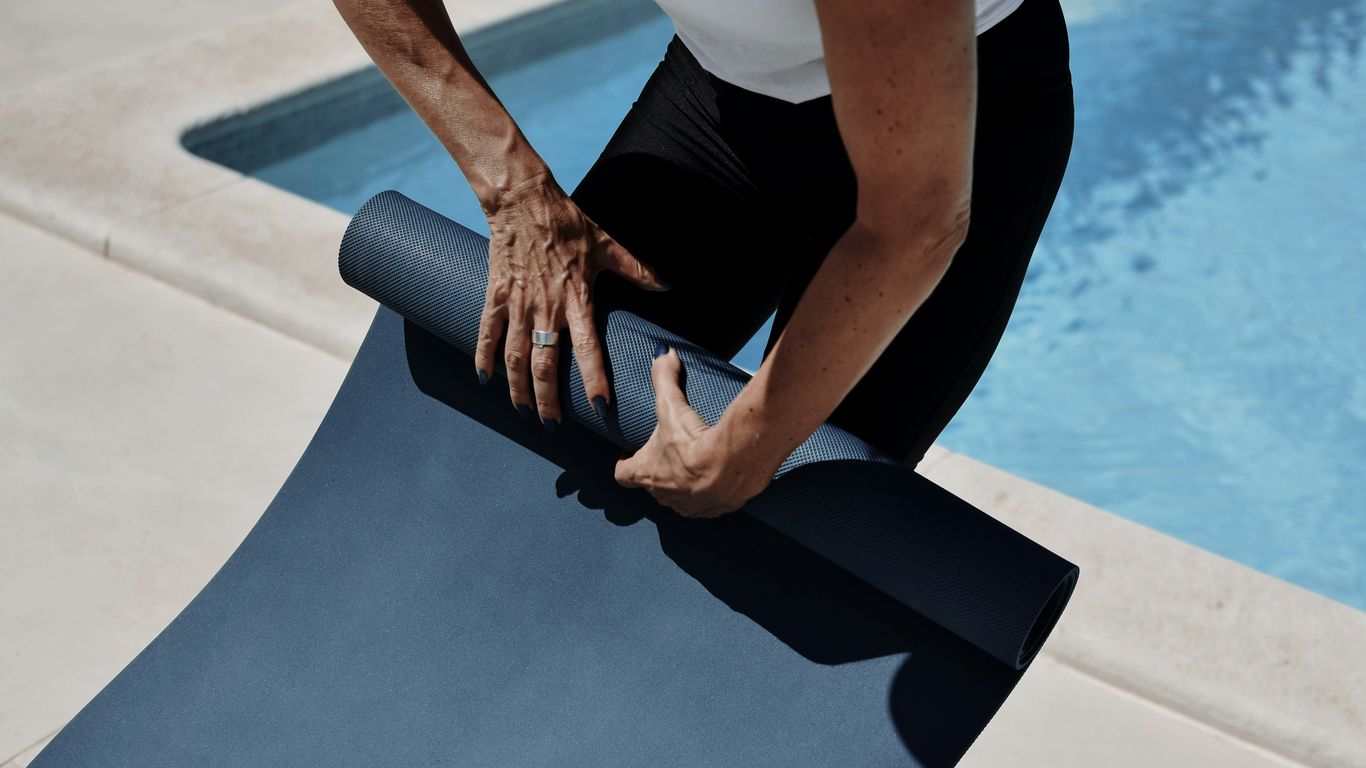
Flowing through a routine requires stability, especially when you are rotating quickly on your mat. Our Yune Yoga foldable travel mats are designed to provide the necessary traction for these movements, ensuring your hands and feet stay secure even when the session becomes dynamic. By reducing slips, you gain the confidence to explore new transitions without worrying about losing your footing.
Utilizing props for added resistance or stability
Props are valuable tools for refining your posture and safely reaching new ranges of motion. Incorporating Yune Yoga durable yoga straps allows you to maintain tension during deep stretches, providing a stable anchor that supports you as you practice. Using these accessories helps bridge the gap between where your current flexibility stands and where you wish to go during your car shipping process or while traveling.
Core techniques and flow patterns
Syncing vinyasa flow with rhythmic musical patterns
Listen to the beat of your chosen soundtrack and let it dictate the cadence of your transitions. When you synchronize your movement to the music, the flow feels more natural and less like a physical drill. If you need some inspiration, Yoga Dance Workout by Daisy Hayes provides a steady, rhythmic background that is well-suited for keeping time during your session.
Maintaining postural integrity during fast-paced movements
Even when speeding up, it is essential to keep your spine lengthened and your core engaged. Maintaining perfect form in motion prevents unnecessary strain on your muscles and joints. Focus on keeping your movements deliberate, ensuring that every transition is an extension of the previous pose rather than a sudden jump.
Connecting conscious breath work to varying movement speeds
Your breath serves as the bridge between your physical effort and your state of mind. During slower segments, aim for deep, rhythmic inhalations, and as your speed picks up, shift toward shorter, sharper exhales to match. This connection ensures you remain oxygenated and alert, preventing exhaustion during the most intense parts of your routine.
Building an effective dance yoga workout sequence
Designing dynamic warm-up routines through rhythmic stretching
Begin your session by moving joints through small, gentle ranges of motion that eventually grow into larger arm and leg sweeps. Warming up with rhythmic movement prepares your body for the cardio-heavy parts of your routine while lubricating the joints. A well-planned sequence typically follows a specific intensity hierarchy:
| Phase | Focus | Duration |
|---|---|---|
| Warm-up | Joint mobility | 5-10 minutes |
| Power Flow | Cardio and intensity | 15-20 minutes |
| Cooldown | Stretching and recovery | 5-10 minutes |
Structuring the high-intensity flow phase for cardio impact
Once you are warm, transition into a faster sequence that elevates your heart rate. You might look for ways to take flight with this workout by incorporating jumps, turns, or extended holds that build heat in the core muscles. During this phase, consider the following checklist to keep the session impactful:
- Alternate between upper and lower body movements for a balanced burn.
- Incorporate short, intense bursts of movement followed by brief moments of active recovery.
- Focus on large muscle groups to maximize calorie expenditure.
- Ensure your transitions are smooth to keep your heart rate consistent.
Cooling down with focused yoga poses to lower heart rate
After the hardest part of your flow, transition into slower, grounded movements that allow your breathing to return to normal. Use this time to notice how your body feels after the exertion, ensuring that your muscles are properly lengthened and settled. Incorporate poses like a gentle forward fold or a seated twist to finish your time on the mat.
Adapting the practice for different fitness levels
Scaling intensity for beginners focusing on basic movement
If you are new to this style, prioritize the rhythm over the complexity of the poses. Keep your hand and foot placement simple and focus on just feeling the music. As you get more comfortable, you can add arm gestures or turn sequences to challenge your coordination.
Modifying poses for limited mobility or injury prevention
Always listen to your body and adjust the depth of your poses to match your current physical needs. If a specific movement feels sharp or uncomfortable, shorten your range of motion or skip that part of the flow entirely. Consistency is more important than achieving a specific aesthetic pose, so work at a pace that respects your limitations.
Progressing to advanced choreographic flow challenges
Once you have mastered the basics, layering in more complex choreography can keep your workouts engaging. This is the stage where you might experiment with linking multiple flows together without pausing, effectively turning your session into a total dance-based endurance workout. Challenge yourself by memorizing patterns to improve your mind-body connection.
Safety tips and injury prevention
Recognizing the difference between muscle fatigue and joint pain
It is common to feel your muscles tiring out as you build strength, but sharp sensations in your joints indicate that something is wrong. If you experience discomfort, pause immediately and assess your alignment. Pushing through joint pain is not recommended and can lead to long-term issues that set your progress back.
Maintaining proper alignment while in motion
Even during the most fluid transitions, guard your wrists, shoulders, and knees by keeping them stacked where possible. Focusing on your baseline foundation keeps your skeletal structures protected while your muscles do the work of holding your weight. When you feel yourself losing stability, return to a slower speed to recalibrate your form.
Prioritizing recovery and hydration after high-movement sessions
Recovery starts the moment you finish your last pose. Keep your Yune Yoga absorbent yoga towels nearby to wipe down after a sweat-filled session, ensuring you stay dry and comfortable while you transition to cooling down. Hydrate consistently throughout your day, and give yourself adequate rest days to allow your body to rebuild its energy stores.
Conclusion
Starting a dance yoga workout is a path to finding more joy and physical freedom in your daily routine. By focusing on your foundations, using the right gear, and respecting your limits, you can turn every session into a sustainable and rewarding endeavor. Stay playful, consistent, and look forward to the feeling of moving your body with both energy and grace.
Frequently Asked Questions
Do I need to be a skilled dancer to start dance yoga?
Not at all. The practice focuses on your own personal expression and movement health, so no formal dance training is needed to start effectively.
How many times a week should I practice?
Consistency beats intensity, so starting with two or three sessions a week is a great way to build the habit without overwhelming your body.
Can I do dance yoga in a small space?
Absolutely. As long as you have enough room to extend your arms and legs away from your center, a modest hotel room or living room area is perfect.
What music is best for these routines?
Any music that makes you feel uplifted and matches the rhythm you want to work at is suitable, from upbeat world music to rhythmic electronic tracks.
Should I eat before doing a dance yoga workout?
It is generally best to have a light snack at least an hour before you practice so you have enough fuel without feeling heavy while you move.
How does this differ from traditional hatha yoga?
Dance yoga prioritizes constant motion and flow rather than holding poses, focusing on building cardiovascular stamina and coordination during the sequence.
Can I practice if I have an existing injury?
Yes, by modifying your poses to avoid the affected area and working with a professional, you can tailor the flow to be safe and helpful for your condition.

