

How to choose yoga mat bags for your practice
Key Takeaways
A good yoga mat bag makes getting to practice simpler without making your setup feel bulky. Start with your mat’s rolled measurements, then choose the style and features that fit the way you travel.
- Measure your rolled mat before choosing a bag.
- Match the opening and overall shape to how you like to pack.
- Consider fabric, seams, closures, and ventilation together.
- Choose pockets and straps based on what you actually carry.
- Let your usual commute, travel, and care routine guide the final choice.
Compare yoga mat bag styles
Yoga mat bags range from simple carriers to roomy designs that enclose the mat and leave space for other gear. The best style depends on how much you carry and how quickly you want to pack up. Think about where the bag will sit during your commute, too. A few mat-bag style ideas can help you see how varied the balance of shape and storage can be.
Full-zip bags for enclosed storage
A full-zip bag surrounds most or all of the rolled mat, which can make it easier to keep the mat together with small essentials. Look for an opening wide enough to load your mat without forcing it, and consider whether the zipper runs along the length or around one end. These details affect how naturally the bag fits into your routine. A useful comparison is how each shape manages access as well as coverage:
| Style | How the mat is held | What to consider |
|---|---|---|
| Full-zip bag | Mostly enclosed | Opening width and zipper length |
| Sling carrier | Held by straps or loops | How securely it stays in place |
| Tote-style bag | Placed inside an open bag | Space for other gear and loose items |
The table is a starting point rather than a rule: individual designs vary. If you prefer to keep accessories together with your mat, an enclosed bag may feel tidy; if speed matters most, a simpler carrier may be easier to manage.
Sling carriers for quick trips
A sling keeps the setup straightforward: secure the rolled mat, put the strap over your shoulder, and go. Its open design usually means less fuss when loading, though the mat and any add-ons remain more exposed than they would in an enclosed bag. Check how the strap adjusts and whether the carrier sits comfortably when you walk. A yoga mat strap is another simple way to carry a mat when you do not need a larger bag.
Tote-style bags for extra gear
A tote-style carrier can be a good fit if you bring a change of clothes, a towel, or other session essentials along with your mat. Its wider opening makes it easy to add items, but an open top may not keep everything in place as securely as a zipped design. Consider whether you want a dedicated mat sleeve or a single main compartment. A few travel-friendly carrier options can offer further inspiration for carrying a practice setup between locations.
Find the right size and fit
A bag that looks spacious online may still be awkward with your actual mat, so begin with measurements rather than appearance. Check the rolled mat’s length and circumference, then compare those figures with the bag’s usable dimensions. Allow a little room for easy loading, without choosing so much extra space that the mat shifts around. That small check can make the difference between a bag you reach for and one that stays at home.
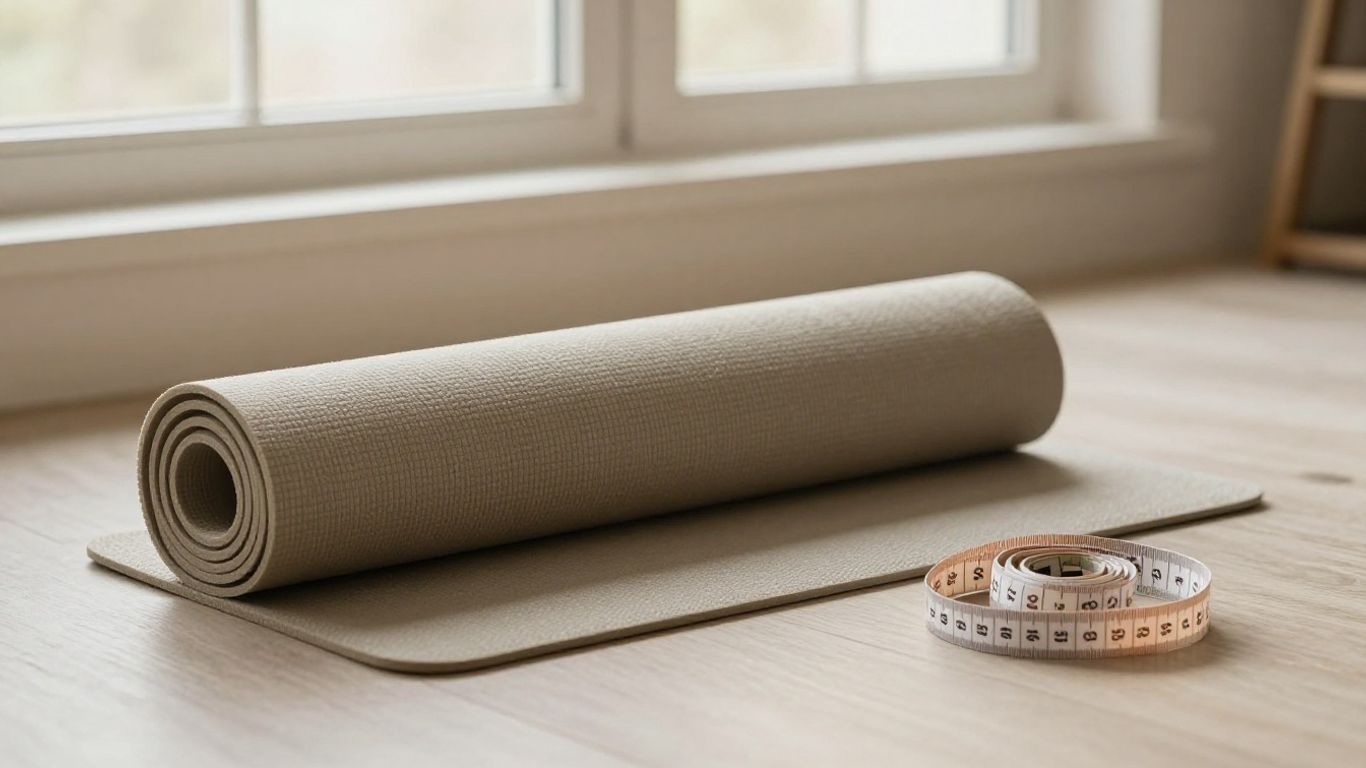
Measure your mat when rolled
Roll your mat as tightly as you normally would and measure its length and circumference. Mats vary in thickness, and the way you roll one can change how much room it takes up. Check a bag’s listed dimensions carefully, especially if the product gives only a general size description. If your mat is an unusual length or thickness, compare its measurements with the bag before buying rather than assuming a standard fit.
Check capacity for towels and accessories
Think about the extras you actually bring: a towel, water bottle, keys, or a change of clothes. A bag can fit the mat perfectly and still feel cramped once those items are added. Yune Yoga offers absorbent yoga towels, so if one is part of your practice, account for its space when considering capacity. For broader gear planning, the same principle of sizing around real use applies to caravan battery capacity, though a mat bag of course calls for a much simpler calculation.
Consider adjustable straps and carrying comfort
A comfortable fit depends on more than the bag’s interior. Check whether its strap adjusts to sit at a natural height, and consider how the weight feels when the bag is full. If you walk or take transit, small differences in strap placement can become noticeable over time. A useful checklist can keep the decision grounded in your routine:
- Check that the strap length suits your height and preferred carry.
- Consider how the bag sits when the mat is inside.
- Test whether the weight feels balanced on one shoulder.
- Leave room for the small items you regularly bring.
Use these points to compare a few options rather than choosing by appearance alone. A bag that carries comfortably when loaded is more likely to become part of your regular practice.
Choose materials and construction
Fabric affects the feel, weight, and upkeep of a yoga mat bag. A sturdy-looking material is only part of the picture; seams, closures, and the way the bag handles damp gear matter, too. Consider where you will use it and how often you expect to wash it. Then compare the whole construction, not just the fabric name on a product label.
Compare cotton, canvas, nylon, and recycled fabrics
Cotton and canvas often have a more natural, structured feel, while nylon is commonly chosen for a lighter, smoother finish. Recycled fabrics may appeal if you are looking for an option made with reused material; check the product details for the specific fabric and care guidance. Weight and texture can vary even within the same category. If you are also comparing other soft, packable items, this guide to sauna robe materials offers a separate example of how fabric choices shape feel and care.
Look for durable seams and reliable closures
Inspect the points that take repeated strain: strap attachments, corners, and the area around the opening. Stitching should look even, and the closure should move without catching or feeling loose. A zipper can help keep contents together, while a drawstring offers a different kind of access; neither is automatically better for every routine. Choose the closure you can use easily when you are packing in a hurry.
Balance breathability with weather resistance
A breathable design may help a bag air out after use, while a more weather-resistant outer fabric can be useful when you walk in light rain. Those qualities do not always come together, so decide which matters more for your typical commute. Ventilation openings, lining, and the way a bag closes all affect how it handles a damp mat. Check care instructions, too, so the material you choose is practical to maintain.
Evaluate useful features
Small design details are worthwhile when they solve a real packing problem. A pocket can keep keys separate, and a more open construction may make it easier for a bag to air out after class. But extra features can add bulk or make the bag harder to clean. Start with the items you carry most often, then look for features that support those habits.
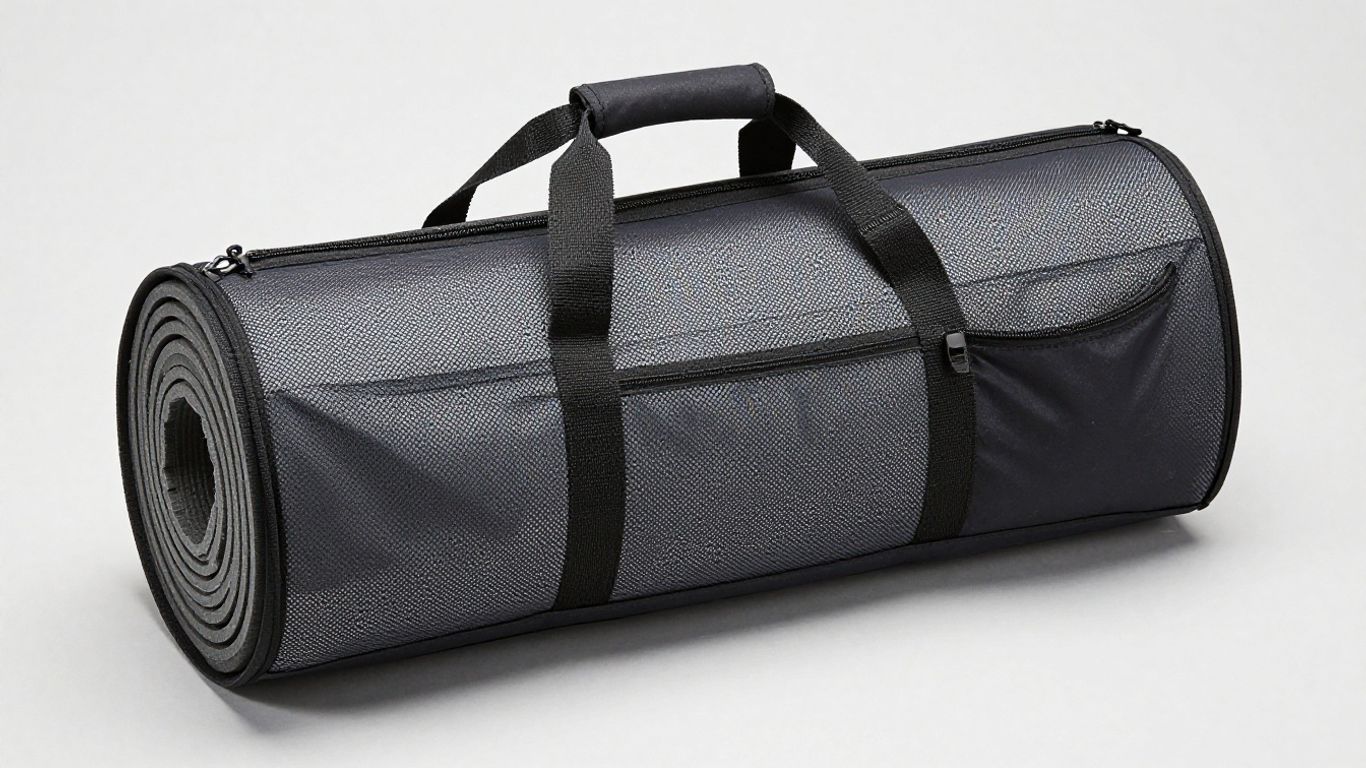
Use exterior pockets for small essentials
An exterior pocket gives you quick access to items such as keys or a transit card without opening the main compartment. Check that it closes securely if you will be walking or cycling, and make sure it is large enough for the items you intend to carry. Some bags offer interior pockets instead, which can keep small objects from moving around. A pocket is useful when it has a clear purpose, not simply because it adds another compartment.
Check for ventilation to manage moisture
If you roll up a mat soon after practice, some airflow can help the bag dry between uses. Look for mesh panels, open ends, or other ventilation details, while remembering that a very open design may offer less protection from rain or dust. The best balance depends on whether you usually air out your mat before packing. If you often carry damp gear, make drying time part of the routine rather than relying on the bag alone.
Consider padded straps and multiple carry options
Padding can make a loaded bag feel more comfortable over the shoulder, particularly if your walk to class is longer. Some designs also offer a hand-carry option, which can be handy when you are moving through a crowded space. Try to picture the bag in the places you actually use it: on a shoulder, in a locker, or tucked beside a seat. Those practical details matter more than a feature list that looks impressive but goes unused.
Match a bag to your routine
The right carrier depends on where your practice happens and what you bring along. Someone walking a few blocks to a studio may want a light, easy-to-grab option, while a longer day away from home calls for more room. Travel adds another constraint: the bag should fit into the rest of your luggage without becoming a separate burden. For more yoga mat bag selection tips, compare size, storage, and comfort against your own routine.
Choose a lightweight carrier for studio commutes
For a short commute, a lightweight sling or simple carrier can be enough if you carry only your mat and a few essentials. Check that it holds the mat steadily and that the strap feels comfortable while walking. A foldable mat can also suit people who want a portable setup: Yune Yoga offers foldable travel mats designed to make practicing in different places convenient. A yoga mat size guide can also help you think through mat dimensions before settling on a carrier.
Look for extra storage for longer sessions
If you go from work to class or stay out for several hours, extra capacity may be more useful than the lightest possible design. Look for a main compartment that can accommodate your usual add-ons, plus a secure place for small essentials. Yune Yoga also offers durable yoga straps, which may be part of the gear you bring to practice; account for those and any other regular items when comparing bag capacity. Keep the contents realistic, so you do not end up carrying space you never use.
Prioritize compact designs for travel
When a bag is joining luggage, think about how it packs when empty as well as how it carries a rolled mat. A slim profile may fit more easily into a car or suitcase, while a larger tote could be convenient if you plan to carry additional gear. Yune Yoga’s foldable travel mats are designed for portability, which can make them a useful consideration when planning a practice away from home. For related personal-care routines on a trip, a guide to choosing a skin serum is a separate matter, but it also points to the value of packing only what suits your needs.
Care for your yoga mat bag
A little routine care helps keep a bag pleasant to use and makes wear easier to spot. Empty it after practice, shake out dust, and check the care label before washing. Give damp gear a chance to air out rather than leaving it packed away. If you are unsure how to clean a particular fabric, follow the maker’s instructions instead of guessing.
Follow fabric-specific washing instructions
Cleaning methods vary with the fabric, lining, and closures. Some bags may be suitable for gentle machine washing, while others need spot cleaning or hand washing; use the care label as your guide. Empty every pocket first and close zippers or fasteners before washing if the instructions recommend it. A small test on an inconspicuous area can help you avoid surprises when spot-cleaning.
Dry the bag fully between uses
After cleaning or carrying damp gear, open the bag fully and let it dry in a well-ventilated place. Avoid putting it away while the lining or pocket corners still feel damp. Direct heat may affect some materials, so check the label before using a dryer or placing the bag near a heater. If it is sunny outside, a shaded spot can provide airflow without leaving the fabric in harsh sun for too long.
Inspect closures, seams, and straps for wear
Every so often, check the zipper, stitching, and strap attachments for loose threads or signs of strain. Deal with small snags before they turn into a larger tear, and stop carrying a heavily loaded bag if a strap is coming loose. These quick checks take little time and can tell you when a repair or replacement is sensible. Keeping an eye on basic details is useful in other routines, too, such as checking health markers as part of a separate health assessment.
Conclusion
Choosing among yoga mat bags is mostly a matter of matching dimensions, carrying style, and useful details to the way you practice. Measure your rolled mat, be honest about how much gear you bring, and choose materials and features you can care for easily. A comfortable, practical bag can make it that little bit easier to take your practice with you.
Frequently Asked Questions
How do I know what size yoga mat bag to buy?
Measure your mat when it is rolled, including its length and circumference, then compare those measurements with the bag’s usable dimensions. Leave a little extra room so you can load it without forcing the fit.
Is a sling or a full-zip yoga mat bag better?
A sling is simple and quick to use, while a full-zip bag encloses more of the mat and may keep accessories together. Choose based on how much protection, storage, and ease of access you want.
Can I carry a towel and other gear in a yoga mat bag?
Many bags have room for small extras, but capacity differs by style and size. Check the dimensions and pocket layout if you regularly bring a towel, clothes, or personal items.
What material should I choose for a yoga mat bag?
Compare cotton, canvas, nylon, and recycled fabrics by weight, feel, care requirements, and the conditions in which you will use the bag. Product details can clarify the exact fabric and washing instructions.
Do yoga mat bags need ventilation?
Ventilation can help a bag air out when a mat is packed soon after practice. If you often carry a damp mat, look for breathable details and make time to dry the bag fully between uses.
How should I clean a yoga mat bag?
Follow the care label because washing methods depend on the bag’s materials and construction. Empty the pockets, clean as directed, and let the bag dry completely before storing it.
What should I look for in a yoga mat bag for travel?
Consider how much space the bag takes up, whether it fits your mat, and if it can carry your usual essentials. A compact design may be easier to pack, while a larger one can suit trips where you need extra storage.

