

How to choose the right yoga mat with cover for your practice
Key Takeaways
A yoga mat with cover can make a portable practice easier to manage, but the mat and its cover need to suit the way you actually move. Focus on fit, grip, cleaning, and the conditions where you will use it.
- Choose material and thickness around your comfort and stability needs.
- Look for a cover that protects the mat without making it awkward to carry.
- Match grip, cushioning, and moisture resistance to your practice style.
- Check dimensions, seams, closures, and cleaning instructions before buying.
- Compare the complete lifespan and usefulness of a set, not just its price.
Understand the benefits of a yoga mat with cover
A cover is a small addition, but it can change how often a mat gets used outside the home. It keeps the rolled mat together, gives you a cleaner way to carry it, and can reduce the wear caused by floors, car trunks, and outdoor surfaces. The best choice depends on whether your priority is everyday studio transport, outdoor practice, or compact travel.
Easier storage and transport
A cover helps a rolled mat stay compact between sessions, especially when it includes a handle or shoulder strap. It also gives you something substantial to hold instead of gripping the mat itself, which is useful when walking to class or carrying several items. For frequent travelers, thin, light equipment may matter more than extra padding; a portable mat should fit naturally into the rest of your luggage rather than becoming a separate burden.
Protection from dirt, moisture, and wear
A cover creates a barrier between the mat and the surfaces it touches while being moved or stored. That is particularly useful after practicing in a park, on a beach, or beside a campsite, where grit and damp ground can cling to the outside of a rolled mat. For outdoor use, the ReYoga Mat Cover is described as foldable, washable, tear-resistant, and recyclable, with protection from grass, dirt, humidity, and scratches; its source also cautions against using it on smooth surfaces because it may slip.
Better hygiene for shared and outdoor spaces
A cover cannot replace cleaning, but it can keep the mat from picking up as much debris between sessions. In a shared studio, carry the covered mat until you are ready to unroll it, then clean the practice surface according to the maker’s instructions. For a sweaty practice, a separate towel may be more appropriate than a cover: the Enro Antimicrobial Yoga Mat Towel is described as an ultra-absorbent microfiber towel with a silicon anti-slip grid and an anchoring system.
When a separate mat bag may be more practical
A dedicated bag makes sense when you want a fully enclosed carrier, extra pockets, or room for a towel and clothing. It may also be the better option for a thick mat that will not fit comfortably in a close-fitting sleeve. If the mat and cover are sold separately, check whether the carrier is sized for the rolled diameter rather than only the mat’s length and width.
Choose the right mat material and thickness
The cover is only half of the decision. The mat underneath determines how your hands and feet feel against the floor, how easily it rolls, and how much space it takes in a bag. Start by thinking about your normal practice surface and the positions that tend to feel uncomfortable, then compare materials with those needs in mind.
Comparing PVC, TPE, rubber, and natural materials
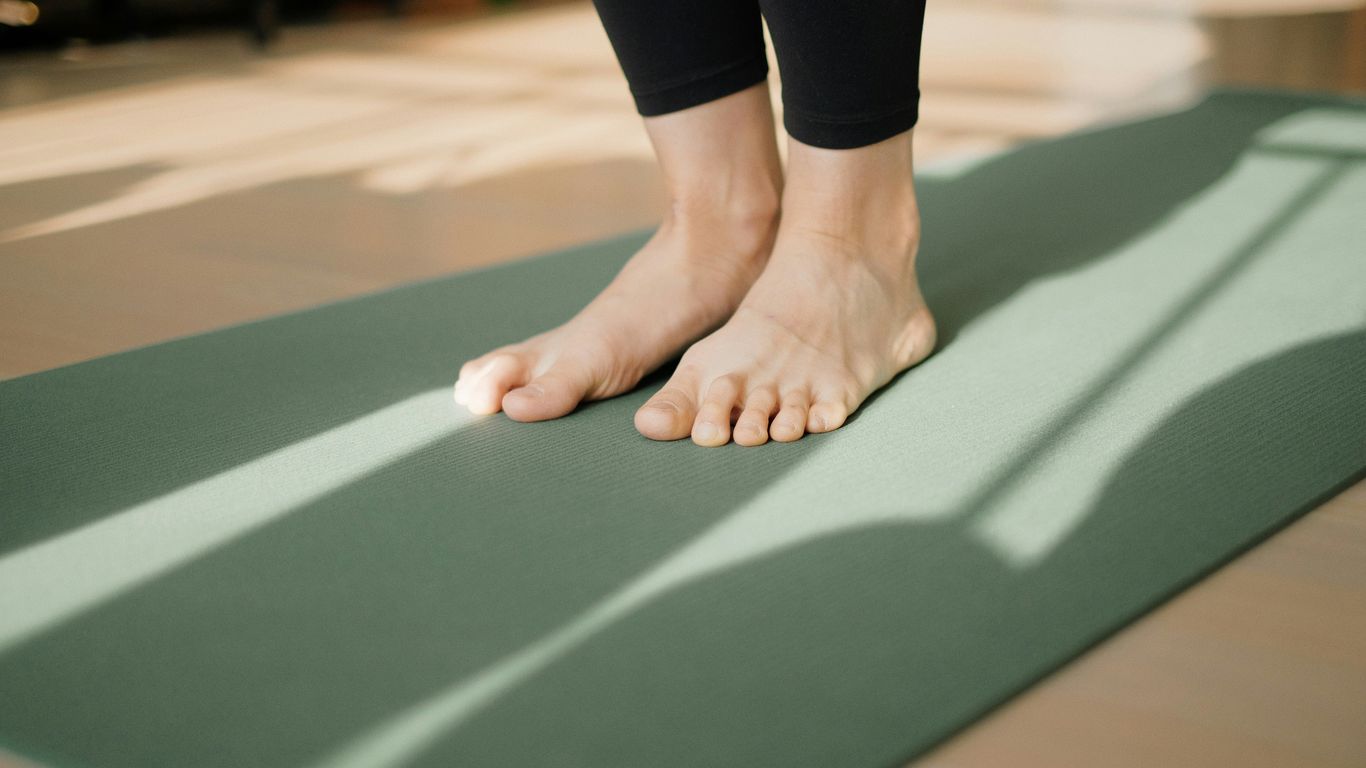
PVC, TPE, rubber, and other natural materials can differ in texture, smell, weight, and cleaning requirements. Rather than treating one material as universally best, consider whether you need a very light travel mat, a pronounced surface texture, or a softer feel under the knees. Also check the product description for latex, phthalates, and other materials you may need to avoid; for example, the Camo 4 6mm Non-Slip Yoga Mat is described as made from PER and latex- and phthalate-free.
Selecting thickness for comfort and stability
Thicker mats generally offer more cushioning, while thinner mats tend to preserve a closer connection with the floor and pack more easily. Too much softness can make standing poses and transitions feel less steady, especially if the surface compresses under your feet. A 6mm mat is a common middle ground, but your preferred thickness should reflect your joints, balance work, and available storage rather than a number alone.
Balancing cushioning with portability
If you travel often, every extra layer has a practical cost. A lightweight mat that folds or rolls neatly may be used more consistently than a heavier one that stays at home. When comparing options, look at the mat’s rolled diameter, total weight, and whether the cover adds bulk; easy everyday carrying is often more valuable than padding you rarely need.
Considering allergies, odor, and environmental impact
Material labels deserve a close read, particularly if you are sensitive to latex or strong odors. Ventilate a new mat before its first long session and follow the care instructions instead of applying household cleaners at random. Sustainability claims also need context: the greenwashing guide offers a useful reminder to check vague language, certifications, reports, and hidden trade-offs rather than relying on attractive imagery alone.
Evaluate the cover design
Covers vary from nearly weightless fabric protectors to structured bags that function like everyday luggage. Consider how you will carry the mat, where it will be stored, and whether the cover needs to protect it during wet commutes or only keep dust off at home. A simple design is often easier to live with, provided it fits securely.
Full-coverage sleeves versus simple straps
A full sleeve protects more of the rolled mat and is useful when the mat will be placed on dirty floors or transported outdoors. A strap is lighter and quicker to use, but it leaves the mat more exposed and may not prevent the roll from loosening. Look at the conditions you encounter most often instead of paying for coverage you will not use.
Zippers, drawstrings, handles, and shoulder straps
Closures should be easy to operate with one hand and strong enough to withstand repeated loading. A zipper gives a secure enclosure, while a drawstring can reduce weight and accommodate small differences in roll size. Handles suit short walks; shoulder straps are more comfortable for longer journeys, especially when the mat is carried alongside a backpack.
Breathable and water-resistant fabric options
Breathable fabric can help a mat dry after practice, while water-resistant fabric offers more protection during a rainy commute. These qualities can conflict, so check whether the cover is intended to repel light moisture or fully shield the contents from rain. Avoid sealing a damp mat inside any cover for long periods, regardless of the fabric claim.
Removable covers for easier cleaning
A removable cover is convenient when the mat is used outdoors or shared among household members. Cotton can feel soft and washable, while synthetic fabric may dry faster, but the care label matters more than the material name by itself. The Cotton Yoga/Pilates Fitness Mat COVER is described as a cotton cover intended to keep a fitness mat clean and extend its lifespan.
Match the yoga mat to your practice
A mat that feels excellent for slow stretching may not provide the traction needed for a fast or heated session. Likewise, a travel-friendly design may be ideal for hotel rooms but less comfortable for long kneeling sequences. Let your most common practice guide the choice, then consider how the cover supports that routine.
Features for gentle yoga and stretching
Gentle yoga and stretching often make cushioning and surface comfort especially noticeable. A supportive, moderately thick mat can make longer floor-based positions more pleasant, while a stable underside prevents distracting movement. If you mostly practice at home, favor the feel of the mat over the smallest possible packed size.
Grip and support for hot yoga
Heat and perspiration can change how a surface feels under the hands and feet. Look for a texture that remains dependable when damp, and consider whether a towel is needed to manage moisture without changing the mat’s underlying support. The Hatsumi Non-Slip Yoga Mat is described as offering traction that improves as the user heats up, along with a supportive base for standing sequences and balances.
Stability for balance-focused practices
Balance work calls for a mat that lies flat and does not feel overly soft beneath the standing foot. A textured surface can help, but the floor beneath the mat and the mat’s ability to stay put matter just as much. Test the combination of cushioning and ground feel with a few slow weight shifts before committing to a particular design.
Portability for classes, travel, and outdoor use
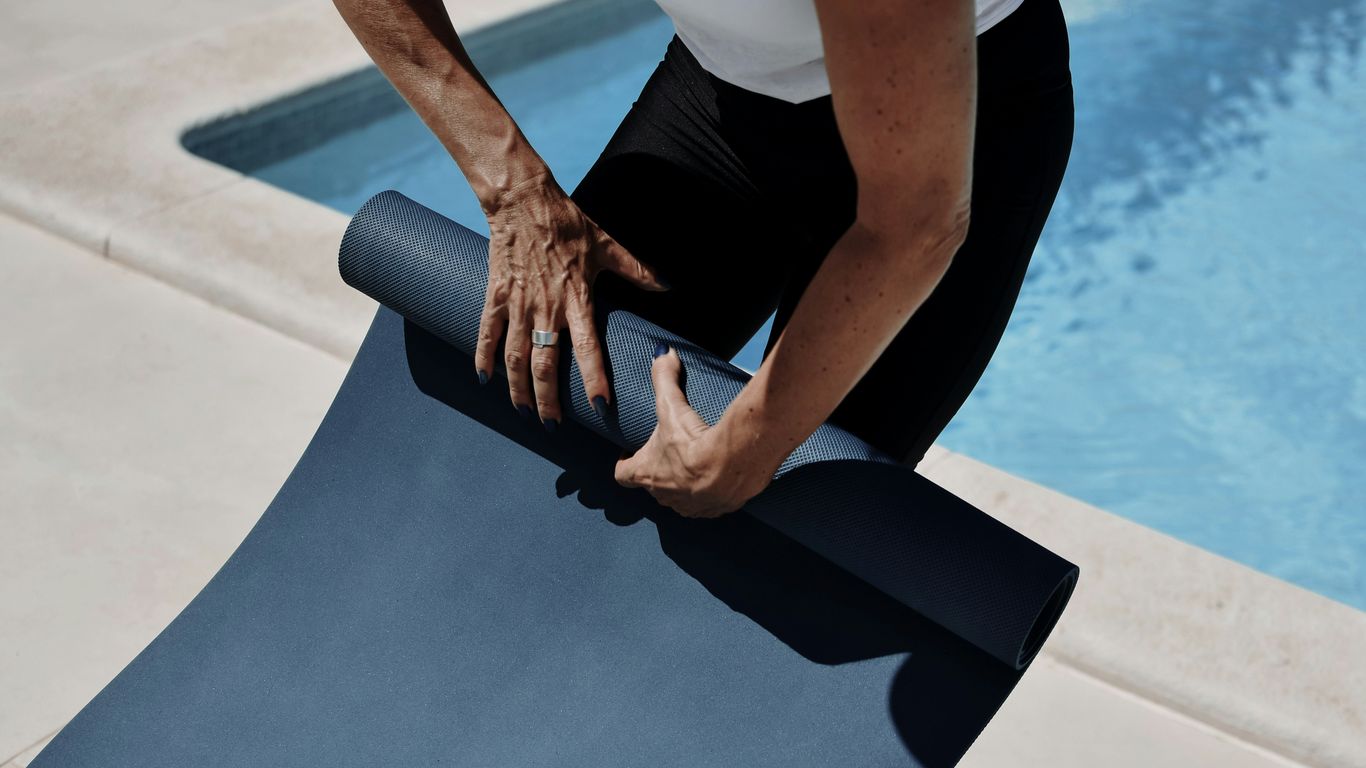
For a mat that moves between classes, parks, and hotel rooms, weight and packed size become part of performance. A cover with a reliable carry point prevents the mat from becoming an awkward loose roll, while a foldable design can fit spaces where a full-length rolled mat cannot. Keep the Yune Yoga Hoth Yoga Mat in mind as an example of a 6mm non-slip mat described as suitable for vinyasa, hot yoga, restorative poses, and meditation, with a design that lies flat and stays put.
Before buying, sketch out the route from storage to practice: closet, car, sidewalk, studio floor. That simple test often reveals whether a mat’s portability is genuinely useful or merely attractive in a product photograph.
Check the fit, durability, and maintenance needs
A well-designed set should work as a pair. The cover needs enough room for the mat without allowing it to slide around, and the fabric and closures should tolerate the way you carry and store it. Maintenance is just as important: a cover that cannot dry properly may create more problems than it solves.
Measuring the mat and cover dimensions
Measure the mat when rolled, including its approximate diameter, rather than relying only on its open dimensions. Then compare that measurement with the cover’s internal width and length, leaving enough room to insert the mat without forcing the seams. If you choose a separate carrier, allow space for minor changes in roll tightness and for any strap or towel stored with it.
Inspecting seams, closures, and carry points
Examine the points that receive the most stress: zipper ends, drawstring channels, handles, shoulder-strap loops, and the seams around the base. A neat finish does not guarantee durability, but loose stitching or thin attachment points are warning signs. Reviews are most useful here when they describe repeated use rather than only the first impression.
Cleaning the mat without damaging the cover
Follow the care instructions for both pieces, since the mat and cover may require different methods. Wipe the mat with an appropriate diluted cleaner if permitted, let it dry completely, and wash the cover only at the temperature and cycle its label allows. The Camo 2 Non-Slip Yoga Mat is described as moisture-resistant, easy to clean, and made with an anti-tear construction, but those product details still do not replace its own care directions.
Preventing mildew, odors, and premature wear
The simplest routine is to unpack the mat soon after practice and let both mat and cover air out before storage. Avoid leaving the rolled set in a hot car or sealing it while damp. A few practical habits make a noticeable difference:
- Shake or brush off grit before placing the mat in its cover.
- Dry the mat and cover separately after wet or sweaty sessions.
- Store the set loosely enough for air to circulate.
- Keep zippers and seams free from sand and debris.
These steps protect the fabric and the mat without adding much work to the end of a session. They also make it easier to notice damage before a closure or carry point fails.
Compare value before making a purchase
Price is only one part of value. A low-cost set that is difficult to clean or uncomfortable to carry may be used less often, while a simpler mat and separate carrier may serve you for years. Compare the complete setup against your actual schedule, practice style, and storage constraints.
Essential features versus unnecessary extras
Prioritize a secure fit, a dependable carry point, useful grip, and a surface that suits your practice. Extra pockets, decorative hardware, and complex compartments are less valuable if they add weight or make cleaning difficult. A short list of genuine needs is a better filter than a long feature list.
Evaluating price, warranty, and product lifespan
Read the warranty for what it covers, how long it lasts, and whether normal wear is excluded. Then consider how often you expect to practice and transport the mat. Paying more for durable seams, reliable traction, or a washable cover can make sense when those features prevent early replacement.
Reading reviews for grip and cover performance
Search reviews for specific observations: Does the mat move on the floor? Does the cover fit after repeated rolling? Do the seams hold up, and does the fabric dry quickly? Be cautious with broad claims, and remember that grip can feel different depending on moisture, flooring, and individual preference.
Choosing between an all-in-one set and separate accessories
An all-in-one set is convenient and usually simplifies fit, while separate accessories let you customize the combination. You might pair a lightweight mat with a simple strap for commuting, or choose a fuller cover for outdoor practice. The wider buying decision is similar to comparing other practical purchases: even an unrelated soldering materials guide illustrates why choosing components for the actual job is more useful than collecting extras.
When researching online, keep the comparison grounded in your own routine. A weekly tiffin delivery or a Dubai company setup guide has little to do with yoga equipment, but both are reminders that convenience only has value when it fits the user’s real circumstances. Likewise, a real estate coaching programs guide is a different kind of buying decision entirely; it reinforces the simple principle of checking fit, access, and long-term usefulness before paying.
Conclusion
The right yoga mat with cover is the one that feels stable in practice, fits securely when packed, and is easy enough to clean and carry that you will keep using it. Compare the mat and cover as a single routine rather than as isolated features, and choose the balance of comfort, grip, protection, and portability that matches your everyday practice.
Frequently Asked Questions
Is a yoga mat with cover worth buying?
It can be worthwhile if you regularly carry your mat, practice outdoors, or want protection during storage. If your mat stays in one clean place, a simple strap may be sufficient.
What thickness is best for a yoga mat?
A moderate thickness often balances cushioning and stability, but the best choice depends on your joints, balance work, floor, and preference. Thicker is not automatically better if it feels unstable.
How should I choose a mat material?
Compare grip, weight, odor, cleaning needs, and any allergy concerns. Read the material details carefully and choose the combination that suits where and how you practice.
Does a cover make a yoga mat last longer?
A cover can reduce exposure to dirt, moisture, scratches, and handling wear. It will not prevent all damage, especially if the mat is stored damp or exposed to heat.
Can I put a damp mat in its cover?
It is better to let the mat and cover dry separately first. Trapping moisture can encourage odors or mildew and may shorten the life of both materials.
What should I measure before buying a cover?
Measure the rolled mat’s length and diameter, then compare those measurements with the cover’s internal dimensions. Allow a little room for differences in how tightly the mat is rolled.
Is a sleeve better than a strap?
A sleeve offers more protection and containment, while a strap is lighter and quicker for short trips. Choose based on your surfaces, weather, storage habits, and preferred way of carrying the mat.

