

How to choose the right yoga mat and carrier for your practice
Key Takeaways
The right yoga mat and carrier should suit both the way you practice and the way you move through the day.
- Match thickness and grip to your practice style.
- Measure your mat before choosing a carrier.
- Pick straps or bags that stay comfortable on the move.
- Consider cleaning, weather, materials, and long-term use.
- Build a setup around your actual commute, class, or travel routine.
Match the yoga mat to your practice style
A mat is more than a colorful surface to unroll before class. Its thickness, texture, weight, and material affect how practical it feels from one session to the next. Start with the places you practice and the movements you repeat most often. A mat that feels ideal in a quiet bedroom may not be the best choice for a hot studio, a park, or a hotel room.
Choose the right mat thickness and cushioning
Thicker mats generally provide more cushioning for knees, wrists, and other pressure points, while thinner mats tend to feel lighter and more connected to the floor. For a mixed routine, a middle thickness can offer a useful compromise between comfort and stability. The Yune Yoga Tofino Lightweight Mat is described as a 6mm mat with joint support, secure grip, and a 2.5-pound weight, making those trade-offs easy to consider in practical terms.
Think about the surface beneath you, too. A firm floor may make extra cushioning welcome, while carpet or a soft outdoor surface can change how stable a thicker mat feels. Your preferred balance is personal, so pay attention to whether you want a softer landing or a clearer sense of the floor.
Compare grip for hot, gentle, and dynamic yoga
Grip matters whenever your hands or feet need to stay planted. For gentle or restorative practice, comfort and surface feel may matter most; for dynamic flows, a textured, non-slip top can help you feel more secure as you change positions. If you practice hot yoga, look for a surface that remains dependable as moisture builds, and consider pairing the mat with an absorbent towel.
A textured, moisture-resistant mat can also be simpler to maintain after frequent use. The goal is not the most aggressive grip available, but a surface that feels predictable without distracting you from movement.
Consider weight, portability, and storage
A mat that is easy to carry is more likely to be used outside the home. Weight becomes especially noticeable on public transportation, during airport transfers, or on a walk from work to a studio. If storage is tight, a foldable design can be more convenient than a bulky rolled mat.
The Calacatta Foldable Travel Yoga Mat is described as an ultra-thin 2mm option that folds into carry-ons and stores compactly. That kind of format suits travelers and people with limited space, though you may want more cushioning for long sessions on hard floors.
Select materials that fit your priorities
Material affects texture, care, weight, and how a mat fits your purchasing priorities. Some practitioners prefer a soft-touch surface, while others look for moisture resistance, easy wipe-clean care, or materials free of particular additives. Read the product details carefully rather than assuming that a certain finish or label guarantees a particular feel.
For a more deliberate purchase, compare the mat’s surface, backing, cleaning instructions, and intended use together. Practical fit matters most when the mat will travel often or serve several kinds of practice.
Understand the different types of yoga mat carriers
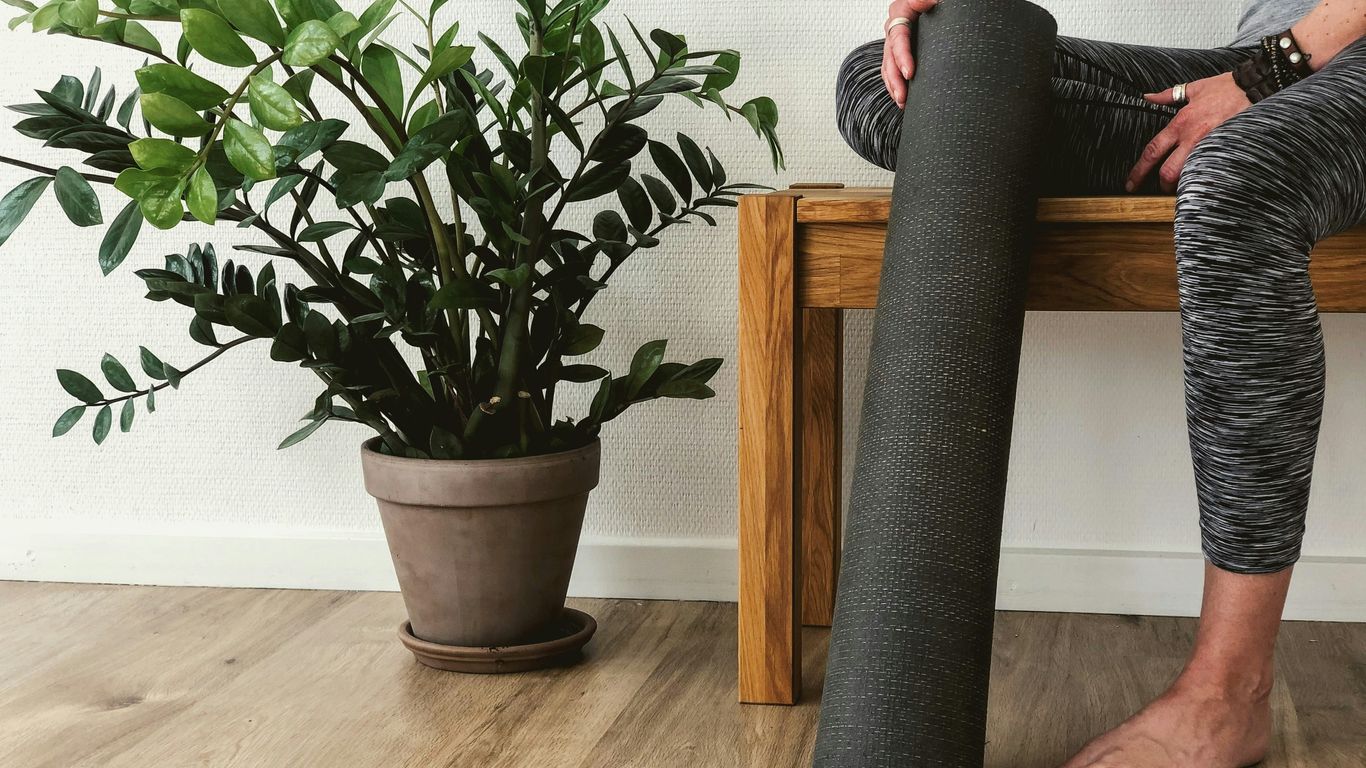
A carrier can be as simple as two loops and a strap, or as protective as a full zippered bag. The best choice depends on whether you need only transport or also room for clothes, towels, and personal items. Think about the distance you travel, the weather you encounter, and how quickly you need to get set up. A useful starting point is to browse a yoga mat carrier collection and compare the formats rather than choosing by appearance alone.
Compare straps, slings, and full bags
Straps are compact and quick to use, but they leave the mat exposed. Slings offer a little more structure and can make a rolled mat easier to carry against the body. Full bags usually provide the most protection and organization, especially when you also carry a towel, water bottle, or change of clothes.
For a straightforward daily trip, an adjustable nylon bag with a drawstring can be enough; one documented option fits standard mats up to 26 inches wide and 4mm thick. A full bag is more useful when your routine includes several accessories or changing weather.
Decide when extra protection is worth it
Extra coverage adds bulk, but it can keep a mat cleaner in a crowded commute or protect it from light rain and rough handling. If you walk directly from home to a studio, an open sling may be all you need. If your mat goes into a car trunk, luggage area, or shared storage room, a closed bag may earn its place.
Consider how often you will use the protection. A lightweight carrier that gets used every day can be more valuable than a highly protective bag that is inconvenient to pack.
Look for adjustable and comfortable carry systems
A strap should sit securely without digging into your shoulder or allowing the mat to swing. Adjustable length helps accommodate different heights, outer layers, and carrying positions. Check whether the strap attaches evenly and whether the carrier keeps its balance when the mat is rolled tightly.
Use this quick check before buying:
- Adjust the strap while wearing your usual class clothes.
- Walk a few steps and notice whether the mat shifts.
- Check whether the hardware presses against your shoulder.
- Confirm that the carrier can be opened without setting everything down.
These small details matter more on a longer commute than they do in a product photograph. A carrier should make movement between places feel simpler, not become another item to manage.
Check compatibility with your mat size
Measure the mat when it is rolled, not only when it is flat. Thickness, texture, and how tightly you roll it can all change the finished diameter. A snug fit may save space, but a bag that is too tight will make packing frustrating and may strain its closure.
A carrier should also suit the mat’s length and width. If you switch between a thin travel mat and a cushioned daily mat, choose based on the larger setup or use separate carriers for distinct routines.
Evaluate fit, durability, and everyday convenience
Good design reveals itself in the small moments: loading the mat, finding your keys, wiping away dust, and setting the carrier down after class. Look beyond the main compartment and inspect how the pieces work together. A beautiful carrier is less useful if its opening is narrow or its strap twists constantly. The aim is dependable convenience without unnecessary bulk.
Measure mat dimensions before buying
Start with the manufacturer’s stated length, width, and thickness, then measure your rolled mat if possible. A travel mat may fold rather than roll, while a thick mat can create a surprisingly wide bundle. Leave a little room for easy insertion and removal instead of treating a barely adequate fit as efficient.
Write down the measurements before shopping. This simple step prevents a common mismatch, especially when a carrier is designed around a standard mat rather than an oversized or extra-cushioned one.
Inspect closures, stitching, and hardware
Zippers, drawstrings, buckles, and metal or plastic attachment points receive repeated stress. Look for clean stitching around the strap joins and a closure that moves smoothly. The carrier should not require force to close when the mat is packed correctly.
These checks are especially useful if you carry the mat outdoors or use it several times each week. Durable construction is not just about appearance; it affects whether the carrier remains easy to use after months of loading and unloading.
Consider pockets for keys, towels, and accessories
A pocket can eliminate the need for a second small bag, but only if it is placed where you can reach it. Think about what you actually bring: keys and a phone may need a secure zip pocket, while a towel or light layer needs more open space. Avoid paying for compartments that add weight without helping your routine.
An integrated pocket is also helpful when you move through a lobby, train station, or parking lot with your hands full. Keep heavier items close to the mat’s center so the carrier does not pull awkwardly to one side.
Choose designs that are easy to clean
Yoga gear collects sweat, dust, and the occasional splash from the floor. Smooth, wipeable surfaces are convenient for frequent use, while cotton and canvas may need spot cleaning and careful drying. Follow the care instructions and avoid storing the carrier while it is damp.
For broader buying decisions, it helps to separate useful features from decorative extras. Even a household purchase such as Yard House Brussels Sprouts is easier to judge when you focus on the details that actually affect the experience; the same principle applies to pockets, closures, and care requirements here.
Prioritize comfort when carrying your mat
A carrier can fit the mat perfectly and still feel wrong on your body. Shoulder position, walking distance, clothing, and posture all influence comfort. Try to imagine the entire trip rather than the few seconds it takes to lift the mat from the floor. The most convenient setup is the one you can carry without constantly readjusting it.
Balance shoulder straps and crossbody options
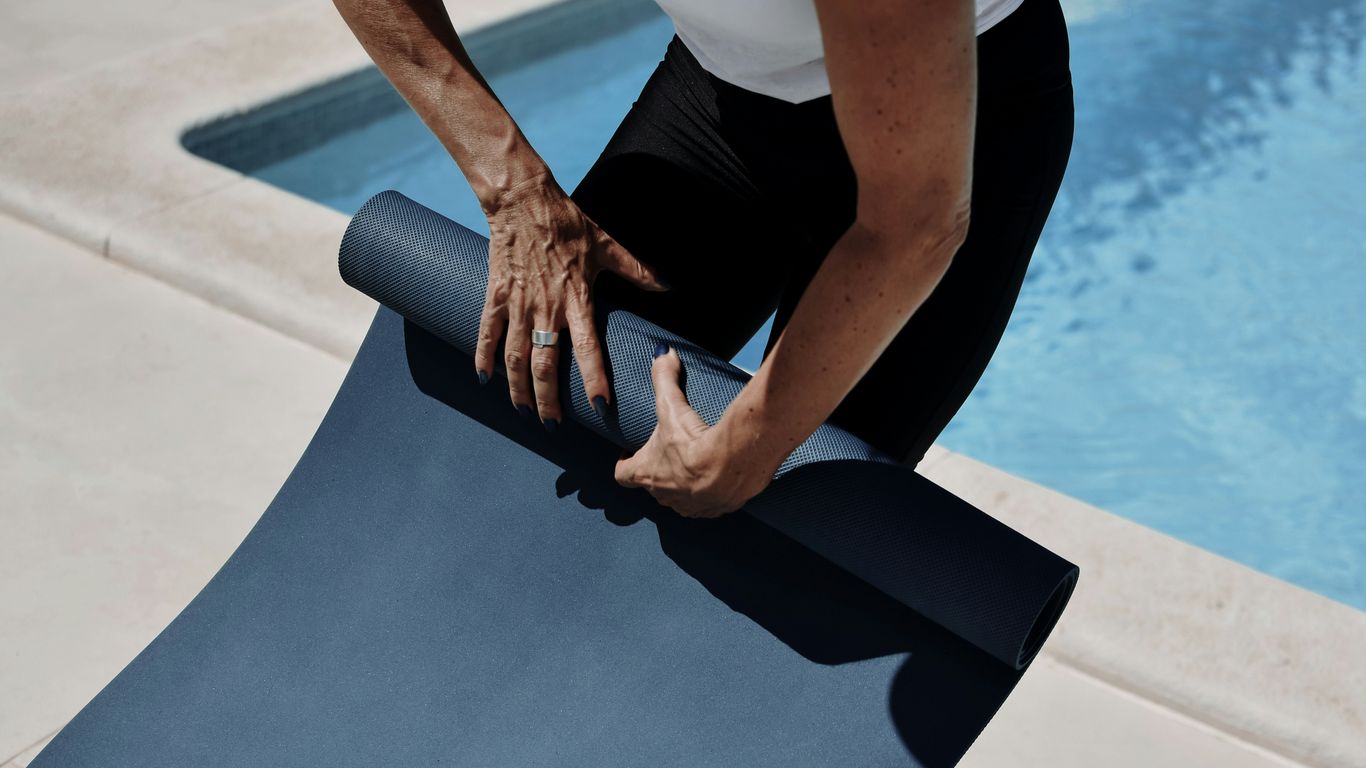
A shoulder strap is quick and familiar, while a crossbody position can distribute the load differently and keep both hands free. Neither option is automatically better. Choose the position that keeps the mat close to your center without restricting your arm swing.
If you alternate between walking and cycling, check that the carrier does not rotate or slide when your posture changes. A simple strap may work well for a short walk, while a more structured bag can feel steadier over distance.
Reduce pressure during longer commutes
Pressure builds where a narrow strap meets the shoulder, particularly when the carrier also holds accessories. A wider strap, softer contact point, or lighter overall setup can make a noticeable difference. Packing only what you need is often as effective as changing the carrier.
Try carrying the mat for the length of a typical commute before deciding whether the setup works. A carrier that feels fine for five minutes may become distracting after twenty.
Choose a carrier that stays secure while walking
Movement should not cause the rolled mat to loosen or bounce against your side. Check that the loops hold the mat firmly and that the strap attachments remain aligned. If the carrier has a zipper or drawstring, make sure it can be secured without overfilling the bag.
A stable carrier also makes transitions easier when you enter a studio or board a bus. You should be able to set it down, pick it up, and continue without rearranging the whole bundle.
Account for clothing, posture, and mobility needs
A strap that works over a thin shirt may feel restrictive over a jacket. Likewise, someone with limited shoulder mobility may prefer a shorter, simpler movement rather than a carrier that must be lifted high overhead. Consider how you naturally put the mat on and take it off.
Comfort is personal, so test the carrier with the clothing and bags you usually carry. Small adjustments to strap length can change the way the weight sits across your back and shoulder.
Compare materials, sustainability, and maintenance
The material of a carrier affects its hand feel, weight, resistance to moisture, and care routine. There is no single best fabric for every practitioner. A commuter may value weather protection, while a minimalist traveler may prefer the lightest possible option. Match the material to the conditions you will actually face.
Weigh cotton, nylon, canvas, and recycled fabrics
Cotton can feel soft and natural, while canvas offers a sturdier hand and often works well for a tote-style carrier. Nylon is usually associated with light weight and easy wiping, and recycled fabrics may appeal to shoppers focused on using existing material streams. Check the complete product description, including lining, trim, inks, and care instructions.
The Yune Yoga Tote Bag is described as a GOTS-certified organic cotton carrier that fits a mat, towel, water bottle, and more. It is also designed to transition into an everyday tote, which may improve its usefulness beyond class days.
Here is a simple way to compare the trade-offs:
| Material | Useful quality to consider | Possible trade-off |
|---|---|---|
| Cotton | Soft feel and everyday versatility | May need careful spot cleaning |
| Canvas | Structure and durability | Can feel heavier when full |
| Nylon | Light weight and easy wiping | May feel less soft or natural |
| Recycled fabric | Supports a material-conscious choice | Details vary by construction |
No material wins on every measure. Choose the combination of feel, care, and durability that best matches how frequently you carry the mat.
Check water resistance and weather protection
Water resistance can be helpful when you walk through drizzle or place the carrier on a damp surface, but it does not necessarily mean the bag is fully waterproof. Look at the fabric, closure, and seams together. An open tote may be convenient but offers less protection than a closed bag.
If weather is unpredictable, pack a small cover or keep the carrier inside a larger travel bag. That approach can be more practical than choosing a heavier carrier for occasional rain.
Learn how to clean and dry the carrier
Follow the stated care method rather than assuming the carrier can go in a washing machine. Spot-cleaning is often the safer choice for structured bags, printed designs, and organic canvas. Let the carrier dry completely before storing the mat inside.
Regular airing helps prevent lingering odors, especially after hot classes. Cleaning the mat separately also keeps moisture and residue from transferring to the carrier’s lining.
Assess long-term durability and environmental impact
A product used often should be judged by how long it remains functional, not just by its initial price. Strong stitching, replaceable or reliable hardware, and a realistic care routine can extend useful life. Environmental considerations include material choices, manufacturing details, packaging, and whether the item is versatile enough to replace another bag.
Be wary of broad sustainability language without supporting details. A clear material description and honest care guidance give you more useful information than a vague eco label.
Build a practical yoga mat and carrier setup
The final choice should reflect your real schedule. A mat and carrier for a weekly studio class may differ from a setup that travels in a suitcase or goes to the beach. Begin with the full route, then decide which features earn space and weight. A thoughtful pairing can make practice easier to start because the gear is ready to go.
Pair the carrier with your class or travel routine
For a regular studio commute, prioritize quick access, a secure strap, and enough room for the mat you use most. For flights or hotel stays, folding and low weight may matter more than thick cushioning. Outdoor practice calls for attention to cleaning, moisture, and how easily the setup can be placed on the ground.
A good carrier should support the rhythm of your week rather than only one idealized use. If it works in several settings, you are more likely to keep it packed and available.
Add space for towels, clothing, and hydration
Decide whether the carrier should hold only the mat or become a small class bag. A towel, dry shirt, water bottle, and keys can quickly fill a narrow compartment. Keep the load balanced and avoid forcing accessories into a mat sleeve that was not designed for them.
Yune Yoga’s brand focus includes portable mats and accessories such as absorbent yoga towels and durable yoga straps, so those additions can be considered as part of a practical travel setup rather than as unrelated extras. Check each item’s dimensions before combining them.
Create a compact setup for public transportation
Public transportation rewards a narrow profile and secure closures. Keep loose straps tucked away, use a crossbody position if it leaves your hands free, and choose pockets that keep small items from shifting. A foldable mat can be especially useful when you need to fit your gear beside a seat or inside a larger bag.
That image placeholder is not a second image slot in this section, so remove? Wait exact image slots requires img-1 only section 2. Need no image here. We must fix by not include. Continue prose and no image. Ensure img-1 only once.
A compact setup should be easy to unpack when you arrive. If you routinely carry work items too, test the combined load before committing to a carrier with limited structure.
Make the final choice based on value and frequency of use
Price makes more sense when considered alongside frequency. A simple strap may be sufficient for occasional use, while a durable, organized bag can justify its cost when it replaces a separate tote and travels every day. Compare the total setup, including the mat, carrier, towel, and any storage needs.
Before buying, use a short decision check: measure the mat, estimate the commute, list the accessories, and read the care instructions. For example, researching field service management software, subscription billing systems, or clip-on vs. fixed necklaces all involves the same basic habit of matching features to actual requirements; apply that discipline here without paying for features you will not use.
Conclusion
Choosing a yoga mat and carrier becomes much simpler when you start with your practice, measure your gear, and picture the full journey from storage to class. Prioritize the combination of cushioning, grip, portability, comfort, and care that fits your routine, then choose materials and features you will genuinely use.
Frequently Asked Questions
How thick should a yoga mat be?
A medium-thickness mat is often a practical starting point because it balances cushioning and stability. Choose thicker cushioning if pressure on hard floors is a concern, or a thinner mat if portability and floor connection matter more.
What is the difference between a yoga mat strap and a carrier bag?
A strap usually secures a rolled mat with minimal added weight and little protection. A carrier bag encloses some or all of the mat and may include pockets, weather protection, or room for accessories.
How do I know whether my mat will fit a carrier?
Check the carrier’s maximum length, width, and thickness, then compare those measurements with your mat when rolled. Leave enough room for easy insertion rather than choosing a fit that is difficult to close.
Is a crossbody yoga mat carrier more comfortable?
It can be, depending on your body, walking distance, and the weight of the packed carrier. Try different strap positions and adjust the length so the mat stays close without restricting movement.
Can I put a wet yoga mat in its carrier?
It is better to let the mat dry first whenever possible. Storing damp gear can lead to lingering odors and may affect the carrier, so air both pieces thoroughly before packing them away.
What should I carry with my yoga mat?
Common additions include a towel, water bottle, keys, phone, and a change of clothes. Choose a carrier with only as much extra space as your routine requires so it stays balanced and manageable.
Are foldable yoga mats good for travel?
Foldable mats can be convenient for carry-ons, small rooms, and limited storage. They may provide less cushioning than a thicker rolled mat, so consider the surfaces where you will practice and whether you need a second mat for regular classes.


