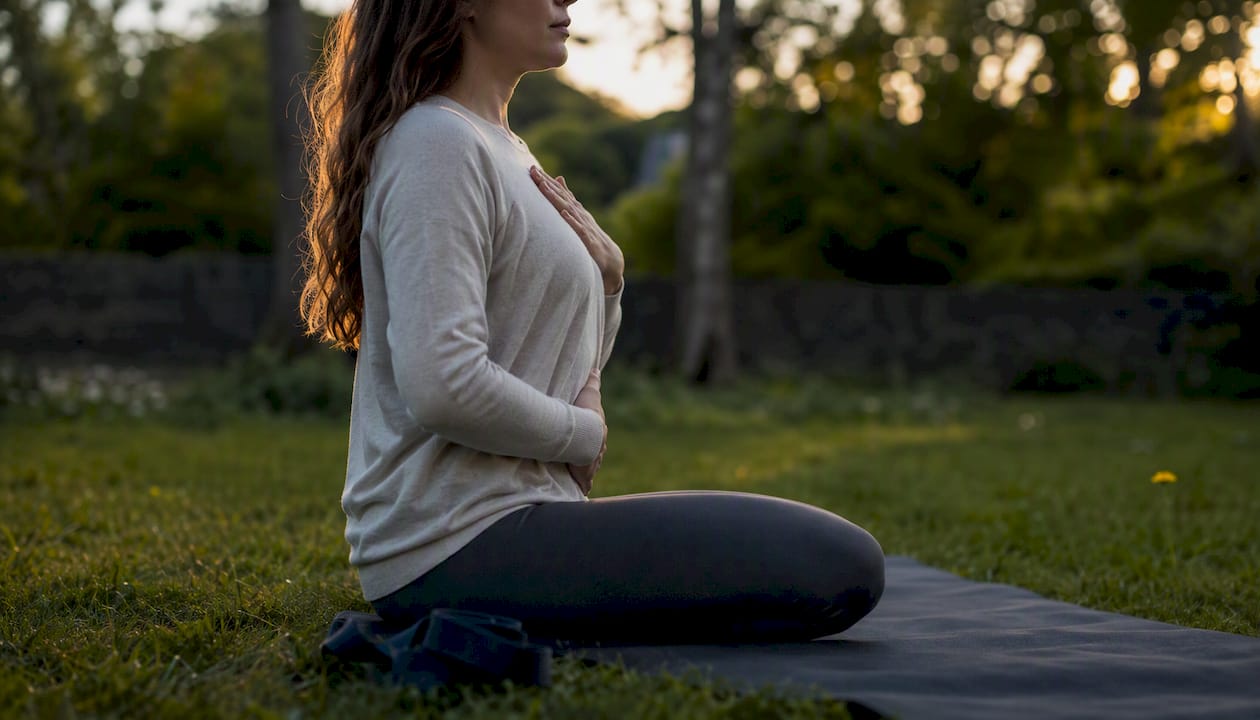

How to choose the right yoga bag with mat holder for your practice
Key Takeaways
The best yoga bag is the one that fits your mat, your routine, and the way you actually move through the day.
- Measure your rolled mat before choosing a bag.
- Match capacity to the gear you regularly carry.
- Look for comfortable straps and sensible weight distribution.
- Choose durable, easy-care materials for frequent use.
- Check reviews, returns, and care instructions before buying.
Assess your yoga gear and daily routine
A yoga bag with mat holder can be a simple way to keep your practice ready, but the right design depends on more than appearance. Think about where you practice, how long you are away from home, and what you carry besides the mat. A small sling may be perfect for a quick studio visit, while a roomier tote makes more sense when yoga is part of a commute. Start with your routine rather than a product photo.
Match the bag to your class style
Your class style affects the kind of access and capacity you need. A short mobility session may call for little more than a mat, towel, and water bottle, while a longer studio visit could include blocks, a change of clothes, and toiletries. If you practice outdoors, a bag that is easy to set down and wipe clean may matter more than an elaborate interior.
Those who move between different locations may appreciate a portable mat as much as the bag itself. For example, the Yune Yoga Juliet Trekk Travel Mat is described as a lightweight 2.5-pound, 5mm mat measuring 24 by 72 inches, with a double-sided design. Pairing a travel-friendly mat with a manageable bag keeps the whole setup from becoming a burden.
Decide how much equipment you need to carry
Make a realistic list of what leaves the house with you. Include the items you carry on an ordinary day, not just the maximum load you might need for a rare workshop. A bag that is too small becomes frustrating, but one that is consistently half-empty can be awkward to carry and harder to organize.
A useful starting list might include your mat, towel, water bottle, keys, phone, and a layer for before or after class. Add blocks or shoes only if you regularly bring them. This simple inventory gives you a better capacity target than relying on labels such as “large” or “oversized.”
Consider commuting, travel, and storage needs
A bag for a car journey can be different from one used on a crowded bus or a long walk. Commuters may want a close-fitting profile, a comfortable shoulder strap, and a pocket that keeps valuables easy to reach. Travelers may care more about a light empty weight, a flexible shape, and whether the bag can fit inside a larger suitcase.
Storage at home matters too. A bag that hangs neatly or stands upright is easier to live with than one that collapses into a heap by the door. If your practice moves from home to a beach, park, or hotel room, portability should be considered alongside how quickly you can unpack and repack.
Choose between a compact and all-in-one design
Compact bags are usually easier to carry and less tempting to overfill. All-in-one designs provide more room and can keep several pieces of equipment together, but their extra fabric and hardware may add weight. The better choice is the one that supports your usual practice without asking you to carry unused space.
If you generally take only a mat and a few essentials, start small. If you change clothes at the studio or carry props, choose a structured design with enough room for those items. You can also compare a dedicated bag with a yoga essentials tote when everyday versatility matters as much as mat transport.
Check mat compatibility and carrying capacity
A bag may look generous on a screen and still be a poor fit for your rolled mat. Dimensions, closure design, and the placement of the holder all affect how secure the load feels. Before shopping, measure the mat you own and consider whether you may replace it with a thicker or wider model later. This is where careful checking prevents the most common buying mistake.
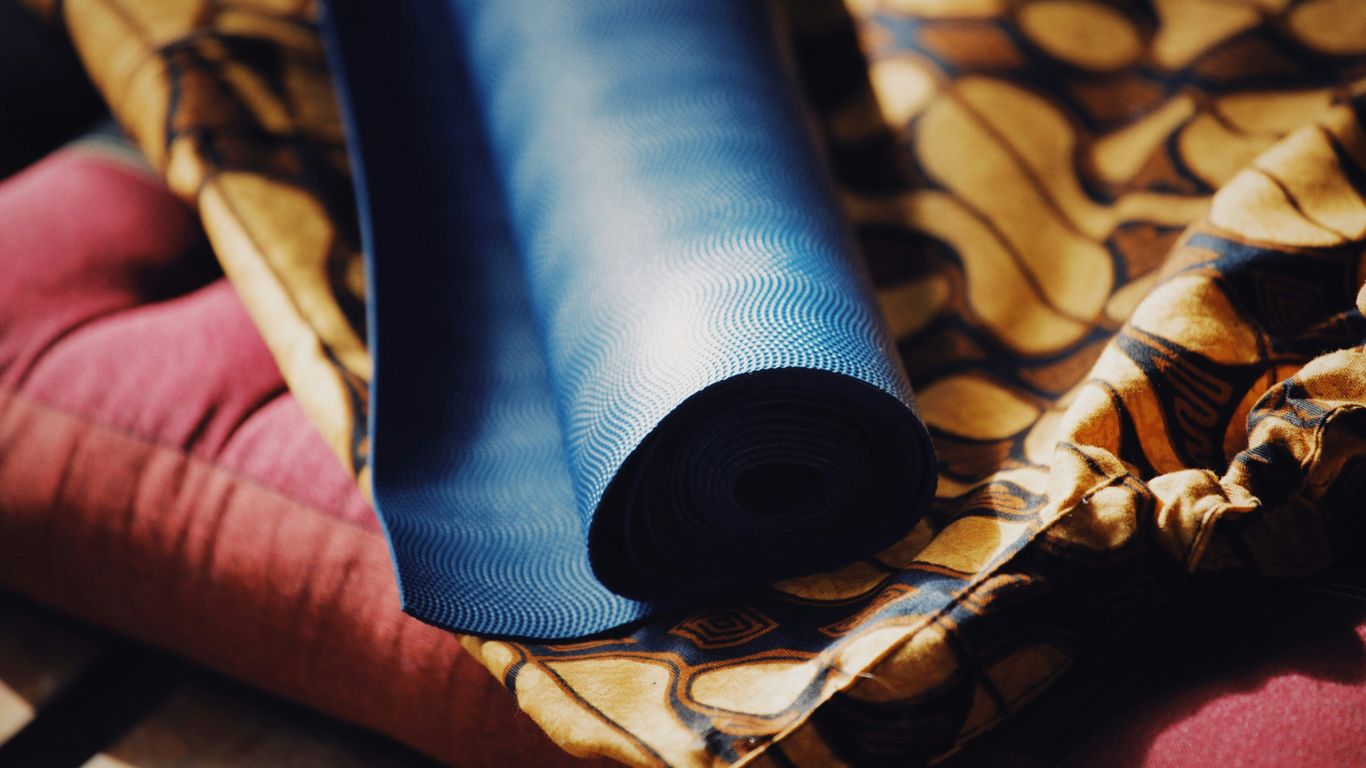
Measure your mat’s length, width, and thickness
Roll your mat as tightly as you comfortably can, then measure the roll from end to end and across its diameter. A thicker mat may create a noticeably wider roll, especially if its surface has a textured finish. Do not assume that two mats with the same listed length will occupy the same amount of space once rolled.
Leave a little room rather than choosing a fit that requires force. A tight opening can scrape the mat, strain the zipper, or make packing unpleasant after class. If you are comparing mats, note that a full-size 24-by-72-inch mat needs a holder and compartment that accommodate those dimensions rather than merely naming them in a product title.
Compare external straps with built-in compartments
External straps keep the bag slim and let the mat remain visible, which can be convenient for quick trips. They also expose the mat to weather and contact with other objects. A built-in compartment offers more protection and may create a cleaner silhouette, although it can make the bag deeper and slightly heavier.
Consider how often you need to remove the mat. An external holder is handy when you want to reach the main compartment without disturbing the roll. A dedicated sleeve may be preferable when the mat needs to stay separate from clothing and personal items.
Make room for towels, blocks, and clothing
Capacity should be measured in usable space, not just total volume. A narrow pocket may technically fit a towel but leave no room for a sweater, while a wide central compartment may swallow small items that you need to find quickly. Look for an opening that stays accessible when the mat is attached.
The following quick comparison can help you think about capacity in practical terms:
| Carrying pattern | Typical contents | Useful bag quality |
|---|---|---|
| Light studio visit | Mat, phone, keys, water | Compact profile and quick access |
| Regular class commute | Mat, towel, layer, toiletries | Medium capacity and separate pockets |
| Prop-heavy session | Mat, blocks, towel, clothing | Wide opening and structured base |
| Travel practice | Mat, clothing, small essentials | Lightweight build and flexible storage |
After identifying your pattern, check whether the bag still closes comfortably when full. A little spare room is useful, but excessive capacity can encourage overpacking and make the load less stable.
Look for adjustable holders that prevent slipping
A mat holder should keep the roll centered rather than allowing it to swing against your leg. Adjustable webbing is helpful because different mats have different diameters, and it lets you tighten the load after the bag is packed. Examine how the straps attach to the bag and whether the adjustment points are easy to reach.
Test the holder with the mat rolled in the direction you normally use. If the straps twist, loosen, or pull the bag out of shape, the design may become irritating over a longer walk. A secure holder should feel like part of the carrying system, not an afterthought added to the outside.
Evaluate materials and construction quality
Material choice affects weight, durability, cleaning, and the bag’s feel against your clothing. There is no single best fabric for every practice. A person who walks to class in wet weather has different priorities from someone who stores a bag in a dry locker. Focus on the conditions your bag will actually meet.
Choose fabrics that balance durability and weight
Canvas can feel substantial and hold its shape well, while lighter woven synthetics may be easier to carry and pack. Natural fibers can have a soft, familiar hand, but they may need more careful drying after exposure to moisture. The fabric should feel appropriate for the load you expect rather than simply thick for the sake of thickness.
For frequent travel, a lighter bag may be the better trade-off even if it has less structure. For daily commuting, reinforced panels and a stable base can justify a little extra weight. Read the material description closely and consider whether the stated construction matches your use.
Check stitching, seams, zippers, and hardware
Small construction details often reveal more than a polished photograph. Look at points where straps meet the body, corners that may rub against the ground, and seams around pockets. Even stitching and neatly finished edges suggest that the bag was designed for repeated handling.
Zippers should move without catching, and hardware should not feel flimsy when the bag is empty. If possible, inspect photographs of the inside as well as the exterior. A clean interior finish can make packing easier and reduce the chance that loose threads catch on your mat or clothing.
Consider water resistance and easy-clean surfaces
A little weather resistance can be useful when you walk to class or set the bag down outdoors. It does not necessarily mean the bag is waterproof, so do not treat a water-resistant finish as permission to leave the contents in heavy rain. A wipe-clean surface may be more valuable for ordinary spills, dusty floors, and post-class mess.
Think about the care instructions before buying. If the material cannot be washed or spot-cleaned easily, small marks may become part of the bag’s appearance. The most practical finish is one you will be willing to maintain.
Look for breathable sections to reduce odor
Breathable panels can help air circulate around shoes, towels, or clothing that are not completely dry. They are especially useful when you go from practice straight to work or errands. Still, ventilation is not a substitute for emptying the bag promptly.
Avoid sealing damp items in the main compartment for hours. A breathable section, washable lining, or separate pocket can make the routine easier, but regular airing remains the simplest way to keep the interior fresh.
Prioritize comfort and practical organization
A bag can have the right capacity and still be unpleasant to carry. Comfort depends on the strap, the shape of the load, and the location of the mat relative to your body. Organization matters for a different reason: it reduces the time spent searching for keys, earbuds, or a studio pass. Aim for a design that makes the transition into and out of practice feel uncomplicated.
Compare shoulder straps, handles, and padding
A padded shoulder strap can make a noticeable difference on a longer walk, while short handles are convenient for lifting the bag from a locker or car. Adjustable straps help you position the load so it does not bump against your hip. If you prefer hands-free carrying, check whether the strap remains comfortable when the bag is full rather than empty.
Handle placement matters as well. Handles that are too close together can pull awkwardly, while widely spaced handles may make the bag feel unstable. Look for contact points that are reinforced and comfortable in the hand.
Choose pockets for phones, keys, and valuables
Small items should have a predictable home. An exterior pocket can make a phone or transit card easy to reach, while an interior zip pocket offers more security for keys and jewelry. Avoid choosing pockets based only on quantity; one well-placed pocket may be more useful than several shallow compartments.
A mat bag and carrier collection can be a useful source of ideas when comparing different carrying layouts. Notice whether each design separates small essentials from the main load and whether the opening remains practical when a rolled mat is attached.
Look for separate spaces for shoes and damp gear
Shoes and damp towels can make a clean bag unpleasant quickly. If you regularly carry either, look for a compartment with a wipeable lining or enough separation to keep them away from dry clothing. A ventilated shoe section is helpful, but it should still be emptied and cleaned as needed.
Do not assume that a pocket labeled for shoes will fit bulky footwear. Check its dimensions and opening, especially if you wear high-top trainers or carry shower sandals. The best compartment is one you can actually use without forcing the zipper.
Check how the bag distributes weight
Place the heaviest items near the center of the bag and close to your body when possible. A mat mounted on one side can pull the bag outward, so balance it with a bottle, towel, or clothing layer rather than letting everything collect at the bottom. This is a small packing habit, but it can change how the bag feels over distance.
Balanced packing matters more than maximum capacity when you are walking or cycling. Before buying, imagine the bag loaded with your real gear and check whether the strap, base, and mat holder work together instead of competing for space.
Balance appearance, sustainability, and value
Practical features come first, but appearance affects whether you reach for the bag every day. A design that suits your wardrobe and your other routines is less likely to sit unused. Sustainability also deserves a measured look: material labels, construction quality, packaging, and product lifespan all form part of the picture. Consider the complete use pattern rather than one appealing claim.
Choose a style that fits your personal preferences
Some people prefer a quiet, minimal bag that blends into a work commute. Others enjoy color, pattern, or a design that makes the mat feel like part of their personal kit. Neither choice is more serious or committed; the useful style is the one you will enjoy carrying.
Think about how the bag looks when it is full. A soft tote may become slouchy, while a structured bag can keep a cleaner shape. If you use it for groceries, work, or short trips as well as yoga, choose a style that makes sense beyond the studio.
Compare recycled, organic, and synthetic materials
Material labels are only one part of a sustainability decision. Consider how long the bag is likely to last, whether it can be repaired, how much packaging accompanies it, and whether you will use it regularly. A durable bag that replaces several short-lived purchases may be a sensible choice even when its material story is not the simplest one.
Organic cotton can feel natural and substantial, while recycled or synthetic fabrics may offer useful resistance to abrasion and moisture. Ask for clear care information and avoid assuming that any one category automatically performs best in every setting.
Consider color, pattern, and everyday versatility
Dark colors may make everyday marks less visible, while lighter shades can show dust and spills sooner. Patterns can disguise wear and express personality, but a quieter design may transition more easily from class to office. Consider the places where the bag will be seen and stored.
Versatility is valuable when it does not compromise the main purpose. A tote designed for a rolled mat, towel, water bottle, and daily essentials can work well for errands, but a bag without a secure holder may be inconvenient if mat transport is your main need.
Decide which features justify a higher price
A higher price should correspond to something you will notice in use. That might be stronger stitching, better hardware, a more comfortable strap, a useful separate compartment, or a material that suits your weather and cleaning routine. Extra pockets and decorative details are less persuasive if they add bulk without solving a real problem.
Before comparing prices, write down your two or three non-negotiables. You may find that a simpler bag meets them more effectively than a feature-heavy design. Value is personal, but it becomes easier to judge when the criteria are visible.
Make a confident purchase and care for your bag
The final choice should be based on evidence you can check, not just a pleasing image or a short product name. Read enough reviews to spot recurring comments about fit, comfort, and wear. Then confirm measurements and policies before ordering. A little preparation makes it easier to choose a yoga bag with mat holder that remains useful after the first few classes.
Read reviews for real-world fit and durability
Look for reviews that mention the reviewer’s mat size, commute, and typical load. Comments about a bag being “roomy” or “small” mean more when you know what the person carried. Pay attention to repeated observations about slipping straps, difficult zippers, thin lining, or uncomfortable handles.
Photos from customers can also show how the bag sits when full. Treat isolated praise or criticism cautiously, and look for patterns across several reviews. The goal is not to find a perfect opinion but to identify whether the design suits your circumstances.
Check return policies, warranties, and measurements
Confirm the interior and exterior dimensions, the recommended mat thickness, and the length of any adjustable strap. Compare those numbers with your own measurements rather than relying on a generic size label. If the product page is unclear, contact the seller before purchasing.
Also review the return window, exclusions, and warranty coverage. A policy may require the bag to be unused, or a warranty may cover manufacturing defects but not ordinary abrasion. Knowing the terms helps you make a fair comparison between options.
Clean and dry the bag without damaging its materials
Start with the care label and follow the least aggressive method that removes the dirt. Empty every pocket, shake out debris, and spot-clean small marks before considering a deeper wash. Harsh cleaners can affect coatings, prints, or hardware, so test an inconspicuous area when the instructions allow it.
After practice, open the bag fully and let it air dry away from direct heat. Do not store a damp towel or sweaty clothing inside overnight. For mat care, a simple wipe-down and air-dry routine is often easier on the material than repeated heavy washing.
Replace worn straps, zippers, or mat holders when needed
A worn strap can make a bag unsafe or uncomfortable even when the body still looks good. Check attachment points for fraying, examine zippers for broken teeth, and inspect mat holders for stretched elastic or damaged stitching. Repair may be possible if the problem is limited to a replaceable component.
When a repair is not practical, replace the bag before a failure leaves you carrying a loose mat or scattered gear. Good maintenance extends useful life, but it should not become a reason to keep using hardware that no longer supports the load.
For the same reason, keep your shopping process focused and documented. The questions used in a home-buying guide, the planning behind a study-abroad loan guide, or the practical details in a clothing resale guide are reminders that clear goals and checked terms usually lead to better decisions. They are not yoga-bag criteria themselves, but the habit of comparing needs, measurements, and conditions transfers well.
Conclusion
Choose the bag that fits your mat, carries your real essentials, and feels comfortable on the routes you travel most. When the holder is secure, the organization is useful, and the materials suit your care routine, bringing your practice along becomes much simpler.
Frequently Asked Questions
What size yoga bag should I buy?
Choose a bag based on your rolled mat’s length and diameter, then add room for the items you regularly carry. A small amount of extra space is useful, but too much can make the load bulky and harder to control.
Can any yoga mat fit in a bag with a mat holder?
No. Mats vary in length, width, and thickness, so measure the rolled mat and compare those measurements with the bag’s stated capacity. Pay particular attention to the opening and holder adjustment range.
Is an external mat strap better than a built-in compartment?
Neither is universally better. External straps keep the bag slim and make the mat easy to access, while a built-in compartment can offer more protection and separation from the rest of your belongings.
What should I carry in a yoga bag?
Most people start with a mat, towel, water bottle, phone, and keys. Add blocks, clothing, shoes, or toiletries only when they are part of your normal practice routine.
How can I stop my yoga mat from slipping out?
Use a holder that adjusts to the rolled diameter and tighten it evenly on both sides. Check that the straps lie flat and that the mat is centered before lifting the bag.
How do I clean a yoga bag?
Empty the bag, follow its care label, and begin with gentle spot cleaning. Air the bag out after use and dry it completely before storing it, especially if it carried damp clothing or a towel.
How long should a yoga bag last?
Its lifespan depends on how often it is used, how heavily it is packed, and how it is stored. Strong seams, sound hardware, regular cleaning, and prompt repairs can all help a bag remain useful longer.