

How to choose and use the right spray for yoga mat cleaning
Key Takeaways
A good spray for yoga mat cleaning should remove everyday residue without compromising the surface you practice on. The best choice depends on your mat material, the ingredients, and how often you use it.
- Check the mat material and care instructions before choosing a cleaner.
- Use a light application rather than saturating the mat.
- Wipe away sweat, oil, and residue soon after practice.
- Let the mat dry fully before rolling or storing it.
- Replace a worn or damaged mat when cleaning can no longer restore its surface.
Understand what a yoga mat spray should do
A yoga mat spray is meant to make routine care simple, not turn every cleanup into a major project. The right formula should lift sweat, skin oil, dust, and light marks while leaving the mat comfortable under your hands and feet. It should also suit the material and the way you practice. Think of it as one small part of a practical cleaning routine.
Remove sweat, oil, and everyday residue
After practice, the mat can hold perspiration, body oil, dust, and traces of lotion. A suitable cleaner helps loosen that film so a cloth can lift it away instead of spreading it across the surface. If you practice outdoors or travel often, wipe away grit before it gets pressed into the texture. A simple mat care routine can also help you decide when a quick wipe is enough and when the surface needs more attention.
Control odor without leaving a sticky film
Odor often comes from residue left behind, so cleaning the surface matters more than masking it with a strong fragrance. Use only enough spray to dampen the area, then wipe thoroughly. A sticky finish can attract more dust and change the way the mat feels during transitions. If the scent lingers heavily or the surface feels tacky, reduce the amount and check the ingredient list.
Support hygiene between deeper cleanings
A quick wipe after practice keeps buildup manageable, especially when the same mat is used several times a week. It is not a substitute for following the manufacturer’s instructions or for a deeper clean when the mat is visibly soiled. The goal is a clean, dry practice surface that is ready for its next use. For people who want to mix their own cleaner, this DIY mat cleaner recipe offers one possible starting point, although every formula should still be tested carefully.
Protect the mat’s texture and grip
Grip is part of the mat’s function, so a cleaner should not leave an oily coating or weaken the finish. Test an unfamiliar product on a small, inconspicuous area first and watch for discoloration, swelling, or a change in texture. A light, even application is usually easier to control than a soaked surface. Good cleaning preserves the feel you rely on rather than trying to make the mat look artificially glossy.
Choose a spray based on your mat material
Material changes everything about mat care. Natural rubber, PVC, vinyl, TPE, and specialty surfaces can react differently to oils, solvents, moisture, and fragrance. Start with the label on the mat, then choose a cleaner that does not conflict with those instructions. A portable mat such as the Yune Yoga Moab Plains is described as easy to maintain, but its care directions should still take priority over any general cleaning advice.
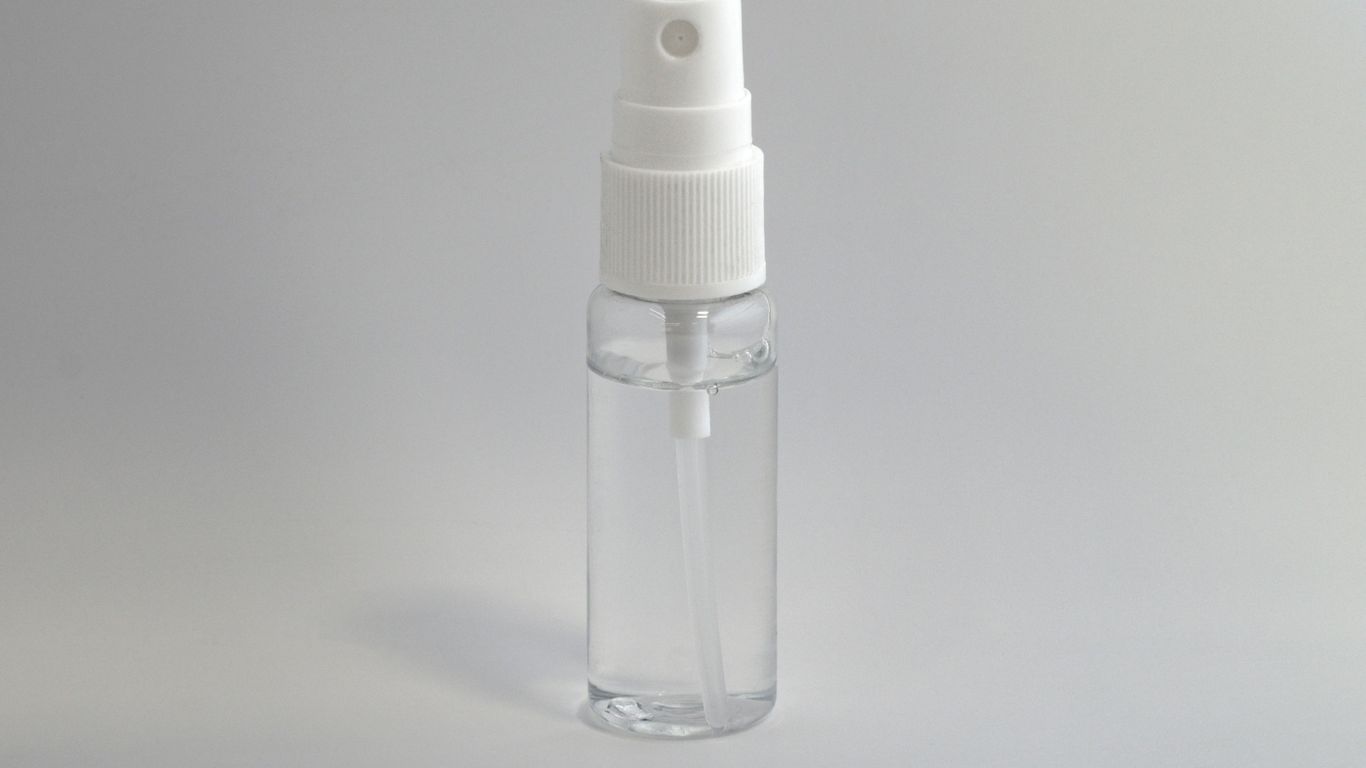
Cleaning natural rubber mats safely
Natural rubber deserves a cautious approach because strong chemicals, petroleum-based ingredients, and some concentrated oils may affect its surface. Use a mild, compatible cleaner and avoid leaving liquid pooled on the mat. Wipe gently rather than scrubbing aggressively, then dry it away from intense heat. The rubber mat care guide is a useful reminder that some rubber mats are intended for simple spot cleaning with soap and water.
Caring for PVC and vinyl mats
PVC and vinyl mats are often straightforward to wipe, but that does not mean every household cleaner is suitable. Look for the manufacturer’s recommended cleaner and avoid assuming that a disinfectant designed for countertops belongs on a practice surface. A damp cloth and modest amount of spray will usually give you better control than a heavy application. If portability matters, a lightweight option such as the Sycamore Trekk can be easier to clean and pack, while its stated material and care details should guide your choices.
Using spray on TPE and specialty materials
TPE and layered or printed mats may have finishes that respond differently to water, alcohol, or essential oils. Read the product information before using a new spray, especially if the mat has a suede-like top, a printed coating, or a dual-sided construction. A patch test can reveal trouble before it spreads across the whole surface. When in doubt, use a barely damp cloth and ask the maker for specific advice.
Checking the manufacturer’s care instructions
Care instructions are more useful than a generic promise on a spray bottle. They may specify a particular dilution, drying method, or ingredients to avoid. Keep those directions accessible, especially if you practice in different places and clean your mat away from home. The same habit—checking instructions before applying a treatment—also appears in practical guides such as safe roof cleaning, where material protection and runoff precautions matter.
Compare the ingredients in yoga mat sprays
The ingredient list can tell you more than the front label. Look for a formula that matches your mat and your tolerance for fragrance, while remembering that “natural” does not automatically mean harmless for every surface or person. Water-based formulas may be easy to use, but the rest of the blend still matters. A little label reading can prevent a lot of trial and error.
Gentle cleaning agents and plant-based formulas
Mild surfactants or other gentle cleaning agents can help lift residue without aggressive scrubbing. Plant-based ingredients may appeal to people who prefer a simpler formula, but compatibility still comes first. Consider how often you will use the spray, whether you need odor control, and how quickly the surface dries. The best formula is the one that cleans effectively without making the mat feel different.
Essential oils, fragrances, and potential irritants
Essential oils and fragrance can make a mat smell fresher, but they may bother sensitive skin or noses. They can also be a poor match for some rubber surfaces when used heavily or repeatedly. If you notice irritation, a strong lingering smell, or a slick finish, stop using the product and rinse or wipe according to the mat maker’s guidance. A fragrance-free option may be the more comfortable everyday choice.
Ingredients to avoid on sensitive or delicate mats
Be wary of harsh solvents, concentrated alcohol, abrasive particles, and heavily perfumed formulas unless the manufacturer specifically approves them. Household disinfectants can contain ingredients intended for hard, nonporous surfaces rather than flexible practice gear. Read both the spray label and the mat instructions before combining products. This is also why ingredient transparency matters when comparing natural mat sprays with simpler, unscented alternatives.
When a homemade spray may be appropriate
A homemade spray can be reasonable when the recipe uses mild, familiar ingredients and the mat maker allows them. Make a small batch, label it with the date, and test it on a hidden area before wider use. Do not mix cleaners casually, and avoid storing a water-based mixture indefinitely. If you want a commercial option instead, choose one with clear directions and a full ingredient list.
Use spray for yoga mat cleaning correctly
Technique matters as much as the product. Cleaning works best when the mat is spread flat, loose dirt is removed first, and the spray is applied in a controlled way. Rushing the drying step can undo the benefit of the whole process. Set aside a few minutes so the mat can be cleaned and aired properly.
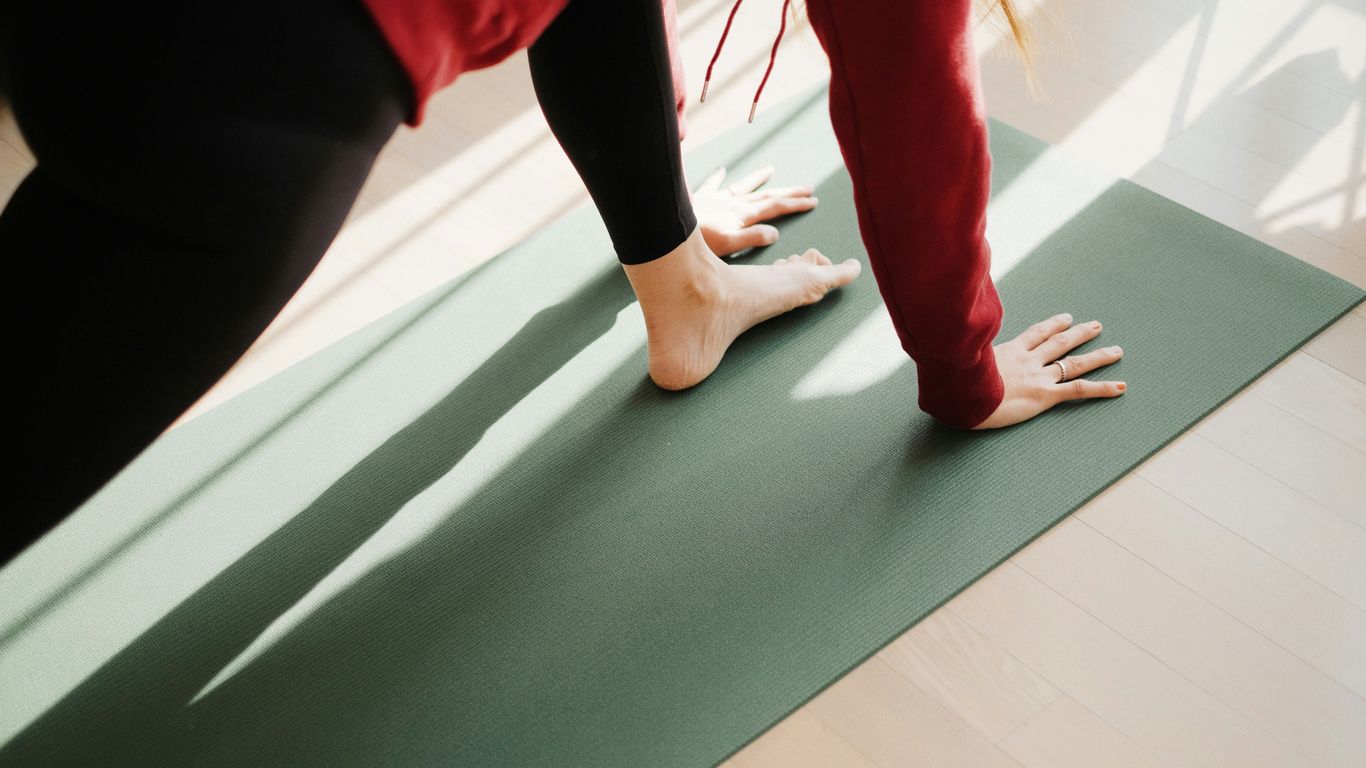
Remove loose dirt before spraying
Shake out or brush away grit before applying liquid. Fine particles can act like sandpaper when dragged across a textured surface, particularly on mats used outside or in busy studios. A dry microfiber cloth is useful for dust and hair, while a soft brush can help around edges. Once the loose debris is gone, the spray can focus on the residue that actually needs dissolving.
Apply the right amount of cleaner
Spray lightly and evenly across a manageable section rather than flooding the entire mat at once. The surface should be damp enough for the cleaner to work, not dripping. If you are following a deeper-cleaning direction that calls for a visibly wet surface, use that method only when the mat’s care instructions permit it. More liquid is not automatically more effective.
Wipe the surface without oversaturating it
Use a clean, soft cloth and work from one end to the other. Turn the cloth as it picks up residue so you are not redistributing grime. For a compact sequence that keeps the process tidy, use these steps:
- Spray one small section at a time.
- Wipe with a clean side of the cloth.
- Check the edges and high-contact areas.
- Repeat only where residue remains.
This approach limits moisture and makes it easier to notice whether the cleaner is leaving a film. It is especially handy when cleaning a mat in a hotel room, park, or shared studio.
Allow the mat to dry completely before rolling
Leave the mat flat or loosely draped in a clean, shaded place until it is dry to the touch. Rolling it while damp traps moisture and odor inside the layers. Avoid direct heat unless the manufacturer says it is safe, since heat can affect shape, finish, or elasticity. Once dry, roll it according to its normal storage instructions.
Build a practical yoga mat cleaning routine
A routine should fit the way you actually practice. Someone who rolls out a mat once a week will need a different schedule from someone who attends heated classes or shares equipment daily. The useful target is consistency, not a rigid calendar. Keep a cloth and suitable spray near your gear so cleaning takes less effort.
Quick cleaning after each practice
A fast wipe after each session removes fresh sweat before it dries. Focus on the areas where hands, knees, and feet spend the most time, then leave the mat open to dry. This small habit is easier to maintain than waiting for a thick layer of residue to build up. It also makes the next practice feel more inviting.
Weekly refreshes for regular users
If you practice several times a week, set aside a little more time for a full surface wipe. Inspect the edges, corners, and underside for dust or moisture, and use a fresh cloth rather than one that has already been used for household cleaning. A durable, washable option such as the Camo 4 is described as easy to wipe clean, but regular cleaning still depends on using the right method.
Deep cleaning for heavily used mats
A deeper clean may be needed after travel, outdoor sessions, hot classes, or visible spills. Follow the mat’s instructions for how wet it may become and whether it can be rinsed. Never force a deep-cleaning routine onto a mat that is designed for spot cleaning only. Let every part of the surface dry before storing it, including seams and textured recesses.
Cleaning mats used in shared spaces
Shared mats need prompt attention because more people handle them and because residue may be less predictable. Ask the studio what products it permits, and do not combine its cleaner with your own spray. Wipe the mat after use, keep personal cloths separate, and report any strong odor or visible contamination rather than trying to conceal it. A calm, consistent process is more useful than a harsh product used once.
Prevent common cleaning mistakes
Most mat damage comes from using the wrong product, too much moisture, or too much force. A spray bottle can make cleaning feel harmless, but the liquid still interacts with the mat’s surface and backing. Small precautions protect grip and extend the useful life of the equipment. They also make your routine easier to repeat.
Avoiding harsh household disinfectants
Bathroom, kitchen, and glass cleaners may contain solvents, bleach, ammonia, or other ingredients that can discolor or weaken a mat. Unless the mat manufacturer specifically approves a product, keep household disinfectants away from practice gear. If hygiene is a concern, ask the studio or maker for a compatible method. Stronger is not a synonym for safer.
Preventing damage from excess moisture
Too much water can seep into seams, backing, or absorbent top layers. It may also lengthen drying time and create an unpleasant smell. Use a controlled spray, wipe away excess liquid, and give the mat plenty of ventilation. Portable gear benefits from this restraint because it may be packed soon after a session.
Keeping sprays away from direct sunlight
Store the bottle in a cool, shaded place with the cap or nozzle closed. Sunlight and heat can affect some formulas, fade labels, or warm the liquid before use. Do not leave a spray in a hot car beside your mat. A small storage pouch can keep both items together without exposing them to unnecessary heat.
Knowing when cleaning is no longer enough
Cleaning cannot repair peeling, deep cracking, persistent odor from internal damage, or a surface that has permanently lost its grip. If the mat stays slick after careful rinsing and drying, inspect it closely and compare its condition with the maker’s replacement guidance. A fresh, reliable surface is safer and more pleasant than repeatedly trying stronger cleaners. For practical product decisions, even broader guides such as local marketing planning underline the value of checking needs before choosing a solution; the same principle applies here.
Conclusion
Choosing a spray for yoga mat cleaning becomes simpler when you start with the material, read the ingredients, and use only as much moisture as the surface needs. Wipe regularly, dry completely, and let the manufacturer’s instructions settle any uncertainty. With a modest routine, your mat can stay cleaner, grippier, and easier to carry from home to studio, park, or hotel room.
Frequently Asked Questions
How often should I use a spray for yoga mat cleaning?
A light wipe after each practice is a practical starting point, especially after sweaty sessions. Adjust the frequency for outdoor use, shared spaces, visible residue, and the mat manufacturer’s instructions.
Can I use the same spray on every type of yoga mat?
No. Natural rubber, PVC, vinyl, TPE, and specialty surfaces can have different care requirements. Check the label and test an unfamiliar cleaner on a small area first.
Should I spray both sides of my yoga mat?
Only if the care instructions allow it and both sides need cleaning. Usually, focus on the practice surface and spot-clean the underside when dust or moisture is present.
Can essential oils damage a yoga mat?
They can be unsuitable for some materials, particularly when concentrated or used repeatedly. Review the ingredient list, follow the mat maker’s guidance, and stop using the product if the surface changes.
Is vinegar safe for all yoga mats?
No single homemade ingredient is safe for every mat. If you use a vinegar-based recipe, confirm that the manufacturer permits it and test a hidden area before applying it broadly.
How long should a yoga mat dry before rolling?
Wait until the entire surface and any textured or layered areas are dry to the touch. Drying time varies with humidity, ventilation, and how much cleaner was used.
When should I replace my yoga mat instead of cleaning it?
Consider replacement when the mat has deep cracks, peeling, permanent odor, or unreliable grip that careful cleaning cannot improve. A damaged surface may no longer provide a dependable practice base.

