
How to choose a yoga mat: Your guide to finding the yoga mat best quality for your practice
Key Takeaways
The best yoga mat is the one that suits your body, practice, and routine rather than simply having the highest price tag.
- Match cushioning and grip to the types of yoga you practice most.
- Check material, odor, allergy information, and manufacturing details before buying.
- Balance thickness and stability against weight if you carry your mat often.
- Choose a surface that stays dependable in both dry and sweaty conditions.
- Clean, dry, and store the mat properly so it performs well for longer.
Understand what makes a yoga mat high quality
A high-quality mat should feel dependable from the first few minutes of practice through many months of regular use. That means more than a pleasant color or a soft first impression. Look for a thoughtful balance of durability, cushioning, traction, and practical handling. The right combination will depend on how and where you practice.
Material durability and long-term performance
Durability begins with the surface and the way the layers are bonded together. A mat that curls at the edges, flakes under repeated use, or develops thin spots quickly can become distracting and unsafe. Examine reviews and product information for clues about tear resistance, colorfastness, and how the mat holds its shape after being rolled and unrolled.
A durable mat does not have to feel hard or heavy. It should remain consistent beneath your hands and feet, without becoming noticeably slick or compressed in the places you use most. Long-term consistency matters more than a dramatic first-use texture.
Cushioning, stability, and floor support
Cushioning should soften contact with a firm floor without making every balance pose feel unstable. Very soft foam can feel comfortable under the knees but may allow hands and feet to sink during transitions. A denser mat generally gives clearer floor feedback, while a thicker surface can be useful if your practice includes kneeling or long restorative holds.
Consider the floor beneath the mat, too. Hardwood, tile, carpet, and outdoor surfaces each change how much support you feel. If your wrists or knees are sensitive, test the mat in the positions that usually bother you rather than judging it by thickness alone.
Grip in dry and sweaty conditions
Grip is not one single quality. Some surfaces feel pleasantly tacky when dry but become slippery with perspiration; others use texture or moisture resistance to maintain traction as a session warms up. Think about whether you tend to move slowly, hold poses, or transition quickly between them.
For heated classes, a towel can add another layer of practicality, especially when you want to keep the mat itself easier to clean. The goal is confident movement without needing to clench your toes or hands to stay in place.
Thickness, weight, and portability trade-offs
Thickness, weight, and packability always pull in different directions. A thick mat may offer more comfort, but it can take up more room in a bag and may feel less stable for standing work. A thin travel mat is easier to carry and can be placed over a studio mat, though it may provide less protection on a hard floor.
Before buying, picture your normal routine: commuting to class, practicing in a hotel room, or leaving the mat in a home studio. A mat that is easy to transport is more likely to be used consistently.
Match the mat to your yoga style
Your practice gives you a useful shortcut when comparing mats. A person who travels between hotel rooms and parks needs a different balance than someone who practices slow floor-based poses at home. There is no universal winner, but there is a sensible starting point for each routine.
Lightweight mats for travel and gentle practices
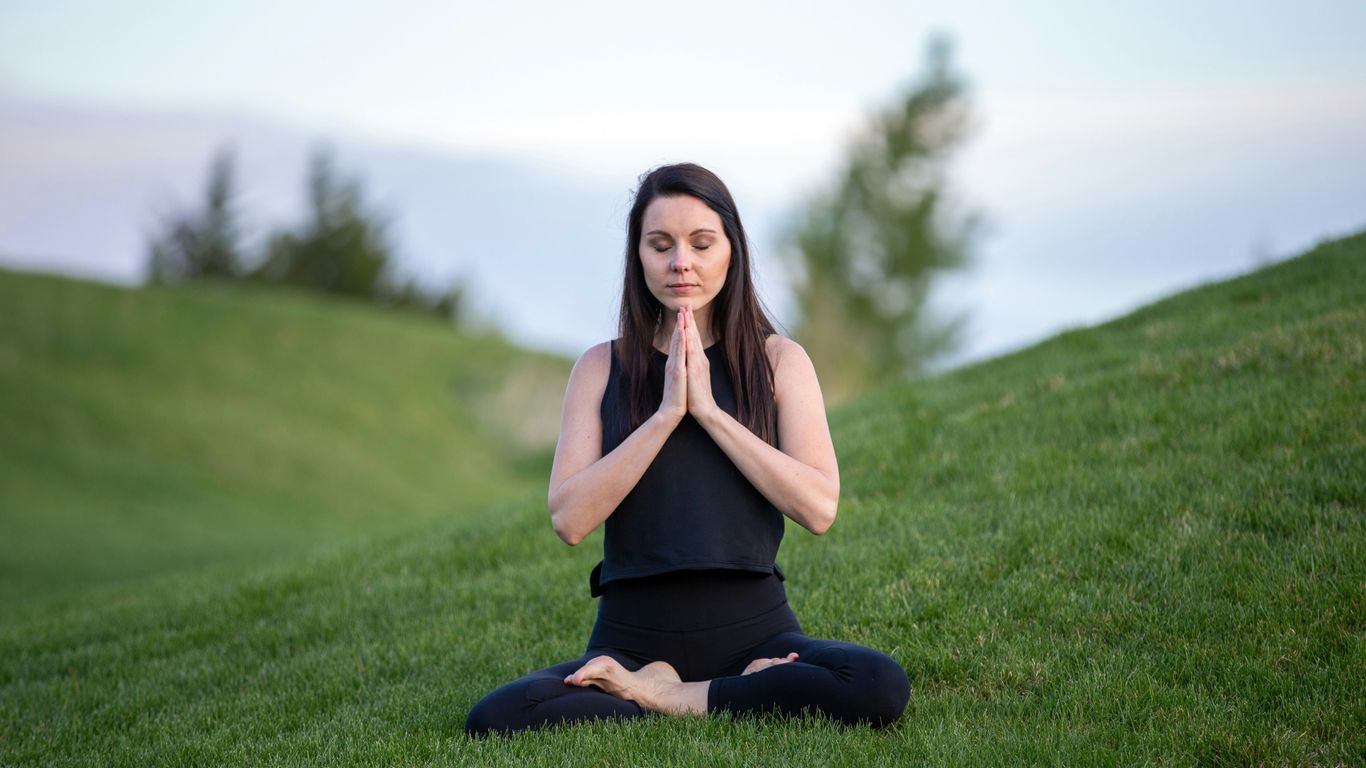
Travel mats are useful when portability is part of the decision rather than an occasional bonus. Thin, light designs fit more easily into luggage and can be layered over another surface for extra separation. For gentle practice, stretching, or meditation, that lower profile may be perfectly comfortable.
If you regularly practice away from home, compare the folded or rolled size as carefully as the listed weight. Yune Yoga’s Moab Plains Yoga Mat is described as lightweight and travel-friendly, with a closed-cell PER material that is easy to clean. Those are practical details for a mat that may move between studios, parks, and hotel rooms.
Supportive mats for restorative and beginner yoga
Beginners often benefit from a surface that feels predictable while they learn positioning. A moderate amount of cushioning can make kneeling and seated work more approachable, but too much softness can make standing poses feel vague. Restorative practitioners may prefer a little more comfort because poses are held for longer periods.
A supportive mat should also lie flat and give you enough room to adjust without stepping off its edges. When possible, try a few basic poses before deciding whether the cushioning feels supportive or merely squishy.
Grippy mats for hot yoga and vigorous flows
Fast flows and heated rooms place extra demands on traction. Look for a surface that is described for non-slip use and consider whether its grip is intended to work with moisture. You may still prefer a towel for heavy perspiration, but the mat should not become unpredictable after a few rounds of movement.
The Yune Yoga Hoth Yoga Mat is described as offering non-slip traction that improves as you heat up, along with balanced density for joint comfort and floor connection. That documented combination makes it a relevant style of mat to consider for vinyasa or hot yoga, rather than assuming every textured mat will behave the same way.
Stable mats for balance poses and strength-focused sessions
Balance poses call for a surface that does not shift or compress excessively under one foot. Strength-focused sessions also benefit from a firm base for planks, lunges, and controlled transitions. In these cases, a slightly denser mat may feel more reassuring than the plushest option.
Check the underside as well as the top. Reliable contact with the floor can matter just as much as hand and foot traction, particularly if you practice on smooth wood or tile.
Compare common yoga mat materials
Material names can help narrow the field, but they do not tell the whole story. Thickness, texture, density, and construction can make two mats made from similar materials feel very different. Treat material as one part of the decision, then compare the finished surface and care requirements.
Natural rubber for traction and cushioning
Natural rubber is often chosen for its naturally grippy feel and cushioning. It can suit dynamic practices where traction is a priority, although the material may have a noticeable smell at first. People with latex sensitivities should read the product information carefully before choosing it.
The Yune Natural Rubber Yoga Mat is described as a 6mm mat made from sustainable, biodegradable natural rubber, with non-slip grip for hot yoga and dynamic flows. Its source also describes cushioning for restorative poses, so it illustrates how one material can be positioned for more than one practice style.
PVC for durability and consistent grip
PVC mats are widely known for their durability and relatively consistent surface feel. They can be easy to wipe down and may hold up well to frequent use, but buyers who are concerned about chemical ingredients should investigate the exact formulation and any available testing information.
A PVC mat can still be comfortable and stable, yet the label alone cannot tell you whether its texture will suit sweaty hands. If possible, look for clear care instructions and independent, specific material disclosures rather than relying on broad claims.
TPE for lightweight, affordable performance
TPE is used in many lightweight mats and can offer a softer feel without the weight of some denser materials. It may appeal to beginners or anyone who wants an affordable mat for occasional use. As with other materials, quality varies with the formula and construction.
Pay attention to whether the mat stays flat, how easily it marks, and whether the surface changes after cleaning. A low price is more useful when the mat still meets your needs for traction and support.
Cork and other sustainable surface materials
Cork and other plant-based surface materials appeal to buyers who want a different tactile experience or a more sustainability-minded choice. Cork can feel firm and natural, while its traction may change with moisture and the backing material beneath it. Ask how the surface is sealed and how it should be cleaned.
Sustainability is not only about the top layer. Consider the whole product, including adhesives, inks, packaging, expected lifespan, and disposal options. A mat used for years may be a more practical choice than one that needs frequent replacement.
Evaluate safety, comfort, and sustainability
A mat sits close to your skin and face, often in a warm room, so material transparency deserves attention. Product descriptions should identify the main material and disclose relevant exclusions or allergy warnings. Comfort matters, but it should not require you to guess what you are bringing into your practice space.
How to identify non-toxic materials
Look for precise language rather than vague phrases such as “natural” or “clean.” Useful details can include whether the mat is latex-free, phthalate-free, made without heavy metals, or tested against a stated standard. If a claim is central to your purchase, check whether the manufacturer explains what it means.
For a broader look at questions surrounding PVC, PU, and TPE formulations, this non-toxic yoga mat guide can help you build a more careful checklist. It is still wise to confirm the details for the specific mat you are considering, since material categories can contain many different formulations.
Latex and other allergy considerations
Latex is the clearest allergy question for many shoppers, especially when considering natural rubber. A latex-free label can simplify the search, but sensitive users should also consider dyes, finishes, adhesives, and cleaning products. When information is missing, contact the manufacturer rather than making an assumption.
Skin comfort is personal. If you are prone to irritation, test a small area when possible and stop using the mat if you notice a reaction. Similar caution applies to any accessory that stays against the skin for long periods, including natural personal lubricants, where ingredient and sensitivity information also deserves close attention.
Responsible manufacturing and environmental impact
Environmental claims should be viewed as a complete picture. A material may be renewable or recyclable, yet the product can still have a significant footprint if it is difficult to transport, wears out quickly, or cannot be disposed of responsibly. Longevity, packaging, printing methods, and shipping practices all belong in the conversation.
Ask whether the manufacturer explains its materials and care instructions clearly. A transparent answer is often more useful than a broad sustainability slogan.
Odor, off-gassing, and break-in requirements
Some new mats have an odor that fades after airing out, while others need a short break-in period before their grip feels right. Open the packaging in a ventilated area and follow the care instructions rather than masking the smell with strong cleaners. If an odor remains intense or causes discomfort, discontinue use and ask the manufacturer for guidance.
A break-in period is not automatically a defect, but it should be described honestly. New users may otherwise mistake a temporary surface feel for poor quality.
Choose the right specifications for your needs
Specifications are most helpful when translated into your actual practice. Write down where you use the mat, which poses feel uncomfortable, and how often you carry it. Then compare measurements and construction details against that routine instead of shopping by a single headline feature.
Selecting the ideal mat thickness
A common middle range works for many people because it balances cushioning with floor feedback. Thicker mats can feel kinder under knees and hips, while thinner mats often pack more easily and support a grounded feel in standing poses. Your floor and body comfort should guide the choice.
Use the listed thickness as a starting point, not a guarantee of softness. Density and construction can make a 6mm mat feel firmer or plusher than another mat with the same measurement.
Finding the right length and width
A mat should give you enough room to move through your regular sequence without constantly repositioning. Taller practitioners may appreciate extra length, while a wider mat can help if your hands and feet often land near the edges. Also measure the space where you store it.
Dimensions become especially practical when you practice outdoors or share a small room. A roomy mat is helpful only if you can carry and place it comfortably.
Comparing open-cell and closed-cell surfaces
Open-cell surfaces can feel absorbent and grippy, but moisture and oils may remain within the texture if the mat is not cleaned well. Closed-cell surfaces resist absorbing as much moisture and are often simpler to wipe down. Neither option is automatically best; the right choice depends on sweat, cleaning habits, and the feel you prefer.
For regular travel, a moisture-resistant surface can reduce fuss after practice. Follow the manufacturer’s instructions, since harsh cleaners or prolonged soaking can damage even a well-sealed mat.
Checking alignment markings and textured finishes
Alignment markings can offer a useful visual reference for hand placement, foot position, and the direction of your practice. They are not essential, but beginners and people practicing alone may appreciate the extra orientation. A textured finish can also support traction, though an aggressive texture may feel uncomfortable during seated poses.
Compare the design with your priorities. The following quick guide keeps the trade-offs visible when several mats seem similar:
| Priority | Specification to examine | Why it matters | Possible trade-off |
|---|---|---|---|
| Joint comfort | Thickness and density | Softens contact with hard floors | May add weight or reduce stability |
| Travel | Folded size and total weight | Makes regular transport easier | Often provides less floor cushioning |
| Sweaty practice | Surface texture and moisture response | Helps maintain traction | May require more frequent cleaning |
| Easy care | Closed-cell construction and care instructions | Simplifies wiping and drying | Can feel less absorbent |
Use the table as a comparison tool, not a scoring system. The most suitable mat is the one whose compromises match your routine, budget, and preferred practice environment.
For people balancing several purchases at once, disciplined comparison helps. A study abroad financing resource is obviously a different kind of decision, but the same habit applies: check terms, dimensions, limits, and ongoing costs instead of focusing on one attractive feature.
Care for a high-quality yoga mat
Even a well-made mat needs ordinary care. Sweat, skin oils, dust, sunlight, and repeated folding can change the surface over time. A few simple habits will preserve the texture and make it more pleasant to use.
Cleaning routines for different materials
Start with the manufacturer’s instructions and use a gentle, diluted cleaner when one is allowed. Wipe the surface after sweaty sessions, and avoid saturating materials that are not designed to absorb water. Strong solvents, abrasive sponges, and essential oils can leave residue or affect the finish.
A moisture-resistant mat may be especially convenient for daily practice because it can be wiped clean quickly. Keeping a small cloth in your yoga bag can make that routine easier to maintain.
Drying and storage to prevent damage
Let the mat dry fully before rolling it up. Trapped moisture can encourage odor and may weaken some surfaces over time. Store it away from direct heat and prolonged sunlight, which can fade printed artwork or change the material.
Roll the mat according to its care instructions, usually with the practice surface facing outward or inward as directed. Avoid leaving heavy objects on top of it, since creases can become permanent.
Protecting the surface during transport
A strap, sleeve, or bag prevents the mat from rubbing against rough floors and keeps dust away while you travel. If you fold a mat, use the manufacturer’s recommended fold pattern rather than forcing it into a tight corner. Keep wet towels separate from the mat until both are dry.
For travel logistics, even a simple out-of-office message guide can be a useful reminder that preparation reduces friction; the same is true when packing a mat, towel, and strap before leaving home. A little planning keeps the practice kit compact and ready.
Knowing when to replace your mat
Replace the mat when it no longer stays stable, the surface has worn smooth in key areas, or cracks and tears affect your footing. Persistent odor, flaking, and curling edges are also signs that cleaning alone will not restore performance. Do not wait for a failure during a demanding pose.
A mat does not need to look perfect to be usable, but it should remain predictable. If you are comparing replacement options, The Traffic Secrets Book, Braveminds Academy, and other unrelated resources are reminders to keep this search focused on the specifications and support that actually apply to your practice.
A thoughtful replacement decision should also account for disposal. Check local recycling or manufacturer take-back guidance where available, and choose a mat you expect to use for a long time.
Conclusion
Finding a yoga mat best quality for your practice comes down to matching material, grip, cushioning, dimensions, and care needs to the way you actually move. Start with your most frequent practice and the places you use the mat, then weigh comfort against stability and portability. A dependable mat does not need to be complicated; it needs to feel secure, fit your routine, and remain easy to care for.
Frequently Asked Questions
What makes a yoga mat high quality?
A high-quality yoga mat combines durable construction, dependable grip, suitable cushioning, and a surface that remains comfortable and stable over time. Clear material and care information is another useful sign.
Is a thicker yoga mat always better?
No. Extra thickness can improve comfort on hard floors, but it may reduce stability or make the mat heavier to carry. Choose thickness according to your joints, practice style, and storage needs.
Which yoga mat material is best?
There is no single best material for everyone. Natural rubber, PVC, TPE, cork, and other materials differ in grip, weight, odor, care requirements, and environmental considerations.
What is the best yoga mat for hot yoga?
Choose a mat with reliable traction in moist conditions and a surface that can be cleaned easily after class. A yoga towel may also help manage heavy perspiration.
How do I stop my yoga mat from slipping?
Clean away oils and residue, place the mat on a dry, suitable floor, and check whether the surface is compatible with your level of perspiration. If it still shifts or feels slick, the mat may not suit your practice.
How often should I clean my yoga mat?
Wipe it after sweaty sessions and give it a more thorough cleaning as needed. Follow the material-specific care instructions and allow the mat to dry completely before storing it.
When should I replace my yoga mat?
Replace it when it loses reliable traction or stability, develops tears or cracks, sheds material, or retains an unpleasant odor despite proper cleaning. Performance and safety matter more than appearance alone.