

How to choose a yoga mat with carrying strap
Key Takeaways
A good yoga mat with carrying strap is one that fits your rolled mat and feels comfortable on the route you actually take. A few practical checks can make the choice much easier.
- Match the carrier’s range to your mat’s length, width, and rolled thickness.
- Choose between a simple sling, attached straps, or a bag based on what you need to carry.
- Check how the strap adjusts and whether the mat stays secure when you move.
- Consider weight, weather, and how you will clean and dry the materials.
- Inspect closures and stitching, and weigh durability against price and versatility.
Understand the different strap designs
A mat carrier can be as simple as two loops and a length of webbing, or it can be part of a more substantial bag. The right design depends on how quickly you want to secure your mat and whether you need room for anything else. Think about how the carrier sits on your body, too, rather than choosing by appearance alone. A small design detail can make a noticeable difference on a regular commute.
Integrated straps versus detachable carriers
Some mats come with straps or a holder that stays attached, while other carriers can be removed when you unroll the mat. An integrated option is convenient when you want one simple piece of gear and do not mind storing it with the mat. A detachable carrier gives you more flexibility: you can leave it behind during practice or use it with another compatible mat. Check how the straps are secured and whether they will get in the way when the mat is laid flat.
Sling-style straps and how they secure the mat
A sling usually holds a rolled mat with a loop at each end, with the strap connecting those loops over your shoulder. It leaves much of the mat exposed, so it is quick to put on and take off, but it does not provide the coverage of a bag. The loops need to grip the roll without squeezing it so tightly that it becomes difficult to remove. For a broader comparison of yoga mat strap styles, consider how the fastening method suits the way you pack and travel.
Buckle and loop closures
Closures vary from simple fabric loops to buckles and adjustable fasteners. A loop can be quick and unobtrusive, while a buckle may make it easier to change the fit around a thicker roll. Try the closure a few times before deciding; it should feel straightforward to tighten and release without the mat unwinding. If the carrier uses a strap that needs to stay centered, the basic idea is similar to securing a Tesla neck pillow strap: position it evenly, smooth out twists, and check that it does not bunch or slip.
When a separate yoga mat bag may be more practical
A sling is a good fit when carrying the mat is the main job. If you also bring a change of clothes, a water bottle, or small accessories, a separate bag can keep those items together and give the mat more coverage. A bag takes up more space and may feel warmer against the body, so consider whether its extra storage will actually be useful. Some people comparing options also look at yoga mat carriers to weigh slings against totes and backpacks.
Match the strap to your mat
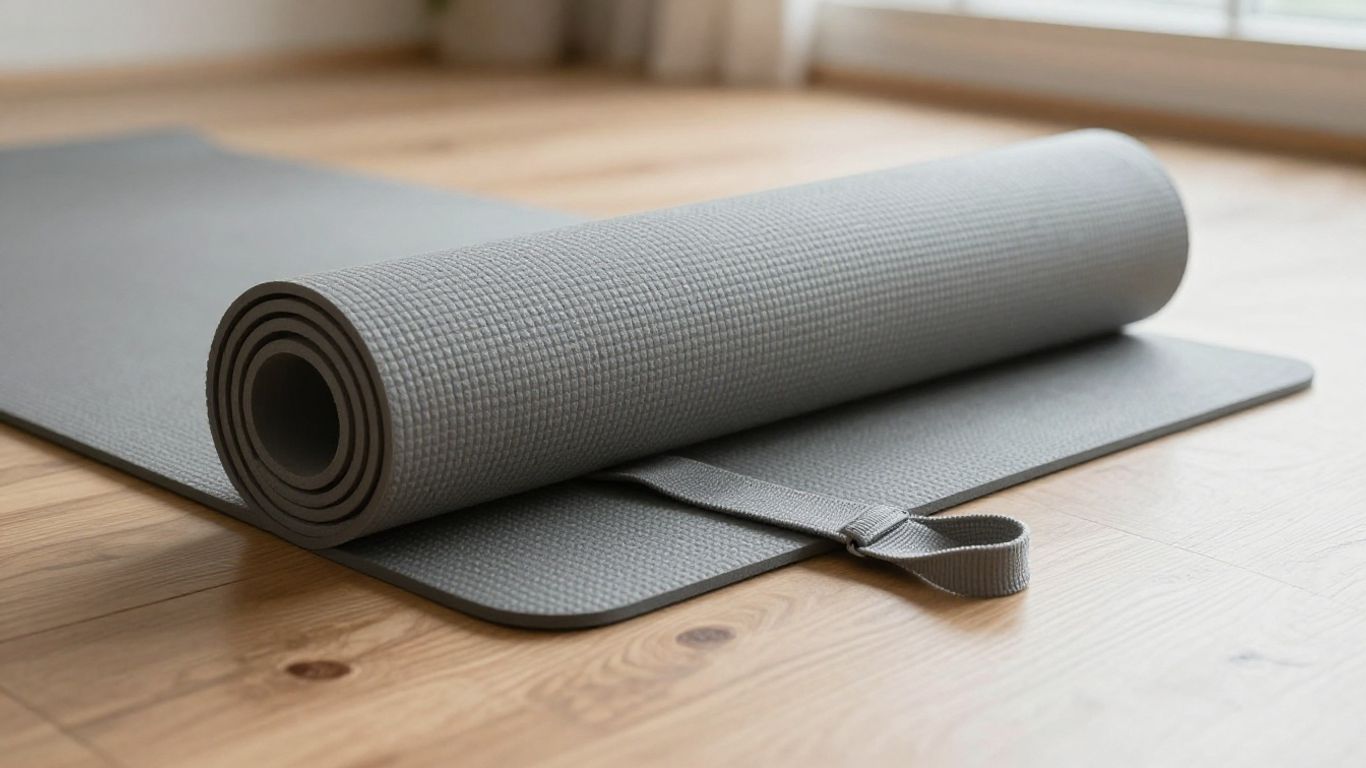
A carrier can look sturdy and still be a poor fit for your particular mat. Check the mat’s dimensions and how it behaves when rolled, not just the carrier’s product name or general size description. A snug, balanced fit helps keep the roll from slipping as you walk. A photo of the mat beside a tape measure can make shopping online less of a guess.
Check mat length, width, and thickness
Start with the mat’s length and width, then consider how thick it is. A wide or extra-thick mat creates a larger roll, which may not fit comfortably through short or narrow loops. If the carrier lists a size range, compare it with the mat’s actual measurements rather than assuming a standard mat size. Leave enough room for the loops to sit securely without stretching or distorting the material.
Consider how tightly the mat rolls
Two mats with similar measurements can form different-sized rolls. A grippy surface, a soft material, or a mat that has been used for a while may affect how tightly it closes. Roll your mat as you normally would and check whether it stays compact before deciding on a carrier. If it naturally springs open, look for a design that can be tightened enough to hold it without constant readjustment.
Compare strap adjustability and closure range
Adjustability matters when the mat’s roll size changes or when more than one person may use the carrier. The table below offers a simple way to compare the kinds of design details you may encounter; specific range and fit depend on the product. Look for a closure that can tighten securely while remaining easy to release.
| Carrier detail | What to check | Why it matters |
|---|---|---|
| Fixed loops | Opening size and stretch | The loops must fit around the rolled mat |
| Adjustable loops | Tightening range | More range can accommodate different roll sizes |
| Buckle closure | Ease of fastening | A simple closure is easier to use between sessions |
| Shoulder strap | Length and adjustment | A suitable length helps the mat sit comfortably |
Use the table as a prompt for checking actual dimensions and construction, not as a substitute for them. If the product details are unclear, compare the carrier with your mat rolled and ready to go.
Make sure the carrier supports the mat securely
Once the loops are in place, lift the mat and give it a gentle shift from side to side. The roll should remain supported at both ends rather than sliding through one loop or sagging heavily in the middle. A centered strap helps the mat hang evenly, while twisted or uneven loops can make it tilt. Choose a fit that holds the roll without pressing hard enough to leave deep marks.
Choose materials for comfort and durability
The strap material affects how it feels against your shoulder, how much it weighs, and how easily it can be cleaned. There is no single fabric that is best for every routine: a carrier used for a short walk has different demands from one carried in all kinds of weather. Look closely at the details where the strap meets the loops, since that is where regular pulling and lifting are concentrated. A little attention to construction can prevent a frustrating mismatch.
Cotton and other woven fabrics
Cotton and woven fabrics often have a softer, more familiar feel than narrow slick webbing. Their comfort can vary with the weave and width, so touch the strap if you can, or check how it is described and finished. Woven fabric may absorb moisture, which makes thorough drying important after a sweaty session or a rainy walk. Yune Yoga offers durable yoga straps, a practical option to consider when comparing strap materials and their intended use.
Nylon and synthetic webbing
Synthetic webbing is often chosen for its light feel and simple construction, but the quality and finish vary by product. Check whether the strap feels rough at the edges or slides against clothing when worn over a shoulder. If you expect the carrier to get damp, read the care instructions rather than assuming the material dries or cleans in a particular way. The feel in your hand is useful, but the finish and stitching deserve a look as well.
Padding and shoulder comfort
A wider or padded shoulder section can spread contact over more area, though added bulk may make the carrier less compact. Try the strap over the kind of clothing you usually wear to class, since a thin top and a jacket can feel quite different. With heavier mats, pay attention to pressure at the shoulder and whether the strap stays in place as you walk. Comfort is personal, so a brief fit test is more informative than a product photo.
Stitching, buckles, and other stress points
Examine the places where loops connect to the shoulder strap and where any buckle or adjuster bears tension. Stitching should look even, with no loose threads or obvious gaps; hardware should move smoothly and close without a struggle. These are also the parts to revisit after regular use, as repeated pulling can loosen seams or wear down a closure. Yune Yoga describes its yoga straps as durable, but for any carrier, check the specific construction and care guidance before buying.
Consider how you plan to use it
A carrier that works well for a quick trip to class may be less useful when you walk, cycle, or carry extra gear. Think through the whole route, including where the mat will sit while you are moving and where you will put it when you arrive. A compact strap can be easy to tuck away, while a bag may be better for organizing small belongings. Choose for the routine you have, with room for the occasional change of plan.
Carrying a mat to class
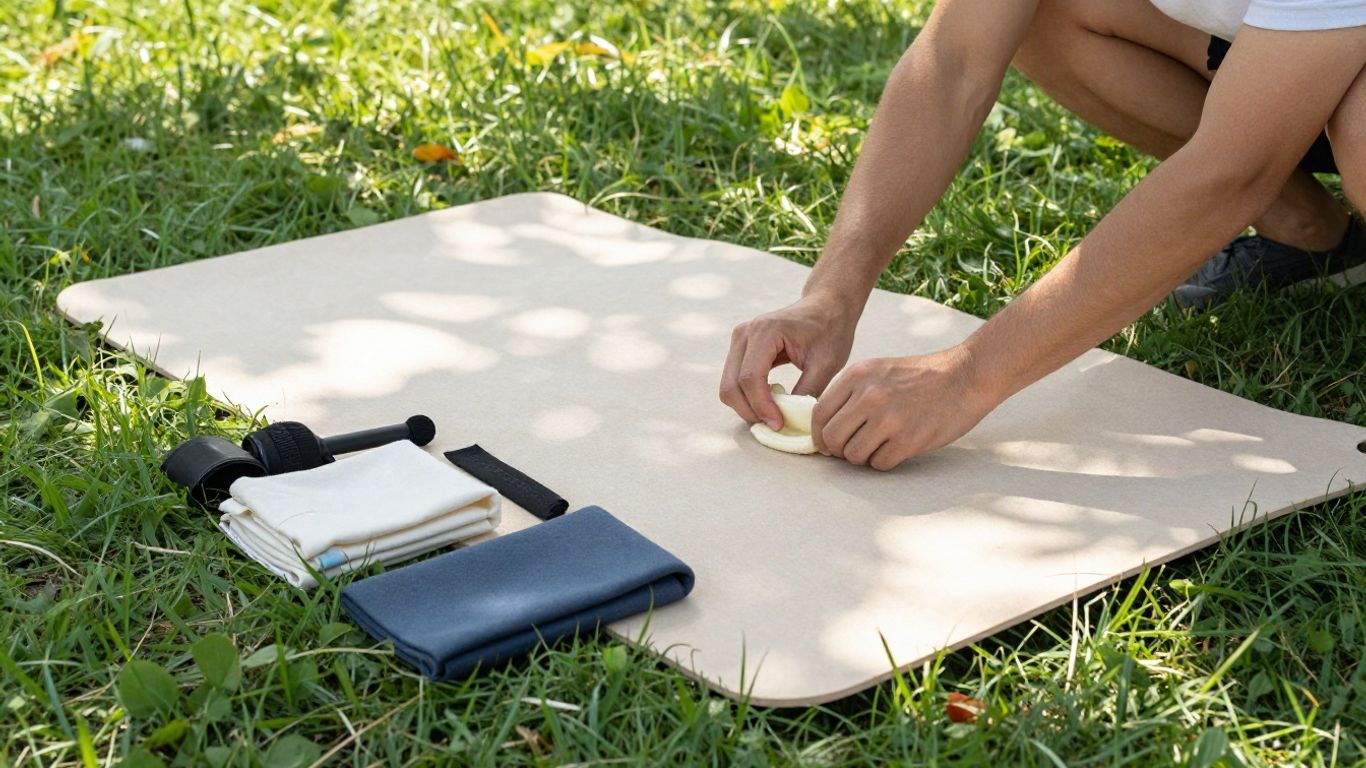
For a short walk from the car or transit stop, ease of use may matter more than extra storage. A sling that is simple to fasten and remove can be enough if you carry only the mat. If you regularly bring a towel or a change of clothes, look for a separate place for those items rather than expecting the strap to do everything. Yune Yoga offers absorbent yoga towels, which may be useful as a separate practice accessory to pack alongside your mat.
Walking, cycling, or using public transit
For a longer walk or a crowded commute, think about whether the mat stays close to your body and leaves your hands reasonably free. While trying on a carrier, walk around and see whether the roll bumps your hip, swings behind you, or catches on clothing. Cyclists should also check that the mat can be carried without interfering with their movement or other gear. Before setting out, it can help to verify business hours and any schedule details for your destination, just as you would confirm the carrier fits your route.
A quick walk test at home can reveal more than adjusting the strap while standing still. If the mat shifts each time you turn, reposition the loops or try a different carry style before relying on it for a longer trip.
Traveling with extra yoga gear
When you bring more than a mat, a bag or backpack can keep small items together and make the load easier to manage. Consider what you actually carry: a towel, a water bottle, and a few personal items can call for different storage than a change of clothes. Yune Yoga’s foldable travel mats are designed to be thin, light, and easy to pack, a useful feature to consider when fitting a portable setup into luggage. Travelers who are also planning an event may already have a list of details to confirm, such as Hawaii wedding questions, but the mat carrier still needs to suit the space available in your own bag.
Storing the mat between sessions
A simple strap can keep a rolled mat tidy when you are not using it, but avoid putting it away damp. Store the mat where it can air out between sessions, and do not leave a tight strap around it for longer than needed if the material is easily creased. If a compact setup suits your space, a foldable mat and removable carrier can be easier to put away than a large bag. The best storage choice is one that keeps the mat accessible without trapping moisture.
Balance portability with support
Lightweight gear is easier to carry, but the lightest option is not automatically the most comfortable or secure. The mat itself, its cover, and anything else you carry all add to the total load. Once you have a carrier in mind, try it with the mat rather than judging the strap on its own. A few minutes of testing can reveal whether the balance feels right for your usual distance.
Estimate the total carry weight
Consider the weight of the rolled mat and the things that travel with it, not just the carrier. If you walk or use transit, a small difference can matter more over a longer route than it does from a parking space to a studio door. A thin, light mat may be easier to pack, while additional accessories increase the load. Make a realistic estimate based on what you carry most days, rather than preparing for every possible outing.
Look for a strap that stays in place
A strap that slides off your shoulder can turn a short trip into repeated adjustments. Check its width, surface, and how it sits over your usual clothes; then walk a few steps and see whether it stays where you put it. If the strap can be repositioned, make sure the adjustment does not loosen as you move. Small fitting changes may help, but persistent slipping can mean the style or length is not right for you.
Check whether the mat swings or shifts
The mat should hang steadily rather than swinging into your side with every step. Adjust the loops so they sit at opposite ends of the roll, then check that the strap runs straight between them. When a mat twists or slides, stop and reset it instead of compensating by holding it awkwardly. A secure setup makes it easier to keep your attention on the route ahead.
Decide if a crossbody or shoulder carry suits you
A shoulder carry is quick to put on, while a crossbody position may feel more stable to some people on a longer walk. Neither is universally better: the mat’s size, the strap length, and your clothing all affect the fit. Try both positions if the carrier allows it, and check that the mat does not obstruct your arm or shift when you turn. If you are evaluating how a detail affects the overall look of an outing, even reading about London restaurant designers is a reminder that practical use and appearance can be considered together; for your carrier, comfort should remain the deciding factor.
Compare care and long-term value
A carrier that is easy to maintain is more likely to stay in regular rotation. Cleaning needs depend on the fabric and closure, so follow the maker’s care instructions rather than relying on a guess. Think about how often you will use the carrier and whether it can serve more than one mat or routine. A sensible purchase is not necessarily the cheapest one; it is the option that remains useful and comfortable over time.
Cleaning the mat and strap
Check whether the strap can be detached before cleaning and whether the manufacturer recommends hand washing or another method. Keep the mat’s care needs in mind as well, since its surface may require different treatment from the carrier. After a class or outdoor session, remove visible dirt before it becomes harder to deal with, and avoid harsh cleaning methods unless the care instructions allow them. Yune Yoga’s absorbent yoga towels are designed for yoga practice, but a towel and a mat carrier are separate items with different care needs.
Drying materials fully after use
If the strap gets wet or sweaty, let it dry fully before putting it away. Damp fabric stored in a bag can stay unpleasant longer, so hang the carrier where air can reach its full length. Give the loops and stitched areas extra time, as thicker joins may dry more slowly than the open strap. This small habit helps keep both the carrier and the storage space fresher.
Inspecting closures and stitching
Make a quick habit of checking the loops, buckles, and seams before carrying the mat. Watch for fraying, loose stitches, stretched loops, or a closure that no longer holds firmly. A strap that feels secure today can wear gradually, especially if it is used often or routinely carries a heavy roll. If a component looks damaged, stop using it until you know the mat can be carried safely.
Weighing price against durability and versatility
Compare what is included, how the carrier fits your mat, and whether it suits more than one kind of outing. A simple design may be all you need for a short commute, while a bag could be worth the extra cost if you regularly carry other items. When weighing choices, focus on clear product details and realistic use rather than promises alone. This kind of practical comparison is useful for many purchases, including choosing a construction contractor: define what you need first, then assess the options against it.
To make that comparison concrete, jot down the few things you will check every time you use the carrier:
- Does it fit the mat when rolled the way you normally roll it?
- Can you fasten and release it without fuss?
- Does it stay comfortable and steady along your usual route?
- Can you clean and dry it according to its care instructions?
If an option meets those everyday needs and feels well made, it may offer better value than a feature-heavy design you rarely use. The right choice should make carrying and storing your mat simpler, not add another thing to manage.
Conclusion
Choosing a yoga mat with carrying strap comes down to fit, comfort, and the details of your routine. Check how your mat rolls, test the carrier while moving, and take a close look at closures and materials before you buy. Whether you prefer a spare sling or a bag with room for accessories, choose the design that makes getting to your practice feel straightforward.
Frequently Asked Questions
How do I know whether a strap will fit my yoga mat?
Compare the carrier’s stated range with your mat’s length, width, and rolled thickness. If possible, test the loops around the mat after rolling it as you normally would.
Is a sling or a yoga mat bag better?
A sling is simple and compact when you only need to carry the mat. A bag may suit you better if you want storage or more coverage for additional gear.
Can I use one carrier with different mats?
That depends on the carrier’s adjustment range and the size of each rolled mat. Check that the loops can hold every mat securely without being overstretched.
Should a yoga mat strap be padded?
Padding can feel more comfortable on a longer walk or with a heavier mat, though it can add bulk. Try the strap over your usual clothing to see how it feels.
How should I clean a yoga mat carrying strap?
Follow the care instructions for the specific material and closure. If the strap becomes damp, let it dry fully before storing it.
Why does my mat shift while I carry it?
The loops may be uneven, too loose, or poorly matched to the size of the roll. Reposition them at opposite ends and check the fit before walking farther.
Can I leave the strap on my mat between uses?
You can, if the design and mat material allow it, but remove or loosen it if it leaves pressure marks. Make sure the mat is dry before storing it with the strap attached.

