

Folding yoga mat: how to choose the right one for travel and daily practice
Key Takeaways
A folding yoga mat can make daily practice easier to take along, but the right choice depends on how you use it and where you unroll it. Focus on the feel underfoot as much as the folded size.
- Folded mats pack differently from rolled mats, so check the shape and packed dimensions.
- Choose thickness with both cushioning and balance in mind.
- Consider surface grip, texture, and how the mat feels against your skin.
- Check the mat’s length, fold points, and care instructions before buying.
- Let your usual practice space and routine guide the choice.
How folding yoga mats differ from roll-up mats
A folding yoga mat packs into stacked panels rather than a cylinder, which can make it easier to fit into a suitcase or a small storage space. That convenient shape changes how the mat sits in a bag and how it lies on the floor. Before choosing one, think about where you will carry it and how often you will set it up. Those everyday details matter more than the word “foldable” on a product page.
Folded shape and packed size
Folded mats are often easier to tuck beside clothes or other gear than a rolled mat, but the folded footprint varies by design. Look for the packed dimensions as well as the mat’s full length and width; a slim panel stack can still take up room in a small bag. A foldable mat design is one example of how a mat can fold for storage and use, but your own bag dimensions are the useful test. If possible, compare the listed size with something you already carry.
Weight and portability
A compact shape helps, but weight determines whether you will actually want to bring the mat along. A mat carried to a nearby class has different demands from one packed for a flight or a long walk. The Calacatta Foldable Travel Yoga Mat is described as a lightweight 2mm PVC-free mat that folds compactly for travel and has a non-slip surface. Treat those details as a starting point, then check whether the construction and feel suit your own routine.
Setup and storage at home
At home, a folding mat can be handy when floor space is shared or storage is limited. It opens without needing the extra clearance that a rolled mat may require, and it can be put away between sessions. Still, creases and fold lines may feel different from an uninterrupted surface, so give the mat a trial setup before class or travel. A short video of a mat being opened and packed can also help you picture the process.
The best storage arrangement is one that keeps the mat dry and lets it rest without heavy items pressing on the folded edges. If it lives in a cupboard, make sure it can be removed without dragging across rough surfaces.
Choosing thickness and cushioning
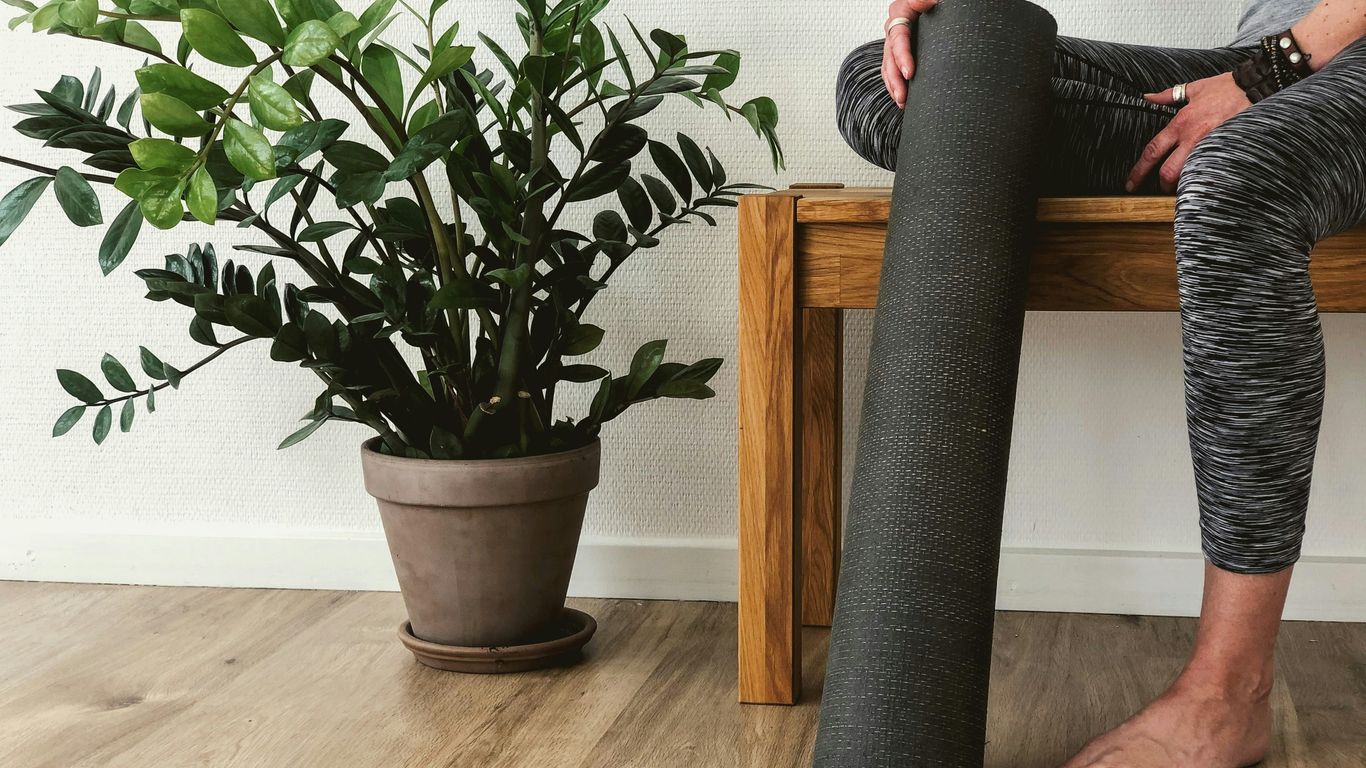
Thickness is a trade-off, not a simple measure of quality. A thin mat tends to pack neatly, while a thicker one may feel more forgiving under knees and elbows. The right balance depends on your practice, the floor beneath you, and how much weight you want to carry. Consider those together rather than choosing by millimeters alone.
Thin mats for lightweight travel
A thin mat makes sense when low packed bulk is a priority or when you plan to use it over a clean, cushioned surface. It may feel firm on tile, concrete, or other hard floors, so consider where you will practice most often. The Apollo foldable suede yoga mat is described as a lightweight 2mm travel mat with sweat-activated grip, a non-slip natural rubber base, and eco-conscious materials. Those stated features illustrate why thickness, surface, and base are worth checking as separate details.
Extra padding for sensitive joints
If your knees or wrists tend to feel pressure on a firm floor, extra cushioning may be more comfortable. A thicker mat can also feel less stable in standing poses, though, so it helps to try the surface rather than assuming more padding is always better. Here is a broad way to think about the choice:
| Mat feel | Potential advantage | Consider before choosing |
|---|---|---|
| Thin and firm | Packs with less bulk | May feel hard on unforgiving floors |
| Medium cushion | Balances padding and floor contact | Check whether it folds to a manageable size |
| Thick and soft | Adds a more padded feel | May feel less steady in balance poses |
Use this as a starting point, not a rule: comfort varies, and the floor underneath changes the experience. If a mat feels too soft for standing work, a thinner option or a firmer practice surface may suit you better.
Balancing comfort with stability
A steady feel comes from more than thickness: the floor, mat surface, and your movement all play a part. If you alternate between standing sequences and seated or kneeling poses, aim for a surface that feels supportive in both. A balanced, grounded feel is often more useful than maximum softness. When possible, test the mat with a few familiar movements before relying on it for a full session.
Comparing materials and grip
Materials influence the texture, weight, and care routine of a mat, but labels alone do not tell you how it will feel in use. Check the stated material alongside the surface finish and any care instructions. Grip also depends on whether your hands are dry or sweaty, and on the floor beneath the mat. A little attention to these details can prevent a mat that looks right online from feeling wrong in practice.
Common mat materials and their trade-offs
Mat materials can differ in weight, surface feel, and cleaning needs, so compare the product description with your priorities. Some designs emphasize a soft or textured top, while others prioritize a wipe-clean surface or a grippy base. The Sycamore Trekk Travel Mat is described as a reversible 5mm mat with textured surfaces, washable PVC, and a weight of 2.5 lb. Those specifics show the kind of information worth checking; they do not mean every material or finish will suit every practitioner.
Grip on dry and sweaty hands
Grip that feels secure with dry hands may behave differently once a practice warms up. Some surfaces are designed to respond to moisture, while others rely on a textured finish; read the maker’s description closely and consider your usual conditions. If you tend to sweat, a mat with a surface intended for that use may be worth considering, along with a towel if you already practice with one. Whichever you choose, test it on the floor where you plan to use it.
Texture and comfort against the skin
Texture is a personal preference: a pronounced pattern can feel reassuring to some people and distracting to others. Think about whether you spend more time standing, seated, or in poses where your forearms and knees rest on the mat. A soft top layer may feel pleasant, while a firmer texture may offer a different kind of contact. Product photos rarely show that sensation, so reviews and return policies can be useful parts of the decision.
Matching a mat to your practice
A folding mat can be useful for regular studio visits, travel, or a small home setup, but the surface beneath it changes how it feels. Think about your usual practice style and the places you actually go, rather than choosing for an imagined ideal routine. A mat that is easy to carry is only helpful if it also works in the spaces where you use it. Small differences in flooring and padding can matter.
Yoga styles that benefit from a folding mat
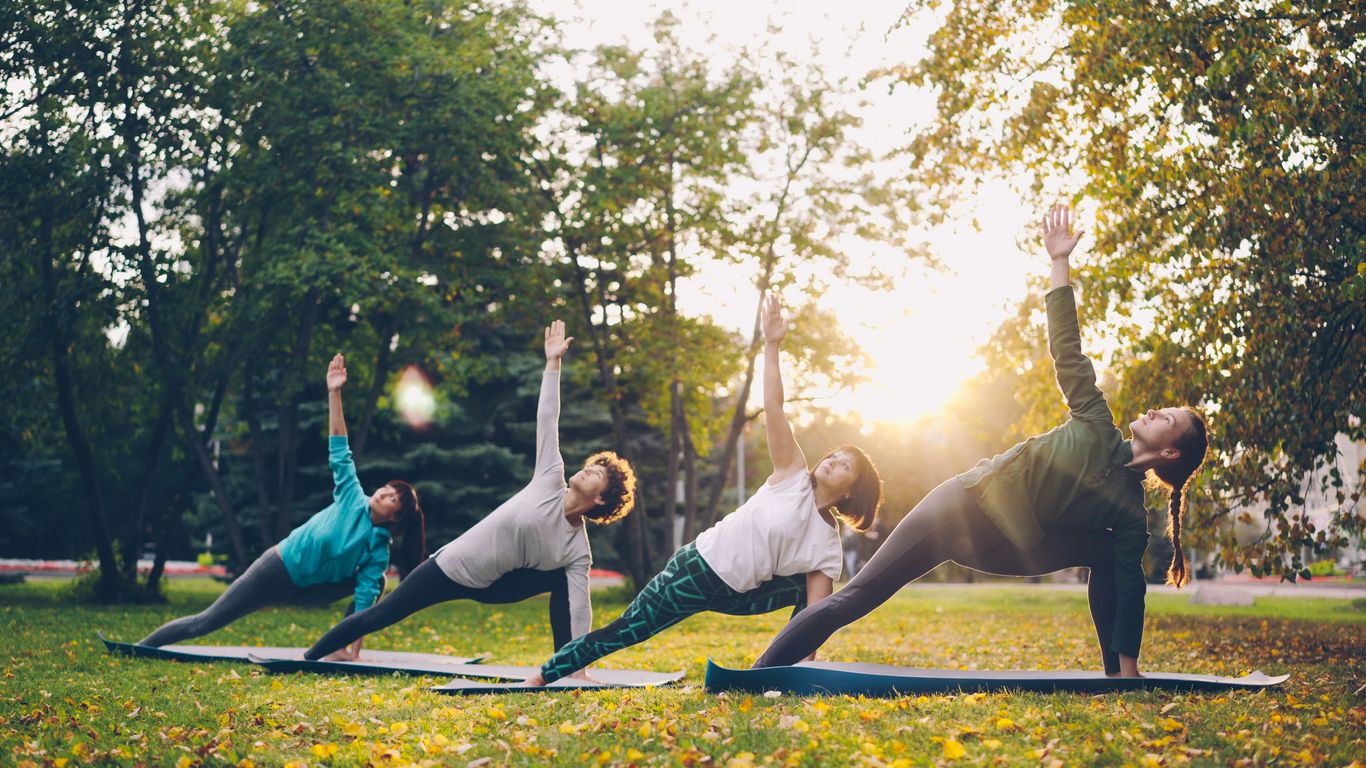
A foldable format can suit gentle sessions, travel practice, and routines where a portable surface is more useful than a bulky roll. For active sequences, consider whether the surface stays secure during transitions and whether the thin profile feels comfortable on the floor. If you practice several styles, prioritize the one you do most often, then decide whether the mat will work well enough for the others. Convenience is most valuable when it supports a routine you already enjoy.
Using one on carpet, studio floors, or outdoors
Carpet can add softness under a thin mat, while a hard studio floor may make the same mat feel much firmer. Outdoors, look for a clean, level surface and check that the underside stays put; avoid sharp debris that could mark or damage it. Before carrying the mat out, consider these practical checks:
- Is the surface level and free of grit or sharp objects?
- Will the mat stay in place during your usual movements?
- Can you clean and dry it after the session?
- Is the ground comfortable enough for kneeling or seated poses?
These checks are simple, but they can prevent avoidable discomfort and wear. If the ground is rough or uneven, choose another spot or use a suitable layer beneath the mat.
Pairing it with a larger mat for extra cushioning
A thin folding mat can serve as a portable practice surface, while a larger mat underneath may add cushioning or help define your space. This layered setup can be useful on a hard floor, though it adds weight and takes away some of the simplicity of carrying one compact mat. Check that the top mat does not slide over the lower one. If it shifts during a few test movements, adjust the setup before starting your practice.
Checking fit, durability, and value
A mat should fit your body and your routine, not just your bag. Compare full dimensions, weight, material details, and care instructions before weighing price against convenience. Durability depends on how the mat is made and how it is treated, particularly at repeatedly folded areas. A little careful checking makes value easier to judge than a low price or a long feature list alone.
Mat dimensions and your height
Check the mat’s full length and width, then compare them with your height and the space you need to move. If you often extend your arms or legs, make sure the usable surface feels generous enough for your practice. Folded measurements matter too: a mat that fits your body may still be awkward in a small travel bag. It can help to mark out the listed dimensions on the floor at home before ordering.
Fold lines, seams, and wear points
Fold lines are part of the design, but their finish can affect how the mat feels when open and how well it holds up over time. Look for clear information about construction and inspect the folding areas when the mat arrives. Open and close it gently at first, and notice whether the panels lie flat. A small amount of care at the creases can help keep the surface in good condition.
Features worth paying more for
A higher price may be worthwhile when a feature solves a real problem for you, such as easier cleaning, lower weight, or a surface that suits your practice. Look for specific product details rather than broad promises. Useful comparisons elsewhere also make their decision points explicit, from floor-mat fit and cleaning to agreement terms, store opening hours, interior design choices, and project delivery options; for a yoga mat, the relevant equivalent is clear information about size, materials, grip, and care. As a final cross-check, compare those details with your own priorities instead of paying extra for features you are unlikely to use.
Cleaning and caring for a folding yoga mat
Regular care helps keep a mat pleasant to use and ready for the next session. Follow the care directions for its specific material rather than assuming every surface can take the same cleaner. Wiping it down and letting it dry fully are simple habits, especially when the mat travels in a closed bag. A dry, clean mat is easier to store without trapping moisture or odors.
Cleaning after regular practice
After practice, remove visible dirt and wipe the surface with a damp cloth if the care label allows it. For deeper cleaning, use only the method and products recommended for that mat; harsh cleaners can affect some finishes. Pay attention to both sides if the mat has been used outdoors or on a shared floor. A little routine care is usually easier than waiting until residue builds up.
Drying and storing it between sessions
Let the mat dry completely before folding it away. Trapped moisture in stacked panels can leave an unpleasant smell or affect the surface over time. When it is dry, fold along its intended lines without forcing the edges, and store it somewhere cool and out of direct sunlight. Avoid piling heavy objects on top if they could flatten or distort the folded shape.
Preventing odors and surface damage
Odors are easier to prevent than to remove: air the mat after practice and do not leave it damp in a zipped bag. Keep it away from sharp objects and rough surfaces when packing, and avoid prolonged exposure to strong sunlight unless its care instructions say otherwise. If the mat develops a persistent odor or visible damage, check the maker’s guidance before trying a stronger cleaner. Gentle, consistent care keeps the folding surface ready for the next trip or home session.
Conclusion
The right folding yoga mat is the one that suits your practice, feels steady on the floors you use, and is easy enough to carry that you will bring it along. Compare dimensions, cushioning, grip, and care requirements, then choose the balance that makes daily practice simpler.
Frequently Asked Questions
Are folding yoga mats good for travel?
They can be convenient for travel because folded panels may fit more easily into luggage than a rolled mat. Check the packed dimensions and weight against the bag you plan to carry.
How thick should a folding yoga mat be?
Choose thickness based on the cushioning you want, the floor you use, and how stable the mat feels in standing poses. Thinner mats are typically easier to pack, while more padding may feel more comfortable on hard floors.
Do folding yoga mats have creases?
They may show fold lines because they are designed to bend at particular points. Check how the mat lies flat when open and follow its storage instructions to avoid stressing those areas.
Can I use a folding yoga mat on carpet?
Yes, carpet can provide extra softness beneath a thinner mat. Try the setup first to make sure the mat stays in place and feels stable during movement.
Can I practice outdoors on a folding yoga mat?
You can use one outdoors on a clean, level surface. Remove grit and sharp debris first, and clean and dry the mat after bringing it inside.
How do I clean a folding yoga mat?
Follow the care instructions for its specific material. A damp cloth may be suitable for routine wiping, but use only recommended products and let the mat dry fully before folding.
Is a thicker yoga mat always more comfortable?
Not necessarily. Extra cushioning may feel softer under pressure, but a very soft surface can feel less steady for balance work, so comfort and stability both matter.


