

Finding the Yoga Blocks Best Suited for Your Practice
So, you're looking to get more out of your yoga practice, huh? Maybe you've seen people using these blocks and wondered if they're worth it. Let me tell you, they really can be! Yoga blocks are like little helpers that give you support and balance, letting you try poses that might seem a bit out of reach right now. They also help make sure you're doing things the right way, which is super important. Picking the right yoga blocks can make a big difference, so we've put together this guide to help you figure it all out. Let's find the best yoga blocks for you.
Key Takeaways
- Yoga blocks offer support and balance, making poses more accessible and helping with proper alignment.
- Different materials like cork, foam, and wood offer unique benefits in terms of weight, firmness, and grip.
- Consider your experience level, body type, and the poses you practice most when choosing a block.
- Factors like size, weight, grip, firmness, and sustainability should guide your decision for the best yoga blocks.
- Blocks can be used in many ways, from deepening poses to providing comfort in restorative stretches.
Understanding Yoga Block Materials
When you first start looking for yoga blocks, it can seem like there are a million options. But really, most of them boil down to a few main materials. Each one has its own vibe and works a little differently, so picking the right one can actually make a difference in how your poses feel. It's not just about what looks good; it's about what supports your body best.
Exploring Foam Yoga Blocks
Foam blocks are probably what most people picture when they think of yoga props. They're usually the cheapest and the lightest, which is a big plus if you're carrying them to class or just don't want to lug heavy stuff around. Because they're soft, they can be really comfy for poses where you're resting on the block, like in some restorative sequences. They have a good amount of give, so they mold a bit under your weight. This softness is their biggest selling point, especially for comfort. However, they aren't always the most stable. Sometimes, especially the cheaper ones, can feel a bit wobbly, and they don't hold up as well over time. Pets also seem to love chewing on them, so keep that in mind if you have furry friends. Some brands are making them from recycled foam now, which is a nice touch for the planet.
The Benefits of Cork Yoga Blocks
Cork blocks feel like a good middle ground. They're made from the bark of cork trees, which is pretty cool because the tree isn't harmed when they harvest it. This makes them a more sustainable choice than foam. Cork is firmer than foam, so you get a really solid, dependable base. They don't squish down as much, which is great for poses where you need a steady support, like in standing poses or when you're trying to get a bit more lift. They're also naturally a bit grippy, which is helpful for not slipping. On the downside, they aren't as soft as foam, so if you're doing a long, relaxing pose where you're really sinking into the block, it might feel a bit hard. They can also soak up sweat if you don't wipe them down, and over time, they might start to smell if you're not careful. But generally, they last longer than foam and offer a nice balance of sturdiness and being reasonably lightweight.
Considering Wooden and Bamboo Options
Wooden blocks, especially those made from hardwoods like oak or ash, are the heavyweights of the block world. These are built to last, seriously. They feel substantial and offer incredible stability, which is fantastic for poses where you need a rock-solid foundation, like inversions or deep backbends. They have a natural beauty to them, too, and many people find the solid feel very grounding. The downside? They're the heaviest option, so carrying them around isn't ideal, and they come with a higher price tag. Bamboo blocks are a bit different. They're made from compressed bamboo, which grows really fast, making them another eco-friendly pick. They're lighter than solid wood but still quite firm, offering a good amount of support without being too heavy. They have a smooth, natural feel and are pretty durable, though maybe not quite as long-lasting as the densest hardwoods. They're a great choice if you want something sturdy and sustainable but don't want the weight of a solid wood block.
Choosing the right material often comes down to what you need most from your practice. If comfort is key, foam might be your go-to. For a balance of support and sustainability, cork is a strong contender. And if you prioritize stability and longevity above all else, wood or bamboo could be the best fit.
Key Factors When Choosing Yoga Blocks
So, you're looking for the right yoga blocks. It might seem like a small detail, but honestly, the right block can really change how your practice feels. It's not just about beginners needing a little help reaching the floor; blocks are useful for everyone, no matter where you are on your yoga journey. They can make a pose feel more open, or help you feel more steady when you're trying something new. The trick is figuring out what you actually need from a block.
Assessing Stability and Firmness Needs
When you're picking out blocks, think about how solid they feel. Some blocks are pretty soft and squishy, which might feel nice for a moment, but they can be a real problem if you're trying to balance or do poses where you put a lot of weight on them. You don't want a block collapsing under you, right? That's why a firmer block is often better, especially for standing poses or anything that requires you to feel really grounded.
Here's a quick rundown:
- Foam Blocks: These are usually the softest and lightest. They're great for comfort in poses like Supported Bridge, but can sometimes feel a bit wobbly for serious balancing. Look for denser foam if you need more stability.
- Cork Blocks: These tend to be much firmer and heavier than foam. They offer a really solid base and don't compress much, making them excellent for stability. They also have a nice natural grip.
- Wood/Bamboo Blocks: Similar to cork, these are very firm and stable. Bamboo is often lighter than solid wood, making it a bit easier to carry around.
The firmness of your block directly impacts how secure you feel in a pose. A block that's too soft can introduce instability, while a block that's too hard might feel uncomfortable if you're resting a significant amount of weight on it.
Evaluating Weight and Portability
Think about where you'll be using your blocks. If you're planning to haul them to and from yoga classes, you'll want something lightweight. Carrying a couple of heavy wood blocks can get tiring pretty fast, especially if you've got other gear to lug. Foam blocks are usually the lightest option, making them super easy to pack up and go. If your blocks are mostly going to live at home, then weight might not be as big of a concern, and you might even prefer a heavier block for that extra sense of grounding.
Understanding Grip and Surface Texture
This is a big one, especially if you tend to sweat a lot during practice or if you're doing more energetic styles of yoga. Some blocks have a really smooth surface that can get slippery when wet. Others, like cork or certain types of wood, have a more natural texture that provides better traction. You want to feel secure on your block, not like you're about to slide off. A good grip means you can focus on your pose, not on keeping your hands or feet from slipping. Trying out different textures in a studio setting is a great way to find yoga blocks that feel right for your hands and feet.
How Block Size and Shape Impact Practice
So, you've got your yoga blocks, but have you ever stopped to think about how their size and shape actually change how you do a pose? It's not just about having something to put your hands on. The dimensions and contours of a block can totally shift your experience on the mat, making poses feel more accessible or helping you find a deeper connection.
The Role of Taller Blocks for Lift
If you're finding that certain poses feel just out of reach, a taller block might be your new best friend. Think of it as bringing the floor closer to you. This extra height is super helpful if you have tighter hamstrings or just need a bit more space to get into a pose without straining. It can make a big difference in forward folds, allowing you to maintain a straighter spine instead of rounding your back.
- Great for: Forward folds, standing poses, and poses where you need to bring your hands closer to the ground.
- Benefit: Provides more lift, reducing strain and allowing for better alignment.
- Who it helps: People with limited flexibility, beginners, or anyone needing extra support.
Benefits of Smaller Blocks for Grip
On the flip side, smaller blocks can be surprisingly useful. They're often lighter and easier to maneuver, which can be a big plus if you're moving through a dynamic practice or traveling. Sometimes, a smaller block feels more stable under your hands or feet because it's closer to the ground. They can also be really handy for adding a bit of height to seated poses without feeling too bulky.
Smaller blocks can offer a different kind of support, sometimes feeling more grounded and easier to grip when you need that extra bit of stability.
Contoured Shapes for Targeted Support
Beyond just size, the shape of a block matters too. Some blocks have rounded edges, making them more comfortable to rest against your body, like under your sacrum in a restorative pose or under your head. Others might have a specific contour designed to fit the natural curves of your body, offering support exactly where you need it, whether that's for your neck, knees, or even your hips. These shaped blocks can really help you settle into a pose more deeply and comfortably.
- Ergonomic Design: Fits body curves for specific support.
- Comfort: Rounded edges feel better against the skin.
- Versatility: Can be used for head, neck, knees, or hips depending on the shape.
Yoga Blocks Best Suited for Different Poses
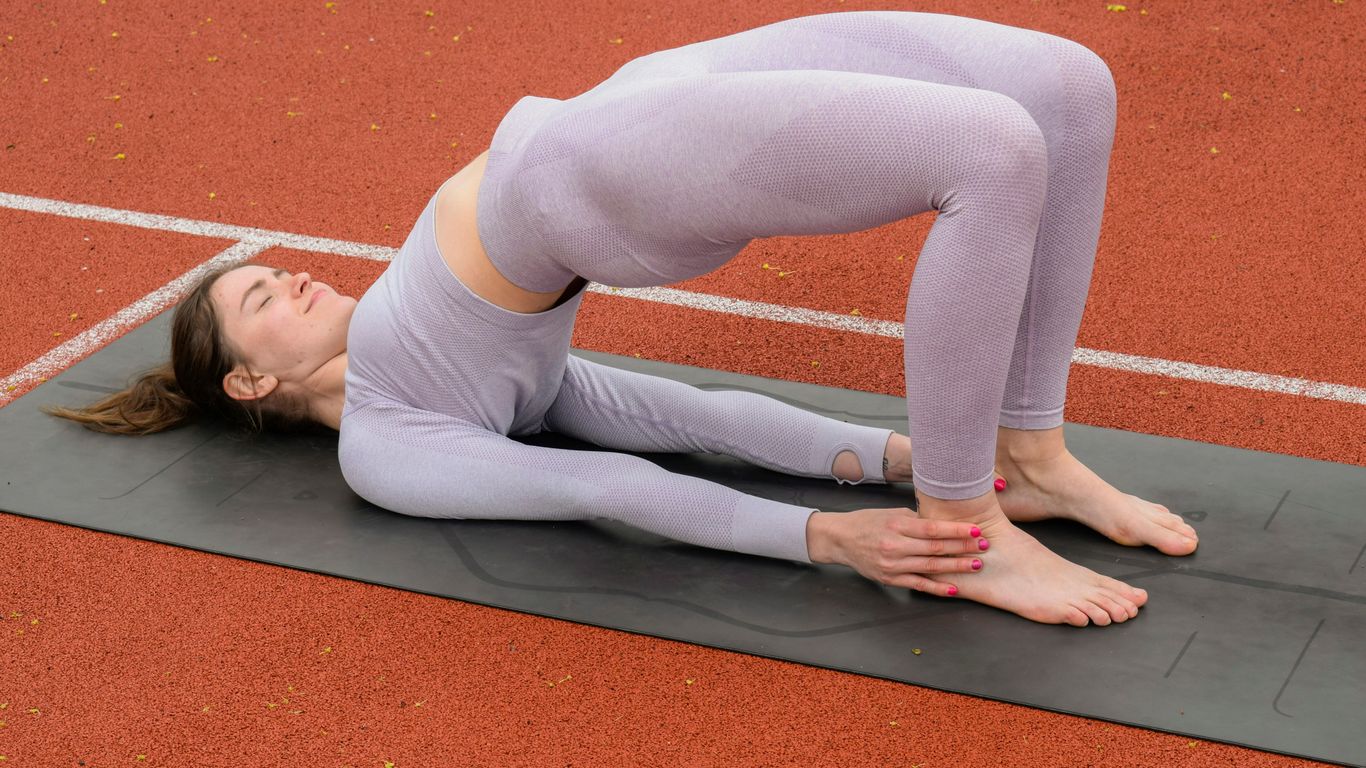
Blocks aren't just for beginners trying to reach the floor. They're actually super helpful for all sorts of poses, no matter how long you've been practicing. Think of them as little helpers that can make a pose feel more stable, more open, or just more comfortable so you can actually focus on what you're doing.
Enhancing Heart Openers and Forward Folds
When you're trying to open up your chest or get deeper into a forward bend, blocks can be a game-changer. For poses like Supported Bridge, placing a block under your back can give you a nice, gentle lift. It feels really good. Or, if you're doing a Standing Forward Fold and your hands feel miles away from the ground, stacking a couple of blocks and resting your hands on them brings the floor closer. This means you can relax your hamstrings a bit more and breathe into the stretch without straining. It's the same idea for poses like Triangle or Half Splits – blocks give your hands a stable place to land, letting you explore the pose more fully.
Supporting Seated Poses and Balance Work
Sitting on a block in poses like Easy Pose (Sukhasana) or Hero's Pose can make a world of difference, especially if your hips are tight or your knees feel a bit cranky. It lifts your hips up, which helps your spine stay long and upright, making it way easier to sit comfortably for a while. For balance poses, blocks can be your best friend. Need a little extra stability in Half Moon? Place a block under your bottom hand. Trying to get into Crow Pose? Lifting your toes onto a block can give you a better starting point. These props help you build confidence and refine your alignment without the fear of falling.
Utilizing Blocks in Restorative Postures
Restorative yoga is all about deep relaxation, and blocks are key players here. They provide gentle support that allows your body to completely let go. For instance, in Reclining Bound Angle Pose (Supta Baddhakonasana), you can place blocks under your head or under your knees for comfort. Sometimes, placing blocks under a bolster can even create a slight incline, which can feel really nice for your spine. They help you feel supported and grounded, allowing for a truly restful experience. If you're curious about how different props can help, checking out a yoga props guide might give you some more ideas.
Making Your Yoga Block Selection
Trying Props in Studios First
So, you've been reading up on all the different kinds of yoga blocks out there – foam, cork, wood, you name it. It's a lot to take in, right? Before you go clicking 'buy' on that first set you see, here's a little tip from someone who's been there: try them out first. Seriously. Most yoga studios have a whole stash of props. Use them! See how different blocks feel under your hands, your hips, or your head. Pay attention to the brands and materials. This is a great way to get a feel for what works for you without spending any money upfront. Plus, studio props get used a lot, so you can get a sense of how they hold up over time.
Considering Durability and Longevity
When you're picking out blocks, think about how long you want them to last. Some materials, like dense cork or solid wood, tend to be pretty tough and keep their shape for ages. Foam blocks can be great, but cheaper ones might get squishy or even crumble after a while, especially if you're using them a lot or in heated classes. It's worth looking into how well a block holds up. A block that feels stable now might not feel so great if it starts to sag after a few months. Investing in a block that's built to last can save you money and hassle down the road.
Prioritizing Sustainability in Your Choice
More and more people are thinking about the planet when they shop, and yoga blocks are no exception. You'll find blocks made from recycled foam, sustainable cork, and fast-growing bamboo. These options are often a bit more expensive than basic plastic foam blocks, but they're a good choice if you're trying to reduce your environmental footprint. Cork, for instance, is a renewable resource, and bamboo grows super fast. It's nice to know that the tools you use to support your practice aren't harming the earth.
Here's a quick rundown of common materials and their general durability and eco-friendliness:
| Material | Durability | Sustainability |
|---|---|---|
| Foam (Standard) | Moderate | Low |
| Foam (Recycled) | Moderate | High |
| Cork | High | High |
| Wood/Bamboo | High | High |
Choosing the right block isn't just about finding something that feels good in the moment. It's about finding a tool that supports your practice consistently, holds up over time, and aligns with your values. Take your time, experiment, and pick the block that feels like the best fit for your journey on the mat.
Wrapping It Up
So, that's the lowdown on yoga blocks. They might seem like a small thing, but honestly, having the right one can really change how your practice feels. Whether you're just starting and need a little help reaching the floor, or you're trying to get deeper into a pose, there's a block out there for you. Think about what feels good for your body, what kind of yoga you do most, and what you want your block to do. Don't be afraid to try a few different kinds – foam, cork, wood – and see what works best. The best block is really just the one that helps you feel more comfortable, steady, and connected on your mat. Happy practicing!
Frequently Asked Questions
How many yoga blocks do I really need?
For most yoga practices, having a pair of blocks is super handy. This lets you keep your body balanced on both sides and opens up more pose possibilities. If you're just starting out or like to keep things simple, one block can still be a great help.
What's the main difference between cork and foam blocks?
Cork blocks are more solid and feel natural, giving you great stability and grip, even when you're sweaty. They're a bit heavier. Foam blocks, on the other hand, are really light and soft, making them comfy and easy to carry. They're often a good choice for beginners or if you need extra cushioning.
Are wooden yoga blocks a good choice for beginners?
Wooden blocks are very strong and stable, which is awesome for tougher poses or building strength. However, they can be quite hard and heavy. This might not be the most comfortable for beginners who are still getting used to yoga poses and need something a bit softer.
How do yoga blocks help with flexibility?
Yoga blocks act like extensions of your arms, helping you reach the floor more easily in poses where you might not be flexible enough yet. They give you the support you need to hold a pose with good form, preventing you from straining and allowing you to gradually improve your flexibility over time.
Can yoga blocks help prevent injuries?
Absolutely! By offering support and helping you keep your body in the right alignment, yoga blocks lessen the chance of overstretching or forcing your body into positions it's not ready for. This makes your practice safer and helps you build strength without risking harm.
What should I think about when buying my first yoga block?
Consider what you'll use it for most. If you travel a lot, a light foam block is best. If you want something sturdy for practicing at home, cork or wood might be better. Also, think about how much support you need based on your flexibility and the types of poses you do.


