
Master the Bikram Yoga 26 Poses with Our Comprehensive PDF Guide
So, you're thinking about trying Bikram Yoga, or maybe you've been going for a bit and want to get a better handle on things? It's a specific set of 26 poses done in a hot room, and a lot of people find it really works for them. We put together this guide to help you understand each pose, and there's a PDF you can grab too. It’s all about making this practice work for you, safely and effectively.
Key Takeaways
- The Bikram Yoga 26 poses sequence is a set routine done in a hot room, meant to work your whole body.
- Getting the alignment right for each of the 26 poses is important for staying safe and getting the most benefit.
- Practicing the Bikram Yoga 26 poses can help make you stronger, more flexible, and improve your focus.
- There are ways to change up many poses, so the practice can work for different bodies and people with different levels of experience.
- A downloadable bikram yoga 26 poses pdf guide gives you detailed instructions and tips for your own practice.
Understanding The Bikram Yoga 26 Poses Sequence
Overview of the 26 Poses
So, you're curious about the Bikram Yoga 26 poses, huh? It's a pretty specific sequence, and that's kind of the point. Developed by Bikram Choudhury, this series, often called the '26 and 2', is always done the same way, in the same order, and in a room that's heated to about 105 degrees Fahrenheit with 40% humidity. It’s not just about sweating it out, though that definitely happens. The whole idea is to systematically work your entire body, from your toes to your mind. The 26 poses and two breathing exercises are like a carefully crafted workout. Each movement is designed to prepare you for the next, building on what you just did. This consistency means you can really focus on your own body and how you’re feeling in each pose, rather than worrying about what’s coming next.
The Role of the Heated Room
Okay, let's talk about the heat. It's a big part of Bikram. The idea is that the heat helps your muscles warm up faster, allowing you to stretch deeper and more safely. It also makes you sweat, a lot. This can feel intense, especially at first, but many practitioners find it helps them detoxify and feel invigorated afterward. It’s definitely an experience, and it’s what makes Bikram yoga stand out. The heat and the specific sequence work together. It's not just random; it's a system designed to challenge and change you, both inside and out. You learn to work with the heat, not against it, and that's a big part of the practice.
Benefits of the Bikram Sequence
Sticking with Bikram yoga can bring some noticeable changes. People often talk about feeling stronger, more flexible, and just generally more aware of their bodies. It’s not just physical, either. That intense focus required in the hot room can really clear your head. Plus, showing up regularly, even when you don't feel like it, builds a kind of mental toughness. Here are a few things people often notice:
- Improved posture
- Better balance
- Increased stamina
- A calmer mind
- More self-discipline
The Bikram Yoga 26 poses sequence is a set routine performed in a heated room, designed to work the entire body. Understanding the correct alignment for each of the 26 poses is important for safety and getting the most benefit.
Mastering The Standing Poses
The Bikram yoga sequence kicks off with a series of standing poses, and they're really the bedrock of the whole practice. Think of them as your warm-up, but way more intense. These postures are all about building a strong foundation, getting your muscles ready, and teaching you how to find your center. You'll work on leg strength, balance, and learning to breathe steady even when your heart is pounding. It’s where you start to connect with your body in a new way.
Building Strength and Stability
These initial standing poses are designed to wake up your entire body. You'll feel your legs getting stronger, your core engaging to keep you upright, and your mind starting to focus. It's not just about holding a shape; it's about feeling the energy move through you. The goal here is to create a sense of grounding and stability that will carry you through the rest of the sequence. You learn to stand tall, engage your muscles, and find that sweet spot of balance.
- Grounding through your feet: Feel every part of your foot connecting with the floor. This is your base.
- Engaging your core: Pull your belly button towards your spine to support your lower back and create stability.
- Lengthening your spine: Imagine a string pulling you up from the crown of your head.
- Breathing with intention: Use your breath to fuel your movements and maintain focus.
Half Moon Pose with Hands to Feet Alignment
This pose is a fantastic way to work on both balance and flexibility. It challenges you to hinge from your hips, creating a long line from your heels all the way up to your fingertips. It’s a deep stretch for your hamstrings and spine, but it also requires a strong standing leg and a steady core. Getting the alignment right means avoiding any rounding in your back and really opening up through your side body. It’s a pose that really shows you where you might be holding tension.
Eagle Pose Focus and Variations
Eagle Pose is a real test of concentration and balance. Wrapping your limbs tightly requires focus, and finding a steady point to gaze at helps keep you from wobbling. This pose builds strength in your ankles and calves, and it’s great for improving your focus. It might feel a bit awkward at first, especially getting the leg wrap just right, but it’s worth the effort. It teaches you to find stillness even when your body is in a twisted position. You can find yoga poses for beginners that build similar foundational strength.
Standing Head to Knee Pose Technique
This is one of the deeper stretches in the standing series, targeting your hamstrings and spine. The key here is to keep your standing leg strong and straight, and to hinge from your hips rather than just bending your back. It’s easy to round your spine in this pose, especially when you’re new, but that can put a lot of strain on your lower back. Focus on keeping your spine long as you fold forward, and try to bring your forehead to your knee. It’s a pose that really opens up the back of your body.
The standing poses are where you build the heat and the stability needed for the rest of the sequence. They teach you to work with your body's limits and to find strength even in challenging positions. Don't rush through them; they are the foundation for everything that follows.
| Pose Category | Key Focus Areas |
|---|---|
| Standing | Strength, Balance, Stability, Concentration |
Exploring The Floor Poses
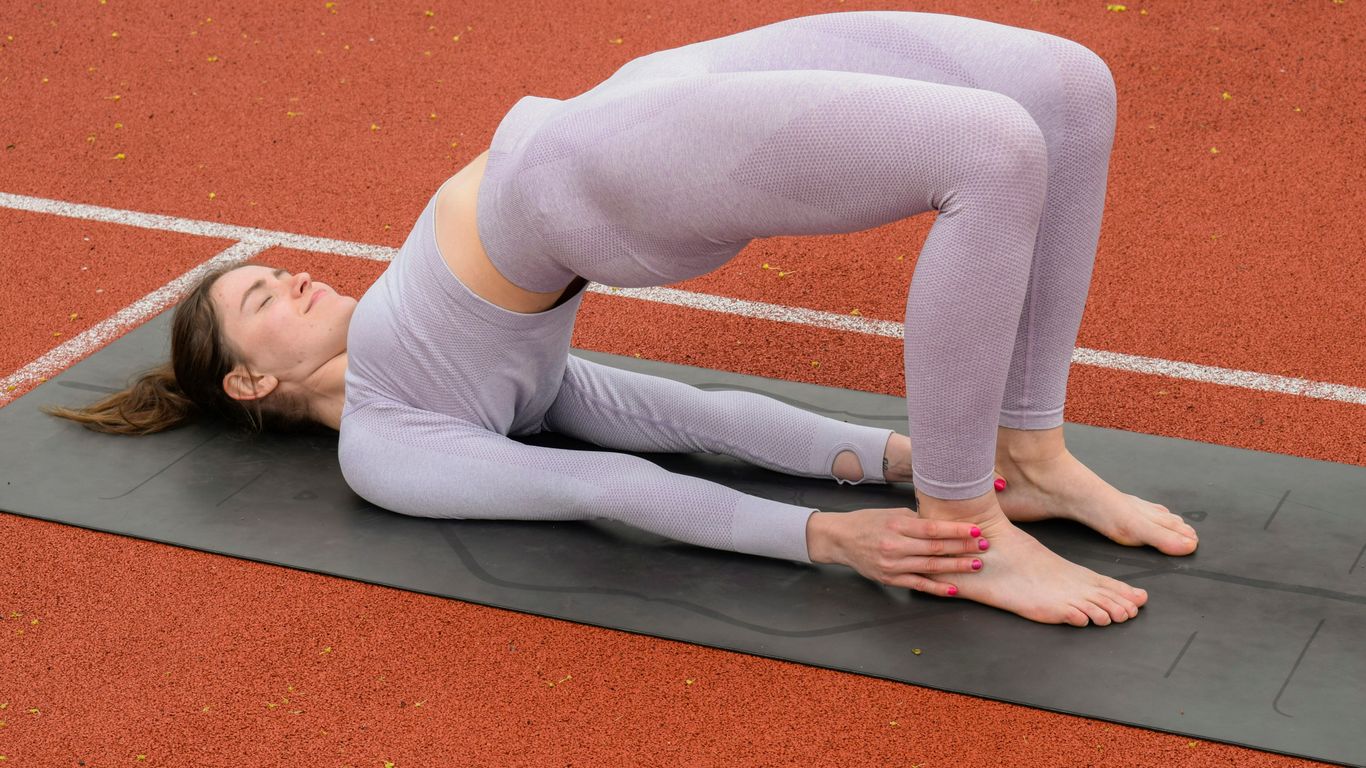
After you've worked through the standing series and built up some heat, the Bikram sequence moves to the floor. This is where things get interesting for your spine and your flexibility. These poses are designed to really open up your body, working on everything from your back muscles to your hamstrings and hips. It's a different kind of challenge than the standing poses, focusing more on lengthening and releasing tension.
Cobra Pose for Spinal Extension
Cobra Pose is all about creating a gentle backbend. You lie on your stomach, hands under your shoulders, and then lift your chest off the floor. The key here is to use your back muscles, not just push with your hands. Think about lengthening your spine forward as you lift up. This pose is great for strengthening your back and opening up your chest, which can feel really good if you spend a lot of time hunched over.
Locust Pose for Back Strength
Locust Pose is similar to Cobra but often involves lifting both your legs off the floor as well. It's a more intense back strengthener. You'll really feel your lower back and the muscles along your spine working. It's important to keep your neck long and avoid crunching it. This pose helps build resilience in your back, which is super important for everyday life.
Camel Pose and Spinal Flexibility
Camel Pose is a deep backbend that requires a good amount of flexibility. You kneel on the floor, place your hands on your lower back or heels, and then arch your spine backward, dropping your head. This pose really opens up the front of your body – your chest, abdomen, and hips. It's a powerful pose for increasing spinal mobility. If you're new to it, just go as far as feels comfortable. Pushing too hard can lead to strain.
Rabbit Pose for Spinal Flexion
Rabbit Pose is the counterpose to the backbends, focusing on spinal flexion. You start by kneeling, then tuck your chin to your chest and round your spine forward, bringing your head towards your knees. Your hands can rest on your heels or the floor behind you. This pose gently stretches the muscles along your spine and can feel very calming. It's a nice way to round off the spinal work before moving into final relaxation.
The floor series in Bikram yoga is where you really get to explore the deeper aspects of flexibility and strength. It's a time to be patient with your body, listen to its signals, and appreciate the process of opening up. Don't get discouraged if you can't do every variation perfectly right away; consistency is what matters most.
Achieving Physical and Mental Enhancements
Increased Flexibility and Muscle Tone
This yoga sequence really works your whole body. You'll notice your muscles getting stronger and more defined, not just the big ones, but the smaller ones too. It's like a full-body workout that targets everything. Your joints will feel looser, and you'll be able to move through a wider range of motion. This can make everyday activities feel easier. Plus, the consistent effort helps improve your posture, making you stand taller and feel more balanced. It's not just about looking better; it's about feeling more capable in your own skin.
Improved Posture and Balance
Finding your center in these poses translates directly into everyday life. You learn to quiet the mind and find stillness, which helps with balance. It's not about never wobbling; it's about how you recover from the wobble. These poses challenge your body's awareness of its position in space and demand a high level of concentration. Holding steady requires a steady gaze, controlled breathing, and engaged core muscles. This focus on stability and poise can make a big difference off the mat.
Stress Reduction and Mental Clarity
Beyond the physical stuff, this yoga sequence does wonders for your mind. The focus required for each pose, especially in the heat, trains your brain to stay present. This can lead to a noticeable drop in stress and anxiety levels. You might find yourself thinking more clearly and being able to concentrate better on tasks outside of the yoga room. It's like hitting a reset button for your brain, helping you deal with daily pressures more calmly.
Emotional Well-being and Self-Awareness
There's a real connection between what you feel physically and emotionally, and Bikram Yoga taps into that. As you push your limits and overcome challenges in the poses, you build a quiet confidence. You start to understand your body's signals better and become more aware of your own thoughts and feelings without judgment. This journey inward can lead to a greater sense of self-acceptance and emotional balance. It's a path to feeling more grounded and in tune with yourself.
The heat and the structured sequence work together to create a unique environment for self-discovery. It's not just about holding a pose; it's about observing your reactions, your breath, and your mental state throughout the process. This mindful observation is where the real transformation begins, extending far beyond the yoga mat into your daily life.
Your Comprehensive Bikram Yoga 26 Poses PDF Guide
So, you've been practicing the Bikram 26 poses, and maybe you're feeling pretty good about it. But let's be real, remembering all the little details for each pose can be a challenge, right? That's where this PDF guide comes in. It's designed to be your go-to reference, packed with everything you need to really nail each posture. Think of it as your personal yoga coach, available anytime you need it.
We've broken down each of the 26 poses, plus the two breathing exercises, into simple, easy-to-follow steps. You'll find clear instructions on how to get into the pose, what to focus on while you're in it, and how to come out safely. We've also included common mistakes people make and how to fix them, because we've all been there, struggling with a pose that just doesn't feel right.
Detailed Pose Breakdowns
This section goes through each of the 26 poses and 2 breathing exercises, explaining the setup, alignment, and benefits. No more guessing if you're doing it right.
Essential Alignment Cues
Specific tips for each pose to help you find the correct form and get the most out of your practice. We're talking about things like where to place your feet, how to engage your core, and where to direct your gaze.
Modification Suggestions for Every Body
Not every body is the same, and that's okay! We offer ways to adjust poses so they work for you, whether you're super flexible or still working on your range of motion.
Safety Tips for Heated Practice
Practicing in a heated room requires extra care. We've included advice on staying hydrated, listening to your body, and avoiding common pitfalls.
This guide isn't just about memorizing poses; it's about building a deeper connection with your body and the practice itself. It’s about understanding the 'why' behind each movement and breath, making your time on the mat more meaningful and effective.
Here's a peek at what you'll find inside:
- Detailed Pose Breakdowns
- Alignment Cues
- Modification Suggestions
- Safety Tips
We've also put together a quick reference table for some of the key poses, highlighting their primary focus and a common challenge:
| Pose Name | Primary Focus | Common Challenge |
|---|---|---|
| Standing Head to Knee | Hamstring Flexibility | Locking knees |
| Camel Pose | Spinal Extension | Neck strain |
| Locust Pose | Back Strength | Lower back compression |
| Rabbit Pose | Spinal Flexion | Over-rounding the back |
Download this PDF guide today and take your Bikram practice to the next level. It's the perfect companion for your yoga mat, whether you're at home or in the studio.
Keep Practicing!
So, there you have it. We've walked through all 26 Bikram poses, and hopefully, you're feeling a bit more confident about them. Remember, this isn't about being perfect right away. It's about showing up, trying your best, and noticing how your body feels. Grab that PDF guide we made – it's super handy to have with you. Keep practicing these poses, listen to your body, and you'll start to see and feel the changes. Happy stretching!
Frequently Asked Questions
What exactly is the Bikram Yoga 26 poses sequence?
The Bikram Yoga 26 poses sequence is a set series of 26 specific yoga postures and two breathing exercises. It's always done in the same order, and it's practiced in a room that's heated to about 105 degrees Fahrenheit with 40% humidity. The goal is to work your whole body, inside and out.
Why is the room heated for Bikram Yoga?
The heat is a key part of Bikram Yoga. It helps warm up your muscles, making them more flexible and ready to stretch deeper. This can help you move more safely into the poses. Plus, the heat makes you sweat a lot, which some people feel helps their body get rid of toxins.
Is Bikram Yoga suitable for beginners?
Yes, beginners can definitely do Bikram Yoga! While it's challenging, the sequence is the same every time, which can be helpful. It's important to listen to your body, stay hydrated, and not push yourself too hard, especially at first. Many studios offer modifications, and the PDF guide can help you understand how to adjust poses.
What are the main benefits of practicing the 26 poses?
Practicing the 26 poses regularly can bring many good things. You'll likely see improvements in your strength and flexibility, your posture might get better, and you could feel more balanced. Mentally, it can help reduce stress, improve focus, and increase self-awareness. It's a great way to feel better both physically and mentally.
How can I make sure I'm doing the poses correctly?
Getting the poses right is important for safety and getting the most out of your practice. Our comprehensive PDF guide breaks down each of the 26 poses with detailed steps and alignment tips. It also includes suggestions for modifying poses if you need to, so you can make sure you're practicing safely and effectively for your body.
What should I do if a pose feels too difficult?
It's totally normal for some poses to feel hard, especially when you're starting out. The most important thing is to listen to your body. Don't force yourself into anything that causes sharp pain. Our PDF guide offers modification suggestions for many poses, which can make them more accessible. You can also rest in Child's Pose if you need a break, and remember that consistency over time is more important than perfection in any single class.

