

Find Your Perfect Yoga With Instructor: A 2026 Guide
Ready to find your path in yoga? Here are the main things to remember as you explore the world of yoga instructors and teacher training.
Key Takeaways
- Start with your own regular yoga practice to understand its benefits before teaching.
- Look into Yoga Alliance and understand the different certification levels like 200-hour training.
- When choosing a training program, consider the curriculum, instructors, and if it fits your personal goals.
- Finding the right yoga instructor involves checking their style, personality, and how you connect with them.
- Prepare for your yoga journey with comfortable gear and an open mind, making it an enjoyable experience.
Embarking On Your Yoga Instructor Journey
So, you've felt that pull, that little voice saying, "Maybe I could teach yoga." It's a common feeling, especially after a class that just clicks, leaving you feeling centered and inspired. The good news is, becoming a yoga instructor isn't some exclusive club with impossible entry requirements. You don't need to be able to do a handstand on one finger to start. Many people think you need decades of practice or a super flexible body, but that's just not the case. Great teachers are made of clearer communication, a genuine desire to help others, and living the yoga principles, not just showing off fancy poses.
Understanding the Path to Teaching Yoga
There isn't one single road to becoming a yoga teacher. Some folks come to it after years of dedicated personal practice, while others discover their calling through an intensive teacher training program. What truly matters is your willingness to learn, to practice consistently, and to share your journey with authenticity. The first professional step for most aspiring instructors is completing a 200-hour yoga teacher training. This program is designed to give you a solid foundation in teaching. You can find various programs that fit different schedules, from immersive three-week courses to part-time options that stretch over several months. Many graduates find these trainings to be incredibly life-changing, not just for the certification, but for the deep self-discovery that happens along the way. If you're curious about the requirements, you can look into Yoga Alliance certification levels.
Dispelling Myths About Becoming a Yoga Instructor
Let's clear the air on a few common myths. First, you absolutely do not need to be a pretzel to teach yoga. Flexibility is a benefit, not a prerequisite. Second, you don't need to have practiced for a specific number of years. While a consistent personal practice is highly recommended before diving into teacher training, there's no strict rule. The focus should be on your ability to guide others safely and clearly, embodying the spirit of yoga. It's about sharing the practice, not performing it.
The Foundational Step: Cultivating a Personal Practice
Before you even think about standing in front of a class, spend time on your own mat. This personal practice is where you truly learn what yoga feels like, not just what it looks like. It's about connecting with your breath (pranayama), understanding how your body moves and feels in different poses (alignment), and exploring the quiet space of meditation. You'll start to notice how regular practice affects your mind and emotions. Trying out different styles like Hatha, Vinyasa, or Yin can give you a broader perspective. The more you experience yoga as a student, the more naturally you'll be able to guide others.
The journey to becoming a yoga instructor is as much about your own growth as it is about teaching others. It's a path of continuous learning and self-exploration, where your personal practice becomes the bedrock for your teaching.
Navigating Yoga Teacher Training Options
So, you've decided you want to teach yoga. That's awesome! But before you start planning your first class, you've got to get through teacher training. It sounds simple enough, right? Just pick a program and go. Well, it's a bit more involved than that, and honestly, there are a lot of choices out there. It can feel a little overwhelming trying to figure out what's what.
Understanding Yoga Alliance and Certification Levels
First off, you'll probably see "Yoga Alliance" mentioned a lot. This is a big organization that sets standards for yoga teacher training programs. Getting certified through a program that's registered with Yoga Alliance (often called an RYS, or Registered Yoga School) means you can register with them as an RYT (Registered Yoga Teacher). This is pretty important if you plan to teach at studios or gyms, as many places look for that credential. There are different levels, but the most common starting point is the 200-hour training. Think of it like getting your bachelor's degree in yoga teaching. After that, you can go for a 300-hour or even a 500-hour training to deepen your knowledge and skills.
What to Expect in a 200-Hour Yoga Teacher Training
A 200-hour training is your foundational step. It's designed to give you a solid base in teaching. You'll spend a lot of time learning:
- Asana (Poses): How to do them correctly, how to modify them for different bodies, and how to cue them for students.
- Anatomy and Physiology: Understanding how the body works is super important for teaching safely.
- Philosophy and Ethics: You'll explore the deeper meanings behind yoga, its history, and how to be a responsible teacher.
- Teaching Methodology: This is where you learn how to actually structure a class, manage a room, and develop your own teaching style.
- Practicum: You'll get hands-on experience practicing teaching, often with feedback from instructors and fellow trainees.
Most programs will also cover things like pranayama (breathing techniques) and meditation. It's a pretty packed schedule, whether it's an intensive in-person retreat or spread out over several months. For example, the Prema Yoga Institute offers a 300-hour program that's broken down into modules, showing how training can be structured in different ways.
Evaluating the Value of Online Yoga Teacher Training
Online training has become super popular, and for good reason. It offers flexibility that traditional in-person programs just can't match. You can often study at your own pace, fitting it around work and life. However, not all online programs are created equal. Some are fantastic, offering live interaction and great support, while others can feel like you're just watching videos on your own. It's really important to look for programs that have:
- Live components: Q&A sessions, live practice classes, or one-on-one feedback.
- Clear structure and support: A way to track your progress and get help when you need it.
- Good reviews: See what past students have said about their experience.
Be wary of programs that seem too cheap or promise instant results. Real training takes time and effort, and a good program will guide you through that process, not just sell you a certificate.
When looking at online options, consider programs like Sui Yoga's 200-Hour Sui Soul Flow, which emphasizes individuality. It's about finding a program that fits your learning style and your life, not just the cheapest or easiest option. Remember, the goal is to become a confident and capable teacher, and the training you choose is the first big step on that path.
Choosing the Right Yoga Teacher Training Program
So, you've decided to take the plunge and become a yoga instructor. That's awesome! But before you start dreaming of leading sun salutations, you've got to pick the right training program. It's not a one-size-fits-all situation, and honestly, the program you choose can really shape your teaching style and confidence.
Key Factors in Selecting a Training Program
When you're looking at different yoga teacher training (YTT) programs, think about what you really want out of it. Are you looking for a super immersive experience, maybe somewhere away from home? Or is a more flexible, online option better for your schedule? Consider the program's structure: some are intensive, full-time affairs, while others spread the learning out over months. The best programs offer a good balance of theory, practical teaching, and personal practice.
Here are a few things to keep in mind:
- Program Length and Format: Do you want a weekend warrior approach, a few weeks of intense study, or a part-time program you can do over a longer period? Online, in-person, or a hybrid model are all options.
- Teacher Qualifications: Who is teaching the training? Look for instructors with solid experience and a teaching style that you connect with. Check out their backgrounds and see if they have Yoga Alliance certification.
- Curriculum Depth: Does the program cover more than just poses? A good YTT will explore yoga philosophy, anatomy, sequencing, and even the business side of teaching.
- Community and Support: Are you looking for a tight-knit group or a more independent learning experience? Some programs really focus on building a supportive community.
Assessing Curriculum and Instructor Alignment
Digging into the curriculum is super important. You want to make sure it covers the core stuff: yoga philosophy, anatomy, how to actually teach (that's the methodology part), and plenty of chances to practice teaching others. Some programs might lean more heavily into certain styles, like Vinyasa or Hatha, so make sure it aligns with what you're interested in teaching. Also, check out the lead instructors. Do their backgrounds and teaching philosophies seem like a good fit for you? It's like finding a mentor; you want someone whose approach inspires you.
Choosing a training program is a big decision. It's not just about getting a certificate; it's about building a solid foundation for your teaching journey. Take your time, do your research, and trust your gut.
Finding a Training That Suits Your Goals
Think about your end goal. Do you want to teach at a local studio, lead workshops, or maybe even open your own space someday? Some programs are more geared towards the practicalities of running a yoga business, while others focus more on the spiritual or philosophical aspects. If you're a beginner, look for programs that are really clear about foundational poses and offer lots of support. If you're already an experienced practitioner, you might be looking for something more advanced. It's all about finding that sweet spot where the program's strengths match your personal aspirations. Remember, there are lots of options out there, from intensive in-person retreats to flexible online courses that let you learn at your own pace. You can even find programs that focus on specific niches, like prenatal yoga or restorative practices. The key is to find a program that feels right for you and your unique path.
Finding Your Ideal Yoga Instructor
So, you've decided to take the plunge and find a yoga instructor who really clicks with you. That's awesome! It's kind of like finding a great hairdresser or a mechanic you trust – once you find someone who gets you, you stick with them. But how do you actually find that person? It's not just about showing up to any class; it's about finding a teacher whose style, energy, and approach make you feel supported and inspired. The connection between a student and their yoga instructor is more important than you might think.
The Importance of Teacher-Student Connection
Think about it: you're going to be following this person's guidance, listening to their voice, and trusting them with your physical and mental well-being for an hour or so. That's a pretty intimate setup! A good instructor doesn't just call out poses; they create a space where you feel safe to explore, to challenge yourself, and maybe even to be a little vulnerable. They read the room, adjust their cues, and offer modifications. When you find a teacher who truly sees you and your needs on the mat, it makes all the difference. Don't be shy about introducing yourself before or after class, especially if you're new. Letting them know you're a beginner helps them tailor their class and check in with you.
Exploring Different Yoga Styles and Environments
Yoga isn't a one-size-fits-all deal. There are so many different styles out there, from the flowing Vinyasa to the slow, deep stretches of Yin, or the more structured Hatha. Each style has its own vibe and benefits. You'll also want to consider the environment. Are you looking for a quiet, traditional studio, or a more modern, energetic space? Maybe a gym setting feels more comfortable, or perhaps you prefer the convenience of online yoga classes? Some people thrive in heated rooms, while others prefer a cooler temperature. It's worth trying a few different styles and settings to see what feels right for your body and mind. Many studios offer introductory deals, so you can sample different classes without a huge commitment.
Tips for Your First Yoga Class Experience
Getting ready for your first class can feel a bit daunting, but a little preparation goes a long way. Here are a few things to keep in mind:
- Arrive Early: Aim to get there about 10-15 minutes before class starts. This gives you time to find the space, get your bearings, use the restroom, and introduce yourself to the instructor without feeling rushed.
- Communicate: As mentioned, let your instructor know you're new. Also, don't hesitate to ask questions if you're unsure about something, either before or after class.
- Listen to Your Body: This is probably the most important tip. Yoga is not about pushing yourself to your limit or comparing yourself to others. If a pose doesn't feel right, modify it or skip it. Your practice is your own.
- Consider the Teacher's Language: Some instructors use a lot of Sanskrit terms. While this can be beautiful, if you're a beginner, it might be confusing. Most teachers who use Sanskrit will offer the English translation, but it's good to be aware of this when choosing a class. If you're looking for a place with a rich tradition, you might consider teacher training in Rishikesh.
Finding the right yoga instructor is a personal journey. It involves a bit of exploration, a willingness to try new things, and paying attention to how you feel both during and after class. Don't get discouraged if your first few experiences aren't perfect. Keep showing up, keep exploring, and you'll find the teacher and the practice that truly supports your growth.
Preparing for Your Yoga Practice
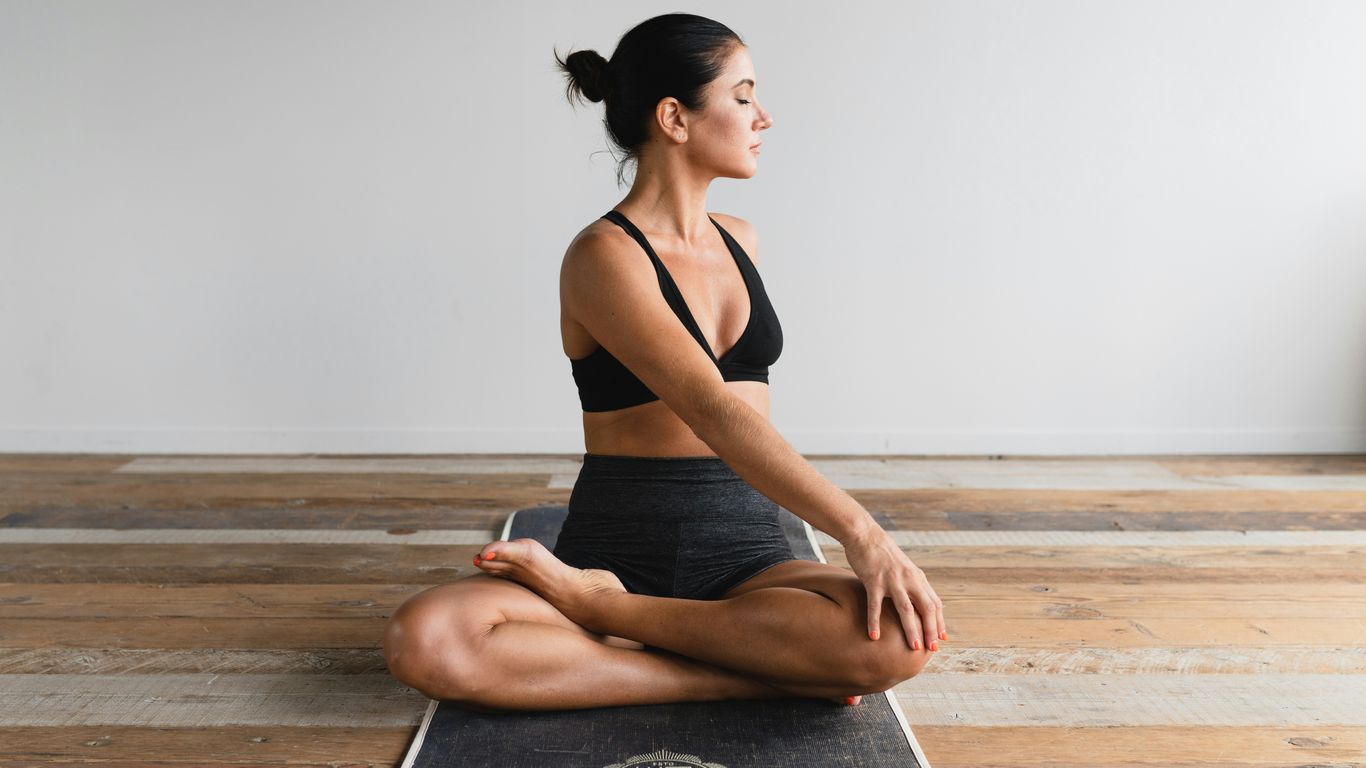
Getting ready for your yoga practice doesn't have to be complicated. It's more about setting yourself up for comfort and enjoyment so you can actually get the most out of your time on the mat. Think of it like getting ready for a nice walk in the park – you wouldn't wear heels, right? Same idea here.
Essential Gear for Comfortable Practice
When it comes to what to wear, comfort is king. You want clothes that let you move freely without feeling restricted. Stretchy leggings or comfortable shorts are usually a good bet. If you tend to sweat a lot, moisture-wicking fabrics can make a big difference. For those who need extra support, a good sports bra is a must. As for mats, many studios let you borrow one to start, which is great for trying things out. If you decide to get your own, look for one that has decent grip so you don't slide around, especially if you're trying more active styles. A mat that's too thick can make balancing tricky, so a standard yoga mat thickness, usually around 4-6mm, is a good starting point for most people. You can explore different yoga teacher programs to see what styles might influence your mat choice.
Overcoming Limiting Beliefs About Yoga
One of the biggest hurdles for people starting yoga is the idea that you have to be super flexible or a certain body type to do it. Honestly, that's just not true. Yoga is for everybody, no matter your shape, size, or current flexibility level. You're not supposed to be a zen master from day one; in fact, many people find yoga helps them manage stress and anxiety. If you catch yourself thinking, "I'm not flexible enough," try to reframe it. You're practicing yoga to gain flexibility, strength, and peace, not because you already have it all. It's about the journey, not some impossible starting point.
Don't feel pressured to do poses that don't feel right for your body. There are always modifications or alternative poses that offer similar benefits. The goal is to find what works for you and makes you feel good, not to force yourself into something uncomfortable.
Making Yoga an Enjoyable and Accessible Pursuit
Ultimately, yoga should feel good and be something you look forward to. If a particular class style or instructor doesn't click with you, that's perfectly okay. There are so many different types of yoga out there, from gentle Hatha to more energetic Vinyasa. Don't be afraid to try a few different things until you find what truly resonates. You might discover that a quiet practice at home suits you better than a busy studio, or maybe you prefer outdoor sessions, like those you might find near Robinson Preserve. The most important thing is to find a way to practice that feels sustainable and enjoyable for you. If you're not feeling a formal class, even just some stretching or mindful movement can be beneficial. It's about finding what makes your body and mind feel better.
Final Thoughts
Becoming a yoga instructor is more than just getting a certificate. It's a journey of learning about yourself, growing, and helping others. If you dream of teaching classes, leading retreats, or just getting better at your own practice, the first step is picking a training program that feels right for you and helps you grow. The right training won't just show you how to lead a class; it will help you become the kind of teacher people trust and want to learn from for a long time.
Frequently Asked Questions
Can anyone become a yoga instructor?
Yes, pretty much anyone can become a yoga instructor. You don't need to be super flexible or have practiced for years. What's really important is wanting to learn, practicing regularly, and teaching in a way that feels true to you. A good 200-hour training is usually the first big step.
What is Yoga Alliance?
Yoga Alliance is a group that sets standards for yoga schools and teachers. Getting certified through a school registered with Yoga Alliance (like an RYS) means your training meets certain requirements. It's a good way to show you've completed a recognized program.
What happens in a 200-hour yoga teacher training?
A 200-hour training covers a lot! You'll learn about yoga poses (asanas), how to guide people through them safely, breathing techniques (pranayama), meditation, and the history and philosophy of yoga. You'll also practice teaching and get feedback.
Are online yoga teacher trainings good?
Online trainings can be really great, especially if they offer live sessions and lots of interaction. They give you flexibility. Just make sure the program is well-structured, has good teachers, and ideally, is approved by Yoga Alliance. Not all online courses are the same, so do your homework!
How do I find a yoga instructor I like?
Finding a teacher you connect with is key. Ask friends for recommendations, read instructor bios online, and check out their social media to get a feel for their style and energy. Don't be afraid to try a few different classes to see who you vibe with best. Introducing yourself as a new student can also help them guide you better.
What should I bring to my first yoga class?
For your first class, wear comfortable clothes you can move in. Most studios let you borrow a mat, but you can bring your own if you have one. It's also good to arrive 10-15 minutes early to get settled, find the restroom, and introduce yourself to the instructor before class starts.

