
Find Relief: Effective Yoga Poses for Back Pain Management
Back pain can really put a damper on your day, can't it? It's one of those things that makes even simple tasks feel like a chore. Often, it comes down to tight muscles, not standing up straight, or just doing the same thing over and over. Luckily, there are ways to find some relief without always needing to see a doctor. Yoga, for instance, has been shown to help. It’s a low-impact way to get your body moving, build some strength, and ease that stiffness in your back. We'll look at some yoga poses for back pain that might just make a difference.
Key Takeaways
- Yoga can help manage back pain by improving flexibility, building core strength, and promoting better posture.
- Gentle poses like Cat-Cow and Child's Pose offer immediate relief and comfort for a sore back.
- Poses such as Downward-Facing Dog and Bridge Pose help build strength to support the spine and reduce discomfort.
- Twisting poses, like the Supine Spinal Twist, can help decompress the spine and release tension.
- Always practice yoga safely by listening to your body, starting slow, and consulting with a healthcare professional if needed.
Understanding Yoga's Impact on Back Pain
Back pain is a real drag, isn't it? It can mess with your work, your hobbies, pretty much everything. A lot of the time, it comes down to tight muscles, slouching, or just overdoing it. Yoga offers a different path, a way to gently work with your body to find some relief. It's not about forcing anything, but rather about building a better connection with yourself.
Improved Flexibility and Reduced Tension
When your back hurts, it often feels stiff and unyielding. Yoga poses work by stretching out those tight muscles in your back, hips, and even your legs. Think of it like loosening up a tightly wound spring. As these muscles relax and gain more range of motion, the tension that was contributing to your pain starts to ease up. This increased flexibility can make everyday movements feel much smoother and less painful. Some studies have even shown that yoga can lead to small to moderate decreases in pain intensity in the short term.
Core Strength for Spinal Support
Your spine needs a strong support system, and a lot of that comes from your core muscles – your abs, your back, and your pelvic floor. When these muscles are weak, your spine has to work harder, which can lead to pain. Yoga poses are fantastic for building this core strength. By engaging these muscles in poses, you're essentially creating a natural corset that helps support your spine better. This can not only help with current pain but also prevent future issues.
Enhanced Posture and Body Awareness
Let's be honest, most of us probably aren't standing or sitting as straight as we should be. Poor posture puts a lot of extra strain on your back. Yoga helps you become more aware of how you hold your body. Through the practice, you start to notice when you're slouching and learn how to correct it. This improved awareness, combined with stronger muscles, helps you maintain better alignment throughout the day, reducing that constant pull on your back.
Stress Reduction and Muscle Relaxation
Stress and back pain often go hand-in-hand. When you're stressed, your muscles tend to tense up, especially in your neck, shoulders, and back. Yoga isn't just about the physical poses; it also incorporates deep breathing and mindfulness. These techniques help calm your nervous system, which in turn signals your muscles to relax. This combination of movement and relaxation can be incredibly effective at melting away tension that contributes to back discomfort. It's a way to give your whole body, including your aching back, a much-needed break.
Yoga's approach to back pain is about gentle strengthening and increased awareness, rather than aggressive stretching or high-impact exercise. It encourages a mindful connection with your body, helping you understand its signals and respond with care.
Gentle Yoga Poses for Immediate Relief
When your back is really acting up, the last thing you might want to do is move. But sometimes, gentle movement is exactly what you need. These poses are designed to be super kind to your spine, helping to ease that immediate discomfort without asking too much of you. They focus on mobilizing your back and bringing a sense of calm.
Cat-Cow Stretch for Spinal Mobilization
This is a fantastic way to get your spine moving again. It's like a gentle wake-up call for your back. You'll be on your hands and knees, and the movement is a slow, rhythmic flow between arching your back and rounding it. It helps to increase flexibility and can really take the edge off lower back tension. Focus on breathing with the movement; it makes a big difference.
Here's how to do it:
- Start on your hands and knees, with your wrists directly under your shoulders and your knees under your hips.
- As you inhale, drop your belly towards the floor and lift your gaze and chest (Cow pose).
- As you exhale, round your spine towards the ceiling, tuck your chin to your chest, and draw your navel in (Cat pose).
- Continue this flow for at least a minute, or about 5-10 breaths.
Child's Pose for Restorative Comfort
If you need a moment of pure rest, Child's Pose is your go-to. It's a wonderfully restorative posture that gives your lower back and hips a gentle stretch while encouraging you to just relax. It's perfect for melting away stress and any tightness you might be feeling. You can even place a pillow or blanket under your forehead or between your thighs if that feels more comfortable. This pose is great for relieving sciatica pain if you're experiencing that.
Sphinx Pose to Strengthen the Spine
Sphinx Pose is a milder version of a backbend that helps to gently strengthen your back muscles. You lie on your stomach and prop yourself up on your forearms. It opens up your chest and lengthens your spine, which can feel really good when your back is sore. It's a way to build a little support for your spine without overdoing it. This pose, along with others, helps to alleviate low back pain by working on the muscles that support your back.
Remember, the goal here isn't to push yourself. It's about finding gentle ways to encourage movement and release tension. If anything causes sharp pain, back off immediately. These poses are meant to be a soothing balm for your back.
Poses to Build Strength and Alleviate Discomfort
Beyond just stretching, certain yoga poses are fantastic for building up the muscles that support your spine. When these muscles are stronger, they can do a better job of taking the load off your back, which often means less pain. It's like giving your spine a built-in support system.
Downward-Facing Dog for Full Body Stretch
This pose is a real all-rounder. It stretches out the backs of your legs, your shoulders, and yes, your entire spine. It's a great way to get a bit of length back into your body, especially if you've been sitting for a while. It helps create space between your vertebrae.
To get into it:
- Start on your hands and knees, wrists under shoulders, knees under hips.
- Tuck your toes and lift your hips up and back, forming an inverted 'V' shape.
- Press firmly through your hands, spreading your fingers wide.
- Let your head hang heavy between your arms, and try to press your heels towards the floor (they don't need to touch!).
Bridge Pose for Lower Back and Core
Bridge pose is a gentle backbend that really wakes up your glutes and core muscles, which are super important for stabilizing your lower back. It also opens up your chest and shoulders.
Here's how to do it:
- Lie on your back with your knees bent and feet flat on the floor, hip-width apart, close to your glutes.
- Keep your arms by your sides, palms down.
- Press into your feet and lift your hips off the floor.
- Keep your neck long and avoid tucking your chin too much.
Cobra Pose to Strengthen Back Muscles
Cobra pose is another excellent pose for strengthening the muscles along your spine. It's a mild backbend that also opens up your chest and shoulders. It can feel really good after a day of hunching over.
To try Cobra:
- Lie on your stomach with your legs extended and the tops of your feet on the floor.
- Place your hands under your shoulders, elbows tucked in close to your body.
- Gently press into your hands and lift your chest off the floor, keeping your hips and lower belly on the ground.
- Keep your gaze forward and lengthen your neck.
Remember, the goal with these poses isn't to push yourself into extreme positions. It's about building strength and flexibility in a way that feels supportive and healing for your back. Listen to your body and don't force anything. If a pose feels wrong, ease out of it or modify it. You can find more information on poses for lower back pain relief that might be helpful.
These poses, when practiced regularly and mindfully, can make a real difference in how your back feels. They work on building a stronger foundation and increasing your body's ability to handle daily stresses without flaring up.
Twisting Poses for Spinal Decompression
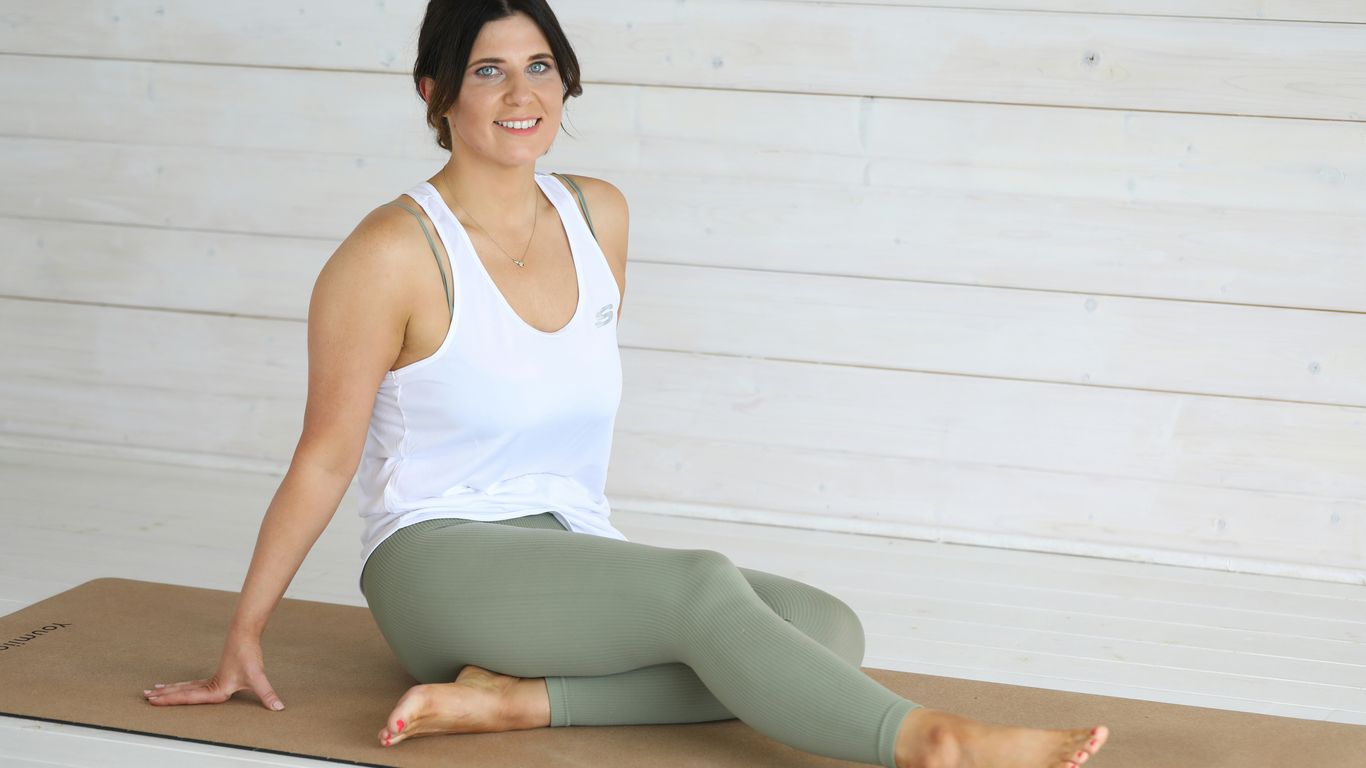
Twists are fantastic for giving your spine a little wiggle room. They help to wring out tension and can feel really good after a long day. These poses encourage movement and mobility throughout your back.
Supine Spinal Twist for Tension Release
This is a super gentle way to get some movement in your spine while you're lying down. It's perfect for winding down and releasing any tightness you might be holding onto.
Here's how to do it:
- Lie on your back with your knees pulled into your chest.
- Let your knees fall slowly to one side, keeping them as close together as you can. You can put a pillow between your knees if that feels better.
- Keep your shoulders on the floor. You can turn your head to look in the opposite direction of your knees if that's comfortable.
- Breathe deeply and try to relax into the twist. Hold for at least 30 seconds, then switch sides.
This pose is great for stretching your spine, back, and shoulders. It can really help ease stiffness.
Half Lord of the Fishes Pose
This is a more active seated twist. It's a bit more involved but offers a great stretch for your spine and can help energize you.
To get into it:
- Start seated with your legs extended. Bend your right foot in and place it on the outside of your left thigh.
- Lengthen your spine and twist your torso to the right. You can place your right hand on the floor behind you for support.
- Bring your left elbow to the outside of your right thigh, or hug your knee with your elbow. Try to keep your hips level.
- Gaze over your right shoulder. Hold for a few breaths, then repeat on the other side.
This twist can help relieve backache and also stretches your hips and shoulders. It's a good one for improving spinal mobility and can feel quite invigorating after a long day of sitting. You can find more poses that promote a strong and flexible spine here.
Remember, the goal with twisting poses is to create space and release tension, not to force yourself into a deep bend. Listen to your body and only go as far as feels comfortable.
Standing Poses for Alignment and Balance
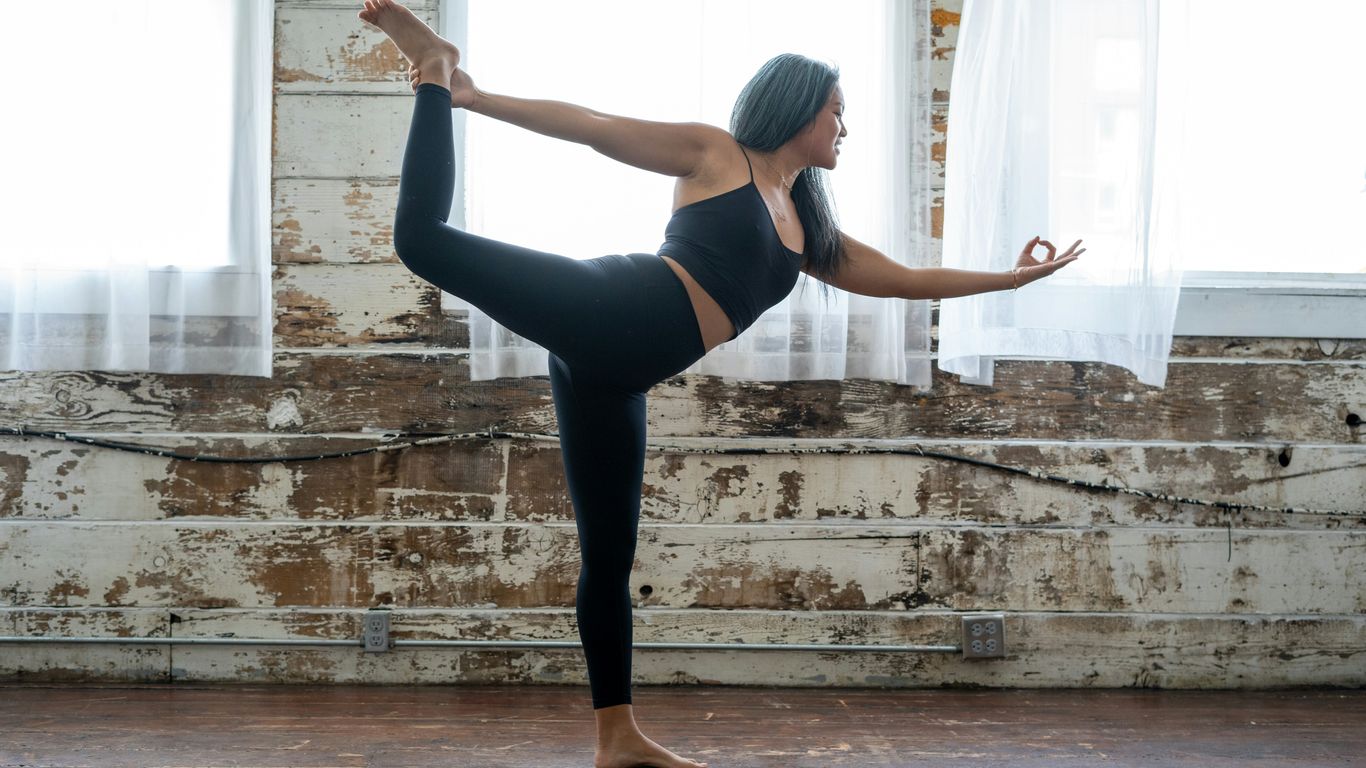
Standing poses might seem a bit counterintuitive when your back is hurting, but they can actually be super helpful. They work on building stability and making sure your body is lined up properly, which is key for taking pressure off your spine. Think of it like making sure the foundation of a house is solid – if it's off, everything above it suffers.
Extended Triangle Pose for Hip and Spine
This pose is fantastic for opening up your hips and giving your spine a nice, long stretch. It helps create space between the vertebrae, which can feel really good. You'll want to stand with your feet about four feet apart. Turn your right toes to face forward and your left toes out slightly. Then, reach your arms out parallel to the floor. Hinge at your right hip, bringing your right hand down towards your shin, ankle, or even the floor if you can reach. As you do this, extend your left arm straight up towards the ceiling. Focus on lengthening your torso, not just reaching down. It’s about creating that long line from your back foot all the way up your top arm. This pose helps with balance and can really ease tension in your hips and the side of your body. You can find more poses that help with spinal alignment here.
Warrior Poses for Stability
Warrior I and Warrior II are great for building strength in your legs and core, which indirectly supports your back. They teach you to ground yourself and find stability. For Warrior II, start by standing with your feet wide apart, about three to four feet. Turn your right foot out 90 degrees and your left foot in slightly. Bend your right knee so it's directly over your ankle, keeping your thigh parallel to the floor if possible. Extend your arms out to the sides, parallel to the floor, gazing over your front fingertips. This pose builds endurance and helps you feel more centered. It's about finding that strong, steady base. Remember, the stronger your legs and core, the less strain on your lower back.
When practicing standing poses, it's really important to pay attention to your feet. Make sure they are grounded and pressing into the earth. This connection helps create a stable base for your entire body, which in turn supports your spine. Don't rush the transitions between poses; move with intention and awareness.
Practicing Yoga Safely for Back Pain
So, you're looking to try some yoga for that nagging back pain. That's a great idea! Yoga can be super helpful, but like anything new, especially when your back is involved, it's smart to go about it the right way. We don't want to trade one kind of discomfort for another, right?
Consulting with Healthcare Professionals
Before you even unroll your mat, it's a really good idea to have a chat with your doctor or a physical therapist. They know your specific situation and can tell you if yoga is a good fit for you right now. They might even have some specific advice or poses to focus on, or maybe some to steer clear of. It’s like getting a personalized roadmap for your back health journey. They can help you figure out if yoga is appropriate for your condition and offer guidance on how to start safely.
Listening to Your Body's Signals
This is probably the most important rule. Yoga should feel good, or at least not painful. If a pose sends a sharp twinge through your back, or just feels wrong, don't push it. Ease out of it, try a modified version, or just skip that one altogether. Your body is pretty good at telling you what it needs, you just have to pay attention. Think of it as a conversation with yourself, where your body is the one talking.
Starting Slowly and Modifying Poses
If you're new to yoga, or new to yoga for back pain, start with the basics. Look for beginner classes or tutorials that focus on gentle movements. Learning the correct form is key to getting the benefits without risking injury. Many poses can be adjusted to fit your needs. For example, using props like blankets or blocks can make a big difference in how a pose feels and supports your body. Don't be afraid to modify; it's a sign of wisdom, not weakness!
- Begin with gentle, foundational poses.
- Focus on proper alignment over depth.
- Use props like blocks, blankets, or straps to support your body.
- Breathe deeply and mindfully throughout your practice.
Remember, consistency is more important than intensity when you're dealing with back pain. Even a few minutes of mindful movement each day can make a difference over time. It's about building a sustainable practice that supports your long-term well-being.
Putting It All Together
So, there you have it. Yoga can be a really helpful tool for managing back pain, not just for the physical stuff but for the stress that often comes with it too. Remember, it’s not about pushing yourself too hard, especially when you’re starting out. Listen to your body, find a good teacher if you can, and be patient with the process. Even a few minutes of mindful movement each day can make a difference. Give these poses a try and see how your back feels. You might be surprised at the relief you can find.
Frequently Asked Questions
Can yoga really help my back pain?
Yes, yoga can be a great way to help manage back pain! It helps by making your back muscles stronger and more flexible. It also helps you stand and sit up straighter, which takes pressure off your spine. Plus, the relaxing parts of yoga can help ease muscle tension caused by stress.
Is yoga safe for me if I have back pain?
For most people, yoga is safe and helpful for back pain. However, it's super important to talk to your doctor or a physical therapist before you start. They can tell you if yoga is right for you and suggest poses that are best for your specific situation. Always listen to your body and don't push yourself too hard.
What are some easy yoga poses for back pain?
Great beginner poses include the Cat-Cow stretch to gently move your spine, Child's Pose for a relaxing stretch, and Sphinx Pose to gently strengthen your back. These are gentle ways to start feeling better.
How often should I practice yoga for back pain?
Even a little bit of yoga can make a difference! Try starting with just 10-15 minutes a day. Consistency is key. As you get stronger and more comfortable, you can gradually increase the time or try more challenging poses.
What if a yoga pose hurts my back?
This is a big one! Yoga should never cause sharp or intense pain. If you feel pain, stop the pose right away. You can try modifying the pose to make it easier, or simply skip it for that day. It's always better to be safe than sorry.
Do I need a special yoga teacher for back pain?
While any good yoga teacher can help, it's a good idea to find one who has experience helping people with back pain. A yoga therapist or an instructor who knows about pain management can offer modifications and guidance tailored to your needs. Let your teacher know about your back pain before class starts.


