
Exploring Yoga and Types of Yoga: Find Your Perfect Practice
Yoga, a practice that's thousands of years old, has really taken off in recent times. You see all sorts of classes advertised now, from the really traditional ones to some pretty out-there modern takes. It's not just about bending yourself into pretzels, either. At its core, yoga is about connecting your body, mind, and spirit. But with so many different types of yoga out there, figuring out where to start can feel a little overwhelming. This guide is here to help you sort through the options and find a yoga style that feels just right for you.
Key Takeaways
- Yoga is a practice that aims to unite the body, mind, and spirit, going beyond just physical exercise.
- Hatha yoga is a good starting point, focusing on basic poses and breathwork.
- Vinyasa and Ashtanga yoga offer more dynamic and structured flows, building strength and stamina.
- Styles like Iyengar, Bikram, and Kundalini offer unique approaches focusing on alignment, heat, or energy awakening.
- Restorative and Yin yoga provide slower, more meditative practices for relaxation and deep stretching.
Understanding the Foundations of Yoga
What Yoga Truly Means
So, what exactly is yoga? It's easy to think of it as just stretching or a way to get a good workout, but it's actually a lot more. At its core, yoga is about bringing things together. Think of it as a way to connect your body, your thoughts, and your breath. It’s an ancient practice that started in India thousands of years ago, and it’s grown into so many different styles we see today. The real goal is to find a sense of balance and peace, both inside and out. It’s not about being the most flexible person in the room or holding a pose perfectly. It’s more about what you feel and learn while you’re doing it.
The Union of Body, Mind, and Spirit
This idea of union is pretty central to yoga. It’s not just about moving your body; it’s about paying attention to how you feel, what you’re thinking, and how you’re breathing all at the same time. When you’re on your mat, you’re not just doing a series of poses. You’re trying to get your body to work with your mind, and your mind to be calm and focused. This connection helps you feel more present and aware. It’s like tuning into yourself on a deeper level. This practice can help you feel more grounded and less caught up in the everyday rush.
Beyond the Physical: A Holistic Approach
While many people start yoga for the physical benefits – like getting stronger or more flexible – there’s so much more going on. Yoga looks at you as a whole person. It’s not just about your muscles or your heart rate. It’s also about how you manage stress, how you feel emotionally, and even how you connect with yourself. Think of it like this:
- Physical: Poses (asanas) build strength and flexibility.
- Mental: Breathwork (pranayama) and meditation calm the mind.
- Emotional: The practice helps in managing feelings and reducing stress.
Yoga encourages you to be kind to yourself and to listen to what your body needs on any given day. It's a personal journey, not a competition.
This all-around approach means yoga can help you feel better in many parts of your life, not just when you're on the mat. It’s about creating a healthier, more balanced way of living.
Exploring Diverse Yoga Styles
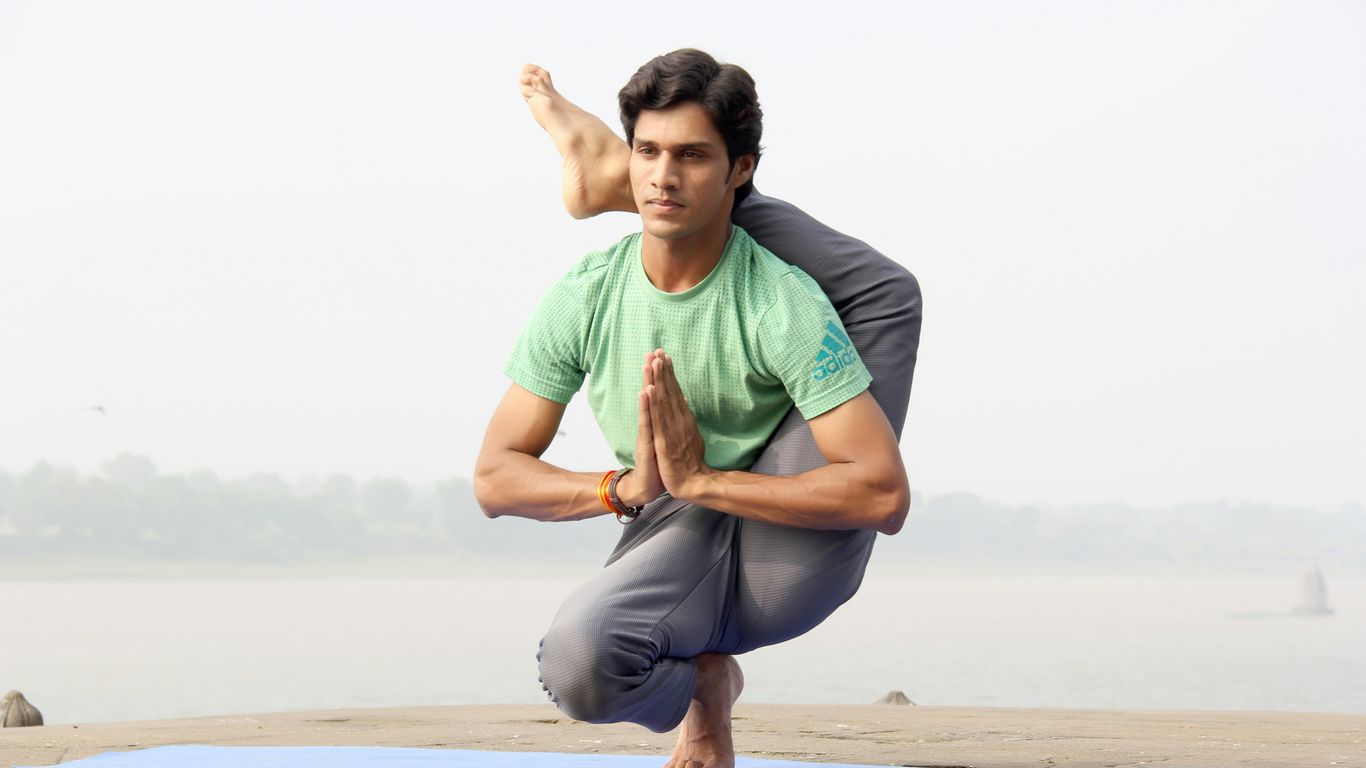
Yoga has really branched out over the years, hasn't it? It feels like there's a style for just about everyone now. If you're just starting out or looking for something a bit different, understanding the main types can make a big difference in finding a practice that feels right for you. It's all about finding what clicks with your body and your mind.
Hatha Yoga: The Gentle Beginning
Hatha yoga is often seen as the starting point for many other yoga styles. The name itself, "Hatha," basically means the physical practice of yoga. Think of it as the foundation. Classes are usually pretty relaxed, focusing on holding basic poses and getting your breathing in sync. It's a great way to get a feel for yoga without feeling overwhelmed. You'll work on flexibility and building a little strength, and it's pretty good for shaking off daily stress too.
- Pace: Slow and steady.
- Focus: Basic poses, breath awareness.
- Good for: Beginners, stress relief, improving flexibility.
Vinyasa Yoga: The Flowing Practice
If you like movement and a bit of a rhythm, Vinyasa might be your jam. It's often called "Flow Yoga" because you move from one pose to the next in a pretty continuous sequence. The teacher usually puts together a series of poses that link together smoothly, and it's all tied to your breath. This style really builds heat in the body, helping you get stronger and more flexible. It also helps clear your head, making it good for focus.
Ashtanga Yoga: The Structured Discipline
Ashtanga is a more intense style that follows a set series of poses. It's similar to Vinyasa in that it's a flowing practice, but it's much more structured. There's a specific order to the poses, and it's quite physically demanding. If you like a challenge and enjoy a disciplined approach, Ashtanga could be a good fit. It's known for building serious strength, stamina, and flexibility. It's a practice that really pushes you, but in a very organized way. You can find out more about different yoga styles to see how they compare.
Remember, there's no single "best" type of yoga. What works wonders for one person might not be the right fit for another, and that's perfectly okay. The goal is to find a practice that makes you feel good, both physically and mentally, without forcing yourself into something that feels wrong.
Deepening Your Practice with Specific Modalities
Iyengar Yoga: Precision and Alignment
Iyengar yoga is all about getting the poses just right. Developed by B.K.S. Iyengar, this style really emphasizes holding poses for longer periods, and the big thing here is the use of props. We're talking blocks, straps, blankets, even chairs. These aren't just for beginners; they help everyone find the correct alignment and get the most out of each posture. It's a slower practice, but don't let that fool you – it can be quite intense because you're really focusing on the details of how your body is positioned. It's great for building strength, stability, and a really solid understanding of how your body works in yoga.
This meticulous approach makes it accessible for people of all ages and physical conditions.
Bikram and Hot Yoga: The Heated Challenge
If you're looking for a serious sweat session, Bikram and other forms of hot yoga might be your jam. Bikram yoga has a very specific sequence of 26 poses and two breathing exercises, always done in a room heated to about 105°F (40°C) with high humidity. Other 'hot yoga' classes can vary more in their sequences and temperatures. The heat is supposed to help your muscles relax and allow for deeper stretching. You'll definitely feel challenged, and staying hydrated is super important. It's not for everyone, especially if you have certain health conditions, but many people find it invigorating.
Kundalini Yoga: Awakening Inner Energy
Kundalini yoga is a bit different from the styles focused purely on physical postures. It's more about awakening your inner energy, often referred to as Kundalini. This practice combines physical poses (asanas) with chanting (mantra), breathing techniques (pranayama), and meditation. The goal is to move that energy up your spine. Classes can feel very dynamic and sometimes a little repetitive with the movements, but it's all designed to create a specific effect. People often report feeling a sense of clarity, calmness, and a connection to something deeper after a Kundalini session.
Kundalini yoga aims to connect you with your own inner power and consciousness through a blend of movement, sound, and breath. It's a practice that can feel both physically and spiritually engaging.
Finding Stillness and Restoration
Sometimes, the most active thing you can do is to be still. In our busy lives, it’s easy to get caught up in the constant doing, the endless to-do lists, and the general rush of things. Yoga offers a way to step off that treadmill, and two styles really shine when it comes to finding that quiet space: Restorative Yoga and Yin Yoga.
Restorative Yoga: Ultimate Relaxation
Think of Restorative Yoga as a gentle hug for your nervous system. This practice is all about letting go and allowing your body to be fully supported. Instead of actively working muscles, the focus is on passive stretching and deep relaxation. You’ll often find yourself using lots of props – blankets, bolsters, blocks – to prop yourself up in poses. This support takes the effort out of it, letting your body sink into a state of ease. Poses are held for extended periods, sometimes 10 minutes or even longer, giving your body and mind ample time to unwind.
The goal here is complete mental and physical rest. It’s perfect for anyone feeling burnt out, stressed, or just needing a serious break from the demands of daily life. It’s not about pushing your limits; it’s about finding comfort and peace.
Yin Yoga: Deep Stretching and Patience
Yin Yoga takes a different approach to stillness, focusing on a deeper, more passive stretch. While Restorative Yoga uses props to create comfort, Yin Yoga uses them to help you access deeper connective tissues like ligaments and fascia. Poses are typically held for longer durations, usually 3 to 5 minutes, sometimes even more. This sustained hold allows gravity and time to work on the deeper layers of the body.
Here’s what you can expect:
- Floor-based poses: Most poses are done seated or lying down.
- Long holds: Poses are held for several minutes to target connective tissues.
- Focus on breath: Using the breath to stay present and relax into the stretch.
- Patience is key: It requires a willingness to sit with sensations without forcing anything.
Yin Yoga asks you to be patient with your body and the process. It's about finding a balance between effort and ease, learning to observe sensations without judgment, and understanding that deep change happens slowly.
Both Restorative and Yin Yoga are fantastic for all levels, and they can be a wonderful complement to more active yoga styles or other physical activities. They offer a much-needed pause, a chance to recharge, and a way to connect with yourself on a quieter level.
Choosing the Right Yoga for You
Aligning Practice with Personal Goals
So, you've explored the different types of yoga and maybe even tried a few classes. Now comes the part where you figure out which one really fits you. It's not about finding the 'best' yoga, but the best yoga for your life right now. Think about what you're hoping to get out of your practice. Are you looking to de-stress after a long week? Maybe build some strength? Or perhaps you're on a journey to connect more with yourself on a deeper level? Different styles cater to different desires. For instance, if your main goal is to unwind and find some calm, a Restorative or Yin class might be your go-to. If you're aiming to build physical stamina and a bit of heat, Vinyasa or Ashtanga could be more your speed. It’s like picking out an outfit – you choose what suits the occasion and how you want to feel.
Considering Your Fitness Level and Preferences
Your current physical condition and what you genuinely enjoy doing are super important. If you're just starting out or coming back after a break, jumping into a super intense Ashtanga class might feel overwhelming. Styles like Hatha or even a gentle Vinyasa are often recommended for beginners because they focus on the basics and allow you to get a feel for the poses and your body's responses. On the other hand, if you're already quite active and looking for a physical challenge, you might find yourself drawn to the more dynamic styles. Don't forget to think about your personality too. Do you prefer a structured, step-by-step approach, or do you like to go with the flow? Some people thrive in a quiet, introspective environment, while others enjoy the energy of a group chanting or moving together. Listen to your body and your inner voice; they usually know what's best.
The Journey to Your Perfect Yoga Practice
Finding your ideal yoga practice isn't always a straight line. It's more of an exploration, a bit like trying different recipes until you find your favorite. Don't be afraid to experiment! Try a class here, a workshop there. Maybe you'll love the first style you try, or maybe it will take a few attempts to discover what truly clicks. It's perfectly okay to switch styles as your needs and goals change over time. What works for you today might be different next year, and that's part of the beauty of yoga – it grows with you.
Here’s a little guide to help you match styles to potential interests:
- For relaxation and stress relief: Restorative Yoga, Yin Yoga
- For building strength and stamina: Ashtanga Yoga, Vinyasa Yoga, Power Yoga
- For a gentle introduction: Hatha Yoga, Beginner Vinyasa
- For a spiritual connection: Kundalini Yoga, Jivamukti Yoga
- For precise alignment: Iyengar Yoga
- For a unique challenge: Bikram Yoga, Hot Yoga
Remember, the most important thing is to find a practice that feels good for your body and mind, and that you'll actually stick with. It's not about perfection, it's about showing up for yourself.
Finding Your Flow
So, we've looked at a bunch of different yoga styles, from the super chill ones to the really intense ones. It can feel like a lot at first, right? But the main thing to remember is that there's no single 'best' type of yoga. It's all about what feels good for you, right now. Maybe you want something gentle to help you relax after a long day, or maybe you're looking for a workout that also calms your mind. Don't be afraid to try a few different classes or studios. You might surprise yourself with what you enjoy. The most important part is just showing up on your mat and seeing where the practice takes you. Happy practicing!
Frequently Asked Questions
What exactly is yoga?
Yoga is basically a way to connect your body, mind, and spirit. It's an old practice that helps you find balance, learn how to stretch right, control your breathing, and calm your thoughts. It's not just about doing cool poses; it's about understanding yourself better.
Is yoga just about exercise?
Not at all! While yoga does involve physical poses that can make you stronger and more flexible, it's much more than just a workout. It also focuses on your breathing and mental state, aiming for a sense of peace and connection.
What's the difference between Hatha and Vinyasa yoga?
Hatha yoga is usually a slower, more basic style that's great for beginners to learn the fundamentals. Vinyasa yoga, on the other hand, is known for its flowing movements, where you move smoothly from one pose to the next, often linked with your breath. Think of Hatha as a gentle introduction and Vinyasa as a more dynamic dance.
I'm new to yoga, which style should I try first?
For beginners, Hatha yoga is often recommended because it moves at a slower pace and focuses on basic poses and breathing. Restorative yoga is another excellent choice if you're looking for something very gentle and relaxing. These styles help you get comfortable with the practice without feeling overwhelmed.
What is 'hot yoga' and is it safe?
Hot yoga, like Bikram yoga, is practiced in a room that's heated to high temperatures. The heat can help your muscles relax and allow you to stretch deeper. However, it can be intense, so it's important to stay hydrated and listen to your body. It's often best for those who are already in good shape and have some yoga experience.
How do I know which type of yoga is best for me?
The best way to find out is to try different styles! Think about what you want to get from yoga – maybe it's relaxation, a good workout, or spiritual growth. If you like detailed instructions and precise movements, Iyengar might be good. If you prefer a challenging, structured routine, Ashtanga could be a fit. Don't be afraid to experiment until you find a class that makes you feel excited to practice.

