
Discover the Average Length of a Yoga Mat: What You Need to Know
So, you're thinking about yoga and wondering about the gear, right? Specifically, the mat. You see them everywhere, but have you ever stopped to think about how long they actually are? It turns out, the average length of a yoga mat isn't just a random number; it can actually make a difference in how you feel during your practice. Let's break down what you need to know about yoga mat sizes, because who wants to feel cramped when they're trying to relax?
Key Takeaways
- The standard yoga mat length is usually around 68 inches, but many practitioners find this too short.
- Mat length should ideally be 6-8 inches longer than your own height for full coverage.
- Taller individuals (over 6 feet) often benefit from extra-long mats, measuring 72 inches or more.
- While length is important, mat width also plays a role in stability and comfort, especially for certain yoga styles.
- Choosing a mat that fits your body and practice style, rather than just defaulting to the standard size, can significantly improve your yoga experience.
Understanding The Average Length Of Yoga Mat
So, you're wondering about yoga mat lengths, huh? It's a pretty common question, and honestly, it makes sense. You don't want to be doing a downward dog and have your feet hanging off the edge, right? It's like trying to do a puzzle with missing pieces – just doesn't feel right.
What Is The Standard Yoga Mat Length?
Most yoga mats you see out there are pretty standard. Think of them as the 'one-size-fits-most' of the yoga world. Generally, a standard yoga mat clocks in around 68 inches long. Some brands might stretch that a bit to 72 inches, but that's usually the ballpark. This size is designed to work for a lot of people, especially if you're on the shorter side or have an average build. It's a good starting point, and for many, it's perfectly fine.
Why Standard Yoga Mat Sizes Exist
There's a reason why most mats are around the same size. It's all about practicality, really. Manufacturers want to make products that a large number of people can use without too much fuss. Plus, having a standard size makes them easier to produce, store, and ship. It's a balance between making something that works for most folks and keeping things simple for the companies making them. This way, you can usually find a mat without too much trouble.
How Mat Length Impacts Your Practice
Okay, so how does the length of your mat actually affect your yoga session? Well, it can make a difference, especially in certain poses. If you're doing a pose where you need to stretch out fully, like a long lunge or a forward fold, and your mat is too short, your hands or feet might end up on the floor. That can be a bit distracting, and sometimes even a little unstable. For a comfortable practice, you generally want a mat that's at least 6 inches longer than your own height. It gives you that little bit of extra room so you're not constantly adjusting or worrying about where your limbs are landing. It's about having enough space to move freely and feel supported throughout your entire practice, from your warm-up stretches to your final resting pose. If you're taller than average, you'll definitely want to look beyond the standard yoga mat sizes.
Here's a quick look at how length can matter:
- Too Short: Feet or hands might slide off during poses like Downward-Facing Dog or Warrior II.
- Just Right: Allows for full body extension without feeling restricted.
- Too Long (for some): Can be a bit cumbersome to carry around, though this is less common than a mat being too short.
Sometimes, the simplest things make the biggest difference. A few extra inches on your yoga mat might seem minor, but it can really change how grounded and comfortable you feel during your practice. It's about having that personal space to move and breathe without feeling confined.
Determining Your Ideal Yoga Mat Length
So, you've got a yoga mat, but is it the right length for you? It's a question many people don't think about until they're mid-pose and their hands or feet are hanging off the edge. That's not exactly conducive to a peaceful practice, is it? Finding the perfect length really comes down to a few simple things: your height, your body's proportions, and the kind of yoga you're into.
Mat Length Relative To Your Height
This is probably the most straightforward factor. A good rule of thumb is to pick a mat that's at least six inches longer than you are tall. So, if you're 5'10", you'll want a mat that's around 76 inches long. This gives you enough room to stretch out fully in poses like Downward-Facing Dog or Savasana without feeling cramped. For example, if you're 178 cm tall, aiming for a mat of at least 183 cm is a solid starting point. It’s about making sure your whole body has a place on the mat.
Here’s a quick guide:
- Under 5'6" (167.5 cm): A standard 68-inch (173 cm) mat might be just fine.
- 5'7" (170 cm) to 5'10" (178 cm): Consider mats around 72 inches (183 cm) or longer.
- Over 5'10" (178 cm): You'll likely benefit from mats that are 74 inches (188 cm) or more.
Remember, these are just starting points. You can always use a tape measure to see how much space you have when lying down on a standard mat to gauge if you need more length for your practice.
Assessing Your Body Proportions
Beyond just your height, think about your build. Do you have particularly long arms or legs relative to your torso? Or perhaps broader shoulders? These proportions can influence how much space you need. Someone with a longer torso might find a standard mat feels shorter than it actually is for them. Similarly, if you have wide shoulders, you might find yourself wanting a bit more room side-to-side, which often goes hand-in-hand with longer mats from certain brands. It’s not just about fitting your length, but also your overall frame.
Considering Your Yoga Style
What you do on the mat matters too. If you're into dynamic styles like Vinyasa or Ashtanga, where you're moving a lot and transitioning between poses, having that extra length can be a lifesaver. It means you won't have to constantly adjust your position as you flow. For more stationary practices like Yin or Restorative yoga, where you hold poses for longer periods, a mat that fully supports your body from head to toe is also really nice. It helps you relax deeper into the pose without worrying about your heels or head slipping off the edge. If you're practicing hot yoga, sticking to a standard size with excellent grip is often more important than extra length, as you'll be focused on staying grounded.
The goal is to have a mat that feels like a natural extension of your body. You shouldn't have to think about where your hands and feet are going; they should just be there, comfortably on the mat. This allows you to focus entirely on your breath and the movement, rather than on managing your space.
Beyond Standard: Exploring Longer Yoga Mats
So, you've been practicing for a while, and maybe you've noticed that the standard yoga mat just isn't cutting it anymore. Perhaps your hands slide off when you're in Downward Dog, or your feet hang off the edge during Savasana. It's a common realization, and thankfully, there are options beyond the usual sizes. Stepping up to a longer yoga mat can make a surprising difference in your practice.
Benefits Of Extra-Long Yoga Mats
Going for a mat that's longer than the typical 68 or 72 inches isn't just about having more space; it's about a more comfortable and focused experience. When your entire body fits on the mat, you can really settle into poses without worrying about your head or feet touching the floor. This means fewer distractions and a greater sense of being grounded.
Here are some key advantages:
- Full Body Coverage: No more awkward balancing acts where your hands or feet are off the mat. This is especially helpful in poses like extended side angle or when you're just trying to relax in final resting pose.
- Reduced Distractions: When you're not constantly adjusting to keep yourself on the mat, you can concentrate better on your breath and the movements.
- Enhanced Stability: For taller individuals or those who like to take big, expansive stretches, a longer mat provides a more secure base.
Who Needs A Longer Yoga Mat?
Honestly, anyone who feels cramped on a standard mat could benefit. But it's particularly useful for:
- Taller Practitioners: If you're over 5'10" (about 178 cm), you'll likely find a mat that's 74 inches or longer much more comfortable. A good rule of thumb is to pick a mat that's at least 6-8 inches longer than your actual height. For example, if you're 6 feet tall, aiming for an 80-inch mat is a solid choice.
- Practitioners Who Enjoy Deep Stretches: If your yoga style involves wide-legged stances or deep forward folds, extra length gives you the room you need.
- Those Seeking Maximum Comfort: Even if you're not particularly tall, if you just want that extra bit of space to feel completely supported, a longer mat is worth considering. It really helps when you're trying to get the most out of poses like Warrior II.
Custom Length Options Available
While many brands now offer mats in lengths like 74, 80, or even 84 inches, you might still find yourself needing something specific. For those truly unique requirements, custom yoga mat services exist. These allow you to specify the exact length you need, ensuring a perfect fit for your body and your practice space. It's a bit more of an investment, but for some, it's the only way to get the ideal mat.
Sometimes, the standard size just doesn't fit everyone. It's like trying to wear shoes that are too small – it just doesn't feel right and can actually get in the way of what you're trying to do. Finding a mat that fits your body means you can focus on your yoga, not on the edges of your mat.
When you're looking at mats, remember to check the dimensions carefully. While standard mats are often around 68 inches long, many people find that upgrading to a 72-inch mat is a good first step. For those who need even more, the 84-inch options are out there, providing ample room for even the tallest yogis. It's all about finding that sweet spot where the mat supports you without you even having to think about it. You can find a great standard yoga mat length to start with, but don't be afraid to explore longer options if needed.
The Role Of Width In Yoga Mat Dimensions
So, we've talked a lot about length, but what about width? It's easy to overlook, but the width of your yoga mat plays a surprisingly big part in how comfortable and stable you feel during practice. A mat that's too narrow can feel like a constant balancing act.
Standard Yoga Mat Width
Most standard yoga mats come in at about 24 inches wide. This size is pretty common and works for a lot of people, especially if you're not taking up a ton of space in your poses. It's a good starting point, and for many, it's perfectly fine. It also means they're easier to fit into studios and carry around.
When Wider Mats Are Beneficial
But here's the thing: 24 inches can disappear pretty fast. Think about poses like Warrior II, wide-legged forward folds, or even just holding a plank. If your elbows or knees are constantly hovering near or falling off the edge, it can be distracting, to say the least. This is where wider mats, often 30 inches or more, really shine. They give you that extra bit of wiggle room, so you don't have to worry as much about staying perfectly centered. This is especially helpful if you have broader shoulders or just prefer a bit more personal space on your mat. For those practicing strength-focused routines or hybrid workouts, that extra width provides much-needed lateral support. It means you can focus on your form instead of worrying about your hands or feet slipping off the side. Many people find that once they switch to a wider mat, going back to a standard width feels really restrictive.
Impact Of Width On Stability
Beyond just comfort, width directly impacts your stability. When your hands and feet have a solid, consistent surface beneath them, you feel more grounded. This is particularly noticeable in balancing poses, but it also helps in dynamic flows where you're transitioning quickly between postures. Less time spent readjusting your position means more time focusing on your breath and the movement itself. It can make a big difference, especially in practices like hot yoga where things can get a bit slippery, or in any style that involves a lot of lateral movement. Having that extra space can really help you feel more secure and confident in your practice. It's about having enough room to move freely without feeling confined, which ultimately allows for better alignment and a more enjoyable experience on the mat. Exploring standard, extra-long, and extra-wide yoga mat sizes can help you find the perfect fit for your needs [d920].
Sometimes, the smallest details make the biggest difference. For yoga mats, width is one of those details. It's not just about having enough space; it's about feeling secure and supported in every pose, allowing you to fully immerse yourself in your practice without distraction.
Common Yoga Mat Lengths And Their Uses
Standard 68-Inch Mats
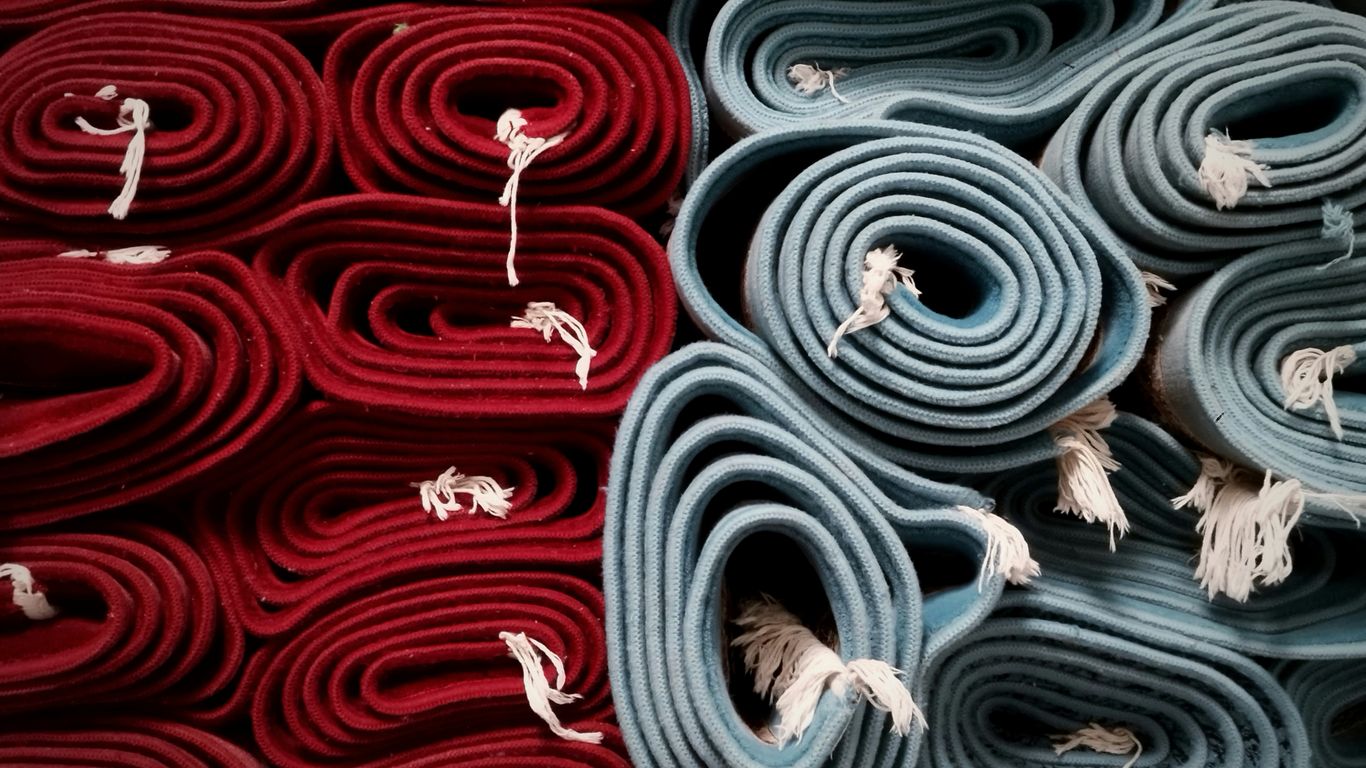
These mats are often the most budget-friendly and widely available. They typically measure around 68 inches (about 173 cm) in length. For many folks, especially those who are 5'6" or shorter, this size works just fine. You'll likely have enough room for basic poses like Mountain Pose or Downward Dog. However, if you're taller, you might find your head or feet hanging off the edge during Savasana, which can be a bit distracting.
72-Inch Mats: A Modest Upgrade
Stepping up to a 72-inch (around 183 cm) mat offers a bit more breathing room. This is a popular choice because it accommodates a wider range of practitioners, including those who are around 6 feet tall. You'll notice a difference in comfort, especially in poses where you stretch out fully. It's a good middle-ground option if the standard size feels a little cramped but you're not ready for the longest mats. Many people find this size provides a good balance for their yoga practice.
Extra-Long 84-Inch Mats
Now we're talking about serious space! Mats that are 84 inches (about 213 cm) long are designed for taller individuals or anyone who just wants that extra bit of security. If you're over 6 feet tall, these mats are a game-changer. You can stretch out completely in poses like forward folds or lie down in Savasana without any part of your body touching the floor. This can really help you feel more grounded and stable throughout your session.
Here's a quick look at how lengths compare:
| Mat Length (Inches) | Mat Length (cm) | Best For | Potential Drawbacks |
|---|---|---|---|
| 68 | 173 | Shorter practitioners (< 5'6") | Head/feet may hang off in some poses |
| 72 | 183 | Average to taller practitioners (up to 6') | Still might be short for very tall individuals |
| 84 | 213 | Tall practitioners (> 6') or those wanting maximum space | Can be bulkier to transport |
Choosing the right length is about more than just fitting your body; it's about feeling supported and uninhibited in every movement. A mat that's too short can make you feel restricted, pulling you out of your flow.
When you're looking at mats, remember that length is just one piece of the puzzle. Width also plays a role in how stable and comfortable you feel. But for many, getting the length right is the first step to a more enjoyable practice. If you're unsure, starting with a standard size and seeing how it feels is often a good approach.
Choosing The Right Yoga Mat Size For Comfort
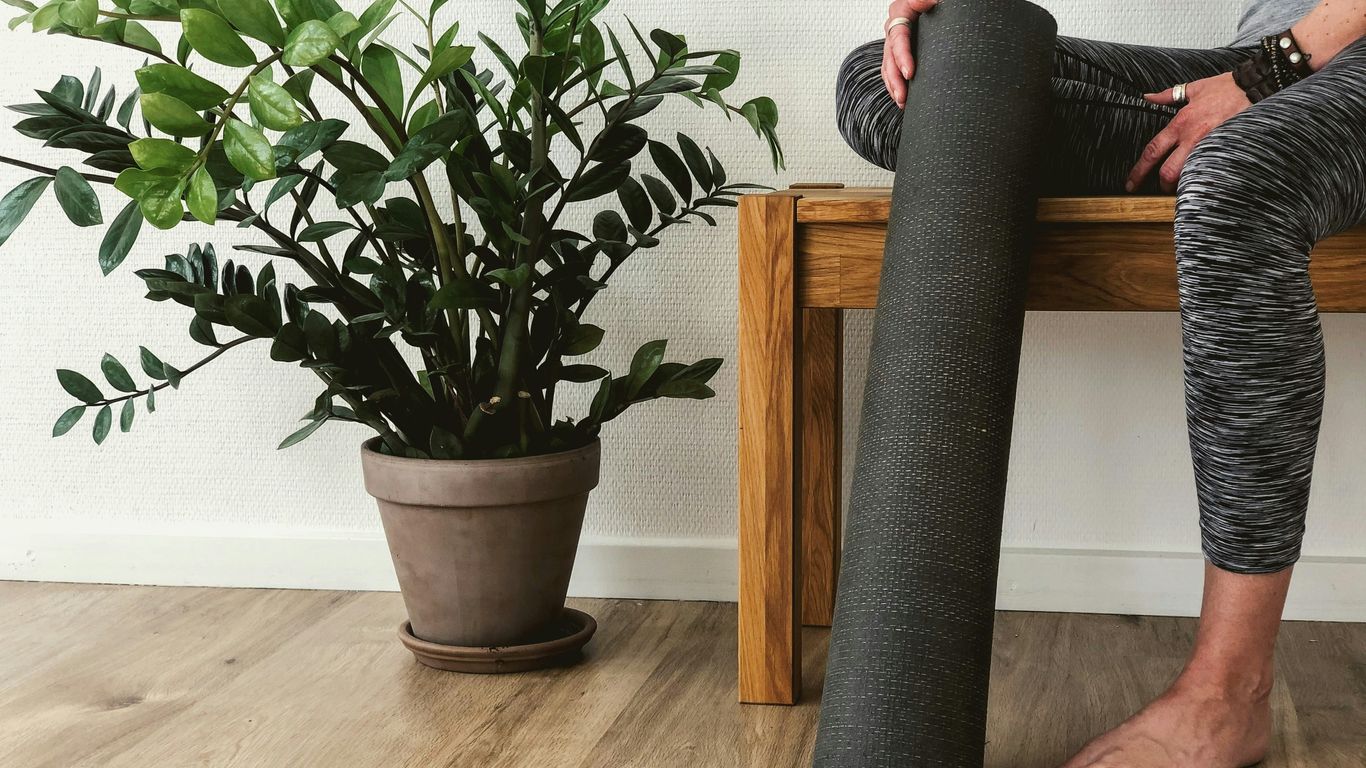
Picking the right yoga mat size is all about making sure you feel good and have enough space while you're moving through your poses. It's not just about the material or how thick it is; the actual dimensions play a big part in how comfortable your practice is. You don't want to be constantly adjusting or worrying about falling off the edge, right?
Ensuring Full Body Coverage
Having a mat that's long enough means you can stretch out fully without your head or feet hanging off. This is especially important in poses like Downward-Facing Dog or when you're lying down in Savasana. A mat that provides ample coverage helps you stay grounded and focused. If you're on the taller side, a standard 68-inch mat might feel a bit short. Many people find that a mat at least 6-8 inches longer than their height works best. For example, if you're 5'10", a mat around 72-76 inches would give you that extra room.
Avoiding Restrictive Poses
When your mat is too short, certain poses can feel really cramped. Imagine trying to do a wide-legged forward fold and your feet are already at the edge – it's not ideal. Similarly, if you're doing inversions, you want to feel secure and not worry about your head or hands slipping off the end. A mat that's too narrow can also make balancing poses tricky, as your hands and feet might not have enough space to land comfortably. This is where considering a wider mat, perhaps 26 inches or more, can really help with stability.
The Importance Of Personal Preference
Ultimately, what feels right is super personal. Some people are perfectly happy with a standard-sized mat, especially if they're of average height and don't need a lot of extra wiggle room. Others, however, really benefit from a longer or wider mat. Think about your body and how you move. Do you tend to spread out a lot in poses? Do you have broad shoulders? Answering these questions can guide you toward the dimensions that will make your practice feel more supportive and less restrictive. It's about finding a mat that feels like a natural extension of your body, not something that gets in the way. For a good starting point on mat dimensions, you can check out general exercise mat guidelines.
Your yoga mat should feel like a comfortable, supportive space that allows you to move freely without distraction. It's a tool to help you connect with your practice, not a limitation.
Finding Your Perfect Fit
So, we've talked a lot about yoga mat sizes, from the standard ones to the extra-long and wide options. It turns out that the typical mat size, while common, isn't necessarily the best fit for everyone. Your mat should really work with your body, not the other way around. Whether you're tall, have broader shoulders, or just like a bit more wiggle room, there's a mat out there for you. Don't be afraid to go beyond the usual dimensions if it means more comfort and confidence in your practice. A mat that fits just right can make a surprising difference in how you feel on and off the mat.
Frequently Asked Questions
What's the usual size for a yoga mat?
Most yoga mats are about 68 inches long and 24 inches wide. Think of it as a good starting point for many people.
How long should my yoga mat be compared to me?
You want your mat to be at least 6 to 8 inches longer than you are. This way, your whole body fits comfortably, even when you stretch out.
Are wider yoga mats better for some people?
Yes, wider mats can offer more stability, especially if you're doing poses that require a lot of balance or if you have broader shoulders. They give you more room to move side to side.
Do I need a longer mat if I'm tall?
Absolutely! If you're taller than average, a standard mat might feel too short. Longer mats give you the space you need so your hands and feet don't hang off the edge.
Why do standard yoga mat sizes exist?
The standard sizes were mostly created for making and storing mats easily, not necessarily to fit every single person perfectly. It's a common size that works for many, but not all.
How does mat size affect my yoga practice?
The right size mat gives you more confidence and comfort. It helps you stay stable, move freely without feeling cramped, and focus better on your poses instead of worrying about staying on the mat.

