

Deepen Your Practice: The Ultimate Yoga Music for Meditation Guide
Finding the right sound for your meditation practice can really change things. It’s not just about having background noise; it’s about creating an atmosphere that helps you connect with yourself. Different types of music do different things for our minds and bodies. Let’s look at some popular genres that people use for yoga and meditation. The goal is to find music that complements, rather than distracts from, your inner work.
Key Takeaways
- Picking the right yoga music for meditation helps create a peaceful atmosphere for your practice.
- Different types of music, like ambient sounds or chants, can support various meditation goals.
- Using apps and creating personal playlists makes it easier to find and use yoga music for meditation.
- Music can help reduce stress and improve focus during meditation, leading to better well-being.
- Integrating yoga music for meditation into your routine can help you find a calm space within yourself.
Curating Your Ideal Yoga Music for Meditation Soundscape
Setting up the right atmosphere for your yoga and meditation practice is more than just dimming the lights. It’s about creating a sonic environment that supports your intention and guides you inward. Think of it as painting with sound, where each element contributes to the overall feeling and focus of your session. The goal is to find music that complements, rather than distracts from, your inner work. Yoga teachers intentionally select music to craft a soundscape that enhances the energy, flow, and emotional depth of their classes. The right tracks can significantly influence the overall experience.
Ambient and Nature Sounds for Tranquility
This is probably the most common choice for many. Ambient music is all about creating a mood. It often features slow, evolving soundscapes with no strong melody or beat to distract you. Think of soft pads, gentle electronic textures, or even just the sound of rain falling or waves crashing on a beach. These sounds are great because they don't demand your attention. They just sort of wash over you, helping to quiet the mental chatter. It’s like creating a peaceful sonic bubble. Many find that nature sounds are particularly effective for relaxation, making it easier to unwind after a long day or prepare for sleep. Exploring options like Tibetan singing bowls or ocean waves can be a good starting point.
Chanting and Mantra Music for Focus
If you’re looking to deepen your concentration, chanting and mantra music can be incredibly helpful. Mantras are specific sounds or phrases, often in Sanskrit, that are repeated to focus the mind. When you listen to or chant along with these sounds, your mind has something specific to latch onto, which can prevent it from wandering. This is especially useful for practices like Japa meditation, where you use mala beads to count repetitions. The rhythmic quality of chanting can also induce a trance-like state, aiding in a more profound meditative experience. Some apps even offer guided meditations with specific mantras to help you achieve certain states of mind.
Instrumental Melodies for Flow States
Instrumental music offers a broad spectrum of sounds that can support various aspects of your practice. For maintaining a steady flow during movement or sustained meditation, instrumental pieces with a consistent rhythm are ideal. These can range from minimalist electronic tracks to classical compositions. The absence of lyrics allows your mind to stay present without the distraction of words, letting the melody guide your breath and movement. The right soundscape can transform a routine practice into a truly immersive experience. It's about tuning into what your body and mind need in that particular moment, and letting the music be your guide.
When you're trying to be present, the sounds around you play a big role. Music can either pull you out of the moment or help you sink deeper into it. For mindfulness, it’s often best to choose sounds that are steady and unobtrusive. Things like gentle nature sounds, ambient drones, or simple instrumental pieces work well. They provide a backdrop without demanding your attention. It’s about finding that sweet spot where the music supports your breath and movement, becoming almost a part of your awareness.
Leveraging Technology for Your Yoga Music for Meditation Journey
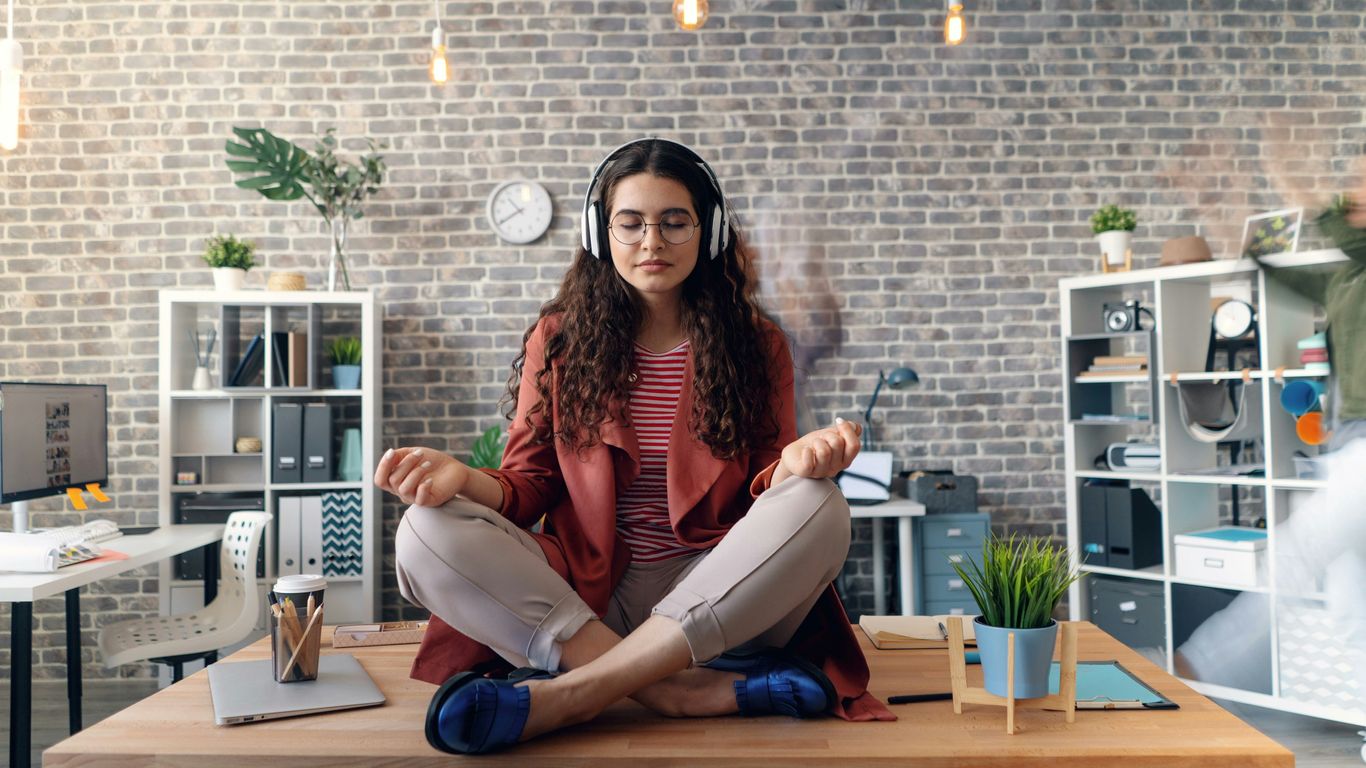
It's pretty wild how much technology has changed the way we approach pretty much everything, right? Yoga and meditation are no exception. Gone are the days when you needed a specific CD or a quiet room with no distractions. Now, your phone or tablet can be your personal meditation studio, complete with a curated soundtrack.
There are so many apps out there now that make it super easy to find guided meditations paired with music. You can find everything from short, 5-minute breathing exercises to longer sessions designed for deep relaxation. Some apps even let you customize the background music, choosing from nature sounds, ambient tones, or gentle instrumental tracks. It’s like having a personal meditation guide in your pocket. For a good starting point, check out apps like The Art of Living which offer a variety of tools for peace and relaxation.
Beyond the pre-made guided sessions, you can also build your own sonic sanctuary. Think about what kind of mood you want to create. Are you looking for something to help you focus during a challenging pose, or something to help you wind down after a long day?
Here are a few ideas for building your perfect playlist:
- For Focus: Try instrumental tracks with a steady rhythm, like ambient electronic music or classical pieces without vocals.
- For Relaxation: Opt for nature sounds (rain, ocean waves), soft piano melodies, or gentle acoustic guitar.
- For Energy: Consider upbeat, but not distracting, world music or uplifting instrumental tracks.
The key is to experiment and find what truly helps you connect with your practice. Specialized music providers often create tracks specifically for meditation and yoga, which can be a great source for unique sounds. These tracks are frequently used by wellness apps to enhance the user experience during relaxation practices.
Technology has really opened up the possibilities for personalizing our meditation experience. It's not just about listening to music; it's about using sound as a tool to guide our minds and bodies toward a desired state of being. The ability to tailor playlists and choose guided sessions with specific musical backdrops means we can create a truly unique and effective practice, no matter where we are.
Harmonizing Sound with Mindfulness Practices
When you're trying to be present, the sounds around you play a big role. Music can either pull you out of the moment or help you sink deeper into it. For mindfulness, it’s often best to choose sounds that are steady and unobtrusive. Things like gentle nature sounds, ambient drones, or simple instrumental pieces work well. They provide a backdrop without demanding your attention. It’s about finding that sweet spot where the music supports your breath and movement, becoming almost a part of your awareness.
The Role of Music in Deepening Meditation
Music has a unique ability to influence our emotional state and mental focus. For meditation, this can be incredibly helpful. Certain types of music can help quiet the mental chatter, making it easier to settle into a meditative state. Think of it like this: if your mind is a busy highway, the right music can act as a gentle detour, leading you to a quieter, more peaceful road. It can help bridge the gap between the external world and your internal experience, making the transition into deeper states of consciousness smoother. Some people find that specific frequencies or rhythms help them achieve a more profound sense of calm or clarity. Exploring different yoga music playlists can give you a starting point for discovering what works best for you. The right soundscape can transform a simple sitting into a profound inner journey.
- Steady Rhythms: Slow, consistent beats can mimic a relaxed heartbeat, signaling safety to your nervous system. This helps reduce feelings of stress and anxiety.
- Harmonic Intervals: Certain musical intervals are perceived as inherently soothing, creating a sense of peace and balance.
- Nature Sounds: Auditory elements like rain or ocean waves tap into primal feelings of safety and tranquility, offering a natural way to unwind.
When we intentionally choose music that aligns with a calm state, we're essentially training our minds to associate those sounds with peace. This can build a helpful coping mechanism for stressful times, making it easier to find a moment of quiet even when things are chaotic.
Enhancing Focus and Presence Through Music
While some music is distracting, other types can actually help us zero in. For meditation, this often means music that is consistent and doesn't have sudden changes or prominent vocals that pull our attention. Think of it as a sonic anchor. It gives your wandering mind something gentle to hold onto, making it easier to return to your breath or your chosen point of focus. This consistent soundscape can help quiet the mental chatter that often gets in the way of being present. It's a way to create a dedicated space for your mind to settle. For those looking to build this skill, exploring guided meditations with music can be a great starting point.
| Music Type | Primary Benefit | Best For |
|---|---|---|
| Ambient | Relaxation, Calm | Pre-sleep, Wind-down |
| Nature Sounds | Tranquility, Peace | Deep Sleep, Stress |
| Slow Instrumental | Focus, Gentle Flow | Light Sleep, Study |
Selecting Yoga Music for Meditation Based on Intention

Your intention for a practice session is really key when picking out music. Are you looking to energize your body and mind for a dynamic flow, or are you seeking deep relaxation and rest? The right soundscape can transform a routine practice into a truly immersive experience. It's about tuning into what your body and mind need in that particular moment, and letting the music be your guide.
Music for Deep Relaxation and Stress Relief
When your goal is to unwind and let go of tension, opt for sounds that mimic natural rhythms. Think of gentle rain falling, ocean waves lapping the shore, or soft, flowing instrumental tracks. Ambient music, with its slow, evolving soundscapes and lack of a strong beat, is perfect for creating a peaceful sonic bubble. This type of music doesn't demand your attention; it just washes over you, helping to quiet the mental chatter. It’s like creating a calm space where you can just be.
- Nature sounds (rain, waves, forest ambiance)
- Slow, ambient electronic music
- Gentle acoustic melodies
- Minimalist piano or string pieces
For deep relaxation, especially during practices like Yoga Nidra, softer, more ambient sounds or even periods of silence might be more appropriate than music with a distinct rhythm.
Music for Focus and Concentration
If you're looking to deepen your concentration, chanting and mantra music can be incredibly helpful. Mantras are specific sounds or phrases, often in Sanskrit, that are repeated to focus the mind. When you listen to or chant along with these sounds, your mind has something specific to latch onto, which can prevent it from wandering. This is especially useful for practices like Japa meditation. The rhythmic quality of chanting can also induce a trance-like state, aiding in a more profound meditative experience. You can find curated selections of yoga songs across various genres that are designed to help you cultivate the perfect atmosphere for your practice.
- Chanting and mantra recordings
- Ambient electronic music with a steady, repetitive rhythm
- Minimalist instrumental pieces
- Binaural beats designed for focus
Music for Energy and Movement
For practices that involve more movement or when you want to cultivate a sense of energy, choose music with a moderate tempo and a positive, uplifting feel. World music or instrumental tracks with a clear beat can work well here. The rhythm can help guide your movements and keep you motivated. It’s about finding tunes that feel good and encourage a sense of vitality without being overly distracting. You might even explore some 10-hour sleep music tracks if your intention is to wind down after an energetic session, though for active movement, something more upbeat is usually better.
Integrating Music into Your Daily Yoga Practice
Making music a regular part of your yoga routine can really deepen your practice. It’s not just for savasana either. You can use different types of music to support various parts of your practice. For example, a more rhythmic, yet still calm, piece might work well during gentle movement, while something very still and quiet is perfect for meditation. Consider exploring guided meditations that come with music, like The Inner Sanctuary, to help you find that special place of peace within. It’s about building a consistent ritual that supports your well-being, day after day.
Utilizing Music for Specific Meditation Techniques
Different meditation styles often call for different sonic backdrops. For instance, a slow, ambient track with nature sounds might be ideal for a body scan meditation, helping you tune into physical sensations without distraction. If you're practicing a loving-kindness meditation, perhaps a gentle instrumental piece with a warm tone could help cultivate those feelings. For breathwork, a steady, unobtrusive rhythm can help anchor your attention. The key is to match the music's energy and mood to the intention of your meditation.
Here’s a quick guide:
- Deep Relaxation/Stress Relief: Think gentle, flowing melodies, nature sounds (rain, ocean waves), or very slow ambient drones. These help quiet the nervous system.
- Focus and Concentration: Look for music with a consistent, repetitive rhythm, like minimalist instrumental or ambient electronic. Chanting can also be very effective here.
- Energy and Movement (Gentle Flow): Opt for tracks with a moderate tempo and a positive, uplifting feel. World music or instrumental pieces with a clear beat can work.
Promoting Restorative Sleep with Yoga Music
Struggling to wind down at night? Yoga music can be a powerful ally. Creating a playlist specifically for sleep can signal to your body and mind that it's time to rest. This often means choosing music that is extremely calm and slow-paced, with minimal or no vocals. Ambient soundscapes, soft instrumental pieces, or even nature sounds like gentle rain can help ease you into a state of deep relaxation, making it easier to fall asleep and stay asleep. This kind of sonic environment can help quiet the racing thoughts that often keep us awake. It's about creating a peaceful transition from the day's activities to a restful night. You might find that using these sounds consistently helps regulate your sleep patterns over time, contributing to better overall well-being [b6bd].
Finding Your Rhythm with Yoga Music for Meditation
Exploring Different Genres of Yoga Music for Meditation
So, you've got your yoga mat, maybe a comfy cushion, and you're ready to get into your practice. But what about the sound? It's easy to just hit play on whatever's handy, but taking a moment to think about the music can really make a difference. It's not just about having something in the background; it's about finding sounds that actually help you connect with yourself. Different types of music can do different things for your mind and body.
Think about it: some tunes might make you want to move, others might just make you want to nap. For meditation, we're usually aiming for something that helps quiet the noise in our heads. This is where exploring different genres comes in. You might find that certain Indian ragas, like Malkauns or Hindolam, create a really special atmosphere for quiet reflection. Or maybe you prefer something more modern, like ambient electronic music or even some chill jazz. The key is to experiment and see what clicks with you.
Here's a quick look at how different sounds might fit your practice:
- For Deep Relaxation: Look for music that feels slow and flowing. Nature sounds, like gentle rain or ocean waves, are often perfect. Soft instrumental pieces with long, sustained notes can also work wonders. Think of sounds that mimic natural rhythms.
- For Focus: Music with a steady, predictable beat can be great. Chanting and mantra music are popular choices because the repetition helps anchor your attention. Minimalist instrumental tracks can also be effective.
- For Energy (if you're doing a more active practice): You might want something with a bit more tempo, but still calm. World music or instrumental pieces with a clear, positive vibe can be good.
The right soundscape isn't just background noise; it's an active participant in your practice. It can guide your breath, calm your thoughts, and help you feel more present. Don't be afraid to try new things and see what helps you find your center.
Experimenting with Soundscapes for Well-being
Finding your perfect yoga music isn't a one-time thing. It's more like a journey. What works for you one day might not be exactly what you need the next. Our moods and intentions change, and so can our musical preferences. That's totally okay! The goal is to create a personal library of sounds that supports your overall well-being.
Consider creating playlists for different needs. You might have one for winding down after a busy day, another for energizing your morning yoga flow, and a third for deep meditation. Apps and platforms make this pretty easy these days. You can even find guided meditations that come with carefully chosen music, like those found on The Inner Sanctuary. It's all about finding what helps you feel more grounded and at peace. Don't get stuck on one type of music; keep exploring. You might be surprised by what you discover and how it helps you feel better overall. For instance, some people find that breath-based techniques, like Sudarshan Kriya Yoga, pair well with specific types of calming music to deepen their relaxation. Exploring these techniques can open up new avenues for your practice.
Finding Your Sound
So, we've talked a lot about how music can really change your yoga and meditation practice. It's not just background noise; it's a tool. Whether you're looking for something to help you relax after a long day, focus during meditation, or just find a bit more joy in your movement, there's a sound out there for you. Don't be afraid to experiment with different styles and artists. What works for one person might not work for another, and that's totally fine. The goal is to find what helps you connect with yourself and your practice on a deeper level. Keep exploring, keep listening, and enjoy the journey.
Frequently Asked Questions
What kind of music works best for yoga and meditation?
The best music really depends on what you want to feel. For a calm and peaceful vibe, try nature sounds or soft instrumental tunes. If you need to focus your mind, chanting or music with repeating words (mantras) can be super helpful. Some people even find that quiet silence is the best sound of all!
How can music help me relax when I meditate?
Music can help quiet your busy mind by giving it something nice to listen to instead of your own thoughts. Slow, gentle sounds can make your heart beat slower and your breathing calmer, which makes it easier to relax and let go of worries. It's like a soft guide helping you find a peaceful state.
Can I use any music I like for my meditation?
You can technically listen to any music, but some types are better for meditation than others. Music with a steady beat and a calm feeling usually works best. It's a good idea to avoid music with sudden loud noises or complicated words that might pull your attention away from your practice.
What are some good apps for yoga music and guided meditations?
There are lots of great apps out there! Apps like MC Yogi: Yoga & Meditation offer yoga classes, guided meditations, and special music. Other popular choices are Headspace and Calm, which have tons of guided meditations with carefully chosen background sounds and music.
How does music affect my mood during yoga?
Music can really change how you feel during your yoga session. Upbeat music might make you feel more energetic for a fast-paced class, while softer, slower music can help you feel more grounded and peaceful during a gentle class. It totally sets the mood for your practice.
Is it okay to make my own yoga music playlist?
Absolutely! Making your own playlist is a brilliant idea. You get to pick songs that you personally find calming, inspiring, or that help you focus. This way, your music perfectly matches how you're feeling and what you want to get out of your yoga or meditation time.


