
Unlock Vitality: The Ultimate Guide to Yoga for Men Over 50
Getting older doesn't mean you have to slow down. In fact, for men over 50, staying active is key to feeling good and keeping up with life. You might think yoga is just for the super flexible types, but that's not really true. There are ways to do yoga that build strength, help you move better, and even calm your mind, all without needing to touch your toes. This guide is all about showing you how yoga for men over 50 can really make a difference in your day-to-day life.
Key Takeaways
- Yoga can help men over 50 build strength and energy through specific poses and movements.
- Practicing yoga can improve your flexibility and balance, making everyday tasks easier.
- Gentle yoga routines are great for increasing mobility and making you feel more comfortable in your body.
- Combining movement with simple meditation in yoga can help clear your head and reduce stress.
- Even short yoga sessions can fit into a busy schedule and provide real health benefits for men over 50.
Embrace Strength and Vigor Through Yoga
Getting older doesn't mean you have to slow down. In fact, it can be a great time to build strength and feel more energetic. Yoga offers a way to do just that, even if you're not exactly a gym rat. It's about working with your body, not against it, to find power you might not have realized you had.
Unlock Dormant Muscles with Purposeful Poses
Many of us sit a lot, and that can leave muscles feeling a bit… asleep. Yoga poses are designed to wake them up. Think about poses that involve holding your body steady or gently stretching. These aren't about extreme effort, but about controlled movement that gets your muscles working. It's like giving them a gentle nudge to remember what they're capable of. You'll find that simple movements, done with intention, can make a real difference in how strong you feel day-to-day. For some ideas on routines that focus on this, check out popular yoga routines from sources like Man Flow Yoga.
Amplify Physical Prowess with Chair Workouts
Who says you need to be on the floor to get a good workout? Chair yoga is a game-changer. It uses a chair for support, making it accessible and safe. You can do things like leg lifts, twists, and even some arm strengthening exercises all while seated. This is fantastic for building core strength and improving your posture without putting extra strain on your joints. It's a practical way to add physical activity into your routine, no matter your current fitness level.
Reclaim Freedom of Movement
As we age, sometimes we feel a bit stiff or restricted. Yoga helps to loosen things up. It's not about becoming a contortionist; it's about regaining the ability to move comfortably. This means being able to bend down to tie your shoes, reach for something on a high shelf, or simply walk without feeling creaky. The focus is on smooth, fluid motions that help your joints and muscles work together better. This kind of improved mobility can really change how you feel about your daily life. It's about feeling more capable and less held back by your own body. As Dr. Vonda Wright discusses, aging with power involves maintaining vitality and well-being through smart practices.
Yoga isn't just about the poses themselves; it's about how you feel afterward. That sense of accomplishment and physical ease is what really counts.
Cultivate Enhanced Flexibility and Balance
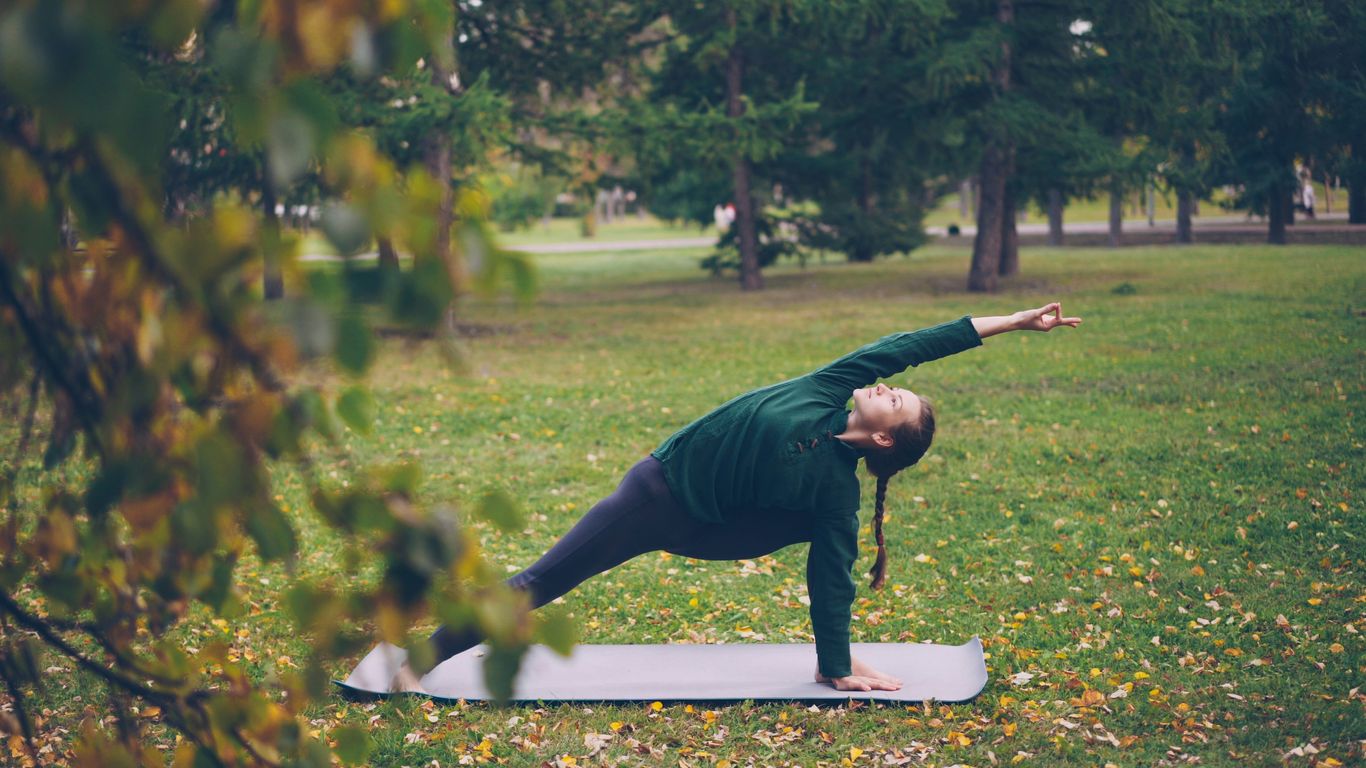
As we get older, things can start to feel a bit stiff, right? It’s like your body’s saying, “Hey, remember when you could touch your toes?” Yoga is a fantastic way to gently coax your body back into a more limber state and get you feeling more steady on your feet. It’s not about contorting yourself into pretzels; it’s about making small, consistent improvements that add up.
Explore Poses for Remarkable Range of Motion
Forget the idea that you need to be a contortionist to do yoga. There are plenty of poses that work wonders for loosening up tight muscles, especially in the hamstrings and hips, which tend to get pretty locked up over time. Poses like a simple seated forward bend or even a gentle reclining twist can make a big difference. The goal is to move into the stretch until you feel a mild pull, not pain. Holding these poses for a few breaths, focusing on your breath, helps your muscles relax and lengthen. It’s a gradual process, but you’ll start noticing you can reach a little further, bend a little deeper, and just generally feel less restricted in your daily activities. You can start practicing yoga even with zero flexibility.
Fortify Your Core for Steadiness
Balance isn't just about not falling over; it's about feeling secure and confident in your movements. A strong core is the foundation for good balance. Think of your core muscles – your abs, back, and pelvic floor – as the anchor for your body. Yoga poses that engage these muscles, even subtly, help build that inner strength. Poses like Plank (even a modified version on your knees) or Warrior poses build this stability. When your core is strong, you’ll find yourself standing taller and feeling more grounded, whether you’re walking down the street or just getting out of a chair. This steadiness translates into a greater sense of control and independence.
Navigate Life with Poise and Confidence
Putting it all together – the increased flexibility and the stronger core – leads to a significant boost in your overall confidence. When you move with more ease and feel more stable, you’re less likely to hesitate or worry about your physical capabilities. This newfound poise allows you to engage more fully in life, whether it's playing with grandkids, taking on a new hobby, or simply enjoying a walk without discomfort. It’s about reclaiming a sense of freedom and capability that age might have tried to take away. Yoga provides a structured way to build this back, one pose at a time.
The key is consistency. Even short, regular sessions focusing on flexibility and balance can yield significant improvements over time. Listen to your body, be patient, and celebrate the small victories along the way.
Achieve Greater Mobility and Well-being
Gentle Yet Powerful Routines for Comfort
As we get older, things can start to feel a bit stiff, right? It’s like your body’s saying, “Hey, slow down a bit!” Yoga offers a way to ease that stiffness without any harsh movements. Think of it as a gentle tune-up for your joints and muscles. These routines focus on smooth, controlled motions that help lubricate your joints and lengthen your muscles. It’s not about pushing yourself to the limit, but about finding a comfortable range of motion that feels good. The goal is to move better, feel better, and keep your body working smoothly for years to come.
Move with Grace and Ease
Ever watch someone move with real fluidity and think, “I wish I could do that”? You can! Yoga helps you find that natural grace. It works on improving your posture and body awareness, which naturally leads to moving with more ease. When your muscles are more flexible and your core is stronger, everyday tasks become simpler. Picking things up, reaching for something on a high shelf, or even just walking around the block can feel different – easier, smoother. It’s about reclaiming that feeling of being light on your feet.
Here are a few simple movements to get you started:
- Seated Cat-Cow: Sit tall in a chair, hands on your knees. Inhale, arch your back, and look up slightly. Exhale, round your spine, tucking your chin to your chest. Repeat this 5-10 times.
- Seated Spinal Twist: Sit tall. Place your right hand on your left knee and your left hand behind you on the chair. Inhale to lengthen your spine, exhale to gently twist your torso to the left. Hold for a few breaths, then switch sides.
- Ankle Circles: While seated, lift one foot slightly off the floor. Rotate your ankle clockwise 5-10 times, then counter-clockwise. Repeat with the other foot.
A Holistic Approach to Age-Defying Fitness
Yoga isn't just about the physical stuff, though. It’s a whole package deal for your well-being. By connecting your breath with your movements, you start to calm your mind. This combination helps reduce stress and can even improve your sleep. When you feel less stressed and more rested, everything else seems to fall into place. It’s a way to take care of yourself from the inside out, making you feel younger and more energetic, regardless of the number of candles on your cake. This approach supports overall physical well-being in a way that many other activities don't.
Taking care of your body through gentle movement and mindful practice is one of the best investments you can make in your later years. It’s about maintaining independence and enjoying life's activities without feeling held back by aches and pains. Small, consistent efforts can lead to big changes over time.
Elevate Mindfulness and Mental Clarity
Yoga isn't just about stretching your body; it's also a fantastic way to calm your mind. For men over 50, finding ways to de-stress and focus can make a big difference in daily life. It's about creating a quiet space inside yourself, even when things are hectic outside.
Harmonious Blend of Meditation and Movement
Think of yoga as a moving meditation. When you focus on your breath and how your body feels in each pose, your worries tend to fade away. This combination helps you become more present, which is a skill that benefits you on and off the mat. It’s a gentle way to connect your mind and body, something we often neglect.
Rejuvenate Your Mind
Regular yoga practice can really help clear out the mental clutter. You might notice you're less easily flustered and can think more clearly. This mental refresh is like hitting a reset button, making it easier to tackle problems or just enjoy your day. It's amazing how a bit of mindful movement can sharpen your focus.
Cultivate Inner Serenity Through Practice
Finding that sense of calm is a big part of yoga. It's not about achieving perfect poses, but about the process. Even a short session can leave you feeling more peaceful and centered. This practice builds resilience, helping you handle life's ups and downs with a bit more grace. It's a way to build a stronger, calmer inner self over time.
Here are a few simple ways to start bringing more mindfulness into your yoga:
- Focus on your breath: Simply pay attention to the inhale and exhale. Don't try to change it, just notice it.
- Scan your body: As you move through poses, briefly check in with how different parts of your body feel.
- Let go of judgment: If a pose feels difficult, that's okay. Just do your best and move on without criticism.
The goal isn't to be the best yogi in the room, but to find a moment of peace and self-awareness. It's about showing up for yourself, one breath at a time.
This approach to well-being is particularly beneficial as we age, supporting not just physical health but also cognitive function. It's a holistic way to feel better, inside and out.
Time-Efficient Yoga for Busy Men
Life gets hectic, right? Between work, family, and trying to keep up with everything, finding time for yourself can feel like a real challenge. But what if I told you that you don't need hours to feel better, move easier, and get stronger? Yoga doesn't have to be a huge time commitment. You can actually get some great benefits in just 15-20 minutes a day.
Achieve Fitness Results Within Your Schedule
It's easy to think yoga requires long, drawn-out sessions, but that's just not the case. Many routines are designed to be short and sweet, fitting perfectly into those small gaps in your day. Think about it: a quick stretch before breakfast, a few mindful movements during a lunch break, or a wind-down sequence before bed. These short bursts add up. You're not just doing a few stretches; you're actively working on your flexibility, building some strength, and calming your mind. It's about consistency, not duration. Even a short practice can make a noticeable difference over time.
Integrate Yoga into Your Daily Routine
Making yoga a habit is simpler than you might think. Instead of trying to carve out a big chunk of time, try weaving it into things you already do. For example, after you brush your teeth in the morning, spend five minutes doing a few simple poses. Or, if you take a coffee break, use that time for a short sequence. The key is to make it easy to access. Keep a mat rolled out in a corner or have a favorite short routine ready to go. This approach helps build momentum without feeling like a chore. You might find yourself looking forward to these little moments of self-care. For some ideas on quick morning flows, check out this simple 10-20 minute routine.
Maximize Benefits in Minimal Time
So, how do you get the most out of a short yoga session? Focus on poses that work multiple muscle groups and offer a good stretch. Poses like Cat-Cow, Downward-Facing Dog (modified if needed), and simple seated twists are great for this. You can also incorporate chair yoga, which is fantastic for getting a good workout without needing a lot of space or time. It's all about being smart with your movements. Prioritize poses that address your specific needs, whether that's loosening up your back or improving your balance.
Here are a few ideas for short, effective sequences:
- Morning Wake-Up (10 mins): Start with gentle stretches in bed, followed by Cat-Cow on hands and knees, and a few seated twists.
- Midday Reset (15 mins): Use a chair for seated forward folds, gentle backbends, and arm stretches. Include some deep breathing.
- Evening Unwind (20 mins): Focus on poses that release tension, like Child's Pose, a gentle supine twist, and Legs-Up-the-Wall pose. This can help prepare you for sleep.
Remember, the goal isn't to become a pretzel overnight. It's about showing up for yourself, even for a short while. Small, consistent efforts lead to significant improvements in how you feel and move. Don't underestimate the power of a few minutes dedicated to your well-being.
For men over 50, focusing on poses that help with stiffness and mobility is key. You might want to explore some essential yoga poses for men over 50 that are known to alleviate discomfort and promote better movement.
Expert Guidance for Your Yoga Journey
Clear Instructions from Seasoned Instructors
Getting started with yoga, especially after 50, can feel a bit daunting. You might wonder if you're doing things right or if you're even flexible enough. That's where good instruction comes in. Think of it like learning a new skill, say, fixing your own leaky faucet. You wouldn't just guess, right? You'd look for someone who knows what they're doing. The same applies here. Finding instructors who really get the nuances of yoga for older men makes a huge difference. They know how to guide you through poses safely, making sure you're not pushing too hard but still getting the benefits. It’s about building confidence with each movement.
Detailed Visuals for Correct Form
Sometimes, just hearing instructions isn't enough. Seeing is believing, and when it comes to yoga, seeing the correct form is super important. This means clear pictures or even short videos showing exactly how a pose should look. It helps you line up your body properly, which prevents injuries and makes the pose work better. For example, when doing a simple seated twist, you want to see how far to turn your torso and where to place your hands. It’s not about contorting yourself; it’s about finding the right alignment for your body. This attention to detail is what separates a good yoga session from one that might leave you feeling strained.
Ensure Maximum Results from Each Session
So, you've got clear instructions and good visuals. What's next? It's about putting it all together to make sure every time you step onto your mat, you're getting the most out of it. This involves a few key things:
- Listen to Your Body: This is the golden rule. Yoga isn't a competition. Pay attention to how your body feels and don't force anything. Modifications are your friend.
- Consistency is Key: Even short, regular sessions are more effective than one long, infrequent one. Aim for a few times a week, even if it's just 15-20 minutes.
- Focus on Breath: Your breath is your guide. Deep, steady breaths help you relax into poses and signal to your body that it's safe to move. It’s a powerful tool for reducing stress.
- Mindful Practice: Be present. Try not to let your mind wander to your to-do list. Focus on the sensations in your body and the rhythm of your breath.
When you combine clear guidance with a focus on proper form and a mindful approach, you transform your yoga practice from just exercise into a truly beneficial activity. It’s about working smarter, not just harder, to feel better in your body and mind.
Remember, starting yoga at any age is a great step, and with the right support, you can absolutely start practicing yoga even with zero flexibility. It’s about progress, not perfection.
Keep Moving Forward
So, that’s pretty much it. We’ve gone over how yoga can really make a difference for guys over 50, whether you’re looking to feel stronger, move a bit easier, or just find some calm in your day. It’s not about becoming a pretzel or anything crazy. It’s about finding what works for you, right where you are. Start small, be patient with yourself, and remember why you started. This practice is a journey, and the best part is, it’s never too late to begin. Your body and mind will thank you for it.
Frequently Asked Questions
Is yoga really good for guys over 50?
Absolutely! Yoga is fantastic for men over 50. It helps build strength, makes your body more flexible, and improves your balance. It's also a great way to relax and clear your mind, which is super important as we get older.
I'm not very flexible. Can I still do yoga?
Of course! Yoga is for everyone, no matter your flexibility level. Many poses can be changed to fit what you can do. The goal is to gently improve your flexibility over time, not to be a pretzel on day one.
What if I have old injuries or aches?
Yoga can actually help with aches and pains. Many poses are gentle and can be modified. It's always a good idea to tell your yoga teacher about any injuries so they can help you do the poses safely. Think of it as healing movement.
How much time do I need to practice yoga?
You don't need hours! Even 15-20 minutes a few times a week can make a big difference. There are many short routines that give you great benefits without taking up your whole day. Consistency is key!
Do I need special equipment to start yoga?
Not really. A comfortable mat is helpful for floor poses, but you can start with just a soft rug or carpet. Many men over 50 find chair yoga, which uses a chair for support, to be a great and accessible way to begin.
Will yoga help me feel less stressed?
Definitely. Yoga combines physical movement with breathing exercises and often a bit of meditation. This combination is amazing for calming your nervous system, reducing stress, and helping you feel more peaceful and focused.

