

Comprehensive guide to using the Gaiam Balance Disk for better posture and core strength
Key Takeaways
- Implementing a Gaiam Balance Disc into your workspace encourages active sitting and helps combat the fatigue associated with sedentary work. These inflatable stabilization tools are designed to engage core muscles by subtly challenging your balance throughout the day. By adjusting air volume, users can customize the intensity of their core engagement or comfort level. Regular practice, whether sitting or performing specific exercises, contributes to better alignment and muscular tone. Always start slowly, especially if you have existing orthopedic conditions, and use the device on stable, flat surfaces to ensure safety.
Understanding the Gaiam Balance Disk
Many office environments are not built for movement, which often results in poor posture and long-term strain on the spine. A balance disc serves as a practical, low-profile tool that can be used on almost any standard chair to introduce micro-movements that keep muscles awake and responsive while you work. By focusing on improved spinal health and comfort, users can effectively navigate the challenges of long hours at a desk.
What is a balance disk?
A balance disk is an inflatable, thick-walled plastic cushion that creates an unstable surface, forcing the core muscles to engage continuously. When you sit on it, your body naturally makes tiny postural corrections to maintain equilibrium, which acts like a slow-burn workout for the deep abdominal and back muscles. This simple addition can turn any stationary chair into a dynamic seating experience that discourages slouching.
Key design features and material quality
The Gaiam Balance Disc for Chairs is typically made from a flexible, durable PVC that is designed to withstand daily use while maintaining its air pressure. It measures about 16 inches in diameter, ensuring it fits neatly on most office chairs without sliding off or feeling crowded. The surface is often textured to provide grip and sensory feedback, which helps the user feel their positioning relative to the disk's center.
Differences between stability cushions and standard seat pads
Distinguishing a stability cushion from a simple seat pad is essential, as they serve entirely different purposes in your home office configuration. A standard pad usually provides static comfort, while a stability cushion is designed specifically for active, dynamic functional support.
| Feature | Standard Seat Pad | Gaiam Balance Disk |
|---|---|---|
| Primary Goal | Softness/Comfort | Core Engagement |
| Surface Type | Static | Unstable/Dynamic |
| Interaction | Passive support | Active muscle activation |
By choosing the right tool for your specific goals, you can better understand how to manage your workspace ergonomics effectively.
Setting up your Gaiam Balance Disk
Setting up your disk correctly ensures that it serves you safely while providing the intended benefits for your daily postural routines. Proper inflation allows the disk to support your weight while remaining squishy enough to require constant balance, which is the key mechanism for engaging your stabilizing muscles. If the item is over-inflated, it becomes too rigid, losing that subtle instability that makes it effective for long-term use.
Inflating to the recommended firmness
To find your optimal level, inflate the disk just enough so that you can feel its flexibility under your weight. You do not want it so firm that it feels like sitting on a hard wooden block, nor so soft that you feel yourself sinking all the way through to the chair base. Most users find that a medium-firm setting, where the disk retains its shape while gently reacting to your weight shifting, provides the best balance of comfort and utility.
Proper placement on office or dining chairs
Place your disk in the center of your chair seat so that your weight is distributed evenly across the surface. Ensure the chair itself is on level flooring; using a disk on a swivel or rolling chair is common, but you must be prepared for the chair to move slightly more than usual. The goal is to provide a consistent base that allows your pelvis to move independently from your thighs, rather than locking your back into a static, hunched position.
Adjusting air levels for personalized stability
As you gain more control and endurance with your core muscles, you may choose to slightly decrease the air volume to increase the difficulty. A softer disk offers a broader, more uneven surface that requires more intense core effort to stabilize the body. Conversely, if you feel fatigued or need a more stable platform for a specific task, adding a pump blast of air will provide a bit more resistance and a firmer platform to sit upon.
Benefits for posture and ergonomics
Long work sessions can often lead to muscle imbalances, particularly in the lower back and shoulder regions, as fatigue sets in. By incorporating Gaiam's collection of balance discs into your daily routine, you invite a sense of movement into a static environment, which helps to keep your joints from becoming overly stiff. Active sitting does not imply erratic movement but rather a flow of micro-corrections that naturally keep your spine closer to its neutral, healthy position.
Relieving pressure on the lower back
A balance disk helps redistribute your body weight more evenly across the pelvis rather than focusing all the pressure onto the tailbone. This distribution mimics the experience of standing or walking, where your weight is dynamic, which helps to alleviate the common aches associated with sitting in one position for long periods. When your pelvis is tilted correctly by the cushion, the natural curve of your lumbar spine can be maintained with significantly less effort.
Encouraging active sitting habits
Active sitting is all about the subtle, subconscious ways our bodies move throughout the day to find comfort and maintain balance. The internal instability of the disc prevents you from "locking" into a slouched posture, as the lack of a perfectly stable base forces you to move slightly. This keeps the joints and muscles around your hips and lower back lubricated and engaged, rather than stagnant and tight.
Improving spinal alignment during long work sessions
When we are tired, our brains often stop reminding us to sit straight, leading to the dreaded "office slump." The disk provides a constant, gentle physical cue that you are drifting off-center, making it much easier to return to a neutral spine posture. By engaging the core, you create a natural brace for your back that helps you stay upright without the need for constant, deliberate thought.
Core strengthening exercises
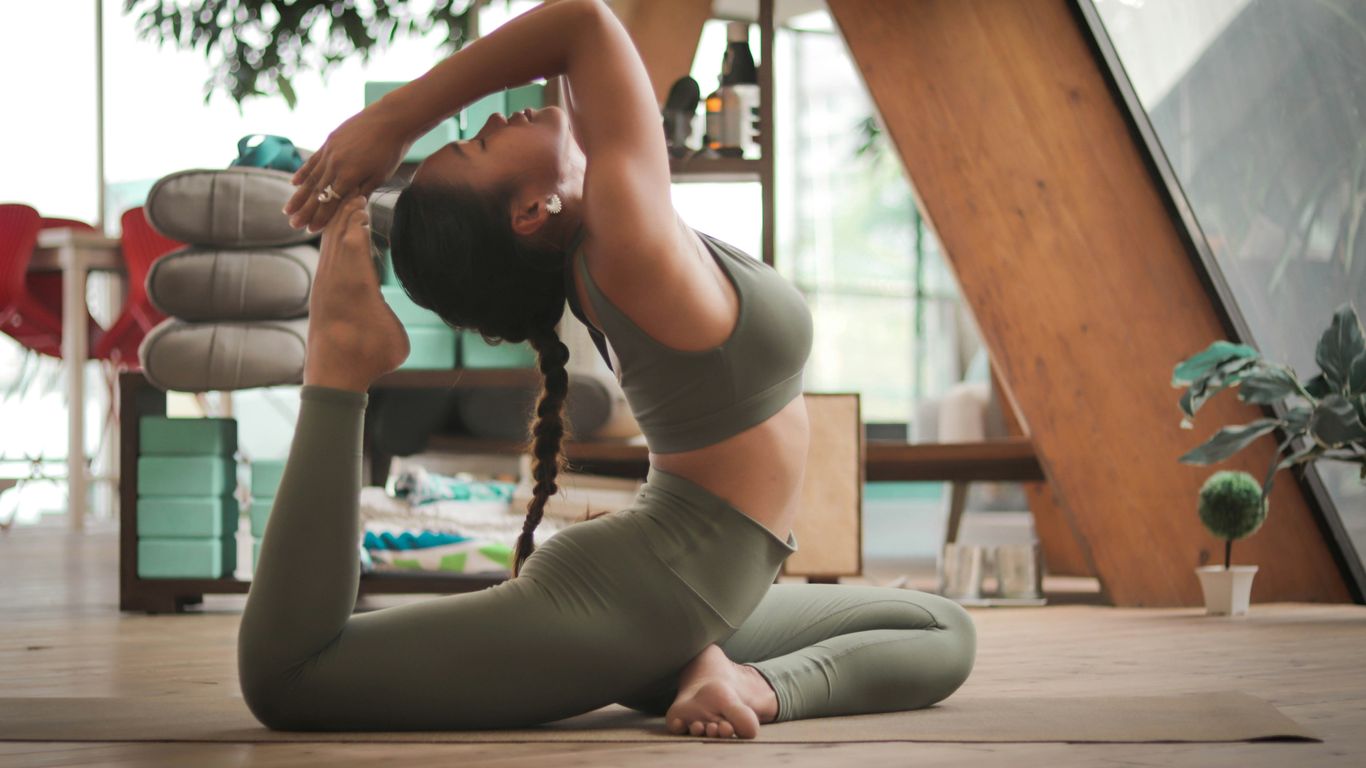
Integrating the disk into your exercise routine allows you to take advantage of its instability in a more intentional way. By using the tool for specific movements on the floor or in your chair, you create a workout platform that challenges your stability more than a traditional gym mat. Always perform these movements with control, treating the disk as a tool for fine-tuning your body's response to gravity.
Seated pelvic tilts for core engagement
Start by sitting on the disk with your feet flat on the floor, focusing on your breathing. Gently roll your pelvis forward, creating a slight arch in your lower back, then slowly roll it backward to flatten the back, using your abdominal muscles to control the duration of the movement. This simple, repetitive motion helps to warm up the spinal muscles and builds awareness of your pelvic positioning, which is foundational for good posture.
Standing balance drills for coordination
While standing, place the disk on a flat, non-slip surface and begin by placing one foot firmly in the center. Carefully move your other foot to hover near the disc, finding your balance point while engaging your core deeply to remain steady. You can practice holding this position for short intervals to improve your proprioception, or the body's ability to sense its own movement and position in space, which is critical for overall coordination.
Using the disk for modified push-ups or planks
For those who are more advanced, incorporating the disk into your floor workout can add a significant challenge to standard exercises. You might try placing your hands on the disk while performing a plank, which requires constant stabilizing effort through the shoulders and abs. Another option includes balancing your knees on the disk during a modified version of a push-up to create an uneven, reactive surface that activates the stabilizer muscles in your arms and core differently.
- Perform pelvic tilts for core activation
- Practice standing balance to increase stability
- Challenge body control during elevated planks
- Keep movements slow and deliberate throughout
These exercises serve as an excellent bridge between passive work-day activity and more intense fitness sessions.
Maintenance and care tips
Keeping your equipment in good condition ensures that it performs exactly as intended over many months of use. Because the PVC material is exposed to the elements and daily use, a quick audit every few weeks helps keep everything functioning smoothly. Taking a moment to care for your gear is part of maintaining a mindful, organized workspace that supports your long-term fitness goals.
Cleaning the surface material
Use a soft cloth dampened with mild soap and water to wipe down the surface of the disk. Avoid using harsh chemicals or abrasive scrubs, as these can weaken the material or degrade the textured finish over time. Letting the disc air-dry completely before storing it or placing it back on your chair will help maintain the hygiene and integrity of the material.
Storing the disk to prevent damage
When not in use, it is best to store your disk in a place where it will not be punctured by sharp objects or exposed to extreme temperature fluctuations. Keeping it on a flat shelf or hanging it in an area out of direct sunlight will help maintain its shape. If your room is very hot, the air inside may expand, so if you notice the disc feeling unusually taught, you might need to release a small amount of air.
Inspecting for valve leaks or structural wear
Periodically check the valve area to ensure it is pushed in correctly and that there are no signs of air escape. If you notice the disk losing firmness faster than expected, it may be due to a loose valve or a small puncture, which typically can be managed with basic maintenance. Look for any surface cracking or thin spots around the edges, as these are natural indicators that it might be time to replace your equipment to ensure safe usage.
Safety considerations for users
While this tool is highly versatile and beneficial, it is important to remember that safety comes first in all fitness and ergonomic activities. By approaching your use of the disk with a gradual mindset, you allow your body the necessary time to adapt to the new stimuli without overloading your joints. If you feel any sharp pain or unusual strain, stop immediately and re-evaluate your setup or consult with a professional.
Gradual integration for beginners
If you have never used an active seating device before, start by spending only 15 to 20 minutes on the disk at a time. It is perfectly normal to feel your back muscles getting tired, as they are likely working in ways they haven't in years. Gradually increase the time you spend on the cushion throughout the day as your endurance builds, eventually working up to longer periods if that feels comfortable for your unique body.
Surface compatibility and slip prevention
Always ensure that your floor and chair surfaces are stable before using the disk to prevent unexpected slips. While the disk is designed to grip onto standard office chair materials, avoid using it on chairs that have slippery, finished surfaces like highly polished wood or glass. Placing a small, thin rubber mat underneath your chair if you feel too much movement is a simple way to increase stability without sacrificing the benefit of the balance exercise.
When to discontinue use for specific orthopedic concerns
If you have a history of chronic back, hip, or knee concerns, you should talk to a healthcare professional before making changes to your seating environment such as adding a balancing tool. The disc may increase stress on certain joints or muscles that are already inflamed or healing. If you experience persistent numbness, sharp pain, or lightheadedness while using the device, stop immediately and seek advice from an orthopedic specialist.
Conclusion
Incorporating a Gaiam Balance Disc into your daily routine is a fantastic way to bridge the gap between sedentary work and active health. By turning your chair into a tool for core stability, you gain the benefit of constant, gentle engagement that helps to alleviate the physical strain of desk-bound life. Whether you are aiming to improve your sitting posture or looking for a portable base for your fitness drills, this simple tool offers a practical and effective solution for a more resilient, moving body.
Frequently Asked Questions
Can people of all fitness levels use a balance disk the same way?
No, you should adapt the use of the disk to your individual fitness needs and endurance levels. Beginners should start with short periods and moderate firmness, slowly increasing both as their core strength improves.
Is the balance disk suitable for all types of desk chairs?
It is designed for use on most flat, standard seats, but it is best to avoid chairs with slippery, finished surfaces like polished wood. You also need to ensure your office chair is on a stable, flat surface to prevent unexpected tipping during use.
Does the disk help with chronic back pain?
Many users find it helps by encouraging better alignment and preventing slumping, but it is not a medical device. If you suffer from chronic conditions, you must check with your doctor before incorporating new exercise or seating aids into your routine.
How often should I inflate or deflate the disk?
You generally only need to adjust the air level when you want to increase the challenge of your workout or when you notice the disk losing its intended firmness over time. Check it periodically to ensure it still provides the support you need.
Can I use the balance disk while standing for long periods?
Yes, the disk can be used for standing balance drills, which are great for improving coordination and engaging stabilizers. Just ensure you have a clear area around you and that you are using the disc on a non-slip, level surface.
What do I do if the disk feels too unstable while I work?
If it feels too distracting or difficult to maintain your balance while trying to focus on work, try adding slightly more air to the disc to create a firmer, more stable platform. You can also reduce the time you spend on it until your muscles get used to the movement.
Is this disk meant to replace my office chair?
It is designed to be a supplement to your existing chair rather than a replacement for it. The disk sits on top of your chair seat to transform its function, providing the benefits of active seating while you keep the comfort and structure of your current workstation.

