

Choosing the best training mat: A comprehensive guide for your workout needs
Key Takeaways
Finding the right surface for your workouts can significantly change your comfort level and performance during daily exercise. Selecting a product depends heavily on balancing material durability with portability and functional support.
- Choose high-density materials if you focus on heavy lifting or high-impact training.
- Prioritize closed-cell foam to prevent moisture and bacteria buildup over time.
- Ensure your selection matches your specific workout, such as yoga, Pilates, or tactical training.
- Regularly clean your surface with mild solutions to extend its lifespan and maintain hygiene.
- Evaluate the thickness of your mat based on your need for floor protection versus ground feedback.
Understanding materials and construction
Selecting the right material serves as the foundation for a productive workout experience. Whether you favor a soft, cushioned feel or a firmer surface, understanding how manufacturers build these items helps you make an informed investment. The following attributes define the longevity and tactile response of your equipment.
Closed-cell versus open-cell foam architecture
Closed-cell foam is a favorite for those who prioritize hygiene and ease of maintenance. Because this structure prevents germs and sweat from soaking into the inner layers, it stays fresh much longer than porous alternatives. You can usually wipe these surfaces down quickly after a session.
Natural rubber options and environmental impact
Natural rubber is often highlighted for its sustainable sourcing and eco-friendly footprint. These mats offer excellent natural traction, which helps when you are working through sweaty sequences. While these options are heavier, the environmental benefits and superior grip make them a top choice for many practitioners.
Durability testing for PVC and TPE mats
PVC and TPE are common synthetic materials that provide a balance of comfort and wear resistance. These polymers undergo rigorous testing to ensure they can withstand repetitive friction without tearing or losing their shape. Choosing a high-quality synthetic ensures you have a consistent surface for months or years to come.
Comparing density levels for long-term joint support
Finding the correct density is crucial for long-term joint relief during floor-based movements. A firmer surface often provides better stability for balance-heavy exercises, while softer alternatives mitigate impact. The table below outlines how common material densities influence your training comfort.
| Material Type | Density Level | Best For |
|---|---|---|
| TPE | Moderate | Yoga and Stretching |
| High-Density PVC | Firm | Heavy Lifting |
| Natural Rubber | High | High-Impact Training |
Selecting the appropriate density helps you maintain proper form while protecting your ankles, knees, and wrists from unnecessary strain.
Choosing a mat based on your exercise discipline
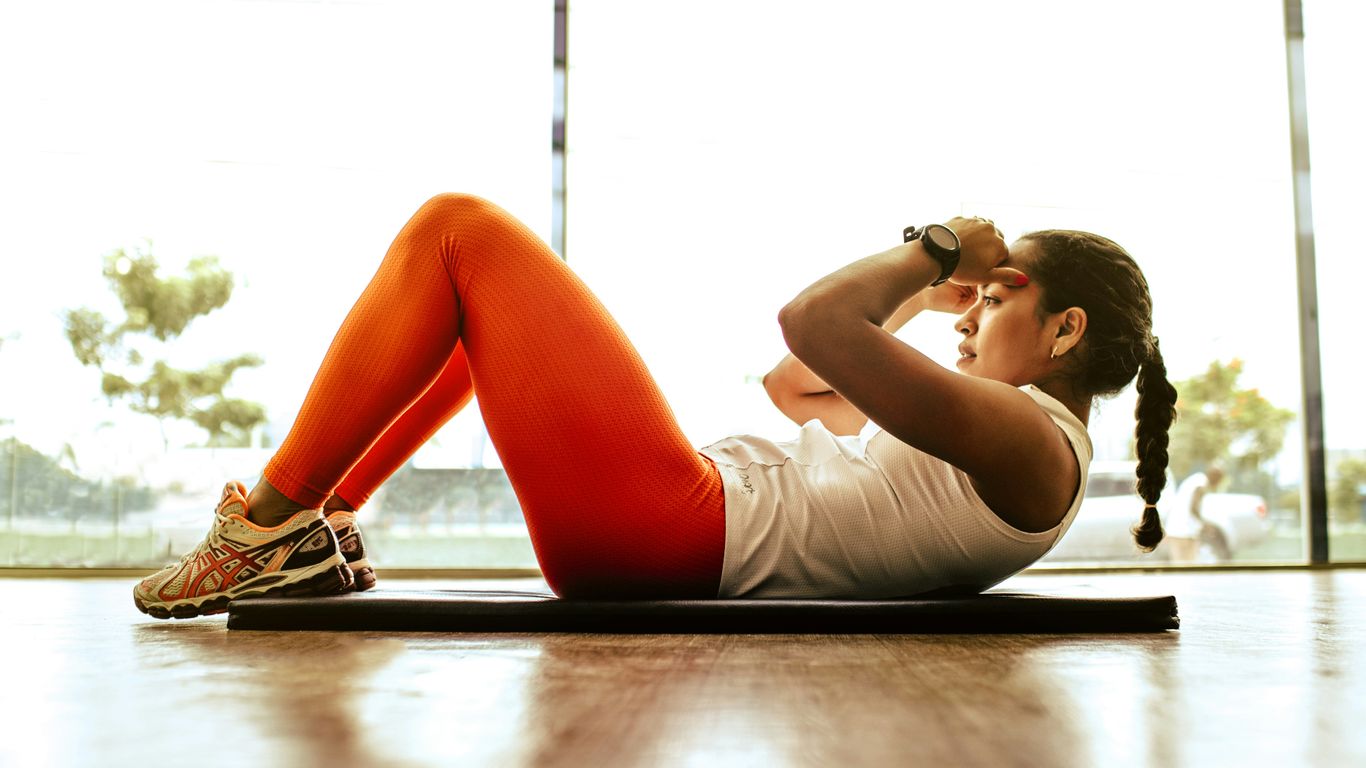
Different activities require specialized surfaces to function correctly. A generalist mat might work for basic stretching, but more intense disciplines demand features tailored to the specific biomechanics of the movement. Matching your gear to your sport ensures safety and enhances your ability to perform at your best.
High-impact training and shock absorption requirements
When performing explosive movements, you need a surface that absorbs vertical force to protect your connective tissues. Powerful jumps and lunges require gear that can dampen impact effectively. For such needs, consider the Nike Training Mat 2.0, which utilizes high-density foam designed for maximum cushioning during intense workouts.
Yoga mats designed for grip and stability
Yoga practitioners often value thinner, grippy surfaces that allow for deep ground contact. Yune Yoga designs portable products that emphasize this exact need, helping you stay grounded during balancing poses. Their light, foldable design makes them an ideal companion for practitioners who move between different training locations.
Pilates focus on thickness and surface texture
Pilates movements often involve long periods on the floor, making cushioning a priority for sensitive joints. A surface with intentional texture also provides the feedback needed to ensure correct alignment during intricate movements. Selecting a mat with the right balance of padding is essential for sustained comfort during class.
Tactical training and gym equipment compatibility
Tactical, police, and law enforcement training often requires specialized flooring that can handle boots and heavy weight sets. Reliable police training mats provide the necessary traction and impact resistance for wrestling or complex drills. These materials are built to withstand heavy use while keeping the athlete stable and safe.
Key features to consider before buying
Thickness, size, and weight remain the primary factors for most gym-goers today. When shopping, think about whether your mat will live in a home gym or if it needs to travel with you to a studio or office. BalancingEstas portability and weight is a smart way to streamline your daily routine.
Optimal thickness for balancing comfort and stability
Too thin and you feel the floor, but too thick and you might sacrifice balance. Finding your personal sweet spot is essential for exercises that demand strict physical alignment. Most users find that a thickness between 3mm and 6mm offers enough cushion for daily sessions without becoming unstable.
Sizing considerations for full-body movement
Always verify that your equipment provides enough space for your entire wingspan. If you frequently perform wide lunges or full-body extensions, a longer and wider option ensures you never drift onto the cold floor. Extra length is a quality of life improvement that you will notice immediately.
Importance of surface grip and non-slip technology
Surface friction keeps your hands and feet from sliding during intense repetitions. Non-slip technology provides the mental comfort required to push harder, as you never worry about your base losing integrity. A good surface grip acts as a foundation for confidence, especially when you are working on your form.
Weight and portability for gym commuters
If you train at a public gym, carrying heavy equipment can become a chore. Look for materials that naturally reduce weight without sacrificing strength. Lightweight mats allow you to bring your own clean surface to every class, ensuring you maintain a consistent practice regardless of where you work out.
Proper cleaning and maintenance routines
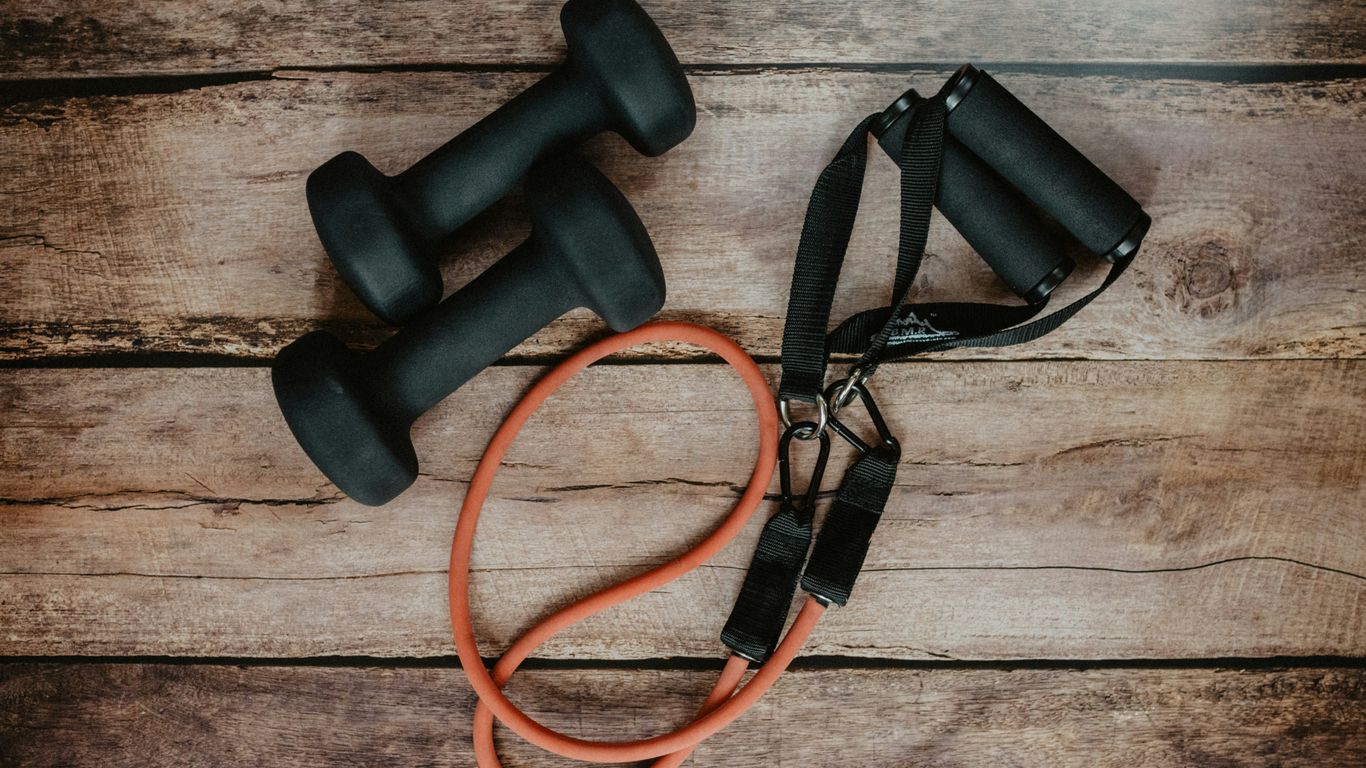
Consistent hygiene practices are not just for studio health; they also extend the lifespan of your materials. A quick, regular routine prevents the accumulation of sweat and oils that degrade soft foams over time. Follow these steps to ensure your gear stays functional and sanitary.
Daily wipe-down methods for exercise hygiene
Use a simple cloth and a mild soap-and-water solution to clear away daily grime. Avoid harsh chemicals that might strip or dry out surface materials. Drying it completely before rolling it up is the best way to prevent odors and trapped moisture.
Deep cleaning techniques for non-porous surfaces
Non-porous surfaces allow for deeper cleaning without the risk of moisture soaking into the core. Occasionally scrubbing with a soft-bristle brush and a non-abrasive cleanser clears deep-seated debris. Ensure the surface is rinsed and left to air dry entirely.
Storage solutions to prevent curling and material damage
Rolling your mat properly helps keep the edges flat and prevents annoying curling over time. Store your gear in a cool, dark place away from direct sunlight, as UV rays can cause cracking and color fading. Keeping it in a climate-controlled area preserves the material's elasticity.
Identifying signs of surface wear and replacement intervals
Even the best materials eventually lose their grip or thickness. Look for signs of peeling, thinning in high-contact areas, or consistent smells that do not dissipate with cleaning. Replacing your mat at the first sign of structural failure protects your joints from potential injury.
Ergonomic benefits of using a dedicated training mat
Using a dedicated surface ensures that your body has the support it requires for repetitive floor movements. Beyond just comfort, these mats influence your biomechanics by providing a stable, consistent platform for engagement. You will notice better muscle activation when you are not worried about your balance or grip.
Protecting hardwood floors and commercial gyms from impact
Using a dedicated surface adds a barrier that keeps your home studio or local gym floor in good repair. Heavy movements can scuff or dent surfaces, especially in high-traffic areas. By utilizing high-quality gear, you protect both the building's floor and your own athletic investment.
Impact mitigation for joints and connective tissue
For those who prioritize strength training and rehabilitation, a mat provides essential cushioning against hard gym floors. Reducing the vibration and force that travels through your bones allows you to train for longer durations with less fatigue. This impact mitigation is a cornerstone of recovery-focused training.
How surface stability influences muscle recruitment
Your brain constantly adjusts your muscle recruitment based on how stable the surface feels beneath your feet. A firm, reliable mat allows you to focus on the movement itself rather than trying to regain your balance. Achieving this stability is a core part of effective functional movement.
Thermal insulation for floor-based movements
Floor-based movements can leave you feeling cold, especially if you spend long periods in a static position. A mat provides a thin thermal barrier between you and the cold floor, keeping your muscles warm and ready for effort. This added warmth is an overlooked benefit for recovery and relaxation.
Shopping tips for finding the best value
Finding a high-quality product at the right price requires a systematic approach to retail. You should avoid buying impulsive, budget-grade mats that break down after a month of heavy use. Here is a quick list of steps to help you find the best value for your budget:
- Research the manufacturer's warranty policies before finalizing your purchase.
- Comparison shop across different platforms to find potential introductory discounts.
- Verify that the thickness and material are suitable for your specific workout type.
- Check for bundled accessories like carrying straps or cleaning cloths to save money.
Following these steps ensures that you invest in equipment that aligns with your needs and financial goals.
Evaluating retail price versus manufacturer warranty
A higher retail price often reflects better material quality and long-term durability. Check for a clear manufacturer warranty, as this signals that the brand stands behind the product's performance. Quality guarantees provide peace of mind that you will not need to replace your equipment prematurely.
Reading authentic user reviews and long-term feedback
User feedback serves as a real-world look at how a product behaves after months of sweat and friction. Pay attention to comments regarding grip degradation and curling at the edges after repeated setups. Authentic feedback often contains the most honest information about daily performance.
Testing surface friction in a store environment
If you have access to a local gym shop, always touch or test the surface of a display version. Feel the texture and verify whether it grips well against your skin or workout clothing. Understanding the friction in person helps you avoid equipment that might feel slippery or cheap upon delivery.
Bundling your mat purchase with necessary hygiene accessories
Many manufacturers offer kits that include storage bags, hygiene sprays, or shoulder straps along with the primary item. Buying these as a bundle often provides a significant discount compared to purchasing separate components later. This strategy is also an effective way to stay eco-conscious by consolidating your shipments.
Conclusion
Investing in a reliable, quality training mat represents a commitment to your long-term athletic health and comfort. By understanding the distinct material architectures, matching the features to your personal discipline, and adhering to simple maintenance routines, you ensure that your gear remains a central pillar of your daily practice. Whether you choose a compact option for travel or a high-density version for functional strength, the right surface provides the support and stability needed to push boundaries and reach your goals safely.
Frequently Asked Questions
How often should I replace my mat?
Most high-quality mats will last between one and three years depending on the intensity of your usage. You should look for visible signs of surface thinning, fraying at the edges, or a persistent lack of traction even after a thorough wash.
Can I use a regular gym mat for yoga?
While possible, standard gym mats are often too soft or thick, which makes holding balance poses challenging. Dedicated yoga surfaces offer the grip and firm foundation needed to keep your body stable and correctly aligned during sequences.
Is a thicker mat always better for my joints?
Not always, because excessive thickness can make it harder to maintain your balance during complex movements. While extra padding is helpful for ground-based exercise, many athletes prefer a medium thickness that provides shock absorption without destabilizing the feet.
How do I stop my mat from sliding on the floor?
Slipping is often caused by a buildup of dust underneath the material or the type of flooring you are using. You can improve stability by ensuring the floor is clean before setting up or by placing a thin, rubberized rug pad beneath it to increase friction.
What is the best way to travel with a mat?
For travelers, look for products that are specifically foldable rather than rollable to save space in luggage. Carrying straps or dedicated mesh bags allow you to secure your equipment during transit while ensuring it stays clean until you reach your destination.
Do I need a special spray for deep cleaning?
Most surfaces can be cleaned with a mixture of water and a drop of gentle dish soap or mild essential oil blends. Avoid using bleach or heavy industrial cleansers, as these can strip the non-slip finish and damage the material architecture over time.
Can I store my mat in the trunk of my car?
Storing gear in a car is generally not recommended due to extreme temperature fluctuations that can warp the material. Heat can damage the rubber or foam, causing it to become brittle, lose its shape, or even disintegrate during the hot summer months.

