

Beyond the Mat: Unpacking the Potential Disadvantages of Yoga
Yoga is often seen as this perfect way to get fit and feel good. We hear all about the amazing benefits, but like anything, there are two sides to the story. Sometimes, pushing yourself too hard, especially in a hot room, can lead to problems. Plus, the whole mental and emotional journey can get a bit tangled. Let's talk about some of the disadvantages of yoga that don't always make the headlines.
Key Takeaways
- Hot yoga's intense heat and physical demands can increase risks of overexertion, joint injuries, and dehydration from losing too much fluid and electrolytes.
- While seeking calm, the demanding environment of hot yoga can sometimes make anxiety worse for some, possibly leading to an unhealthy reliance on stressful feelings.
- Picking the right mat is important for safety and comfort; mats that get grippier when wet are good for hot yoga, but they need regular cleaning to manage sweat and smells.
- There's a chance of confusing intense physical effort with true emotional health, and some people might resist explanations that focus on the body.
- Hot yoga can be costly due to class fees and special gear, and the time needed for regular practice can be hard to fit into busy lives.
Physical Strain and Injury Risks in Hot Yoga
Hot yoga, with its intense heat and humidity, can really push your body. While the warmth is often touted for its ability to deepen stretches, it also comes with a set of potential physical drawbacks that are important to be aware of. It's not just about sweating it out; there are real risks involved if you're not careful.
Overexertion in High Temperatures
The temperature in a hot yoga class can often hover between 95 to 105 degrees Fahrenheit (35-40.5°C). This isn't just a little warm; it's a significant environmental stressor. Your body has to work overtime just to regulate its temperature, and when you add strenuous physical activity on top of that, the risk of overexertion skyrockets. You might feel like you're getting a better workout, but you could actually be pushing your system past its safe limits. Symptoms like dizziness, nausea, and extreme fatigue are your body's way of signaling that it's struggling. Ignoring these signs can lead to heat exhaustion or, in more severe cases, heatstroke. It's vital to listen to your body and not get caught up in trying to keep pace if you feel yourself overheating. For individuals with certain health conditions, like heart issues or a history of heat intolerance, hot yoga might not be suitable at all. It's always a good idea to consult with a doctor before trying hot yoga classes.
Joint Vulnerability During Intense Poses
When muscles are warm, they tend to feel more pliable. This can be a double-edged sword in yoga. While it might feel like you're achieving deeper poses, the heat doesn't necessarily make your ligaments and connective tissues more flexible. This discrepancy can lead to overstretching or straining joints, especially in poses that require significant flexion or extension. Areas like the knees, hips, and shoulders are particularly susceptible. It's easy to get caught up in the moment, perhaps trying to mirror a more experienced student or achieve a certain aesthetic in a pose, but this is precisely where injuries can occur. Pushing beyond your natural range of motion, even if your muscles feel loose, can cause damage that takes time to heal.
Dehydration and Electrolyte Imbalance
Let's be honest, you're going to sweat. A lot. In a hot yoga environment, fluid loss can be substantial. While sweating is your body's natural cooling mechanism, excessive sweating without adequate replacement can quickly lead to dehydration. This isn't just about feeling thirsty; dehydration can manifest as headaches, muscle cramps, and that lightheadedness we mentioned earlier. Beyond just water, you're also losing essential electrolytes like sodium and potassium through sweat. An imbalance in these vital minerals can affect nerve function, muscle contractions, and even heart rhythm. Simply chugging water before and after class might not be enough. Consistent hydration throughout the day, and potentially replenishing electrolytes, is key to avoiding these issues.
The combination of intense heat and physical exertion creates a unique physiological challenge. It's crucial to approach hot yoga with awareness of your body's signals and to prioritize safety over perceived intensity.
The Mental and Emotional Paradox of Yoga
Confusing Physicality with Emotional Health
It's easy to get swept up in the intense physical sensations during a hot yoga class and think that feeling is the same as genuine emotional well-being. Pushing your body hard in a hot room can feel like a big release, but is it really sorting out deeper emotional stuff, or just giving you something else to focus on for a bit? Sometimes, the sheer exhaustion after a tough class can feel like peace, but it's just tiredness. We might feel like we've 'worked through' something, when really, we were just too wiped out to feel anything else. This can be tricky because the physical effort can feel like overcoming a challenge, which is a part of emotional growth, but it's not quite the same thing.
The Supremacy of the Rational Model
Our culture often prefers clear, step-by-step ways of solving problems, and this can spill over into how we approach things like yoga. We might expect a simple cause-and-effect: 'I did this pose, so this emotional issue should be gone.' When that doesn't happen, it's confusing. It's like expecting a math problem to solve itself just because you've written it down. The truth is, emotional health is usually messy and doesn't follow a neat, predictable path. Trying to force a logical model onto something as complex as emotional healing can lead to frustration, especially if you're looking for quick fixes. It’s important to remember that not everything fits into neat boxes, and that’s okay. Many issues are more like spectrums, where things blend and overlap rather than being clearly defined. This can be a tough pill to swallow when you're used to clear answers, but it's a reality for many aspects of mental health.
Resistance to Physical Explanations
On the flip side, there's also a tendency to ignore the body's role in how we feel emotionally. Some people might argue that focusing too much on the physical parts of hot yoga, like the heat or the poses, misses the deeper emotional or psychological factors. They might say that while the body is involved, it's not the whole story. This can lead to a disconnect where people feel their physical experiences in yoga aren't being taken seriously, or that the practice is being oversimplified. It’s a bit like trying to understand a complex story by only reading the first chapter. You miss all the nuance and the real meat of the narrative. We need to acknowledge that the body and mind are connected, and that physical sensations can absolutely influence our emotional state, and vice versa. It’s not an either/or situation.
The intense heat and physical demands of hot yoga can sometimes create a feeling of accomplishment that might be mistaken for genuine emotional progress. It's important to differentiate between the temporary high of physical exertion and the sustained work of emotional healing.
The Stressful Side of Seeking Relaxation
Yoga is supposed to be all about relaxing, right? But, honestly, sometimes the quest to unwind actually leaves us more on edge. Especially in hot yoga, a session marketed to leave you feeling refreshed can actually throw you into a stress spiral if the pressure to achieve deep relaxation feels more like a demand than an invitation.
The Paradox of Stress and Relaxation
Here's the weird part—when you step onto your mat, you might expect the stress to melt away. Instead, the push to reach a relaxed state can become its own source of tension. The heat, the heavy sweating, and the heart pounding—all of it can set your nerves jangling instead. It's easy to feel like you're failing at "chilling out" because your body is screaming for a break while your mind insists on powering through. Some days, you walk out of class more rattled than when you came in.
Emotional Release and Vulnerability
It’s not just physical, either. Deep stretches and high heat have a way of turning up the volume on your emotions. Tears might show up out of nowhere, or anxiety might bubble to the surface. You could even find yourself suddenly overwhelmed with sadness, anger, or embarrassment. For some, this emotional flood is freeing, but for others, it just leaves them feeling raw.
- Emotional outbursts are totally normal during or after tough sessions
- This kind of vulnerability can feel uncomfortable, especially in a group setting
- Many folks leave class feeling exposed or out of sorts instead of calm
Sometimes, letting go is the hardest part. You might expect peace but instead find yourself wrestling with feelings you didn’t even know were there.
Addiction to Stressful States
Here's the kicker: some people start seeking out that intense, post-class collapse like it's the goal. You get hooked on the feeling of being absolutely spent, convincing yourself it means something good happened. It's like chasing the buzz of your first cup of strong coffee—after a while, it's hard to feel "normal" without it. Over time, this can lead to a weird cycle where you need that physical and emotional struggle to feel accomplished, even if it's just making you tired or cranky.
Here's a quick breakdown of what this cycle can look like for regular hot yoga goers:
| Stage | What You Feel | Possible Risk |
|---|---|---|
| Pre-class | Restless, expecting relief | Heightened anxiety |
| Mid-class | Physically straining | Overexertion or frustration |
| Post-class | Exhausted or emotional | Emotional vulnerability, reliance on stress |
| Next day | Craving repeat experience | Habitual stress-seeking |
The drive to chase this feeling can overshadow the original intent—true relaxation. Instead, you might just keep searching for the next big release, never really settling into the calm you hoped for.
Financial and Time Commitments

The Cost of Hot Yoga Classes and Gear
Trying hot yoga? Get ready—it's not cheap. Compared to regular yoga, hot yoga studios often charge more because heating a space is expensive. On top of that, there are extra costs for things like specialized mats, grippy towels, and water bottles (since you’ll sweat like crazy).
Most hot yoga studios ask for monthly or class-pack commitments, which can quickly add up. Let’s break down some average expenses:
| Item | Approximate Cost |
|---|---|
| Drop-in class | $20 - $30 each |
| Monthly membership | $120 - $200 |
| High-quality yoga mat | $60 - $120 |
| Hot yoga towels | $20 - $40 each |
| Extra gear (clothes, etc.) | $50+ |
If you go three times a week, you might be spending more on yoga than on your weekly groceries.
Time Commitment and Scheduling Conflicts
Hot yoga eats up more than your money—it really takes a chunk of your day, too. Classes are usually 75 to 90 minutes long. Add in getting to the studio, changing, and maybe a post-class shower (trust me, you’ll need it), and a single session might use up over two hours.
Here’s what often gets tricky:
- Finding a class time that fits with your work or family schedule
- Dealing with sold-out or waitlisted classes during peak hours
- Having to adjust or drop other personal commitments to make yoga sessions
If you’re aiming for consistency—say, two or three times a week—it can genuinely start to feel like another part-time job.
Sometimes, that "zen" feeling from yoga gets tangled up with guilt or frustration about all the reshuffling it takes to show up. You want to relax, but you keep checking your watch and your bank account.
In reality, both the financial and time costs are real barriers for a lot of people. If you’re stressed about stretching your wallet or your calendar to fit in yoga, the benefits might not feel quite so magical.
Mat and Equipment Considerations
Choosing the Right Mat for Hot Yoga
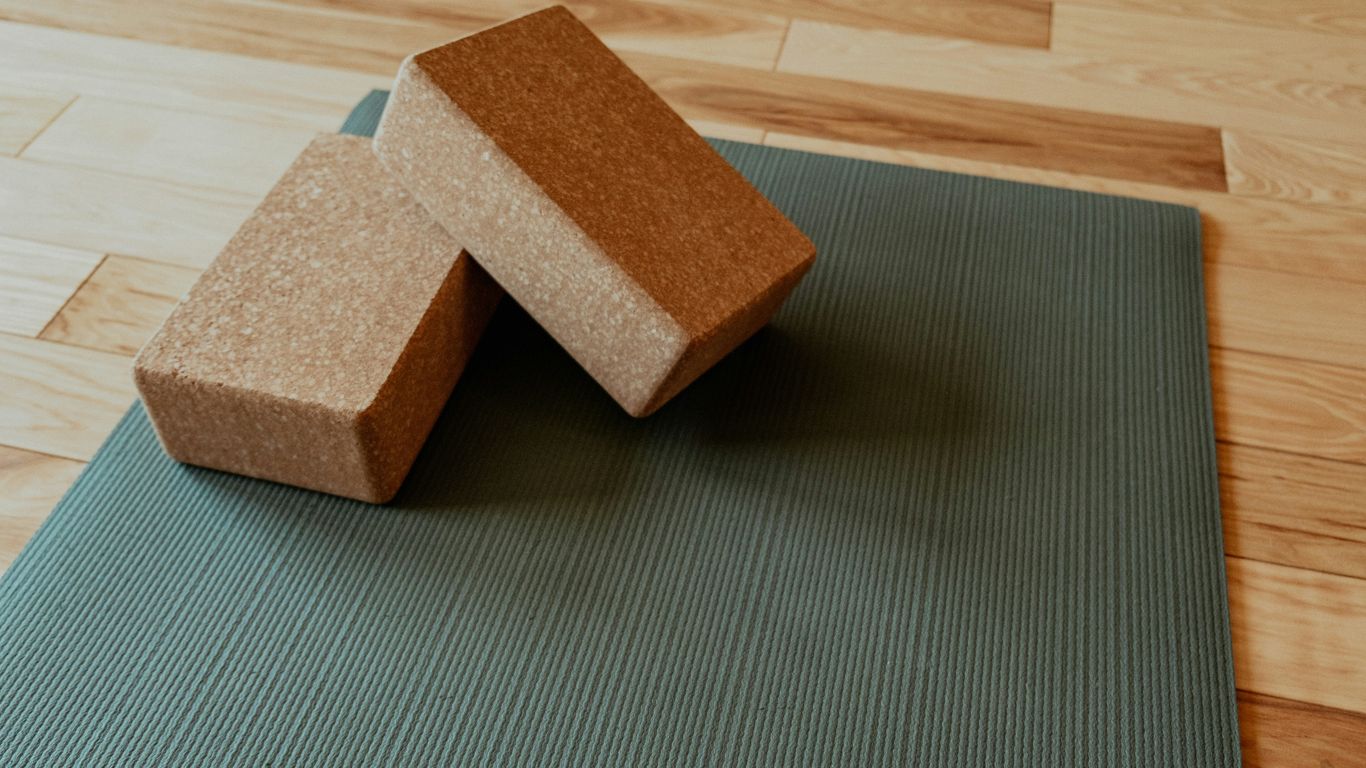
So, you're heading into a hot yoga class, ready to sweat it out. That's great! But before you just grab any old mat, let's chat about what actually works when the room feels like a sauna. The biggest thing you need is grip, especially when things get wet. You know, that moment when you're trying to hold a pose and your hands start to slide? Yeah, we want to avoid that. Look for mats that are designed to get stickier as they absorb moisture. Materials like natural rubber or those with a special microfiber top are usually a good bet. Standard PVC mats, while common, can become super slippery when wet, so they might not be your best friend here. Thickness is also something to think about. A typical 1/8 inch might be fine, but if your knees are feeling a bit sensitive, you might want something a little thicker for extra cushion. Just be aware that too much thickness can sometimes make balancing a bit trickier.
Here's a quick rundown of what to keep in mind:
- Grip: This is pretty much non-negotiable. You need a mat that offers traction even when damp.
- Material: Natural rubber, cork, or microfiber tops are generally good choices. Try to steer clear of standard PVC if you can.
- Thickness: Aim for something around 1/8 to 1/4 inch, depending on what feels comfortable for your joints.
Mat Maintenance and Odor Management
Okay, so you've got your super-grippy mat. Now what? Keeping it clean is really important, especially since it's going to get soaked with sweat almost every time you use it. If you don't clean it regularly, it's going to start smelling… well, like a gym locker. And nobody wants that lingering scent during their practice.
Here’s a basic cleaning routine to keep things fresh:
- Wipe Down After Every Class: Seriously, just a quick wipe with a damp cloth or a specialized yoga mat spray will make a big difference. Get rid of that surface sweat.
- Deeper Clean Weekly (or as needed): Mix some mild soap or a little bit of vinegar with water. Gently scrub the mat, then rinse it really well. Make sure it dries completely before you roll it up. This is key to preventing mildew and that funky smell.
- Air It Out: Whenever you can, let your mat breathe. Hang it up somewhere with good airflow instead of just stuffing it into your bag right away.
Dealing with persistent odors can be a real drag. Sometimes, even with regular cleaning, certain materials can hold onto smells. If your mat starts to smell truly awful and cleaning just isn't cutting it, it might be time to think about getting a new one. It's a bummer, but a smelly mat can really take away from your practice and might even be a sign of bacteria buildup.
Keeping your mat clean and well-maintained isn't just about avoiding unpleasant smells; it's also about hygiene and the longevity of your equipment. A well-cared-for mat provides a more pleasant and safe practice environment.
So, What's the Bottom Line?
Look, hot yoga can be a great workout, and for many, the intense sweat and heat are exactly what they're looking for. But it's not all sunshine and deep stretches. We've talked about the risks, from dehydration to potential injuries, and how the intense environment might not be for everyone. It's important to listen to your body, know your limits, and maybe even chat with your doctor before diving into a super hot class. Finding a yoga practice that truly supports your well-being, rather than just pushing you to your physical edge, is the real goal here. So, while the heat might feel good in the moment, remember there's a whole world of yoga out there that can offer amazing benefits without the extra sizzle.
Frequently Asked Questions
Can hot yoga actually cause injuries?
Yes, it's possible. The heat can make your muscles feel super stretchy, which might trick you into going too deep in a pose. Your joints could then get hurt because they aren't as ready as your muscles feel. Also, if you get too dehydrated, your joints might not be as stable, increasing the risk of a sprain or strain.
Is it easy to get dehydrated in a hot yoga class?
Definitely. Because the room is so hot, you'll sweat a lot, way more than usual. If you don't drink enough water before, during, and after class, you can easily become dehydrated. This can make you feel dizzy, give you a headache, and in serious cases, lead to heat exhaustion.
Can hot yoga be stressful even though people say it's relaxing?
For some people, it can be. The intense physical effort and the heat can feel overwhelming instead of calming. If your body is used to holding onto stress, letting go in a hot room can feel strange or even scary, making true relaxation tough.
What's the best kind of yoga mat for hot yoga?
You'll want a mat that gets grippier when it's wet. This helps you stay put during poses when you're sweating a lot. Look for mats made from materials like natural rubber or those with a microfiber top. These usually offer better grip than basic mats when they get damp.
How should I clean my yoga mat after a hot yoga session?
After each class, wipe your mat down with a damp cloth. You can use a gentle cleaner, like water mixed with a little vinegar, to help get rid of sweat and smells. It's really important to let it air dry completely before you roll it up to stop mold from growing and keep it smelling fresh.
Is hot yoga always expensive?
Hot yoga classes can cost more than regular yoga classes. You might also need to buy special gear, like a good mat and a towel, which adds to the expense. This can make it harder for some people to go regularly compared to other activities that don't require as much spending.


