
Exploring the Five Types of Yoga: Finding Your Perfect Practice
Yoga can seem like a big, confusing world when you first start looking into it. You hear about all these different styles, and it's hard to know where to begin. Some classes are super chill, while others will have you sweating buckets. But that's actually a good thing! It means there's a type of yoga out there for pretty much everyone, no matter what you're looking for. We're going to check out five popular yoga types of, what makes them tick, and how you can figure out which one might be your perfect match.
Key Takeaways
- There are many different types of yoga, each offering a unique experience and set of benefits.
- Hatha yoga provides a gentle start with basic poses and breathwork, ideal for beginners.
- Vinyasa and Ashtanga yoga are more dynamic, focusing on flowing sequences and building strength.
- Specialized styles like Bikram (hot yoga) and Iyengar (precision alignment) cater to specific preferences or needs.
- Choosing the right yoga type of involves considering your personal goals, fitness level, and being open to trying different styles.
1. Hatha Yoga
So, you're curious about Hatha yoga? It's a pretty common starting point for folks getting into yoga, and for good reason. Think of it as the foundation for a lot of other yoga styles you might hear about. Classes are usually a bit slower-paced, which is nice when you're just figuring out how to stand on your own two feet – or, you know, in a Downward-Facing Dog.
The main idea here is to get comfortable with the basic poses, holding them for a few breaths. It’s less about pushing yourself to the absolute limit and more about paying attention to how your body feels and how you're breathing. You’ll learn the fundamental shapes of the poses and start to get a feel for moving and breathing together. It’s a really good way to build up some strength and awareness without feeling overwhelmed.
Here’s a quick rundown of what you can expect:
- Focus on foundational poses: You'll spend time in poses like Mountain Pose, Warrior II, and Triangle Pose.
- Emphasis on breath: Learning to connect your breath with your movement is a big part of Hatha.
- Slower tempo: This allows time to focus on alignment and feel the pose.
Hatha yoga is often described as the physical practice of yoga, aiming to balance opposing energies within the body and mind. It's not just about the poses, though; it includes breathing exercises and sometimes even a bit of meditation. This makes it a well-rounded introduction to the practice.
If you're looking for a way to gently build strength, improve flexibility, and just generally feel more connected to your body, Hatha yoga is definitely worth checking out. It’s a welcoming style that doesn’t demand a ton of prior experience.
2. Vinyasa Yoga
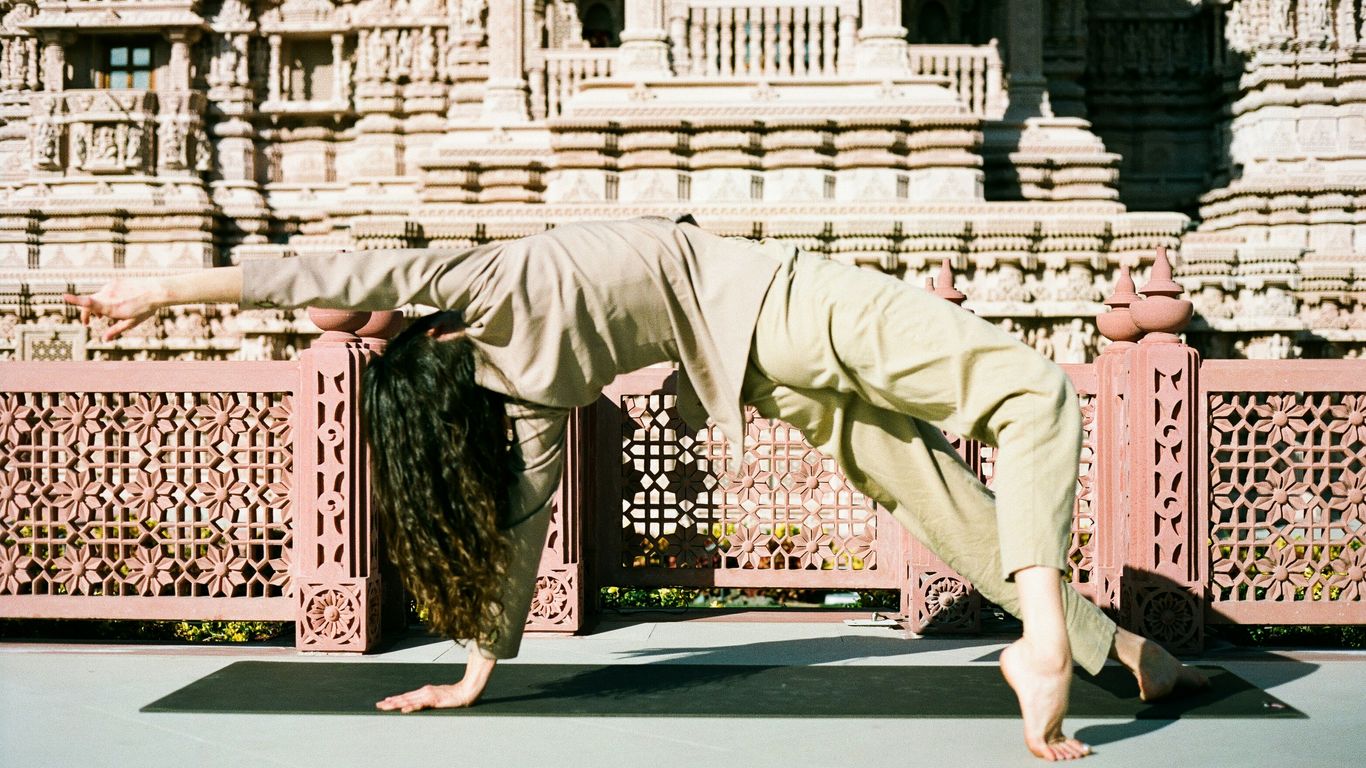
Vinyasa yoga, often called "flow yoga," is all about smooth transitions. Think of it like a dance where each movement is connected to your breath. It's a really popular style because it keeps you moving and can feel pretty dynamic.
The core idea is synchronizing your breath with your poses, creating a continuous, rhythmic flow. This isn't about holding one pose for ages; instead, you'll move from one to the next in a sequence. Teachers often get creative with the sequences, so no two classes are exactly alike, which keeps things interesting. It’s a great way to build strength and flexibility while also getting your heart rate up a bit. If you like a bit more action in your yoga practice, Vinyasa might be a good fit for you. You can find beginner-friendly Vinyasa flow classes that ease you into the style.
Here’s what you can generally expect:
- Breath Synchronization: Every inhale and exhale is linked to a specific movement.
- Flowing Sequences: Poses are strung together in a fluid, often creative, order.
- Variety: Sequences can change from class to class, offering a fresh experience.
- Physical Challenge: It can be quite a workout, building stamina and muscle tone.
This style is fantastic for anyone who finds stillness challenging or prefers a more active approach to their yoga. It’s a way to move your body, clear your mind, and feel energized all at once.
Because of its fluid nature, Vinyasa is sometimes seen as an adaptation of Ashtanga, but with more freedom in the sequencing. It’s a style that can be adapted for all levels, from absolute beginners to seasoned yogis, depending on the intensity the instructor sets.
3. Ashtanga Yoga
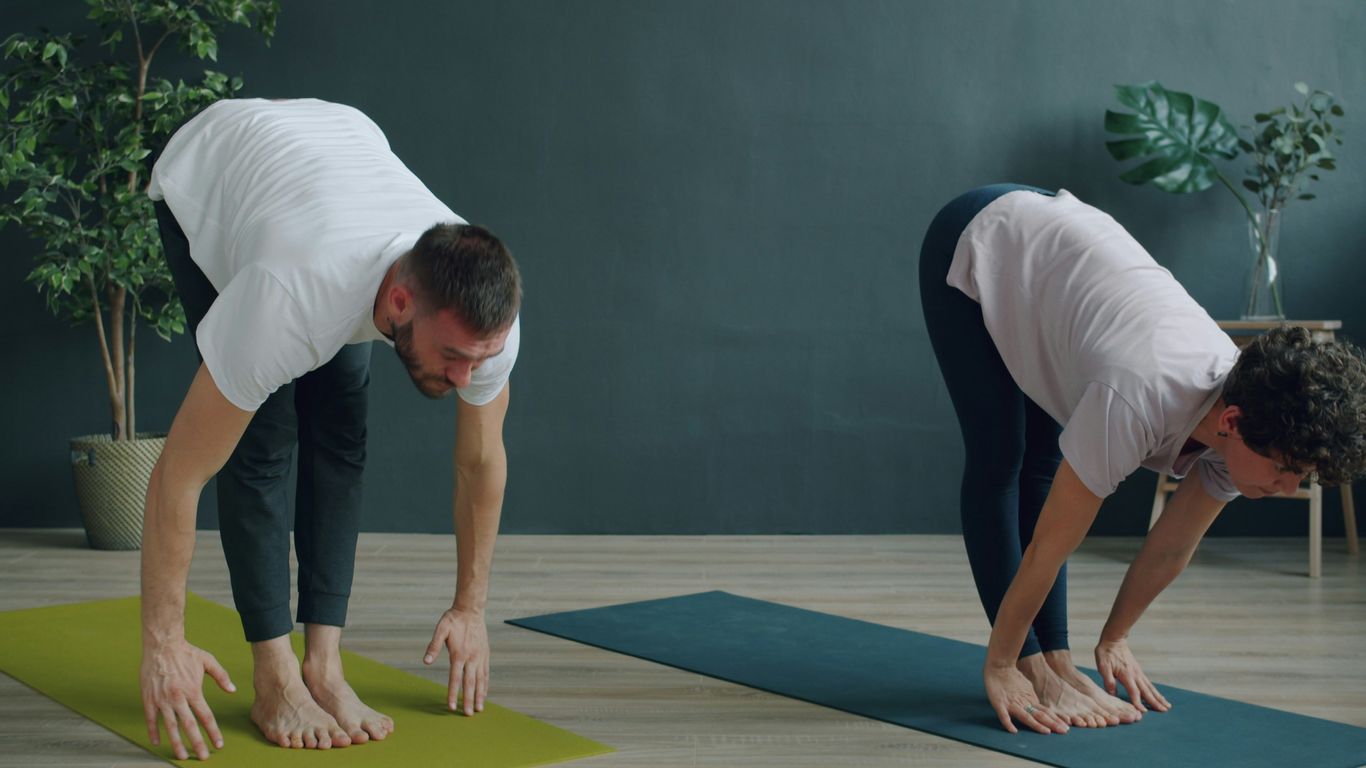
Ashtanga yoga is a pretty intense style that follows a set sequence of poses. Think of it like a physical puzzle you solve with your body, moving from one posture to the next with your breath. It's known for being a very disciplined and physically demanding practice.
This style was developed by K. Pattabhi Jois and is taught in a specific order. There are six series in total, and you only move on to the next one when your teacher feels you've really got the previous one down. This means everyone in a class might be doing something a little different, especially in a "Mysore style" class where students practice at their own pace.
Here's a general idea of how an Ashtanga practice unfolds:
- Sun Salutations (Surya Namaskar): These are usually done first to warm up the body.
- Standing Poses: A series of poses that build strength and flexibility.
- Seated Poses: These poses often involve forward folds and hip openers.
- Finishing Sequence: A set of poses that wind down the practice, including inversions and a final relaxation.
It's not uncommon for Ashtanga classes to be taught without music, focusing purely on the sound of the breath and the movement. It’s a style that really rewards consistency and dedication. If you like routine and a good physical challenge that also has a spiritual side, Ashtanga might be a great fit for you.
Ashtanga yoga is a dynamic system that links breath with movement. It's designed to purify the body and calm the mind through a consistent, progressive series of postures. The structure provides a clear path for practitioners to follow and grow.
4. Iyengar Yoga
Iyengar Yoga is all about getting the details right. Developed by B.K.S. Iyengar, this style really focuses on precise body alignment in every pose. It's a great choice if you appreciate clear, step-by-step instructions and want to make sure you're doing things correctly. You'll often find that Iyengar classes use a lot of props – think blocks, straps, blankets, and even chairs or wall ropes. These aren't just for beginners; they're tools to help everyone achieve the proper form safely and hold poses longer.
Because the focus is on alignment and holding poses, classes tend to move at a slower pace. This gives you time to really feel what's happening in your body and work on building strength, balance, and flexibility over time. It's a very methodical approach to yoga.
Here's what you might experience in an Iyengar class:
- Detailed verbal cues from the instructor.
- Strategic use of props to support and deepen poses.
- Longer holds in each posture.
- A focus on anatomical precision.
This style is particularly helpful if you have any physical limitations or are recovering from an injury, as the props can be adjusted to suit your needs. It's about making the pose accessible and beneficial for your body, whatever its current condition.
If you like structure, detailed guidance, and a practice that builds a strong foundation, Iyengar Yoga could be a really good fit for you.
5. Bikram Yoga
If you're someone who likes to really push yourself and doesn't mind a good sweat session, Bikram yoga might be right up your alley. This style is all about practicing in a room that's heated to a pretty intense 105°F (40°C) with 40% humidity. It's a very specific kind of yoga, sticking to a set sequence of 26 postures and two breathing exercises, always done in the same order. The idea behind the heat is that it helps your muscles warm up and become more flexible, allowing for deeper stretches and, supposedly, helping to flush out toxins through all that sweating.
This practice is known for its rigorous structure and demanding environment. It's definitely a workout, and it's important to stay hydrated before you even start. Because it's so structured, many studios that offer this type of class might just call it 'hot yoga' so they have a bit more freedom to change things up. But if you like routine and a serious physical challenge, Bikram could be your thing.
Here's a quick look at what a Bikram class typically involves:
- The Room: Heated to 105°F (40°C) with 40% humidity.
- The Sequence: Always 26 specific postures and 2 breathing exercises.
- The Duration: Exactly 90 minutes long.
- The Instructor: Typically does not offer hands-on adjustments.
Bikram yoga is a very disciplined practice. It requires a certain level of commitment and a willingness to work through the heat and the challenging poses. It's not for the faint of heart, but many find the intense workout and the feeling of accomplishment incredibly rewarding.
Finding Your Mat
So, we've looked at a bunch of different yoga styles, from the super chill ones to the ones that really get you moving. It's pretty cool how many options there are, right? The main thing to remember is that there's no single 'best' type of yoga. It's all about what feels right for you, right now. Maybe you want to de-stress, build some strength, or just feel more connected to yourself. Whatever it is, there's a yoga practice out there that can help. Don't be afraid to try a few different classes or teachers. Your body and mind will usually tell you what they like. The most important step is just getting on the mat and seeing where it takes you. Happy practicing!
Frequently Asked Questions
What is Hatha Yoga and who is it good for?
Hatha Yoga is like the starting point for many yoga styles. It's usually a slower pace, focusing on basic poses and breathing. It's great for beginners because it helps you learn the fundamentals without feeling rushed. It's perfect if you want to build a connection between your body and mind.
How is Vinyasa Yoga different from other types?
Vinyasa Yoga is all about movement and flow. You'll move from one pose to the next in sync with your breath. Think of it like a dance! It's a bit more energetic than Hatha and can be a good workout, helping to build strength and flexibility.
What should I expect in an Ashtanga Yoga class?
Ashtanga Yoga is a more disciplined and physically demanding style. It follows a specific series of poses that you repeat. It's known for building serious strength, stamina, and flexibility. It's best if you enjoy a structured and challenging practice.
Why is Iyengar Yoga focused so much on props and alignment?
Iyengar Yoga places a huge emphasis on getting the poses exactly right, or aligned. It uses props like blocks, straps, and blankets to help you achieve the correct form, even if you can't quite reach a pose naturally yet. This makes it great for learning precise body positioning and can be very therapeutic.
Is Bikram Yoga really practiced in a hot room?
Yes, Bikram Yoga is famous for being practiced in a room heated to about 105 degrees Fahrenheit with 40% humidity. It involves a set sequence of 26 poses and two breathing exercises. The heat is meant to help you stretch deeper and detoxify through sweat.
How do I choose the best yoga style for me?
The best way to choose is to think about what you want to get from yoga. Are you looking to relax, get a workout, or connect more with yourself? Try out different styles! What feels good for your body and mind is the right choice. Don't be afraid to experiment with a few classes to see what clicks.

