
The Real Benefits of Yoga for Women, by Life Stage
Yoga delivers measurable improvements across six health domains for women: muscular strength and flexibility, pain relief, mental health and sleep, hormonal and reproductive function, cardiovascular and metabolic markers, and quality of life for chronic conditions. The bulk of clinical evidence is moderate in strength, drawn from randomized trials and meta-analyses, though many studies are small or use heterogeneous program designs. Most reviews suggest practicing at least 2–3 sessions per week, each lasting 45–60 minutes, to see meaningful change within 8–12 weeks.
Key benefits supported by clinical research:
- Physical: improved flexibility, dynamic balance, functional strength, and bone-loading effects
- Pain relief: reduced low back pain, osteoarthritis symptoms, and tension-type headaches
- Mental health and sleep: lower perceived stress, anxiety, and depression symptoms; better sleep quality
- Hormonal and reproductive: measurable improvements in PMS severity, PCOS markers, pregnancy outcomes, and menopause symptoms
- Cardiovascular and metabolic: modest reductions in blood pressure, cholesterol, and BMI, especially with longer programs
- Chronic disease: improved quality of life and reduced fatigue in cancer survivors
“Yoga packs a powerful punch because it combines strength and flexibility training with meditation,” notes Maren Nyer, a Harvard-affiliated researcher at Massachusetts General Hospital, summarized by Harvard Health.
Key Takeaways
Yoga delivers its strongest, most consistent benefits for women when practiced at least 2–3 times per week across physical, mental, hormonal, and chronic-disease domains, with most measurable changes appearing within 8–12 weeks.
| Point | Details |
|---|---|
| Practice frequency matters | Aim for 2–3 sessions per week, 45–60 minutes each, to see results within 8–12 weeks. |
| Physical gains are well-supported | Flexibility, balance, and functional strength show moderate-to-strong evidence across multiple study types. |
| Hormonal benefits are promising | A 12-week PCOS trial showed hormonal and metabolomic improvements; pregnancy meta-analysis (2,217 participants) found reduced anxiety and shorter labor. |
| Mental health effects are real | Yoga reduces perceived stress, anxiety, and depression symptoms, with the strongest signals in cancer survivors and menopausal women. |
| Modify for your life stage | Pregnancy, osteoporosis, post-surgery, and cancer treatment all require specific pose modifications; consult a provider when uncertain. |
Table of Contents
- 1. Yoga builds strength, flexibility, balance, and bone health
- 2. Yoga can reduce pain from back problems, arthritis, and headaches
- 3. Yoga reduces stress, anxiety, depression, and improves sleep
- 4. Yoga supports hormonal and reproductive health across life stages
- 5. Yoga improves cardiovascular and metabolic health
- 6. Yoga improves quality of life for cancer survivors
- 7. How yoga actually works in the body
- 8. How often to practice and which style fits your goal
- 9. Safety, modifications, and when to see a provider first
- 10. Yoga and pelvic floor health
- Sources
1. Yoga builds strength, flexibility, balance, and bone health
Yoga measurably improves flexibility, dynamic balance, and functional strength when practiced consistently. A BMC Women’s Health observational study found that long-term female yoga practitioners showed greater hamstring flexibility, better shoulder range of motion, higher hand-grip strength, and higher heart rate variability (RMSSD) compared with non-practitioners. These are durable gains, not just short-term effects.
Balance training in yoga works differently from static gym drills. Poses like Tree and Warrior III use proprioceptive cues, such as pressing through a “tripod” of toes and heel, and dynamic transitions to build fall-resilience. That’s a clinically meaningful distinction for older women, where fall prevention directly reduces fracture risk.
Poses worth knowing for each goal:
- Strength: Chair Pose (Utkatasana) loads the quadriceps and glutes; Warrior II (Virabhadrasana II) builds hip and shoulder stability
- Balance: Tree Pose (Vrksasana) trains single-leg proprioception; Warrior III challenges dynamic stability
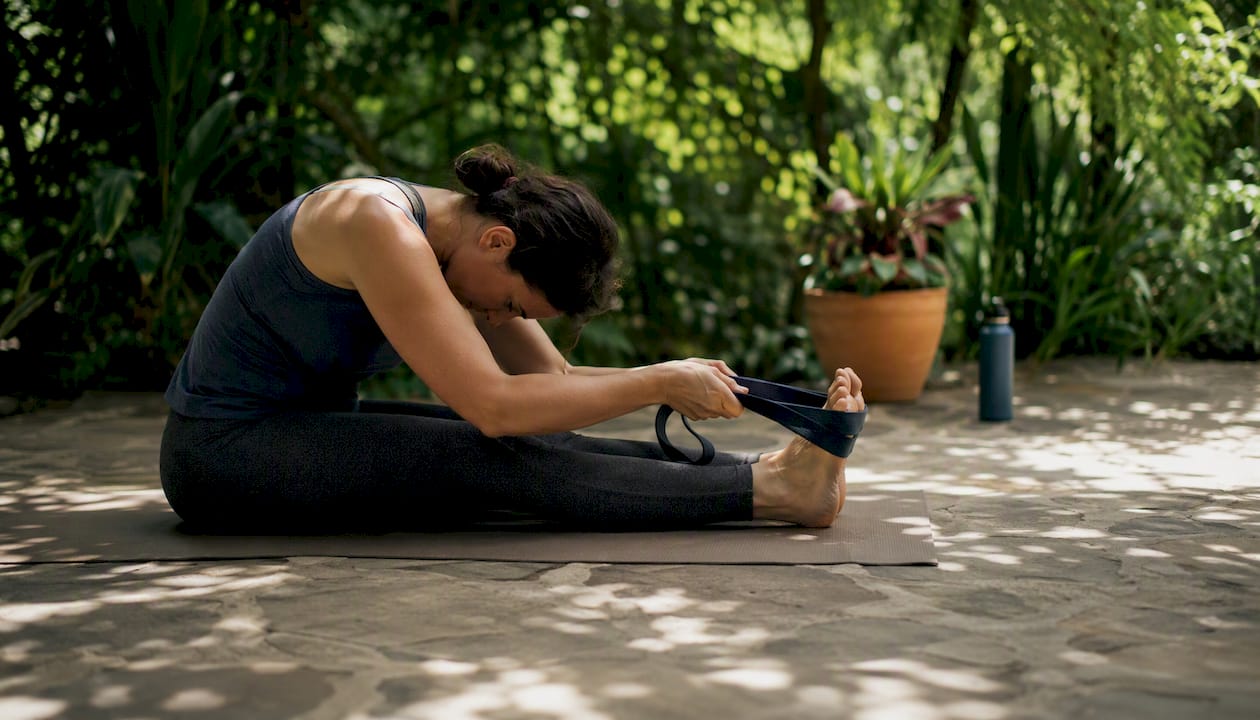
- Flexibility: Seated Forward Fold (Paschimottanasana) targets hamstrings and the lower back; Reclined Pigeon opens the hips
On bone health, weight-bearing and balance poses apply mechanical load to the spine, hips, and wrists, which stimulates bone remodeling. This matters most for perimenopausal and postmenopausal women, when estrogen decline accelerates bone loss. Flexibility is a training outcome, not a prerequisite. Beginners should not wait until they are “flexible enough” to start.
Pro Tip: Use a yoga strap in Seated Forward Fold if you can’t reach your feet. The stretch is just as effective, and forcing the position without support risks lower-back strain.
2. Yoga can reduce pain from back problems, arthritis, and headaches
For many women, yoga is one of the most accessible tools for managing chronic musculoskeletal pain. The NCCIH summarizes evidence showing yoga can reduce low back pain, improve function in knee osteoarthritis, and ease tension-type headaches, though effect sizes vary and most studies are short-term. The mechanism is partly physical (improved spinal mobility, muscle balance, reduced guarding) and partly neurological (downregulated stress response, reduced pain sensitization).
For low back pain specifically, randomized controlled trials have consistently shown symptom reduction after 8–12 weeks of yoga, with results comparable to other active therapies like physical therapy. Headache evidence is thinner but plausible given yoga’s autonomic effects.
Practical guidance for women with chronic pain:
- Choose therapeutic yoga, gentle yoga, or Iyengar-style classes, which emphasize alignment and use props
- Look for instructors with training in working with medical conditions, not just general fitness certifications
- Avoid hot yoga or vigorous Vinyasa until pain is well-managed and you have clearance from a provider
Red flags that warrant a specialist referral before starting: progressive weakness or numbness in the legs, unexplained weight loss alongside back pain, pain that wakes you from sleep, or a history of severe trauma. These are not yoga contraindications per se, but they need medical evaluation first. For women recovering from injury, yoga’s role in promoting recovery is covered in more detail on the Yuneyoga blog.
3. Yoga reduces stress, anxiety, depression, and improves sleep
Yoga helps reduce perceived stress and symptoms of anxiety and depression for many women, and it can improve sleep quality in specific populations, including cancer survivors, menopausal women, and older adults. The NCCIH’s review of the evidence confirms these benefits while noting that program quality and study heterogeneity affect how confidently we can generalize results.

The mechanism is well-established: Mayo Clinic experts explain that lengthening the exhalation during yoga breathing stimulates the vagus nerve and shifts the autonomic nervous system toward parasympathetic dominance, reducing cortisol and adrenaline. That’s not metaphor. It’s measurable in heart rate variability data.
For sleep specifically, the BMC Women’s Health study found shorter sleep latency in long-term practitioners. For anxiety and depression, multiple reviews show moderate effects, with the strongest signals in women dealing with cancer treatment, perimenopause, and postpartum recovery. Yoga for anxiety reduction and for managing depression are explored in depth on the Yuneyoga blog.
Pro Tip: For sleep, sequence your practice as breathwork (4–7–8 breathing or alternate nostril) followed by Restorative or Yin poses, then Savasana. Avoid vigorous Vinyasa within 90 minutes of bedtime — elevated core temperature and cortisol from intense exercise can delay sleep onset.
4. Yoga supports hormonal and reproductive health across life stages
Targeted yoga programs have produced measurable improvements in PMS symptom severity, PCOS hormonal and metabolic markers, pregnancy-related anxiety and labor outcomes, and menopause symptom relief. This is one of the most compelling areas of yoga research for women, and also one where evidence quality varies the most.
PMS and menstrual health: A pilot study published in MDPI found that an eight-week targeted yoga program reduced PMS symptoms and improved hip mobility in participants. Effect sizes were meaningful, but the study was small and short-term.
PCOS: A 12-week integrated yoga program in 25 women with PCOS produced hormonal improvements including reduced LH, AMH, and testosterone, and increased FSH and estradiol, alongside better glucose, cholesterol, and triglyceride profiles. These are clinically relevant changes. The sample size limits how far we can generalize, but the biological plausibility is strong: yoga reduces cortisol and systemic inflammation, both of which drive PCOS pathophysiology.
Pregnancy: A meta-analysis of 29 prenatal yoga studies covering 2,217 participants reported reduced anxiety, depression, and perceived stress, shorter labor duration, and a higher likelihood of normal vaginal birth. Program content varied widely across studies, and some had methodological weaknesses, so these findings are promising rather than definitive.
Prenatal and postpartum safety tips:
- First trimester: Avoid hot yoga; keep inversions brief; prioritize breathwork and gentle stretching
- Second and third trimester: Avoid lying flat on the back for extended periods; skip deep twists that compress the abdomen; use blocks and bolsters for support
- Postpartum: Wait for medical clearance before returning to practice; prioritize pelvic floor awareness over core loading
Menopause: NCCIH reviews note yoga can ease menopause symptoms including hot flashes, sleep disruption, and mood changes. Restorative and Yin styles tend to be the most appropriate starting points.
Pro Tip: If you have PCOS or a hormonal condition, look for a yoga teacher with experience in women’s health or therapeutic yoga. A general fitness class won’t include the pranayama and restorative elements that appear to drive the hormonal benefits in clinical studies.
5. Yoga improves cardiovascular and metabolic health
Yoga can improve several cardiovascular risk markers, including blood pressure, cholesterol, and BMI, particularly when practiced consistently over months rather than weeks. A Harvard Health review summarizing randomized trials involving nearly 2,800 people found that yoga produced improvements in blood pressure, cholesterol, and weight-related markers comparable to brisk walking in some studies.
That comparison matters. Yoga is not a substitute for aerobic exercise if cardiovascular fitness is your primary goal, but it’s not a passive stretch session either. For women who find high-impact exercise difficult due to joint pain, injury, or life stage, yoga offers a genuine cardiovascular and metabolic alternative.
Key metabolic mechanisms:
- Autonomic modulation: improved HRV signals better cardiac regulation and reduced sympathetic overdrive
- Cortisol reduction: chronic stress elevates blood glucose and promotes visceral fat; yoga’s stress-reduction effects work against both
- Behavioral effects: women who practice yoga regularly tend to make better dietary choices and be more physically active overall, amplifying metabolic benefits
Longer, more frequent programs show better outcomes. NCCIH-supported analyses found that yoga programs with greater duration and frequency tended to produce better weight-control results. If weight or metabolic health is a specific goal, the Yuneyoga blog covers yoga’s relationship with weight in more detail.
Pro Tip: Track blood pressure and lipids with your provider before starting a yoga program and again at 12 weeks. Having baseline numbers makes it much easier to see whether the practice is moving the needle for you specifically.
6. Yoga improves quality of life for cancer survivors
Many randomized and quasi-experimental studies report improved quality of life, reduced fatigue, and better sleep in women undergoing or recovering from cancer treatment, with results often comparable to other forms of exercise. A 2022 review of yoga in breast cancer populations examining 23 studies found consistent improvements in fatigue, sleep quality, anxiety, depression, and nausea during treatment.
These are not trivial gains. Cancer-related fatigue is one of the most debilitating and undertreated symptoms in oncology, and yoga offers a low-barrier, self-directed tool that women can use between treatment sessions.
Practical guidance for women in cancer treatment:
- Coordinate with your oncology team before starting any new exercise program
- Choose gentle or therapeutic yoga; avoid vigorous styles during active treatment
- If you have lymphedema or are at risk, avoid poses that compress affected limbs; work with an instructor trained in lymphedema precautions
- During periods of low immunity (post-chemotherapy nadir), skip group classes and practice at home
Pro Tip: Many cancer centers now offer oncology yoga programs specifically designed for people in treatment. Ask your care team whether your hospital or a local studio offers one — these programs are designed with your specific risks and energy levels in mind.
7. How yoga actually works in the body
Yoga likely works through four overlapping mechanisms: autonomic nervous system regulation, musculoskeletal adaptation, stress-hormone reduction, and anti-inflammatory and metabolic signaling. Understanding these helps explain why the benefits span such different health domains.
Autonomic regulation is the most well-documented pathway. As Mayo Clinic experts explain, lengthening the exhalation activates the vagus nerve and shifts the body toward parasympathetic dominance. This reduces heart rate, lowers blood pressure, and improves digestion and sleep. HRV improvements in long-term practitioners, documented in the BMC Women’s Health study, are a direct measure of this effect.
Musculoskeletal adaptation is straightforward: repeated loading and stretching of muscles, tendons, and connective tissue increases range of motion and functional strength. Balance poses train proprioceptive pathways that gym machines don’t reach.
Stress-hormone reduction connects the physical practice to hormonal and metabolic benefits. Cortisol reduction improves insulin sensitivity, reduces visceral fat accumulation, and supports ovulatory function, which is part of why the PCOS trial showed metabolomic improvements alongside hormonal ones.
Anti-inflammatory effects are more preliminary. Clinical voices from AIIMS and other institutions suggest yoga may reduce systemic inflammation and oxidative stress in metabolic and endocrine conditions like PCOS, supporting its use as a complementary therapy alongside medical care. The PCOS metabolomic data supports this direction, but larger trials are needed.
Evidence-strength summary:
| Outcome | Evidence strength | Notes |
|---|---|---|
| Flexibility and balance | Moderate to strong | Consistent across multiple study types |
| Stress, anxiety, and depression | Moderate | Heterogeneous programs; effect sizes vary |
| Low back pain | Moderate | RCT-supported; comparable to other active therapies |
| Sleep quality | Moderate | Strongest in cancer survivors and menopausal women |
| Cardiovascular markers | Moderate | Comparable to brisk walking in some reviews |
| PCOS hormonal markers | Preliminary | Small trials; biologically plausible |
| Pregnancy outcomes | Moderate | Meta-analysis supported; program heterogeneity limits conclusions |
| Anti-inflammatory effects | Emerging | Mechanistic plausibility; larger trials needed |
8. How often to practice and which style fits your goal
Practice 2–3 sessions per week, each 45–60 minutes, to see measurable change within 8–12 weeks. Daily short practices (10–15 minutes of breathwork or gentle movement) amplify results between full sessions. Outcomes scale with frequency and duration, particularly for weight-related and cardiovascular markers.
Style recommendations by goal:
| Style | Best for | Key modification notes |
|---|---|---|
| Hatha / Gentle | Beginners, mobility, chronic pain | Slower pace; props encouraged |
| Vinyasa / Power | Strength, cardiovascular fitness | Not ideal during pregnancy or acute pain |
| Restorative / Yin | Stress reduction, sleep, recovery | Appropriate for most life stages |
| Prenatal yoga | Pregnancy (any trimester) | Avoid deep twists, flat-back supine after first trimester |
| Iyengar | Precision alignment, injury rehab | Props used extensively; good for osteoporosis modifications |
Sample beginner week (30–45 minutes per session):
- Monday: Hatha basics (Mountain, Chair, Warrior I and II, Seated Forward Fold, Savasana)
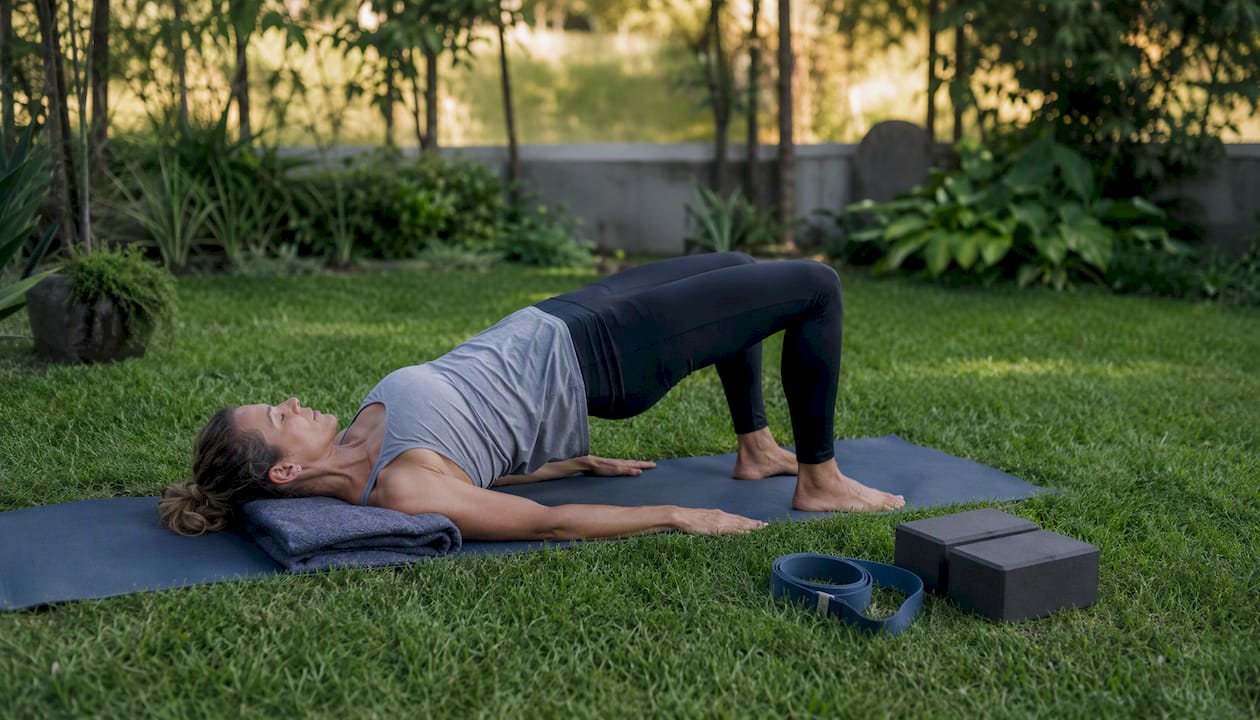
- Wednesday: Restorative session (Supported Bridge, Reclined Butterfly, Legs-up-the-Wall, 10-minute Savasana)
- Friday: Gentle Vinyasa flow (Sun Salutation A modified, Tree, Triangle, Seated twist, Savasana)
- Daily (5–10 min): Alternate nostril breathing or 4–7–8 breathwork before sleep
Over four weeks, gradually extend session length to 45–60 minutes and add a fourth weekly session. A yoga mobility workout plan on the Yuneyoga blog provides a structured progression for building strength and flexibility together.
Checklist for choosing an instructor:
- Holds a 200-hour or 500-hour Yoga Alliance certification (RYT-200 or RYT-500)
- Has experience working with your specific condition (prenatal, therapeutic, oncology)
- Offers modifications and uses props without being asked
- Communicates clearly about what to avoid and why
- Welcomes questions about your health history before class
9. Safety, modifications, and when to see a provider first
Yoga is safe for most women, but it requires modifications for pregnancy, recent surgery, severe osteoporosis, or active medical treatment. When in doubt, consult your provider before starting.
Modifications by condition:
- Pregnancy: Avoid deep twists, prone poses, and lying flat on the back after the first trimester; use blocks and bolsters; skip hot yoga entirely
- Severe osteoporosis: Avoid high-impact forward flexion (full forward folds with rounding), deep spinal flexion, and poses that load the spine under compression; favor standing and supported balance work
- Post-surgery: Avoid loaded compression on surgical sites; get clearance from your surgeon before resuming inversions or core-intensive poses
- Active cancer treatment: Avoid group classes during low-immunity periods; choose gentle or therapeutic programs; flag lymphedema risk to your instructor
Stop practice and seek medical review if you experience:
- New weakness, numbness, or tingling in your arms or legs
- Chest pain or pressure during or after practice
- Sudden severe pain, especially in the spine or joints
- Lightheadedness, fainting, or significant shortness of breath
- Unusual swelling in a limb
A short note on pelvic floor health: women with urinary incontinence or pelvic floor dysfunction should avoid poses that dramatically increase intra-abdominal pressure (deep squats, intense core work) until they have guidance from a pelvic floor physical therapist. Gentle yoga with breath awareness is generally appropriate and often beneficial.
10. Yoga and pelvic floor health
Yoga supports pelvic floor function through two complementary pathways: strengthening and releasing. Many women with stress urinary incontinence have a pelvic floor that is both weak and overly tense. Yoga addresses both sides of that equation.

Poses like Bridge (Setu Bandhasana) and Chair engage the pelvic floor in coordination with the glutes and deep core. Equally important, poses like Reclined Butterfly (Supta Baddha Konasana) and Happy Baby (Ananda Balasana) encourage pelvic floor release, which is often what’s needed when tension is the primary driver of symptoms.
Breath coordination is the key skill. Inhaling expands the pelvic floor; exhaling gently lifts it. Practicing this awareness during yoga transfers directly to daily movements like lifting, coughing, and standing up. Women with significant pelvic floor dysfunction should work with a pelvic floor physical therapist alongside yoga practice, not instead of it.
The case for props: a note from Yuneyoga
Props are not training wheels. They are precision tools. A yoga strap in a forward fold lets you maintain a neutral spine instead of rounding into the lower back. A block under the hand in Triangle Pose keeps the chest open rather than collapsed. A bolster in Supported Bridge removes compressive load from the lumbar spine entirely.
At Yuneyoga, the blog exists to make practice more informed and accessible, and the gear exists to make modifications actually work. A quality strap or mat isn’t about aesthetics. It’s about whether you can hold a pose safely long enough for it to do anything. If you’re working through modifications for any of the conditions covered here, explore the full range of supportive props at Yuneyoga to find what fits your practice.

Sources
The sources below were selected because they represent clinical trials, meta-analyses, and guidance from major medical institutions, giving you the strongest available evidence base to verify claims in this article.
- Effect of an integrated Yoga module on clinical, endocrine and metabolomic outcomes in polycystic ovarian syndrome - PMC
- Yoga effectiveness and safety - NCCIH
- Yoga offers range of health benefits - Harvard Health
- Mayo Clinic Q and A: What’s the benefit of yoga? - Mayo Clinic News Network
- Health status of aged women with or without the experience of practicing yoga | BMC Women’s Health | Springer Nature Link
- Ncbi


