

Become a Certified Yoga Instructor: Your Guide to Choosing a Train Yoga Teacher Program
Thinking about teaching yoga? It's a great path, but with so many training programs out there, picking the right one can feel like a puzzle. This guide is here to help you sort through the options, figure out what you really want from a train yoga teacher program, and get you ready to share your love for yoga with others. We'll cover what to look for, why it matters, and how to set yourself up for success.
Key Takeaways
- Figure out your main reason for wanting to teach yoga. This helps you choose a program that fits your personal and professional goals.
- Look closely at what a train yoga teacher program actually teaches. Make sure it covers the basics like anatomy, philosophy, and how to actually lead a class.
- Check out the teachers leading the program. Experienced instructors with good reputations can make a big difference in your learning.
- See if the program is recognized by groups like Yoga Alliance. This can make it easier to get hired and show that you've had quality training.
- Consider how you learn best. Whether it's in-person, online, or a mix, pick a format that suits your style and commitment level.
Understanding Your Yoga Teacher Training Goals
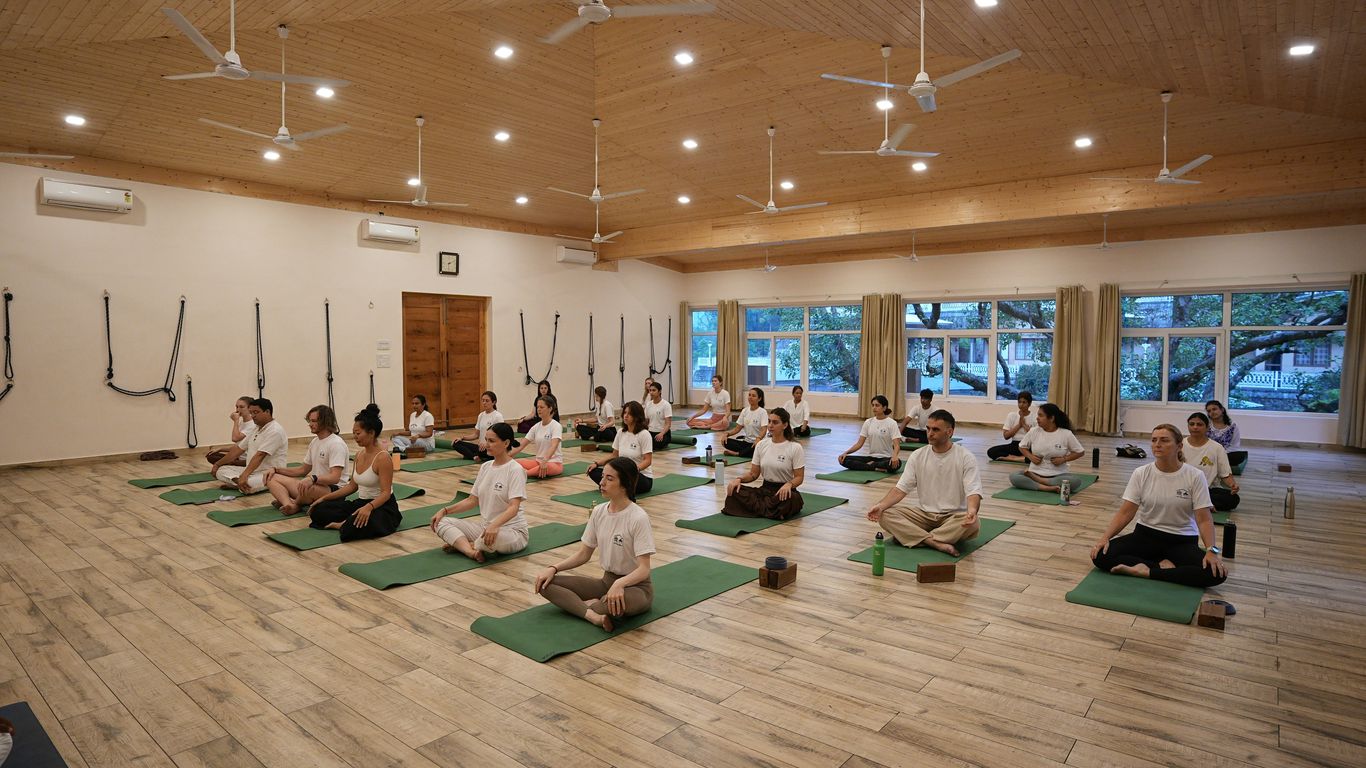
So, you're thinking about becoming a yoga instructor. That's awesome! But before you jump into signing up for just any training program, it's a really good idea to pause and think about what you actually want out of this whole experience. It’s not just about learning a few poses and how to cue them. This is a journey, and knowing your destination makes the trip a lot smoother.
Defining Your 'Why' for Teaching Yoga
Why do you want to teach yoga? Seriously, take a moment and ask yourself. Is it because you love how yoga makes you feel and want to share that? Maybe you're looking for a career change that feels more meaningful. Or perhaps you've experienced a personal transformation through yoga and feel called to guide others on their own paths. Whatever it is, getting clear on your core motivation is the first step. It's like setting your intention before you even step onto the mat. This 'why' will be your compass when things get challenging, and trust me, there will be challenges.
- Personal Fulfillment: Sharing a practice that has positively impacted your life.
- Career Change: Seeking a profession that aligns with your values and well-being.
- Community Building: Creating a space for others to connect and grow.
- Deeper Self-Exploration: Using teaching as a way to learn more about yourself and yoga.
Your personal 'why' is the fuel that will keep you going when you're tired or facing self-doubt. It's the anchor that keeps your teaching authentic.
Aligning Training with Personal and Professional Aspirations
Once you know your 'why,' you can start looking at training programs that fit. Think about your life right now. Do you need a program that's flexible because you're still working full-time? Are you looking to teach a specific style of yoga, like Vinyasa or Hatha? Or maybe you're interested in the therapeutic side of yoga. The training should support your current life situation and help you move towards your future goals, whether that's teaching at a local studio, leading workshops, or even opening your own space someday.
Exploring Different Program Intents
Not all yoga teacher trainings are created equal. Some are very focused on the business of teaching and getting you ready to work professionally as quickly as possible. Others are more about personal growth and spiritual exploration, with less emphasis on the practicalities of leading a class. Then there are programs that feel more like a retreat, offering an immersive experience but perhaps less structured preparation for teaching.
Here's a quick look at common program focuses:
| Program Focus | Primary Goal | Best For |
|---|---|---|
| Vocational | Prepare for professional teaching | Those aiming for a career in yoga instruction. |
| Personal Growth | Deepen personal practice and self-awareness | Individuals seeking self-discovery and a richer personal yoga journey. |
| Spiritual Exploration | Explore yoga philosophy and spiritual aspects | Those drawn to the deeper, philosophical, and meditative sides of yoga. |
| Retreat Style | Immersive experience, often in a beautiful location | People wanting an intensive, transformative experience, less focused on career. |
Choosing a program that matches your intent means you're more likely to feel satisfied with your training and come out feeling prepared for what you set out to achieve.
Key Criteria for Selecting a Train Yoga Teacher Program
So, you've decided to take the plunge and become a yoga instructor. That's awesome! But before you start dreaming of leading sun salutations, you've got to pick the right training program. It's a big decision, and honestly, there are a ton of options out there. It can feel a little overwhelming, like trying to find a specific pose in a crowded studio. Let's break down what really matters when you're looking at different schools and programs.
Evaluating the Curriculum and Core Subjects
Think of the curriculum as the blueprint for your teaching journey. A solid program will cover the basics, but also go a bit deeper. You'll want to see anatomy and physiology – understanding how the body works is pretty important for teaching safely. Then there's the actual 'how-to' of teaching, often called teaching methodology. This is where you learn about sequencing poses, cueing students, and adapting for different levels. Don't forget philosophy and ethics; these parts help you understand the 'why' behind yoga and how to be a responsible teacher. Some programs might also include business skills, which can be super helpful if you plan to teach professionally.
Here's a quick checklist for the curriculum:
- Anatomy & Physiology: How the body moves and functions.
- Asana (Postures): Proper alignment, modifications, and benefits.
- Pranayama (Breathwork): Techniques and their effects.
- Yoga Philosophy & Ethics: The history, principles, and responsible conduct.
- Teaching Methodology: Sequencing, cueing, and class management.
- Practicum/Practice Teaching: Hands-on experience leading classes.
Assessing the Expertise of the Teaching Faculty
Who are you learning from? The teachers are the heart of any training program. Look for instructors who have not only completed their own training but have also been teaching for a good while. Their real-world experience is gold. It's one thing to know the material; it's another to know how to guide a room full of people. Check out their bios if they're available. Do they seem passionate? Do they have a teaching style that resonates with you? Sometimes, a program might have a lead trainer who's amazing, but the other guest teachers are less experienced. Try to get a feel for the whole team.
Considering Class Size and Personalized Attention
This is a big one, especially when you're learning to teach. Imagine trying to get feedback on your downward dog when there are 50 other people in the room. It's tough. Smaller class sizes, generally under 20 students, mean you're more likely to get individual attention. Your instructors can actually watch you teach, give you specific pointers, and answer your questions without feeling rushed. This personalized feedback is what helps you grow and build confidence as a teacher. It's not just about absorbing information; it's about practicing and refining your skills with guidance.
Seeking Reviews and Recommendations from Past Students
Don't underestimate the power of word-of-mouth, even in the digital age. Look for online reviews, testimonials, or even ask around in your local yoga community. If you know other yoga teachers, ask them where they trained and what their experience was like. A program with consistently positive feedback is usually a good sign. Be a little skeptical of programs that have only glowing reviews – sometimes that can be a bit manufactured. Look for honest feedback, both the good and the constructive. It gives you a more realistic picture of what to expect.
Choosing the right training program is like picking the right foundation for a house. It needs to be strong, stable, and suited to the kind of structure you want to build on top of it. Take your time, do your homework, and trust your gut feeling.
Accreditation and Recognition in Yoga Teacher Training
So, you've decided to become a yoga instructor. That's fantastic! But before you sign up for just any program, let's talk about something really important: accreditation and recognition. It's not just about getting a certificate; it's about making sure your training is taken seriously by studios and students alike. Think of it like getting a degree from a well-known university versus one from a place nobody's ever heard of. The training itself might be good, but the recognition matters.
The Role of Yoga Alliance in Setting Standards
When you start looking into yoga teacher training, you'll hear the name Yoga Alliance a lot. They're basically the big player in setting standards for yoga teacher training programs worldwide. Their goal is to make sure that when you complete a program registered with them, you've received a solid education. This includes things like how to teach safely, understanding yoga philosophy, and knowing your anatomy. It's a way to bring some consistency to the field, which can be a bit of a wild west otherwise.
Understanding Registered Yoga School (RYS) Status
Many schools that offer yoga teacher training want to be recognized by Yoga Alliance. When a school meets Yoga Alliance's standards, it becomes a Registered Yoga School, or RYS. This means their curriculum, their teachers, and their overall program have been reviewed and approved. Completing a training at an RYS is a big deal because it means your certificate will likely be accepted by employers and other yoga organizations. It's a stamp of approval, so to speak. You can find a list of these schools on the Yoga Alliance website.
Benefits of Yoga Alliance Registration for Instructors
Once you finish your training at an RYS, you can then register yourself with Yoga Alliance as a Registered Yoga Teacher (RYT). This isn't a requirement to teach yoga, but it's highly recommended. Here's why:
- Credibility: It shows potential employers and students that you've completed a training that meets established standards.
- Wider Opportunities: Many yoga studios and fitness centers prefer or even require their instructors to be registered with Yoga Alliance. This can open doors to more job possibilities.
- Community: Being registered connects you to a larger community of yoga professionals, offering networking and ongoing learning opportunities.
It's important to remember that while Yoga Alliance sets a benchmark, the quality of your personal learning experience also depends heavily on the specific school and instructors you choose. Always do your homework on the school itself, not just its registration status.
Here's a quick look at some common registration levels:
| Designation | Minimum Training Hours | Description |
|---|---|---|
| RYT 200 | 200 | Foundational training for new teachers. |
| RYT 500 | 500 | Advanced training for deeper knowledge. |
Choosing a program that is an RYS is a smart move for anyone serious about a career in teaching yoga.
Exploring Specializations in Your Yoga Training
So, you've decided to become a yoga instructor. That's fantastic! Now, as you look at different teacher training programs, you'll notice they aren't all the same. Some programs give you a broad overview of yoga, while others really focus in on a specific style. This is where specializations come into play.
Deepening Practice with Specific Yoga Styles
Think of your 200-hour training as your foundation. It covers the basics: anatomy, philosophy, how to cue poses, and the ethics of teaching. But yoga is a huge practice, with many different flavors. Maybe you've fallen in love with the flowing, dance-like movements of Vinyasa, or perhaps you prefer the slower, more meditative pace of Yin yoga. Specializing allows you to go deeper into the styles that truly speak to you. It's like choosing a major in college – you get the general education, but then you focus on what you're passionate about.
Choosing a 200-Hour Program with a Focused Approach
Many 200-hour programs are designed to give you a taste of various styles. However, some programs are built around a specific type of yoga from the start. For example, you might find a 200-hour Hatha-focused training or one that centers on Ashtanga. If you know you want to teach a particular style, looking for a program with that focus can be a smart move. It means you'll spend more time practicing and learning the nuances of that style, rather than trying to cover too much ground.
Identifying Common Yoga Specializations
There are quite a few popular styles that teacher training programs often focus on. Here are some of the most common ones you'll see:
- Vinyasa: This is all about linking breath with movement, creating a fluid, dynamic practice. If you like to move and flow, this might be for you.
- Hatha: Generally a bit slower-paced, Hatha focuses on holding poses and getting the alignment just right. It's a great way to build strength and body awareness.
- Ashtanga: This style follows a set sequence of poses, practiced in the same order every time. It's physically demanding and builds discipline.
- Restorative: If deep relaxation is your goal, Restorative yoga uses props to support the body in gentle poses for extended periods. It's very calming.
- Yin: Similar to Restorative in its slowness, Yin yoga targets the deep connective tissues like ligaments and fascia. It's held for longer periods, often with a meditative quality.
- Prenatal: This is specifically designed for expecting mothers, focusing on poses that are safe and beneficial during pregnancy.
Choosing a specialization isn't just about what you like to practice; it's also about who you want to teach. If you're drawn to working with a specific group, like pregnant people or athletes, finding a training that aligns with that can set you up for success.
By picking a training that aligns with your interests, you'll not only deepen your own practice but also gain the confidence and knowledge to share that specific style with others effectively. It helps you find your niche in the growing world of yoga instruction.
The Importance of a Strong Personal Practice
Before you even think about standing in front of a class and guiding others through poses, you need to have your own yoga practice dialed in. This isn't just about being able to do a fancy headstand; it's about building a solid foundation for yourself. Think of it like learning to cook – you wouldn't open a restaurant without knowing how to make a decent meal yourself, right? Yoga teacher training is about deepening your knowledge and learning to share it, but that sharing starts with your own experience.
Building a Foundation Before Teacher Training
Many people get drawn to yoga for the physical benefits – feeling stronger, more flexible, less stressed. That's great! But yoga is so much more than just the poses. It's a whole system for living. To really teach it, you need to have spent time exploring these other parts on your own. This means showing up on your mat regularly, even when you don't feel like it. It's about developing that inner discipline, that commitment to yourself and your practice. Without this personal groundwork, the training can feel superficial, and you might struggle to connect with the deeper aspects of yoga.
Developing Mindfulness On and Off the Mat
Your personal practice is where you learn to truly be present. It's where you notice the subtle shifts in your body, the patterns in your thoughts, and the way you react to challenges. This self-awareness is what you'll eventually bring to your students. When you're not just going through the motions but are actually paying attention, you start to understand what it feels like to be in your body, to breathe deeply, and to find stillness. This mindful approach isn't just for your mat time; it spills over into your daily life, helping you become more patient, more aware, and more grounded.
Setting Personal Practice Goals
Think about what you want to get out of your own yoga journey. Maybe you want to improve your balance, or perhaps you're looking to explore meditation more deeply. Setting clear goals for your personal practice gives you direction and motivation. It helps you stay committed, especially when life gets busy. It's not about perfection, but about consistent effort and self-discovery. Your personal practice is your laboratory, where you experiment, learn, and grow. What you discover on your own mat will directly inform how you show up as a teacher.
The journey to becoming a yoga teacher is as much about your own inner work as it is about learning teaching techniques. Your personal practice is the bedrock upon which your teaching will be built. It's where you cultivate the qualities you'll eventually share with others: patience, presence, and a deep connection to yourself.
Navigating Program Formats and Delivery Methods

So, you're ready to become a yoga instructor, but now you're faced with a big decision: how do you want to learn? The way a yoga teacher training program is delivered can make a huge difference in your experience and how well you absorb the material. It's not just about the content; it's about the container.
In-Person vs. Online Yoga Teacher Training
For a long time, the only real option was to go to a studio. In-person training means you're physically present, usually for a set number of weeks or weekends. You get that immediate feedback, the hands-on adjustments from teachers, and the built-in community of classmates. It's a very immersive experience. Think of it like learning to cook in a professional kitchen versus following a recipe book at home. You're right there, feeling the heat, smelling the ingredients, and getting direct guidance.
Online training, on the other hand, has exploded in popularity. It offers incredible flexibility. You can study from your couch, on your lunch break, or even while traveling. This is a big deal if you have a job, family, or live far from a training center. Many online programs use a mix of pre-recorded lessons you can watch anytime and live video sessions where you can interact with teachers and fellow students. It requires a good dose of self-discipline, though. You have to be the one to show up, do the work, and stay motivated without a physical classroom pulling you in.
The Value of Hybrid Programs with Live Sessions
Hybrid programs try to give you the best of both worlds. They often combine online learning with intensive in-person retreats or workshops. You might do most of your coursework online, but then you'll gather with your group for a week or two to practice teaching, get hands-on adjustments, and really bond. This format can be a sweet spot for many people. It gives you the flexibility of online study but still provides that crucial in-person connection and practical teaching experience. Schools like School Yoga Institute have been doing this for years, offering various formats to suit different needs.
Self-Discipline and Choosing the Right Format
Ultimately, the best format for you depends on your personality and your life circumstances. If you thrive on structure and direct interaction, an in-person program might be your best bet. If you need flexibility and are good at managing your own time, online or hybrid could work wonderfully.
Here are a few things to consider when making your choice:
- Your learning style: Do you learn best by doing, watching, or reading?
- Your schedule: How much dedicated time can you realistically commit?
- Your budget: In-person programs often come with travel and accommodation costs.
- Your need for community: How important is that in-person connection with peers and instructors to you?
Choosing the right format isn't just about convenience; it's about setting yourself up for success. A program that fits your life and learning style will make the journey to becoming a yoga teacher much smoother and more enjoyable. Don't underestimate the power of self-discipline, especially with online options, but also don't discount the unique benefits of in-person interaction.
When looking at programs, pay attention to how they structure their live sessions, whether online or in-person. Are there opportunities for practice teaching with feedback? Do they offer mentorship or community forums to help you stay connected and accountable? These elements are key, no matter the format. Remember, the goal is to become a confident and capable yoga instructor, and the training program you choose plays a big role in that.
Beyond Certification: Continuous Growth as a Yoga Teacher
So, you've done it. You've completed your teacher training, earned your certification, and maybe even started leading classes. That's fantastic! But here's the thing: getting certified isn't the finish line; it's more like the starting gate. Yoga is a lifelong practice, and teaching it means you're committing to a path of continuous learning.
Understanding the Difference Between Certification and Registration
It's easy to get these two terms mixed up, but they mean different things. Certification is what your specific training program gives you. It means you've met their requirements to teach. Registration, like with Yoga Alliance, is a separate step. It's a way to show you've completed a training that meets certain standards and that you're committed to ongoing education. Think of certification as your diploma and registration as your professional license – they work together.
The Ongoing Learning Process in Yoga Teaching
Yoga itself is always evolving, and so should your teaching. The world of yoga isn't static. New research comes out about anatomy and movement, and different approaches to teaching emerge. Plus, your students will bring their own unique experiences and needs to your classes. Staying curious and open to learning is key.
- Attend workshops and retreats: These are great ways to learn from different teachers and explore new styles or specific topics like anatomy or philosophy.
- Read books and articles: Keep up with yoga literature, both classic texts and modern interpretations.
- Seek out mentorship: Connect with more experienced teachers who can offer guidance and feedback.
- Practice, practice, practice: Your own personal practice is your greatest teacher. Make time for it, even when life gets busy.
Developing Skills for Modern Yoga Instruction
Teaching yoga today involves more than just knowing poses. You'll want to develop skills that help you connect with students and run your teaching practice smoothly. This could mean learning how to:
- Adapt your teaching: Be ready to modify poses for different bodies, injuries, or experience levels. Not everyone can do a handstand, and that's okay!
- Communicate clearly: Use simple, direct language to guide students safely and effectively.
- Understand basic business principles: If you're freelancing or running your own classes, knowing how to market yourself, manage finances, and handle scheduling is helpful.
- Build a community: Create a welcoming space where students feel supported and connected.
The most effective yoga teachers are those who remain students themselves. They understand that their journey of learning is as important as the knowledge they share. This humility and dedication to personal growth allow them to offer authentic and impactful guidance to their students, creating a ripple effect of well-being both on and off the mat.
Your Yoga Teaching Journey Begins Now
So, you've read through all this, and you're probably feeling a mix of excited and maybe a little overwhelmed. That's totally normal! Picking the right yoga teacher training program is a big step, but it's also the first step on a really rewarding path. Remember to think about what you want to get out of it, check out the teachers and what they cover, and don't be afraid to ask questions. Once you find that program that just feels right for you, go for it! This isn't just about getting a certificate; it's about deepening your own practice and getting ready to share the good stuff with others. It’s the start of something pretty special.
Frequently Asked Questions
What is a yoga teacher training program?
A yoga teacher training program is a course that teaches you everything you need to know to become a yoga instructor. It covers things like how yoga works for the body (anatomy), the history and ideas behind yoga (philosophy), how to teach classes, and how to act ethically. Most programs are 200 hours long, and you'll get to practice teaching and get feedback.
Why is getting certified as a yoga teacher important?
Getting certified shows that you've learned the basics of teaching yoga the right way. It makes you more believable to students and yoga studios. It also helps you learn in a structured way, grow as a person, and meet other people who love yoga.
What's the difference between certification and registration?
Certification means you've finished a training program and learned how to teach. Registration, like with Yoga Alliance, is like joining a professional group. It shows you meet certain standards and can open up more job opportunities, though it's not always required to teach.
Should I have my own yoga practice before teacher training?
Yes, it's a really good idea! Having a regular yoga practice helps you understand the poses and how they feel in your body. It's like building a strong base before you start teaching others. It also helps you be more mindful, which is important on and off the mat.
What is Yoga Alliance and why should I care about it?
Yoga Alliance is a big organization that sets standards for yoga schools and teachers. Many yoga studios look for teachers who have trained at schools recognized by Yoga Alliance. Getting certified through a registered school makes your training more widely accepted.
Can I do yoga teacher training online?
Yes, you can! There are online, in-person, and even hybrid programs. Online training offers flexibility, but make sure it includes live sessions and chances to practice teaching. If you find it hard to stay motivated, an in-person class might be a better fit for you.


