

Master the Bikram Yoga 26 Poses with Our Comprehensive PDF Guide
So, you're curious about the Bikram Yoga 26 poses? It's a pretty intense sequence, done in a hot room, and people swear by it. If you've been thinking about trying it, or maybe you've been going for a while and want to get a better handle on each move, you're in the right place. We've put together a guide to help you understand all 26 poses, plus a handy PDF you can download. It's all about making this practice work for you, safely and effectively.
Key Takeaways
- The Bikram Yoga 26 poses sequence is a set routine performed in a heated room, designed to work the entire body.
- Understanding the correct alignment for each of the 26 poses is important for safety and getting the most benefit.
- Practicing the Bikram Yoga 26 poses can lead to improvements in physical strength, flexibility, and mental focus.
- Modifications exist for many poses, making the practice accessible to different body types and experience levels.
- A downloadable bikram yoga 26 poses pdf guide offers detailed instructions and tips for your personal practice.
Understanding The Bikram Yoga 26 Poses Sequence
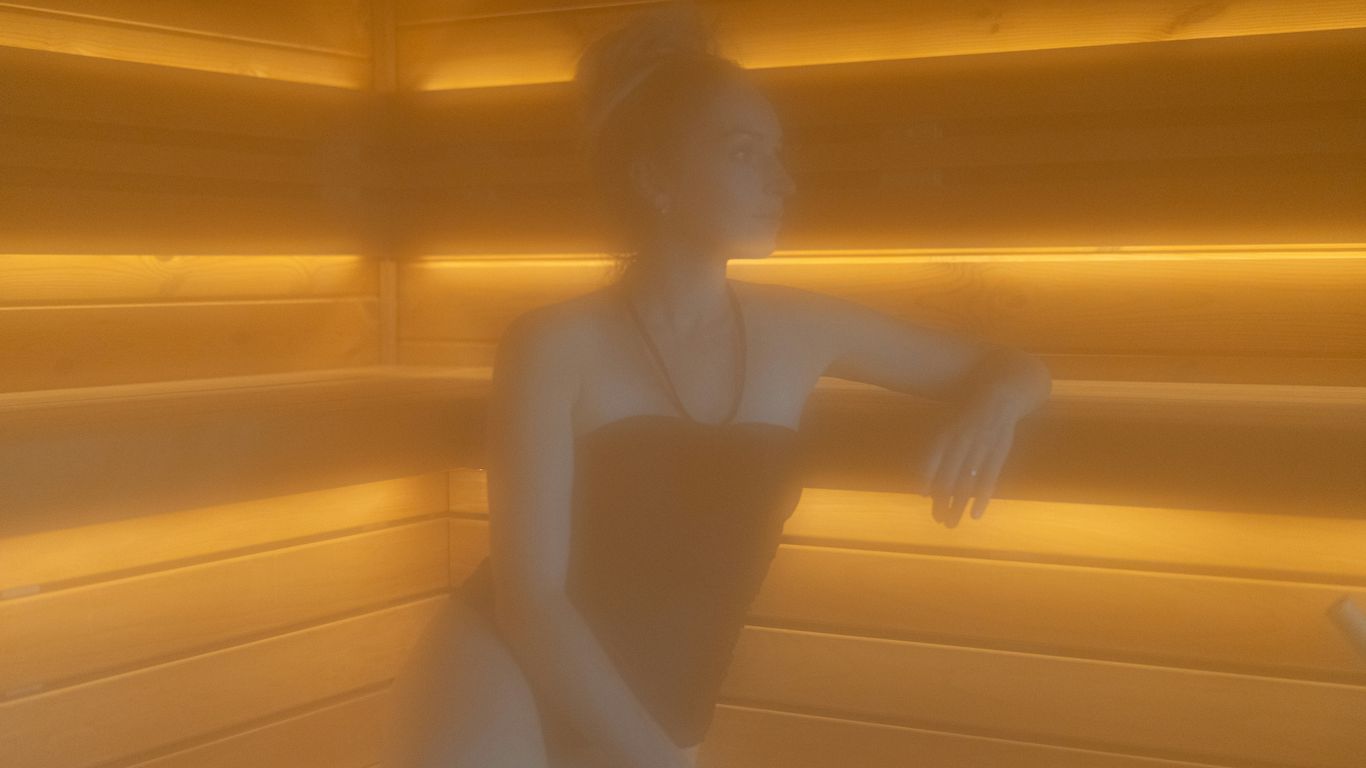
So, you're curious about the Bikram Yoga 26 poses, huh? It's a pretty specific sequence, and that's kind of the point. Developed by Bikram Choudhury, this series, often called the '26 and 2', is always done the same way, in the same order, and in a room that's heated to about 105 degrees Fahrenheit with 40% humidity. It’s not just about sweating it out, though that definitely happens. The whole idea is to systematically work your entire body, from your toes to your mind.
The Foundation Of The 26 And 2 Series
The 26 poses and two breathing exercises are like a carefully crafted workout. Each movement is designed to prepare you for the next, building on what you just did. It’s a set sequence, so you know exactly what to expect, which can be really comforting when you're just starting out or feeling a bit overwhelmed. This consistency means you can really focus on your own body and how you’re feeling in each pose, rather than worrying about what’s coming next.
Benefits Of A Consistent Bikram Practice
Sticking with Bikram yoga can bring some noticeable changes. People often talk about feeling stronger, more flexible, and just generally more aware of their bodies. It’s not just physical, either. That intense focus required in the hot room can really clear your head. Plus, showing up regularly, even when you don't feel like it, builds a kind of mental toughness.
Here are a few things people often notice:
- Improved posture
- Better balance
- Increased stamina
- A calmer mind
- More self-discipline
The Heated Room Environment
Okay, let's talk about the heat. It's a big part of Bikram. The idea is that the heat helps your muscles warm up faster, allowing you to stretch deeper and more safely. It also makes you sweat, a lot. This can feel intense, especially at first, but many practitioners find it helps them detoxify and feel invigorated afterward. It’s definitely an experience, and it’s what makes Bikram yoga stand out.
The heat and the specific sequence work together. It's not just random; it's a system designed to challenge and change you, both inside and out. You learn to work with the heat, not against it, and that's a big part of the practice.
Mastering Each Of The Bikram Yoga 26 Poses
Standing Poses: Building Strength And Stability
The Bikram sequence kicks off with a series of standing poses designed to build a solid foundation. These aren't just about holding a shape; they're about connecting with your body, finding your center, and preparing for the deeper work ahead. You'll work on building strength in your legs and core, improving your balance, and learning to breathe with intention even when things feel challenging. The Standing Bow Pose, for instance, is a fantastic way to open up the chest and shoulders while simultaneously strengthening the legs and improving posture. It might feel awkward at first, but with consistent practice, you'll notice a real difference in your stability, both on and off the mat.
Here's a look at some key standing poses and what to focus on:
- Half Moon Pose with Hands to Feet: Focus on hinging from the hips, keeping your spine long, and reaching both up and down. This pose works on flexibility in the hamstrings and spine.
- Eagle Pose: This is a great one for concentration. Wrap your limbs tightly, find a focal point, and breathe. It builds strength in the ankles and calves and improves focus.
- Standing Head to Knee Pose: A deep hamstring and spine stretch. Keep your standing leg strong and hinge from the hips, not just bending the back.
Remember, the heat in the room is there to help your muscles relax and lengthen. Don't push too hard, especially when you're new. Listen to your body and work within your limits.
Balancing Poses: Cultivating Focus And Poise
Balance is a skill that translates directly into everyday life. In Bikram, the balancing poses are where you really learn to quiet the mind and find stillness. It's not about never wobbling; it's about how you recover from the wobble. These poses challenge your proprioception – your body's awareness of its position in space – and demand a high level of concentration. Holding steady in poses like Tree Pose or King Dancer Pose requires a steady gaze, controlled breathing, and engaged core muscles.
Seated Poses: Enhancing Flexibility And Release
Once you've built heat and stability with the standing series, the seated poses move into deeper stretching and release. This is where you'll really start to feel your muscles lengthening and your joints opening up. Poses like the Cobra Pose and Locust Pose, while not strictly seated, are often practiced after the standing series and before the seated ones, working the spine. The seated poses themselves, such as the Rabbit Pose and Head-to-Knee Forward Bend, target the hamstrings, hips, and spine, encouraging a release of tension that can be held for years.
Prone And Supine Poses: Deepening The Practice
The final section of the Bikram sequence involves lying on your stomach (prone) and back (supine). These poses are about consolidation and deepening the effects of the earlier postures. They allow your body to integrate the work it's done, promoting relaxation and recovery. Poses like the Cobra and Locust work to strengthen the back muscles, while the final relaxation pose, Savasana, is where you absorb all the benefits of the practice. It's a crucial part of the sequence, allowing your nervous system to calm down and your body to repair.
| Pose Category | Key Focus Areas |
|---|---|
| Standing | Strength, Balance, Stability, Concentration |
| Seated | Flexibility, Hip Opening, Spine Lengthening |
| Prone & Supine | Spinal Strength, Relaxation, Integration |
Achieving Optimal Alignment In The Bikram Yoga 26 Poses
Getting the poses right isn't just about looking good; it's about making sure you're getting the most benefit without hurting yourself. In Bikram's 26-pose sequence, every posture builds on the last, and proper alignment is key to unlocking its full potential. It's like building a house – you need a solid foundation for everything else to stand strong.
Key Alignment Cues For Each Pose
Each of the 26 poses has specific instructions to help you get into the right position. These aren't just random suggestions; they're designed to target specific muscles and joints. For example, in Standing Deep Breathing, it's not just about breathing; it's about engaging your core and lifting your chest to create space. In Half Moon Pose, the focus is on creating a straight line from your heel to your fingertips, engaging your core to support your spine. Paying attention to these details makes a huge difference.
Common Mistakes And How To Correct Them
We all make mistakes, especially when we're new to a practice. A common slip-up in poses like Standing Separate Leg Head to Knee is rounding the back instead of hinging from the hips. This can put a lot of strain on your lower back. The fix? Focus on keeping your spine long and initiating the fold from your hip joints. Another frequent issue is not engaging the right muscles in poses like the Sit-Up, which can turn a beneficial core exercise into something that stresses your back. Learning to engage your abdominal muscles properly is vital. It's also important to understand how to protect your back in poses like Standing Separate Leg Intense Stretch; finding the right foot distance can minimize injury risk.
Modifications For Different Body Types
Not everyone's body is built the same, and that's perfectly okay. Bikram Yoga acknowledges this. For instance, if you have tight hamstrings, you might find it challenging to touch your toes in poses like Hands to Feet. Instead of forcing it, focus on hinging from your hips and keeping your spine straight. You can also bend your knees slightly. For balancing poses like Toe Stand, there are often multiple ways to enter the final position, depending on your body's natural geometry. The goal is to find a variation that works for your body while still getting the intended stretch and strength.
The heat in the room is a tool, not a crutch. It helps your muscles relax, allowing for a deeper stretch, but it's your focus and precise movements that truly create the change. Don't rely solely on the temperature to do the work for you; actively engage your muscles and follow the alignment cues.
It's also worth noting that consistent practice can help improve bone density over time, which is a fantastic benefit for overall health. You can explore specific poses that are known to support bone health yoga poses.
Here's a quick look at some common alignment points:
- Standing Poses: Focus on grounding through your feet, engaging your leg muscles, and keeping your spine long. Think about drawing energy up from the earth.
- Balancing Poses: Engage your core for stability, find a steady focal point (drishti), and breathe steadily. Even small adjustments can make a big difference.
- Seated Poses: Hinge from the hips rather than rounding the spine. Keep your back straight to maximize the stretch in your hamstrings and lower back.
- Prone & Supine Poses: Engage your core to support your spine, especially in poses like the Cobra or Locust. In Savasana, focus on releasing tension from your entire body.
Remember, the journey to perfect alignment is ongoing. Be patient with yourself, listen to your body, and celebrate the progress you make with each practice.
The Transformative Benefits Of The Bikram Yoga 26 Poses
Physical Enhancements: Strength, Flexibility, And More
Practicing the Bikram Yoga 26 poses regularly can really change your body. You'll notice your muscles getting stronger and more toned, not just the big ones, but the smaller ones too. It's like a full-body workout that targets everything. Your joints will feel looser, and you'll be able to move through a wider range of motion. This can make everyday activities feel easier. Plus, the consistent effort helps improve your posture, making you stand taller and feel more balanced. It's not just about looking better; it's about feeling more capable in your own skin.
Mental Clarity And Stress Reduction
Beyond the physical stuff, this yoga sequence does wonders for your mind. The focus required for each pose, especially in the heat, trains your brain to stay present. This can lead to a noticeable drop in stress and anxiety levels. You might find yourself thinking more clearly and being able to concentrate better on tasks outside of the yoga room. It's like hitting a reset button for your brain, helping you deal with daily pressures more calmly.
Emotional Well-being And Self-Awareness
There's a real connection between what you feel physically and emotionally, and Bikram Yoga taps into that. As you push your limits and overcome challenges in the poses, you build a quiet confidence. You start to understand your body's signals better and become more aware of your own thoughts and feelings without judgment. This journey inward can lead to a greater sense of self-acceptance and emotional balance. It's a path to feeling more grounded and in tune with yourself.
The heat and the structured sequence work together to create a unique environment for self-discovery. It's not just about holding a pose; it's about observing your reactions, your breath, and your mental state throughout the process. This mindful observation is where the real transformation begins, extending far beyond the yoga mat into your daily life.
Your Comprehensive Bikram Yoga 26 Poses PDF Guide
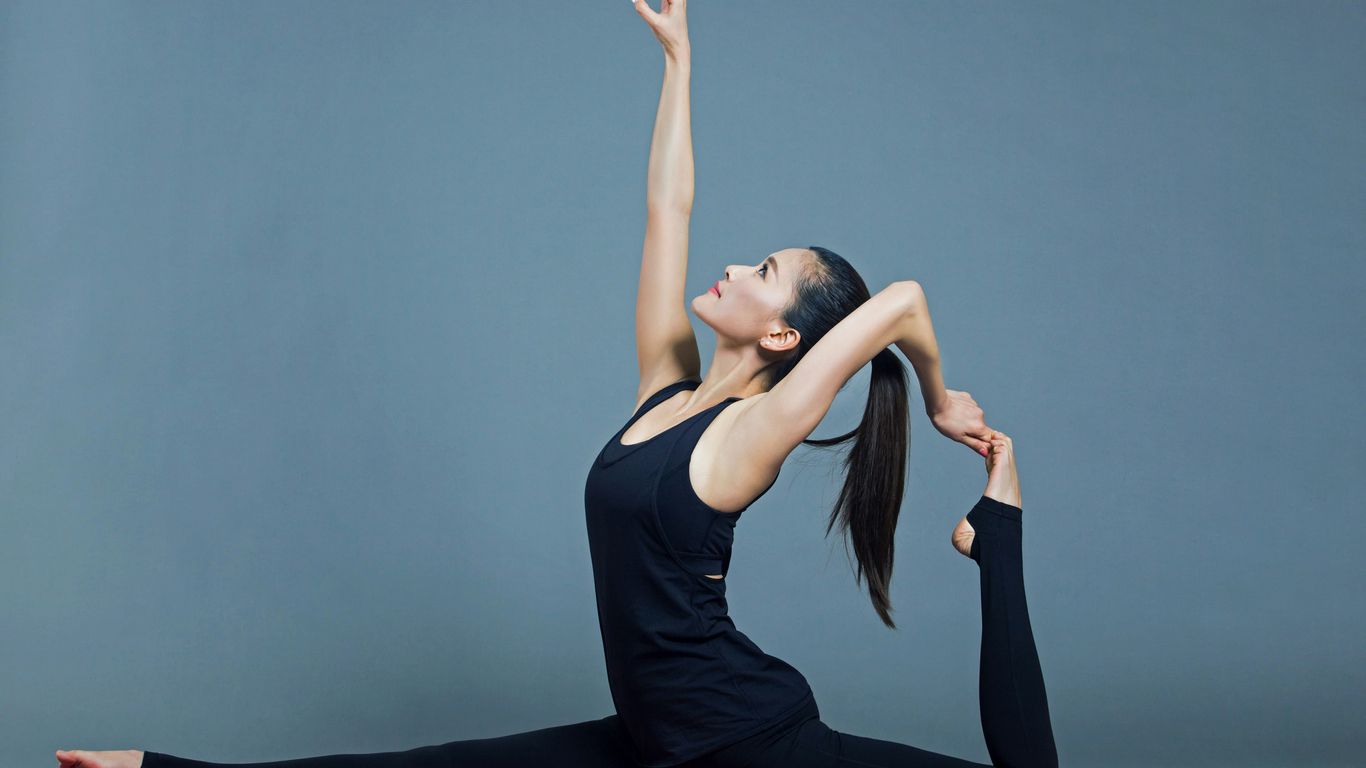
So, you've been practicing the Bikram 26 poses, and maybe you're feeling pretty good about it. But let's be real, remembering all the little details for each pose can be a challenge, right? That's where this PDF guide comes in. It's designed to be your go-to reference, packed with everything you need to really nail each posture. Think of it as your personal yoga coach, available anytime you need it.
We've broken down each of the 26 poses, plus the two breathing exercises, into simple, easy-to-follow steps. You'll find clear instructions on how to get into the pose, what to focus on while you're in it, and how to come out safely. We've also included common mistakes people make and how to fix them, because we've all been there, struggling with a pose that just doesn't feel right.
Here's a peek at what you'll find inside:
- Detailed Pose Breakdowns: We go through each of the 26 poses and 2 breathing exercises, explaining the setup, alignment, and benefits. No more guessing if you're doing it right.
- Alignment Cues: Specific tips for each pose to help you find the correct form and get the most out of your practice. We're talking about things like where to place your feet, how to engage your core, and where to direct your gaze.
- Modification Suggestions: Not every body is the same, and that's okay! We offer ways to adjust poses so they work for you, whether you're super flexible or still working on your range of motion.
- Safety Tips: Practicing in a heated room requires extra care. We've included advice on staying hydrated, listening to your body, and avoiding common pitfalls.
This guide isn't just about memorizing poses; it's about building a deeper connection with your body and the practice itself. It’s about understanding the 'why' behind each movement and breath, making your time on the mat more meaningful and effective.
We've also put together a quick reference table for some of the key poses, highlighting their primary focus and a common challenge:
| Pose Name | Primary Focus | Common Challenge |
|---|---|---|
| Standing Head to Knee Pose | Hamstring Flexibility | Locking knees |
| Camel Pose | Spinal Extension | Neck strain |
| Locust Pose | Back Strength | Lower back compression |
| Rabbit Pose | Spinal Flexion | Over-rounding the back |
Download this PDF guide today and take your Bikram practice to the next level. It's the perfect companion for your yoga mat, whether you're at home or in the studio.
Keep Practicing!
So, there you have it. We've walked through all 26 Bikram poses, and hopefully, you're feeling a bit more confident about them. Remember, this isn't about being perfect right away. It's about showing up, trying your best, and noticing how your body feels. Grab that PDF guide we made – it's super handy to have with you. Keep practicing these poses, listen to your body, and you'll start to see and feel the changes. Happy stretching!
Frequently Asked Questions
What exactly is Bikram Yoga?
Bikram Yoga is a special kind of hot yoga. It always includes the same 26 poses and two breathing exercises. You do them in a room that's heated up, usually to 105 degrees Fahrenheit with 40% humidity. It's a set series, so every class is pretty much the same, which helps you get really good at each pose.
Is Bikram Yoga good for beginners?
Yes, Bikram Yoga can be great for beginners, but it's a challenging workout. The heated room and the specific sequence can be a lot at first. It's important to listen to your body, stay hydrated, and not push yourself too hard in the beginning. Many people find that even though it's tough, they see improvements quickly.
What are the main benefits of practicing the 26 poses?
Practicing these 26 poses regularly can make your body stronger and more flexible. It can also help you focus better, feel calmer, and become more aware of yourself. People often notice they stand taller, feel less stressed, and have more energy. It's like a full-body and mind workout.
Do I need any special equipment for Bikram Yoga?
You'll need a yoga mat, a towel to wipe off sweat (because you will sweat a lot!), and a water bottle to stay hydrated. Some people like to wear a second towel to put under their mat to catch extra sweat. Wear comfortable, breathable clothing that you can move in easily.
How often should I practice Bikram Yoga?
To really see the benefits, practicing Bikram Yoga a few times a week is recommended. Consistency is key. Many people practice daily or every other day, especially when they are starting out or training for something. However, always give your body time to rest and recover between classes.
What if I can't do a pose perfectly?
That's totally normal! Nobody gets every pose perfect right away, or even after years of practice. The goal isn't perfection, but effort and consistency. The sequence is designed to help you improve over time. Don't compare yourself to others. Just focus on doing your best in each pose, and your teacher can offer modifications to help.

