A comprehensive guide to teaching yoga for new and experienced instructors
Key Takeaways
- Finding a personal teaching style helps you establish a genuine, lasting connection with your students.
- Intelligent sequencing paired with adaptable modifications ensures your classes remain safe and accessible for all bodies.
- Clear, direct verbal cues are more effective than overly complicated alignment instructions during dynamic transitions.
- Diversifying your income through studio roles, outdoor events, and digital classes builds a more resilient career.
- Maintaining high ethical standards, clear boundaries, and continuing education preserves the integrity of the practice.
Preparing for your first class
Stepping into the role of a guide demands preparation that goes far beyond committing a sequence to memory. The early stages of designing your class structure shape how students perceive their time on the mat. To establish a welcoming atmosphere, every decision—from your opening remarks to the way you lay out the room—should prioritize the comfort and safety of those in attendance.
Identifying your niche and personal teaching style
Finding your unique voice in a crowded wellness landscape requires honest self-reflection. Instead of replicating the persona of your own favorite instructors, examine what elements of the practice truly resonate with your personal routine. When you let your lived experience guide your words, your instruction becomes more natural and relatable. Many new teachers struggle with post-training overwhelm, doubting if they know enough to lead others. Overcoming these initial confidence hurdles is key, and resources like this guide on overcoming imposter syndrome can help you build trust in your own knowledge as you start your path.
Sequencing your class for diverse skill levels
Sequencing is the architecture of a yoga class, requiring a logical flow from quiet centering to active peak poses, followed by a cool-down. Designing a class for mixed abilities means offering clear layers for every major posture so that nobody feels left behind or dangerously pushed. Beginners need physical benchmarks that prioritize stability, while advanced students crave deeper engagement. A great sequence does not rely on complex choreography; rather, it uses simple, progressive patterns that allow participants of all backgrounds to explore their range safely.
Creating a safe and welcoming studio environment
Before students flow through physical postures, they must feel mentally secure in your space. This begins with spatial arrangement, clear pathways for movement, and an intuitive alignment of props. Even the lighting and decor choices, such as using warm, non-glaring table lamps in the check-in area rather than harsh overhead fluorescent bulbs, can immediately lower heart rates and signaling a transition into mindfulness. By establishing an organized, beautifully lit space, you build an environment where students feel safe to challenge themselves.
Foundational teaching techniques
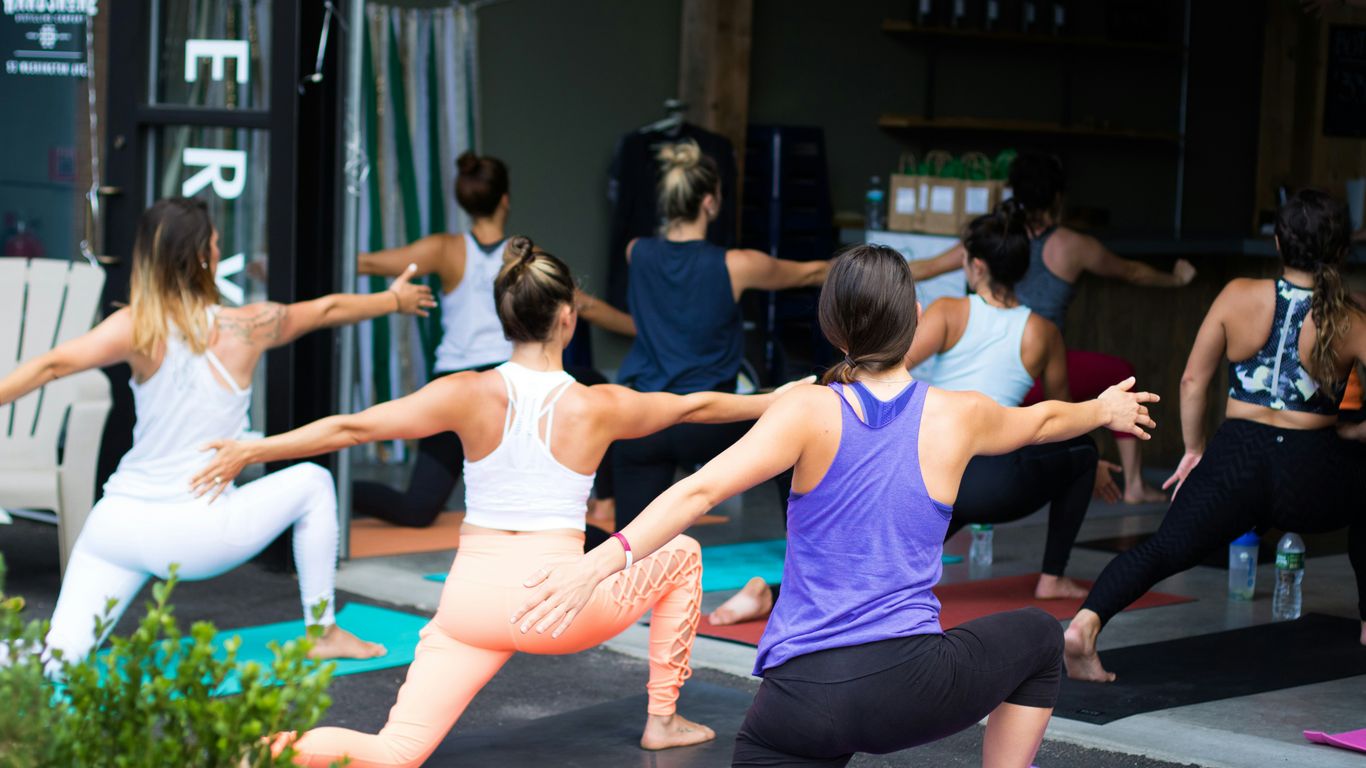
Mastering the foundational elements of instruction is an ongoing journey that bridges the gap between your personal practice and your students' physical movements. Great instruction is never about showing off your personal flexibility or advanced postures. Instead, it focuses on how clearly you translate your inner awareness into external instructions that keep your students anchored and aligned.
Verbal cuing strategies for maximum clarity
Verbal instruction is your primary tool for guiding a class through dynamic transitions. Clear cuing uses active verbs and anatomical directions that are immediately understandable, allowing participants to keep their eyes on their mats. Instead of saying, "If it is in your practice, maybe try to lift your chest," use direct directives like "Press your palms down and lift your chest away from the floor." Using simple, precise language keeps the class structured and keeps minds focused on the movement.
Effective physical adjustments and respect for consent
Physical touch can offer deep proprioceptive feedback, but it must always be paired with explicit, ongoing consent. Before class begins, establish clear methods for students to indicate whether they welcome physical touch, such as using visual indicators or asking during the initial centering phase. Your physical contact should guide their natural alignment, not force them into an arbitrary shape. Ensuring that adjustments are supportive and respectful of individual physical limits builds trust and protects the student-teacher dynamic.
Balancing movement demonstration with student observation
It is tempting to practice along with your class, but staying on your own mat prevents you from seeing what is actually happening in the room. Move around the space and observe your students to spot alignment issues, signs of fatigue, or confusion. Demonstrate a sequence only when introducing a complex transition or demonstrating the line of energy, then return to observation. Placing a high-performance mat like the Yune Yoga SE34 Teal Mat at the front of the room gives you a reliable, cushioned base to demonstrate transitions quickly before stepping off to observe.
Managing classroom dynamics
Every time you stand in front of a class, you encounter a unique mixture of personalities, physical abilities, and energy levels. Managing this dynamic requires a blend of firm leadership and empathetic adaptation, ensuring that the collective flow remains cohesive and focused.
Supporting students with varying levels of experience
In a single class, you might have someone who is stepping onto a mat for the first first time next to someone who has practiced for a decade. Managing this requires clear verbal modifications and encouraging the use of props to keep poses accessible. For example, a student struggling with stability in a balancing posture might benefit from holding a wall or utilizing a block to bring the floor closer. Acknowledge and normalize these adjustments, showing that seeking stability is a sign of an advanced practice.
Managing energy levels through effective pacing
Adjusting the rhythm of your instruction to match the time of day and the collective energy of the room is crucial for maintaining flow. Morning classes often benefit from a gradual build-up to generate heat, whereas evening classes may need a slower physical pace to aid unwinding. Pacing is not just physical; it is also about structural pauses. To maintain a well-paced class, teachers must understand the physiological effects of transitions to avoid exhausting practitioners, as outlined in the definitive textbook "Teaching Yoga" by Mark Stephens.
Maintaining focus while addressing common distractions
Distractions are inevitable, whether it is a phone buzzing in the corner, building noise outside, or a student falling out of a pose. Learn to acknowledge these moments calmly without breaking the rhythm of your instruction. If an disruption happens, use it as an opportunity to invite the room to practice mindfulness amidst chaos. Here is a helpful breakdown of common disruptions and how to redirect them:
| Distraction Source | Teaching Response | Intended Outcome |
|---|---|---|
| Sudden external noise | Acknowledge it briefly and guide awareness back to breathing | Re-centers focus without tension |
| A student falling out of a pose | Offer a quick, supportive verbal modification for stability | Reduces embarrassment and restores class flow |
| Scattered or drifting group energy | Introduce a brief holding posture or child's pose | Grounding and physical consolidation |
After guiding class focus back to the present moment, you can naturally transition to the next posture with a unified group breath, keeping the practice steady and focused.
Building a sustainable yoga teaching career
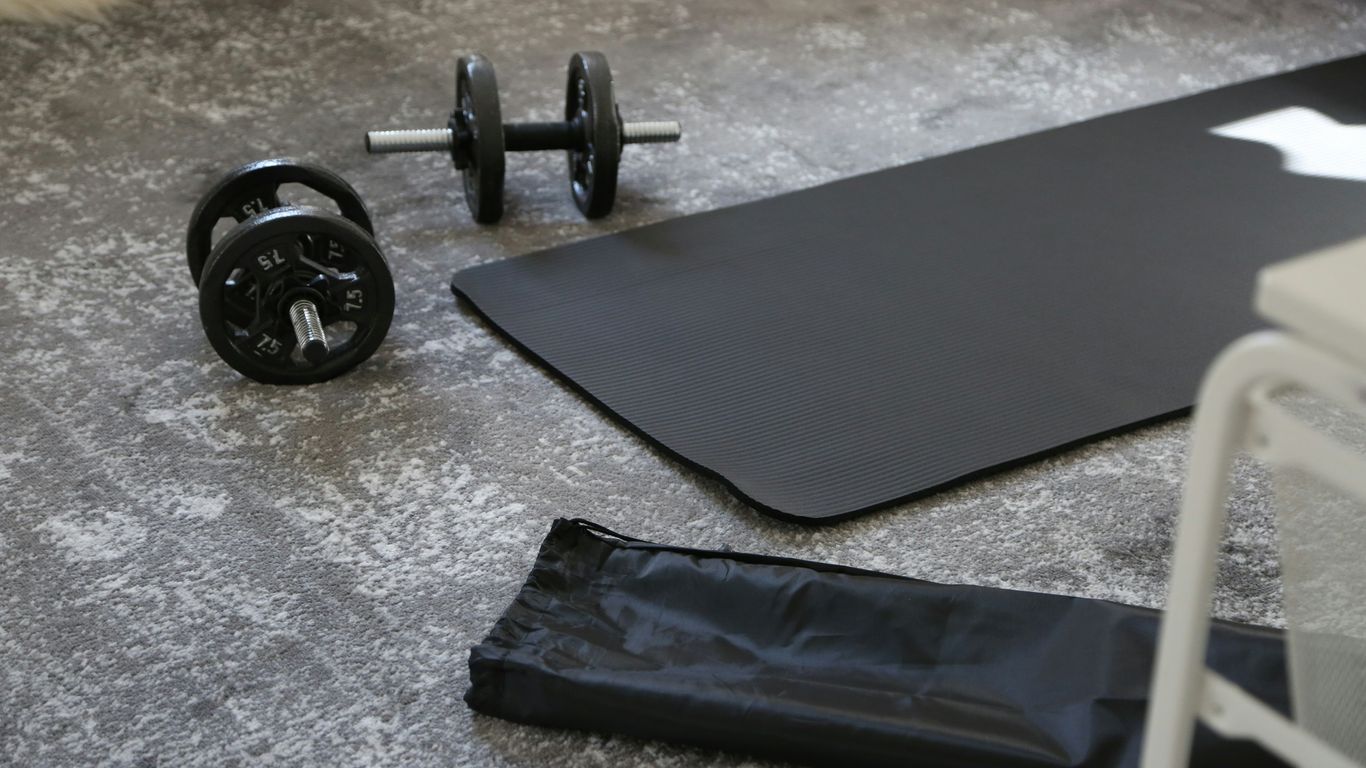
Developing a long-term career as an instructor requires treating your practice as both an art and a small business. Developing a professional network, managing your personal finances, and investing in high-quality, durable equipment are essential steps to avoid burnout while building a steady income.
Setting competitive rates and managing professional expenses
To make a living, you must establish competitive rates that reflect your training, expertise, and local market standards. Keep careful records of your professional overhead, including studio rentals, transport, insurance, and durable gear. Because traveling between multiple venues throughout the day is physically demanding, investing in portable gear is a smart way to manage your physical energy. Choosing a lightweight, easy-to-carry setup makes traveling between private clients and different studios much more manageble.
Marketing your services to reach a wider student base
Reaching new students requires sharing your passion both in person and online. Use social media, professional websites, and local flyers to share your class details, your background, and helpful tips. When hosting outdoor sessions, workshops, or pop-up events at local parks, your equipment choice often acts as your calling card. Carrying a stylish and complete Yune Yoga Bundle not only provides you with all the necessary tools for your session but also projects a professional, coordinated image to potential clients.
Navigating studio partnerships versus independent teaching
Instructors often balance working with established studios and building their own independent offerings. Studio partnerships provide a built-in student base and administrative support, but they generally offer lower pay rates per class. Independent teaching, such as leading private sessions or organizing your own community classes, allows you to determine your schedule and keep your full profits. Balancing both options gives you a stable baseline of income while allowing you to grow your personal brand.
Integrating ethics and professional standards
Ethical integration is the foundation of any sustainable yoga career, ensuring that you maintain a professional, supportive space for your students. Treating teaching as a calling means protecting the integrity of the practice and respecting its roots.
Establishing clear teacher-student boundaries
Maintaining professional boundaries is absolute. While you are there to offer support, your role is that of an instructor, not a licensed therapist or physician. Keep your focus on teaching movement and breathwork, and avoid giving personal life advice or health diagnoses. If a student brings up unrelated physical health concerns, suggest they seek a specialist. For instance, if they ask about persistent, chronic inner pain or issues like bladder infections, you should refer them to certified medical options, just as a patient might explore a holistic, non-antibiotic Ayurvedic therapy like Cysticure under clinical guidance.
Committing to continuing education and certification maintenance
Your 200-hour certification is only the starting point of your teaching journey. Committing to continuing education workshops, advanced trainings, and specialized courses is necessary to keep your knowledge current and safe. As outlined in the Yoga Alliance certification guide, maintaining your registration and updating your credentials ensures you stay aligned with international safety, ethical, and anatomical standards. This continuous learning keeps your classes fresh and your instructions physically sound.
Honoring the traditional lineage and philosophy of yoga
While modern yoga focus heavily on physical postures, honoring the wider tradition and philosophy of the practice adds depth to your instruction. Introduce concepts from the Yoga Sutras or the Upanishads naturally, avoiding academic lecturing in favor of simple, practical wisdom. Integrating these aspects respects the roots of the practice, moving beyond a simple physical workout. Much like other historical sciences, such as consulting a Feng Shui Master to align environmental energy, yoga teaches us that directing inner awareness restores balance and harmony to our daily lives.
Advanced strategies for teaching yoga online
Taking your teaching into the digital space lets you reach a global audience, but it requires adjusting your physical instruction for the screen. Teaching online requires comfortable equipment, high-quality audio, and altered cues to replace your physical presence.
Optimizing home studio lighting and audio equipment
Your digital setup directly impacts how easily remote students can follow along. Use flat, clear lighting from the front so that your movements are easy to see, and invest in a quality wireless microphone to keep your instructions clear even when you turn away from the camera. Choosing highly visible, high-contrast gear also makes a massive difference on screen. Using a vibrant tropical-patterned mat like the Yune Yoga Dora Toucan Yoga Mat helps your physical alignment stand out, making it easier for students to see exactly where your feet and hands are placed during demos.
Engaging remote participants through the digital screen
Engaging people through a monitor requires active communication and regular check-ins. Address your online students by name, offer specific verbal corrections based on what you see on your gallery view, and encourage them to adjust their cameras so you can observe their alignment. When teaching remotely, maintaining strong digital connections with your students helps recreate the warm, personal community of an in-person studio, ensuring that online clients feel seen, supported, and motivated to return to their mats.
Selecting the right software platforms for digital delivery
Choosing the right streaming and payment platform is vital for setting up a smooth, professional workflow. Select user-friendly software that offers clear streaming quality and secure payment processing. If you are a solo instructor operating independently of a studio, building an easy digital workflow is key. Following an online teaching guide for solo instructors will help you pick the right booking tools, plan your pricing, and establish a digital setup. This research ensures you spend less time troubleshooting tech and more time guiding class.
To build a diverse offering, think about how online classes fit into your schedule compared to in-person sessions. Much like choosing between an in-person or online driving class, students weigh the convenience and flexibility of practicing at home against the community and hands-on guidance of a real studio. Providing both options allows you to meet the needs of all your students.
- Class Scheduling: Offering both live and recorded sessions helps accommodate different schedules.
- Class Fees: Charging lower fees for digital classes can attract students who may find in-person rates too high.
- Technical Setups: Setting up a dedicated studio corner at home saves preparation time and prevents tech issues.
- Participant Safety: Giving clear pre-class safety reminders is crucial to prevent injuries without physical adjustments.
- Community Building: Hosting brief social periods before or after your video stream helps remote open communication.
When you build a dynamic online offering, you keep your teaching momentum high and open your classes to students who cannot commute to a conventional studio.
Conclusion
Developing a teaching path is an ongoing evolution that blends technical skill, clear communication, and practical business management. Whether you teach in a physical studio or online, investing in quality portable gear and committing to continuous growth ensures a rewarding, sustainable career. By staying focused on safety, clear instruction, and proper business planning, you will guide your students toward a more stable and balanced practice.
Frequently Asked Questions
What qualification do I need to start teaching yoga?
To teach professionally, you generally need to complete a foundational 200-hour yoga teacher training program registered with a recognized organization like Yoga Alliance. This training ensures you have a basic understanding of anatomy, sequencing, teaching methodology, and yoga philosophy.
How do I overcome the fear of leading my first yoga class?
Overcoming initial nerves involves thorough preparation, practicing your sequence with friends or family, and teaching simple, familiar postures. Remind yourself that you do not need to know everything, and focusing your attention entirely on your students' comfort and safety will help ease your anxiety.
What elements should a beginner-friendly yoga sequence include?
A beginner-friendly sequence should focus on foundational movements, slow transitions, and clear modifications. Use simple postures that emphasize stability, balance, and breath awareness, ensuring that students can easily follow along without feeling overwhelmed by complex shapes.
How often should a yoga teacher update their training credentials?
Teachers should regularly update their skills by attending workshops, specialized seminars, and continuing education courses. Many major registration bodies require certified teachers to log a specific number of continuing education hours every three years to keep their registration active.
Can I teach yoga online without working for an established studio?
Yes, you can build a successful online teaching business independently by utilizing secure video platforms, simple online booking tools, and marketing your classes through social media. Focus on creating a space with clear lighting, high-quality audio, and highly visible demonstration mats.
How do I handle students with different injury histories in a single class?
Always ask about injuries or limitations before class begins, and offer safe, accessible modifications during each posture. Encourage your students to listen to their bodies, use props like blocks and straps for support, and remind the room that taking a resting pose is always a sign of a smart, safe practice.
What are some simple ways to make a yoga space feel welcoming?
Creating a comfortable space involves using soft, warm lighting, keeping the room clean and uncluttered, and organizing props before class. Warmly greeting students as they walk in and ensuring there is clear spacing between mats helps build a serene, welcoming community environment.