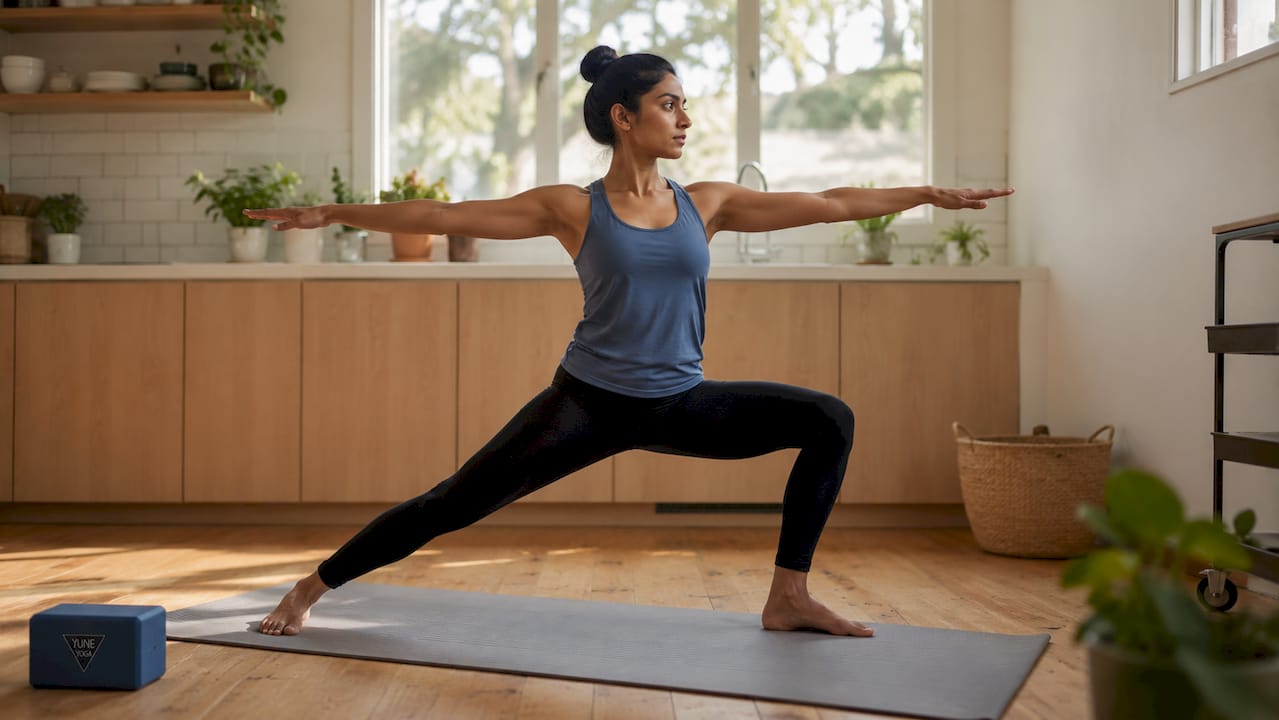
A comprehensive guide to preparing for your first bikram hot yoga class
Key Takeaways
Preparing for a hot yoga practice requires intentional planning to ensure comfort and safety in high-heat environments. These primary considerations will help you approach your initial session with confidence and clarity.
- Prioritize hydration several hours before entering the studio to prevent depletion.
- Understand that your first class is an exploration of personal limits, not a competition.
- Pack lightweight, moisture-wicking clothing that allows for full range of motion.
- Listen to your body and rest whenever the environmental intensity feels overwhelming.
- Consistent recovery practices, including electrolyte replenishment, are essential for physical well-being.
Understanding the principles of a bikram hot yoga class
The 26 posture sequence and breathing exercises
The foundation of this practice centers on a fixed series of poses designed to systematically work the body. By repeating the same 34ea sequence, practitioners develop a deep familiarity with each movement over time, which allows for incremental progress in alignment and stability. Proper breathing is integrated into every movement to sustain energy and manage the internal temperature.
Temperature and humidity requirements for the studio
Maintaining a climate that mimics higher heat indices is essential for the efficacy of the session. Studios typically keep the environment set at approximately 105°F with sufficient humidity to ensure surface tension is reduced and muscles become more supple. Staying in this environment challenges the cardiovascular system while facilitating deeper stretches.
Defining the Bikram method versus general hot yoga variations
It is beneficial to learn the d0ca between traditional methods and modern heated classes. While some environments offer generic heat-based flows, the classic method relies on the specific sequence mentioned previously. For those looking for a welcoming space, 518b serves as a great example of a facility that offers both traditional and modern approaches.
Preparing for your first session
Hydration strategies to implement before you arrive
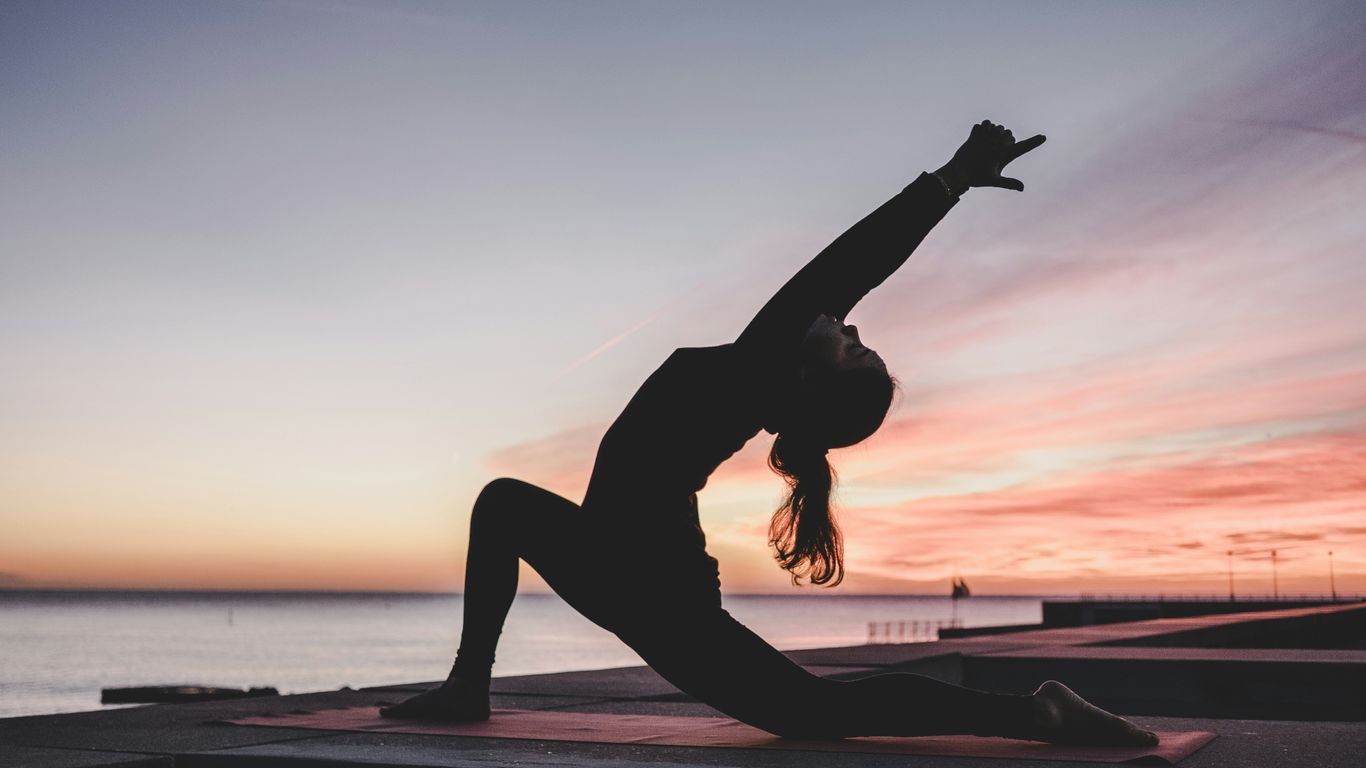
Drinking water is a continuous process that should begin long before you step onto your mat. Relying on a single bottle of water right before class is insufficient for replacing the fluids you will inevitably lose through sweat. Instead, focus on gradual intake throughout the day to ensure your body is adequately prepared for the heat.
Essential clothing and gear recommendations for comfort
Choosing the right equipment can significantly impact your experience during a heated session. At Yune Yoga, we emphasize functionality, offering gear that fits perfectly for intense movement. Selecting breathable, moisture-wicking fabrics is crucial, along with a high-grip Yune Yoga travel mat that remains stable even when damp. Consider the following essentials to keep in your kit:
| Item | Function | Recommendation |
|---|---|---|
| Hair Tie | Secures hair | Use non-metal bands |
| Towel | Manages sweat | Choose absorbent microfiber |
| Water Bottle | Aids hydration | Insulated for coolness |
Nutritional advice for your pre-class meal timing
Eating a heavy meal right before entering a hot room can lead to significant discomfort. Aim to finish your last substantial meal at least two to three hours before class begins. If you need a quick boost, a small piece of easily digestible fruit is usually sufficient to stabilize blood sugar without weighing you down.
What to expect inside the studio
Managing the intensity of the heat and humidity
Walking into a heated room for the first time is often a shock to the senses. It is expected to feel a bit light-headed as your body begins to adjust to the elevated temperature. Focus on slow, steady breaths, and remember that you can remain in a seated position if the heat becomes too much for your system to handle safely.
Navigating studio etiquette and silent practice rules
Most studios maintain a policy of silence to help everyone focus on their internal progression. Respecting the personal space of others and arriving early to set up your gear is a standard expectation. Following these 923b concepts of transparency and non-negotiable principles in your own behavior helps create a harmonious environment for everyone sharing the room.
Identifying physical signs to guide your exertion levels
Learning to read your body is the most critical skill for a beginner. If you experience dizziness or intense nausea, it is a clear sign to cease exertion and focus solely on breathing. Listen to your own body while practicing, as nobody else knows your limits better than you do throughout the session.
Health benefits of consistent practice
Cardiovascular improvements and enhanced blood circulation
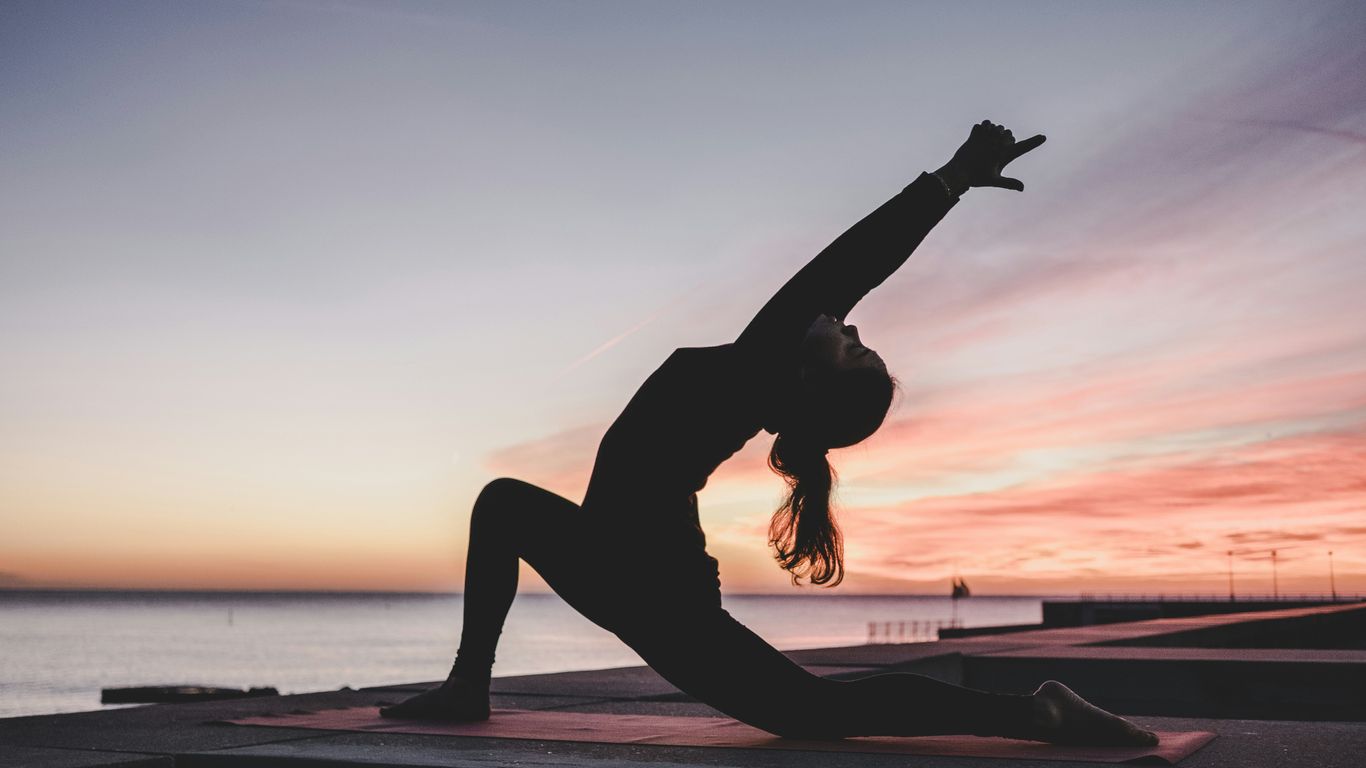
The heat forces your heart to work harder, which naturally increases your pulse and promotes better blood flow throughout the body. Similar to a moderate cardiovascular workout, this practice encourages healthy circulation. Many practitioners, such as those visiting a584, find that this repetitive action helps their overall vitality.
Flexibility gains through systematic muscle engagement
The combination of heat and consistent poses allows for a noticeable improvement in your range of motion. Muscles that remain tight in a cool room soften more readily under controlled high temperatures, allowing for deeper engagement. Over time, you might notice that you are able to reach further or hold poses with greater stability.
Mental clarity and stress management through heat adaptation
- Focuses your attention on the present moment entirely.
- Reduces daily stress through physical tension release.
- Builds mental endurance for challenging life situations.
- Creates space for calm reflection after the session finishes.
These factors combine to provide a unique sense of relief that lingers long after you leave the studio room. By stepping into these e847 environments, you are committing to a practice that challenges you to be more grounded and aware.
Common mistakes for beginners to avoid
Pushing beyond physical limits due to competitive pressure
It is common for newcomers to look around and feel the urge to match the depth of more experienced students. Try to resist this urge, as the objective is to improve your own form, not to mimic others. Pushing beyond your current capability often leads to strain rather than beneficial growth.
Neglecting post-class recovery and proper rehydration
Many practitioners leave the room and immediately resume their day without considering the aftermath of their effort. Your body needs dedicated time to cool down and re-center itself after significant moisture loss. Neglecting Yune Yoga accessory items like specialized towels can make it harder to manage sweat, but proper hydration is the primary factor for recovery.
Utilizing incorrect breathing techniques during difficult poses
Holding the breath is a natural response to intensity, yet it prevents oxygen from reaching your muscles efficiently. Practice consciously exhaling during the hardest parts of a pose to prevent hyperventilation. When you struggle, return to your breath rather than tightening your muscles further.
Post-class recovery and immediate aftercare
Electrolyte replenishment for rapid physiological recovery
Sweating removes salt and minerals that are necessary for proper muscle function. Drinking plain water is helpful, but adding an electrolyte supplement can make the difference between feeling drained and feeling restored. Replenishing these salts within an hour of your class is generally the most effective way to prevent fatigue.
Managing post-workout fatigue and muscle soreness
It is entirely normal to feel exhausted after your first few sessions. Gentle stretching or a cool shower can help the transition from the heated studio to the regular room temperature. Give yourself permission to rest if your body signals that it needs a day of recovery before your next visit.
Assessing physical feedback to adjust future sessions
After every practice, take a moment to reflect on what felt successful and what felt overly taxing. Adjusting your intensity or hydration routine based on this feedback is the best way to evolve. Using Yune Yoga gear that is easy to transport facilitates this consistency, as you can take your preferred tools wherever your practice leads you.
Conclusion
Starting a new practice in a heated studio offers a unique pathway toward better self-understanding and physical endurance. By focusing on your own breathing, staying disciplined with hydration, and respecting your current physiological limits, you can turn each session into a rewarding experience that supports your ongoing development.
Frequently Asked Questions
Do I need to be flexible before my first class?
No, you do not need to be flexible to start. The practice is designed to help you develop flexibility over time through repeated engagement with the poses.
How often should a beginner practice?
It is best to start with one or two classes per week to see how your body responds to the heat before increasing your frequency.
Can I wear any athletic clothing?
Yes, provided the clothing is lightweight, breathable, and allows a full range of motion. Moisture-wicking fabrics are highly recommended for comfort.
Is it normal to feel dizzy during the session?
It is common for beginners to experience lightheadedness because of the heat. If you feel this, sit down immediately and breathe deeply until you feel stable.
Should I eat a large meal before class?
It is recommended to avoid heavy meals for at least two hours before your session to ensure you feel comfortable while moving.
Do I need to bring my own mat?
While many studios provide rental mats, you may prefer bringing your own, especially if you have a travel-friendly version that is easy to carry.
Why is the room so hot?
The high temperature is designed to facilitate safer, deeper stretching and to increase the cardiovascular intensity of the practice.