
A comprehensive guide to exercise for yoga practice
Key Takeaways
Yoga is a dynamic way to build physical fitness that complements a wide range of athletic activities. Understanding the mechanics allows individuals to tailor their sessions for specific goals like strength, endurance, or recovery.
- Yoga combines flexibility, balance, and strength through intentional movement patterns.
- Focused styles like vinyasa provide effective cardiovascular training alongside toning.
- Proper biomechanics and alignment are critical for preventing common movement injuries.
- Supplementary training such as resistance work helps balance total body health.
- Modifying poses allows for consistent progress regardless of current mobility or fitness levels.
Understanding yoga as a form of physical exercise
Practicing yoga offers a structured way to challenge the body by utilizing body weight and controlled movement. Many students find that dedicating time to their mat builds endurance and resilience over time. Whether moving through sun salutations or holding static shapes, the physical demands of these sessions invite a deeper engagement with muscles that might be overlooked in other forms of exercise for yoga.
The mechanics of strength and flexibility
Strength in yoga is primarily built through eccentric and isometric contraction, where muscles lengthen or hold under tension. This controlled approach enhances joint health while simultaneously lengthening tissues to improve overall range of motion. Unlike heavy lifting, yoga asks the practitioner to support their own mass in varying orientations, which recruits smaller stabilizing muscles.
Cardiovascular benefits of vinyasa flows
Continuous movement sequences can significantly elevate the heart rate, offering a solid aerobic challenge. By linking breath to rapid posture transitions, practitioners generate internal heat and consistent cardiovascular demand. Using the SE34 Yoga Towel helps those engaging in these intense session cycles maintain a clean and moisture-free surface despite high perspiration levels.
Distinguishing between gentle and vigorous styles
Choosing a practice style depends largely on what a person aims to achieve during their time on the mat. Gentle practices concentrate on restoration and steady stretching, whereas vigorous flows mimic more intense athletic drills. Identifying the goal before stepping on the mat helps ensure the chosen energy output matches the intended physical outcome for that day.
Functional strength training through yoga poses
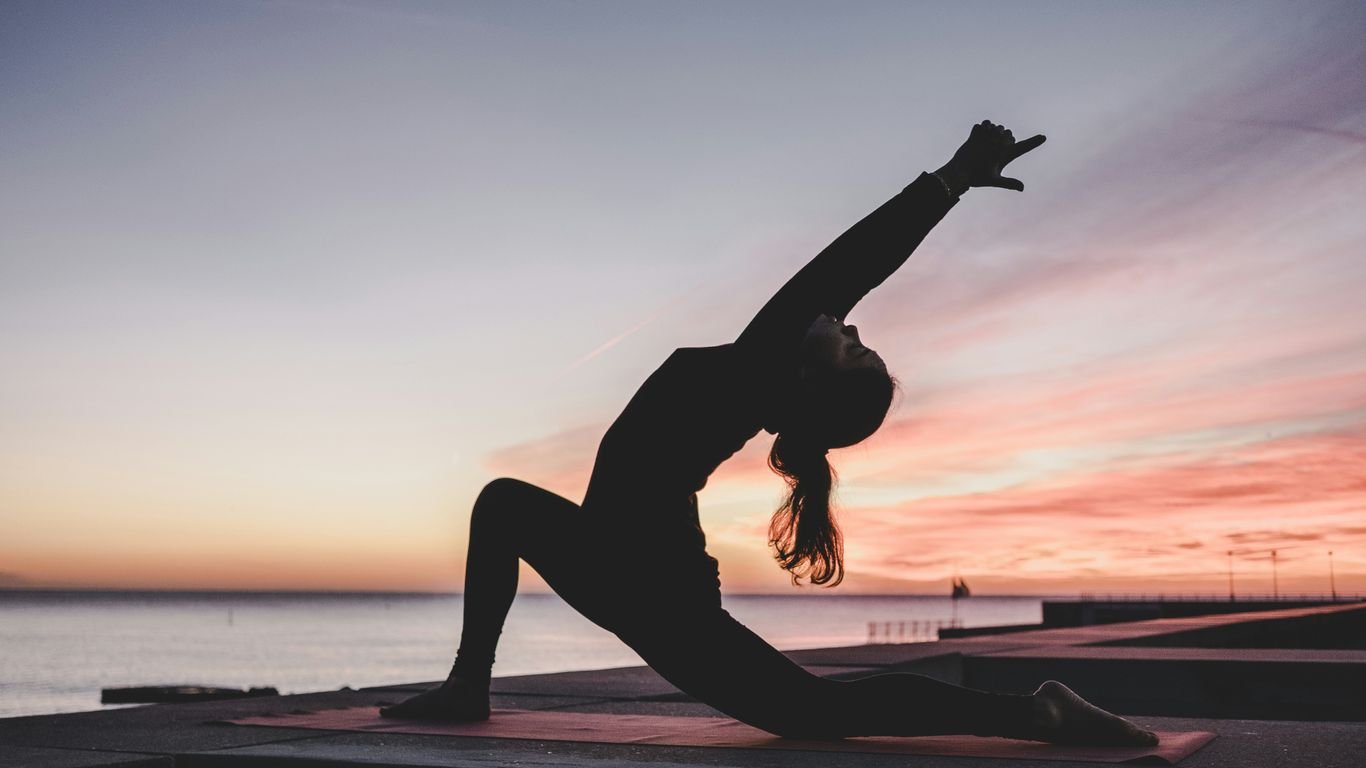
Functional strength involves training the body to move efficiently through space by activating multiple muscle groups at once. Yoga poses naturally facilitate this by removing the need for external machines and focusing on balanced output. Practicing on a stable, high-performance surface like the Yune Yoga Ataraxy Yoga Mat ensures that the support beneath your feet allows for precise engagement of stabilizer muscles.
Engaging stabilizer muscles in balance postures
Balance asanas act as a test of proprioception and core engagement, requiring constant feedback from the ankles and hips. When a practitioner enters a tree or warrior series, the body must adjust continuously to maintain equilibrium against gravity. This micro-correction process trains the smaller stabilizing muscles surrounding the joints that traditional isolation exercises often miss.
Building upper body endurance through weight-bearing asanas
Bearing one's own weight repeatedly through poses like downward dog or handstands provides a heavy load for the shoulders and arms. This endurance-based training strengthens the upper body without needing heavy gym equipment. It is important to emphasize that maintaining steady, focused breathing ensures muscle oxygenation during these long holds.
Enhancing core stability without repetitive impact
Core work in yoga focuses on the deep abdominal wall rather than superficial muscle groups. By moving through complex transitions while keeping the spine elongated, individuals build a foundational stability that supports all other physical endeavors.
| Movement Goal | Pose Example | Primary Benefit |
|---|---|---|
| Core Stability | Boat Pose | Abdominal endurance |
| Balance | Tree Pose | Ankle/Hip strength |
| Upper Strength | Plank Sequence | Shoulder stability |
This table illustrates how different poses can be organized to reach specific muscular outcomes. By selecting a mix from each category, practitioners create a well-rounded routine that addresses multiple fitness needs in a single session.
Customizing your routine for specific fitness goals

Individualized training plans are a hallmark of well-rounded fitness, allowing for progress where it is needed most. Bringing gear like the Yune Yoga Tofino Yoga Mat, which offers consistent grip for daily use, makes it easier to sustain a routine when traveling. Adjusting the speed and repetition of movements allows practitioners to target distinct goals safely.
Increasing heart rate for higher calorie expenditure
Adding speed to transitions essentially turns a standard session into a high-intensity interval workout. Practitioners who want to increase calorie burn can reduce the rest time between individual postures. Maintaining a faster pace requires significant concentration to ensure form does not collapse during the movement.
Targeted muscle toning for improved athletic performance
Yoga helps develop long, lean muscles that perform well under athletic strain, which is beneficial for runners and cyclists. Focusing on dynamic holds that place muscle under load for extended periods encourages hypertrophy and endurance. This approach effectively prepares the lower body for the demands of high-output sports like cycling or track running.
Promoting active recovery during post-workout cycles
Active recovery days should feature low-impact stretches that encourage blood flow without fatiguing already taxed systems. By gently moving through poses that open the chest and hips, the body sheds metabolic waste more efficiently after a draining workout. Consider these essential steps for a recovery session:
- Start with gentle joint rotations to lubricate the ankles and wrists.
- Utilize slow, deep breathing to lower the heart rate quickly.
- Perform seated forward folds to ease tension in the hamstrings.
- Spend several minutes in stillness to calm the nervous system.
Following these steps ensures that muscle tissues have the space needed to repair and rebuild after intense physical demand.
Essential techniques to prevent injury
Injury prevention starts with a thorough understanding of one's own physical boundaries. Moving into a pose without proper foundational structure puts the joint capsule at unnecessary risk. Instead, practitioners should prioritize controlled, intentional transitions that protect the delicate alignment of knees, wrists, and the spine.
Proper structural alignment for joint protection
Alignment isn't just about aesthetics; it is about ensuring that weight is distributed across the muscle rather than the tendons. For example, keeping the knee stacked over the ankle in lunges prevents shearing forces that can damage meniscus structures.
Consistent attention to anatomical cues allows for long-term practice longevity and reduced wear on connective tissues over time.
This wisdom reminds us that even when moving quickly, structural integrity must remain the guiding principle behind every shape one chooses to occupy.
Recognizing the difference between active discomfort and injury-prone pain
Learning to listen to the body involves distinguishing between the 'burn' of muscle fatigue and the 'sharp' sting of an impending injury. Muscle fatigue is dull, deep, and usually resolves after a short rest period. Sharp pain, particularly in the joints, is an immediate signal to back out of a pose to prevent tissue damage.
Modifying postures for varying levels of personal mobility
Not every body is built for the same expression of a pose, which is why using props or adjustments is encouraged. Modifications allow someone to get the intended stimulus from an asana without forcing the body into an unsafe alignment. Adapting to personal needs is a sign of an experienced and mature practitioner.
Integrating supplementary training with your yoga practice
Combining different modalities creates a comprehensive health strategy that fosters balance and functional fitness. Yoga works beautifully as a bridge between high-impact sports and rest days. To get a sense of how these styles flow, you can view this illustrative session:
Combining yoga sequences with cardiovascular conditioning
Yoga acts as an excellent cooldown for runners, as it addresses the tight hip flexors often associated with long-distance movement. By integrating yoga into a weekly cycle, athletes can recover more effectively while keeping muscles limber. This hybrid approach keeps the cardiovascular system active while balancing flexibility.
Balancing heavy resistance training with flexibility work
Lifting heavy weights pulls muscles into a shortened state, making daily flexibility work essential for maintaining a full range of motion. A strength-focused session followed by a restorative yoga class prevents the stiffness that often plagues devoted weightlifters. This synergy supports both explosive power and fluid movement.
Creating a sustainable weekly exercise schedule for long-term health
Consistency is the ultimate key to success when juggling multiple forms of physical activity. A sustainable schedule alternates hard-effort sessions with recovery days, ensuring that the body never enters a state of perpetual soreness. By listening to internal feedback and adjusting the load as needed, practitioners build a future of movement that lasts for years.
Conclusion
Integrating purposeful exercise into your routine creates a balanced path toward physical well-being and longevity. Whether focusing on strength, endurance, or recovery, the practice of yoga offers endless ways to tailor movement to meet the evolving needs of the body and mind. By maintaining consistency and listening carefully to personal limits, any individual can develop a sustainable fitness practice that enhances daily life off the mat as much as it does on it.
Frequently Asked Questions
Can yoga be used as a primary form of exercise?
Yes, yoga can serve as a primary workout if it focuses on active, flow-based styles that elevate the heart rate and challenge muscular endurance.
How often should I practice to see physical results?
Consistency is important, and for most people, practicing 3 to 4 times per week is enough to notice improvements in strength and mobility over time.
Is it normal to feel soreness after a yoga session?
It is common to feel muscle fatigue or soreness, especially after trying new or challenging poses, similar to any other form of resistance training.
Do I need to be flexible to start doing yoga?
Flexibility is a benefit of the practice rather than a requirement, and you will develop more range of motion the more you consistently engage with the sessions.
Should I avoid yoga if I have joint pain?
It is wise to consult with a medical professional, but often gentle modifications allow those with joint issues to practice safely without exacerbating existing pain.
Is it better to hold poses for a long time or move quickly?
Both approaches offer benefits; longer holds build isometric strength, while faster movements provide cardiovascular conditioning and muscle endurance.
Can I practice yoga everyday without overtraining?
Yes, but it is best to vary the intensity of your practice, rotating between vigorous flows, restorative sessions, and active recovery to give your body adequate rest.

