
A complete guide to using yoga strap for posture correction
Key Takeaways
Yoga straps serve as powerful tools for correcting everyday postural imbalances and restoring spinal health. These aids help practitioners build mindfulness during their routines while deepening muscle releases.
- Yoga straps provide necessary external feedback to improve spinal alignment.
- Proper material and buckle choice ensure stability during stretching routines.
- Regular use of belts like the Horatio Yoga Strap can enhance flexibility and reach.
- Targeted exercises effectively target shoulder rounding and chest tightening.
- Consistency and clear goals are fundamental to long-term postural progress.
Understanding the connection between yoga straps and posture
Anatomy of postural imbalances addressed by props
Many of us struggle with forward head carriage or rounded shoulders because of sedentary habits that tax our skeletal structure. These imbalances often stem from tightened pectoral muscles and weakened upper back muscles. Incorporating props can assist in natural collagen hip dysplasia support for dogs and cats if your pets suffer, but for people, the focus remains on physical re-alignment through supported movement.
How a strap provides external feedback for spine alignment
Proprioception acts as the primary mechanism for correcting posture; your body simply forgets its neutral position after hours at a desk. Using a strap creates a gentle boundary that signals when your shoulders collapse past a certain point. It provides external feedback for spine alignment that allows your muscles to learn where they belong naturally.
Safety considerations for beginners using props
Beginners often mistake the strap for a pulling device rather than a supporting one, which can lead to overstretching. It is essential to focus on steady, controlled movements rather than forcing the body into extreme angles. If you encounter deep, sharp pain, stop immediately and readjust your base to prevent injury.
Essential gear: selecting the right strap for back support
Comparing cotton, nylon, and hemp materials
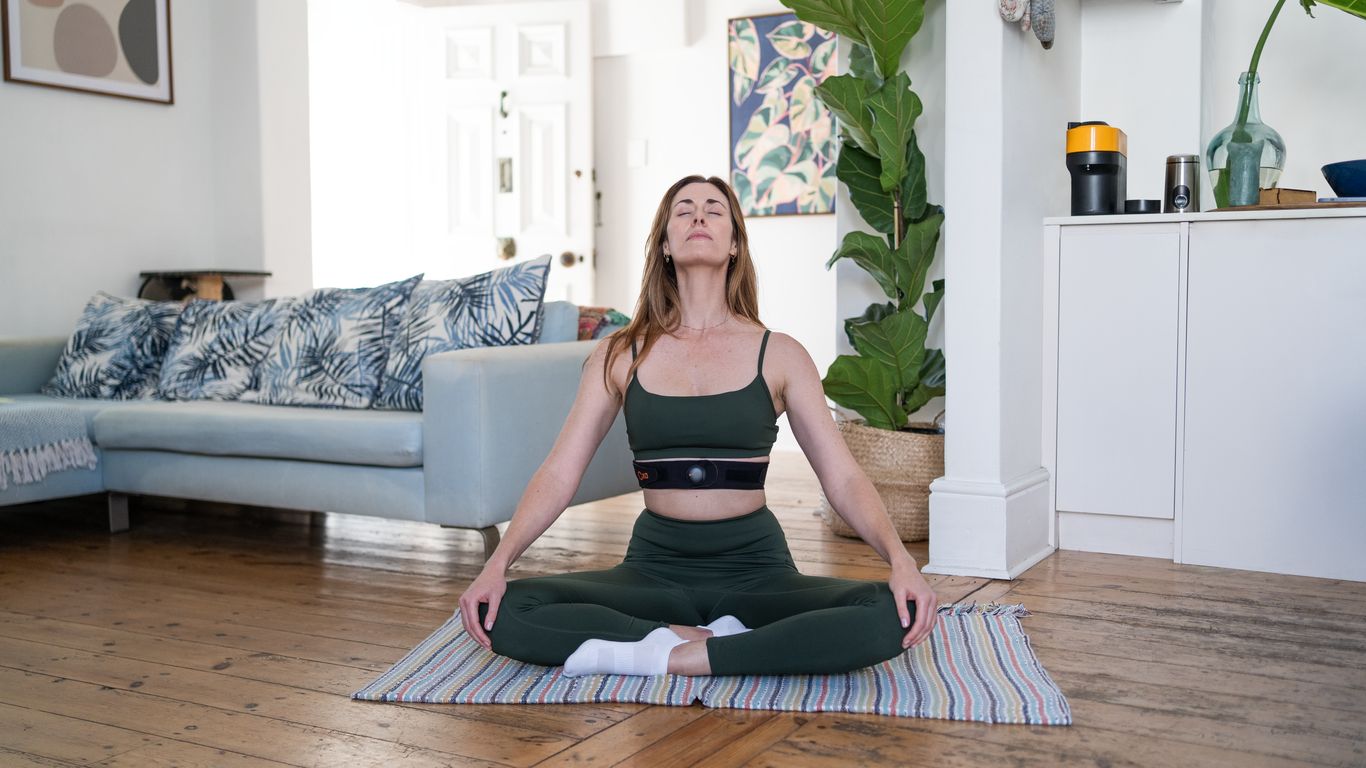
Material choice impacts your grip and durability significantly during long-term use. While some prefer the slick texture of nylon for smooth adjustment, others look for natural fibers to avoid synthetic irritation. Consider the following comparison to see how the Bear Creek Yoga Strap compares to other common types.
| Material Type | Grip Quality | Durability | Sustainability |
|---|---|---|---|
| Organic Cotton | High | Moderate | Excellent |
| Synthetic Nylon | Low | Very High | Poor |
| Natural Hemp | Moderate | High | Excellent |
You can often find these options when you sell your house without a realtor and look to clear out your specialized fitness gear. Choosing the right material ensures that you enjoy your practice without needing frequent glazing repairs of your equipment setup.
D-ring versus cinch buckle mechanisms for stability
Buckle mechanisms define how well the strap stays secure during high-tension poses like a shoulder flossing bind. D-rings provide a reliable, non-slip loop, whereas cinch-style buckles offer faster adjustments. Most practitioners find the D-ring to be superior for the stability needed in postural work.
Choosing the optimal length for your height and flexibility
Length is the most overlooked factor in gear selection, yet it determines your reach. Standard six-foot straps may feel limiting for tall individuals or those requiring complex "backpack" wraps. Ensure you have enough length to move freely without straining your wrists.
Core exercises for improving shoulder and chest alignment
Chest opener stretches while seated
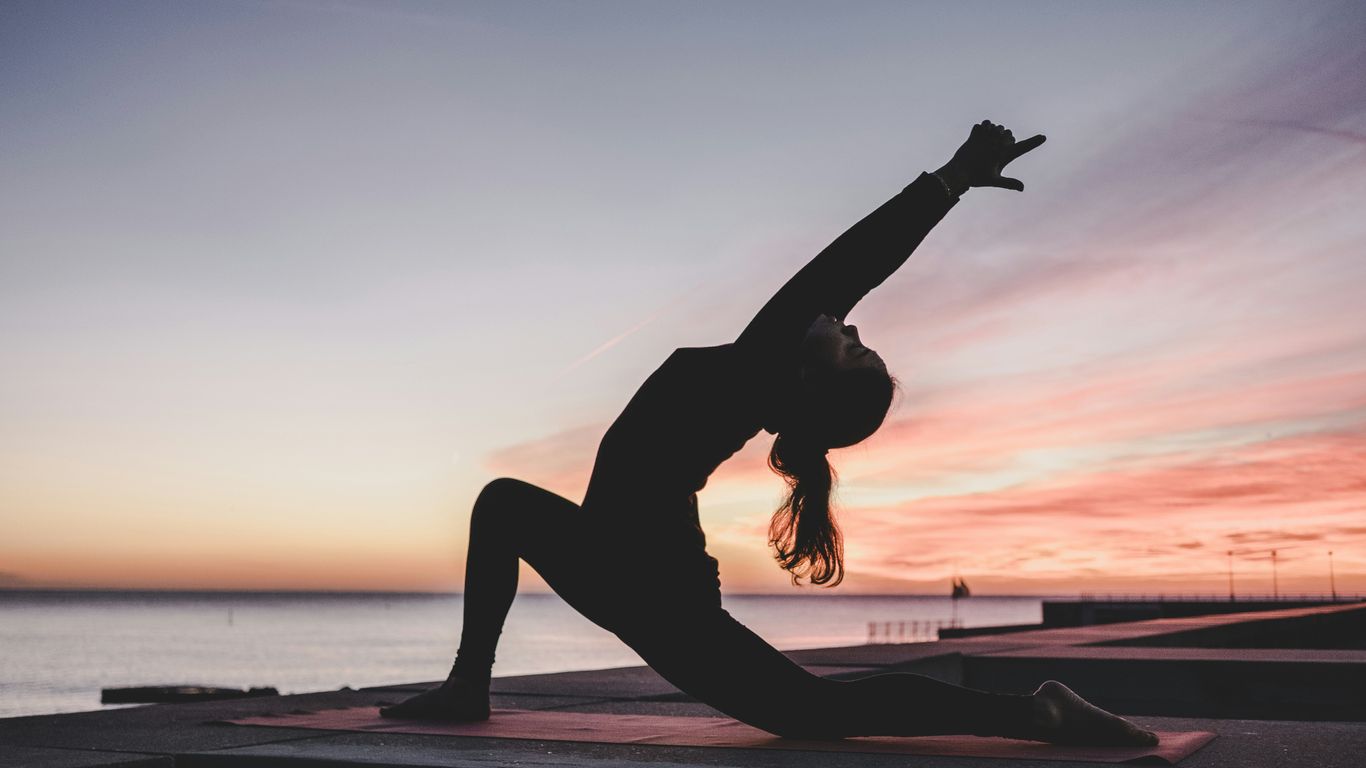
Seated chest openers allow you to disconnect from your screen and focus entirely on opening the thoracic cavity. Using your Bowie Yoga Strap will hold your arms in a set position so you can breathe deeply into your ribcage without the arms drifting forward. This is a vital practice for shoulder alignment that requires only a few minutes of daily attention.
Standing shoulder flossing technique
Shoulder flossing requires moving the strap from your hip area over your head and behind you, keeping your arms straight throughout. This movement builds mobility, but you must adhere to a specific sequence to avoid shoulder strain. Follow these steps for best results:
- Stand with feet hip-width and hold the strap wider than shoulder distance.
- Inhale as you lift the strap slowly over your head.
- Exhale as you guide the strap back behind your glutes, keeping tension on the belt.
- Repeat the motion forward and backward fluidly.
By keeping the movement within your pain-free range, you develop the strength needed to hold your shoulders back during the rest of the day.
Cow face pose binding adaptations
Cow face pose is notoriously difficult for tight shoulders, often leading to rounded spines. A strap bridges the distance between your hands, allowing you to focus on lengthening the spine rather than just touching your fingers. It turns a frustrating shape into a restorative experience.
Implementing targeted stretches to release rounded back tension
Using a strap for gentle reclined leg stretches
Reclined leg stretches use the strap as an extension of your limb to help you reach your hamstring without curling your spine off the floor. This provides a safe way to stretch while allowing your back muscles to remain supported by the ground.
Seated forward fold adjustments for spinal lengthening
Forward folds often result in a humped back if your hamstrings are tight. By looping the strap around the balls of your feet, you can pull your heart forward effectively. This encourages a straighter spine and more effective muscle lengthening than forcing your hands to your toes.
Reverse prayer prep work with strap assistance
Reverse prayer is an advanced chest-opening move that most beginners find impossible. Using a strap held between your hands in a similar position behind the back gives you the same chest and shoulder opening benefit without the strain on your joints.
Incorporating strap work into your daily routine
Frequency and intensity guidelines for posture correction
Consistency beats intensity in the realm of postural correction. You do not need an hour of sweat; ten minutes of focused stretching will yield more results than one infrequent session. Remember that learning Essential 8 compliance protocols or similar systems takes time, just like your daily postural commitment does.
Integrating prop-based poses into office breaks
Office culture often forces us into poor postures, so setting a recurring alarm to step away is effective. You might think preparing for a boat party is the only way to manage stress, but simple strap exercises at your desk can do wonders to reset a slumped position.
Tracking progress in postural awareness over time
Progress is rarely linear, so keep a casual record of how your range of motion feels each week. When your shoulders begin to feel lighter and your chest feels naturally more open, you will know that the repetition is working. Stick with the process, knowing that better posture is a marathon, not a sprint.
Conclusion
Integrating a yoga strap into your routine provides the consistent physical reminder necessary to break the cycle of sedentary slumping. By choosing the right tool and committing to simple, repetitive movements, you can actively shift your body toward a more aligned and comfortable state. Use this practice as a reliable foundation for long-term health and functional mobility.
Frequently Asked Questions
How often should I use a yoga strap for posture?
Daily, short sessions are significantly more effective than occasional long practices. Even five to ten minutes each morning or during breaks can help maintain alignment.
Will a strap fix my back pain permanently?
While a strap is excellent for improving posture and muscle balance, it is not a medical treatment. If you suffer from chronic pain, consult a healthcare provider to ensure your exercises match your specific needs.
Is it hard to learn how to tie a yoga strap?
Most straps are quite basic and use simple buckles that require only a few seconds to thread and secure. Once you learn the initial setup, it becomes second nature to adjust the loop size for different exercises.
Do I need an expensive strap for it to work?
Quality matters for grip and durability, but you do not need the most expensive gear on the market. Look for materials that feel secure in your hand and allow for smooth adjustments during active poses.
Can I use a regular belt if I don't have a yoga strap?
A standard belt is usually too rigid or short to serve the same function as a long, flexible yoga strap. Dedicated straps provide the softness and length required to perform mobility movements safely.
What if I cannot reach my feet in a stretch?
That is exactly what the strap is for as it effectively extends your reach. You should use the strap to bridge the gap rather than straining to force your limb further than your body is prepared to go.
How do I store my strap properly?
Keeping your strap dry and clean is key to longevity. Many straps are foldable and machine washable, allowing you to store them easily in a gym bag or keep them rolled up in your practice space.

