

10 best yoga workouts to improve strength and flexibility
Key Takeaways
Finding your perfect rhythm in yoga is a journey of exploring different styles to discover what fuels your body and mind. Whether you are seeking intense physical challenge or quiet recovery, these diverse practices offer something for every student.
- Vinyasa flow builds endurance through continuous, heartbeat-raising movement sequences.
- Hatha foundations emphasize long holds and proper structural alignment for better posture.
- Yin yoga focuses on deep connective tissues using long, passive stretches for flexibility.
- Power and Ashtanga practices target muscular strength and high levels of discipline.
- Restorative and Iyengar options prioritize precision, recovery, and preventing common physical injuries.
1. Vinyasa flow for cardiovascular endurance
Vinyasa flow is a dynamic practice that links movement with breath, creating a dance-like quality that keeps your heart rate elevated. By moving through poses in a continuous, flowing sequence, you challenge your body’s stamina and coordination simultaneously. This repetition builds heat, promoting a sense of flow that is ideal for those who enjoy higher energy workouts.
For anyone looking to maintain a steady heart rate while practicing, having the right surface is essential. The Bondi 6mm Striped Non-Slip Yoga Mat provides dependable, consistent grip so you can transition quickly between poses without losing your footing. This stability helps you focus on the rhythm of your breathing rather than adjusting your mat position.
Because Vinyasa often involves rapid transitions, you might find that slipping becomes an issue as you build internal heat. Adding an absorbent yoga towel over your mat layer helps manage moisture, ensuring a dry and safe practice environment. Consistency in your setup allows you to focus on the intensity of your movement and the endurance gains from your session.
2. Hatha yoga for foundational alignment
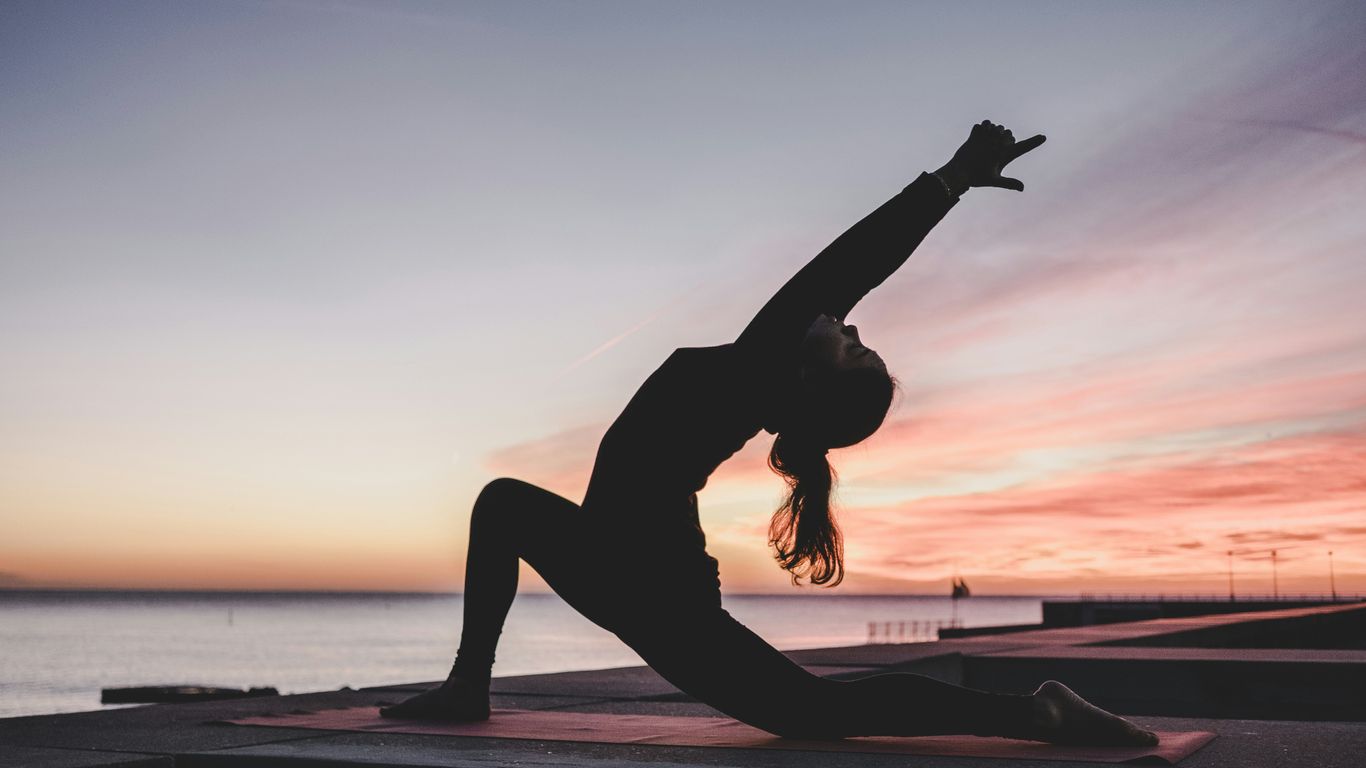
Hatha yoga serves as the backbone for most physical practices, focusing on the slow, deliberate execution of poses. By learning how to stack your joints and align your spine, you build the internal awareness needed to sustain your practice over time. It is a methodical approach that encourages you to slow down and notice the details of your physical positioning.
Developing this foundation often requires the support of high-quality gear. The Korriban Yoga Mat offers a spacious surface and professional-grade cushioning that supports joint health as you hold shapes. When you aren't fighting to maintain your balance on a slippery surface, you can dedicate more mental energy to the nuances of your alignment.
Proper alignment isn't just about how a pose looks, but how it feels internally. Using accessories like the Dark Suzy Yoga Strap makes it easier to extend your reach safely, helping you explore flexibility without compromising your posture. This combination of structural awareness and supportive tools builds the confidence to advance your skills.
3. Yin yoga for deep tissue release
Yin yoga is a meditative practice that targets the deeper connective tissues of the body, such as fascia, ligaments, and tendons. Unlike more active styles, this practice relies on long, static holds that encourage the body to release tension at a quiet, intentional pace. It is an excellent way to balance out high-intensity fitness activities and improve long-term mobility.
During these long holds, comfort becomes increasingly important as you settle into deep stretches. The Corpse Pose Chill Yoga Mat provides balanced cushioning for floor-based work, ensuring your joints are protected during extended stays in a single position. This stability allows you to melt into the pose rather than struggling against a hard or uneven surface.
Integrating the right setup for Yin ensures you can fully access your range of motion without distraction. For many, this practice involves using props to support the weight of the limbs.
| Feature | Yin Practice Benefit |
|---|---|
| Cushioning | Protects joints during long holds |
| Traction | Keeps limbs steady in passive poses |
| Ease of Use | Simplifies the transition to stillness |
This deliberate setup allows you to reap the benefits of deep tissue release while staying grounded in your practice.
4. Power yoga for building muscle mass
Power yoga shifts the focus toward strength and muscular endurance, utilizing weight-bearing poses to challenge your body. Unlike traditional routines, this intense practice often incorporates movements that mimic bodyweight fitness training to build lean muscle tone. It is a fantastic option for those who want to integrate strength training into their yoga sessions.
To manage the heat and sweat that accompanies this style, look for gear that offers high-performance grip. The Bowie Yoga Mat features a practice-proven surface that remains steady even as your intensity increases. Having a reliable base means you can perform challenging poses with complete confidence in your movement.
If you are serious about building muscle, consistency in your routine is the path to progress. Maintaining a regular presence on your mat, even when you feel tired, reinforces the strength you are working to develop. By pairing durable equipment with high-intensity effort, you can transform your workouts yoga routine into a powerhouse session for physical growth.
5. Ashtanga yoga for disciplined practice
Ashtanga yoga follows a strict, predetermined sequence of poses that builds intense heat and discipline over time. By repeating the same series, you measure your own internal progress through clarity and refined control over your body. It demands a high level of mental focus, often becoming a moving meditation that grounds your day.
Because this practice is so repetitive, having a mat that can withstand daily heavy use is vital for success. The Tofino Yoga Mat provides studio-grade performance, offering excellent traction and supportive density for those rigorous transitions. A mat that lays flat every time simplifies your setup so you can start right away.
This specific style requires complete commitment to the process. Many practitioners find that using a yoga towel on top of their surface helps ensure a hygienic and focused session during the more challenging sequences. Developing that level of consistency in your environment mirrors the discipline inside your movement.
6. Restorative yoga for stress reduction and recovery
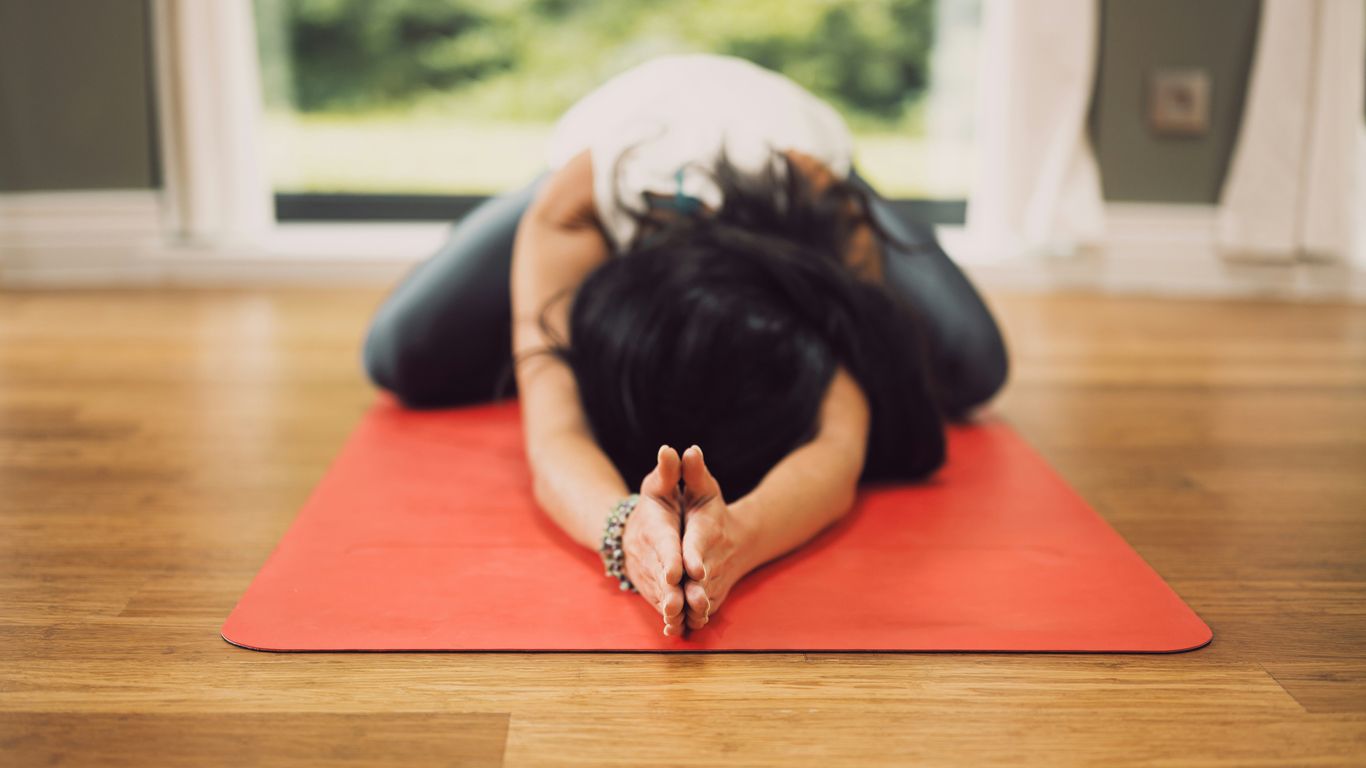
Restorative yoga uses gentle, supported poses to trigger the body's parasympathetic nervous system, allowing you to downshift into a state of deep calm. The emphasis is on complete relaxation and recovery, making it the perfect remedy for a high-stress lifestyle or as a companion to an active training schedule. It is about allowing the mind to quiet down alongside the body.
Success in this practice depends on your ability to disconnect from external demands and focus on the feeling of being supported. The Trestles 6mm Non-Slip Yoga Mat offers extra joint relief, which is helpful when your body is tired or recovering from other physical efforts. A stable, comfortable surface helps you stay in these resting states longer.
Integrating rest into your fitness routine is not a shortcut, but rather a vital part of sustained progress. Here are a few ways to structure your recovery sessions:
- Start with five minutes of slow, rhythmic, deep breathing.
- Use blocks or blankets to fully support your weight.
- Commit to a quiet environment to reduce external sensory input.
- Hold each pose for at least three to five minutes.
By prioritizing this recovery time, you ensure your body stays resilient and ready for the next challenge.
7. Iyengar yoga for precision and injury prevention
Iyengar yoga treats every pose as a scientific study in anatomical precision and structural alignment. By emphasizing the placement of the limbs and the engagement of specific muscles, this style is highly effective for injury prevention and rehabilitation. It is detail-oriented and often uses props to guide the body into its safest possible position.
Because clarity is central to this style, you need a surface that doesn't slide or bunch up under your weight. The Obelisk Yoga Mat is designed for extreme reliability, giving you a firm base to explore the mechanics of every single movement. The architectural design of the mat itself fosters the sense of focus that this rigorous practice requires.
Learning to move with such attention to detail spills over into other areas of your life. When you understand the precision required to keep your joints healthy, you become a more mindful mover. Practicing with equipment that supports this level of technicality will help you grow.
8. Bikram yoga for detoxification and heat endurance
Bikram yoga takes place in a heated room, forcing you to adjust your internal temperature and endurance to stay focused. The heat promotes flexibility and sweating, which many practitioners find to be a form of physical cleansing. It is a challenging, consistent sequence designed to test your mental mettle under demanding conditions.
Maintaining your composure while in the heat is key. The Tiger Yoga Towel is a practical addition that increases grip, ensuring you stay steady even when you are sweating profusely. A wet mat can be dangerous, but having a layer that locks into place creates a safer, more predictable environment.
In this environment, you also learn a lot about your own limits and your ability to breathe through intensity. Practicing with gear that manages moisture keeps your transition to a calm state much easier. It turns the heat into a tool for endurance rather than an obstacle to clear.
9. Kundalini yoga for energy and mindfulness
Kundalini yoga combines breathwork, movement, and chanting to work with the subtle energy systems of the body. It emphasizes mindfulness and connection, aiming to release internal blocks and cultivate a sense of clarity. The practice is often uplifting, making it a great way to start your day with intention and focus.
While the focus is internal, having a clean, dedicated space is still helpful for your ritual. The Red Tail Mat provides a visually inspiring foundation that helps you stay grounded throughout your session. Its alignment features act as a physical reminder of the stability you are building within during your practice.
Energy work can feel ethereal, but your connection to the physical earth is what roots you. Many practitioners find that using a yoga practice towel keeps their mat fresh for their daily sessions. This simple maintenance ensures that whenever you step on your mat, you are ready to engage.
10. Aerial yoga for core stability and inversion training
Aerial yoga utilizes suspended silk hammocks to allow for deep stretches, core strengthening, and safe inversion training. It removes the stress of floor-based impact from your joints while still providing a deep sensation of release and muscular engagement. The sensation of floating adds an element of excitement to your typical fitness approach.
Even with aerial work, having a stable surface for the portions of the class on the floor is essential. The Skaro Yoga Mat offers rock-steady grip and balanced cushioning that protects your knees and wrists during preparation and floor sequences. Integrating this with your suspension practice creates a well-rounded routine.
Aerial yoga helps you develop a unique type of core stability that carries over into everyday life. By trusting the harness and learning to move in three-dimensional space, you challenge your balancing muscles in entirely new ways. It is a creative addition for anyone wanting to spice up their standard fitness mix.
Conclusion
Choosing a style that aligns with your specific goals ensures that your movement practice remains a source of joy and growth. By integrating high-quality, practical equipment into your routine, you can worry less about footing and focus entirely on the journey, whether you are building muscle, seeking relief, or simply finding your internal balance.
Frequently Asked Questions
How often should I practice yoga to see improvements?
Practicing consistently is more effective than the duration of individual sessions, so aiming for three to four times a week is a great starting point for seeing measurable progress.
Can I do yoga if I am not naturally flexible?
Absolutely, as flexibility is a skill developed through consistent practice rather than a prerequisite for starting, and many styles are designed to accommodate all levels.
What do I need to begin a home practice?
Starting at home requires very little, usually just a comfortable and stable mat and enough space to extend your arms, though accessories like straps or towels can enhance your safety.
Should I practice yoga on an empty stomach?
It is generally recommended to practice on an empty stomach to avoid discomfort, so try to schedule your session at least two hours after your last heavy meal.
How can I practice yoga safely during injury recovery?
Always consult with a medical professional first, and look into styles like Iyengar or restorative that emphasize slow, safe movements rather than high-intensity sequences.
Is it normal to feel dizzy during inversion poses?
Feeling slightly disoriented during inversions is common for beginners, so take your time and come out of the pose immediately if you feel lightheaded, ensuring you move slowly when rising.
Does yoga count as cardiovascular exercise?
While traditional yoga focusing on holding poses may not reach formal cardio zones, dynamic flow-based practices like Vinyasa contribute significantly to your overall endurance, heart rate, and movement capacity.

