
A complete guide to using Gaiam ankle weights for strength and mobility
Key Takeaways
Adding controlled resistance to your routine can significantly improve muscular tone and overall stability. These five points highlight the primary benefits and safety practices for getting the most out of your gear.
- Start with lighter weights to prevent strain.
- Secure closures firmly to avoid shifts during motion.
- Maintain consistent timing and slow, controlled repetitions.
- Use resistance for both strength and rehabilitation exercises.
- Inspect the material regularly to ensure long-term integrity.
Getting started with Gaiam ankle weights
Beginning a new fitness routine requires preparation and an understanding of your personal goals. The Gaiam 5 lb Ankle Weights provide a user-friendly way to add resistance, whether you are integrating them into light movement or more focused sessions. Proper application ensures the weight is distributed effectively without causing distraction while you perform your daily movements in your home gym setup, much like ensuring you have the best home office flooring for a stable foundation.
Selecting the right weight for your fitness level
Choosing the correct load is critical for success in your initial weeks of training. Beginners should often start with a lighter set, perhaps focusing on volume rather than pure heaviness to master the movement pattern first. Once you gain comfort, you can explore other options in the Gaiam free weights collection to diversify your routine and further challenge your muscles.
Proper fit and adjustment techniques
Comfort depends heavily on how the weight sits against your body. You should pull the strap snugly enough to prevent sliding, yet avoid tightening it to the point where blood circulation is impeded. Check the contact points periodically during your workout, as sweat or movement can occasionally cause them to loosen over time.
Safety considerations for beginners
Starting slow is essential to avoid potential overuse injuries, especially in the joints. Much like comparing different outdoor lighting systems to see which fits your home needs best, you should assess your body's response to resistance before increasing duration. Keep your movements intentional and stop immediately if you feel sharp pain or excessive fatigue that causes your form to collapse.
Comparing wrist versus ankle applications
While marketed for the lower body, these versatile tools can sometimes be used on the wrists for different stability challenges. However, the anatomy of your ankle is different from your wrist; therefore, you must be cautious about added momentum. Using these for wrist work is essentially adding a light load that requires careful control to protect the rotator cuff and other small muscle groups.
Incorporating Gaiam ankle weights into cardio

Cardio sessions become more demanding when you introduce external loads, forcing your body to recruit extra muscle fibers. This can turn a standard routine into a more intense metabolic experience, provided you keep your mechanics sound. Much like professionals prioritize it support for schools, you must prioritize structured safety when enhancing your movement density to avoid long-term wear and tear.
Enhancing walking and jogging routines
Adding weight during a walk forces your legs to work against gravity and inertia with every stride you take. This is particularly effective for engaging the hip flexors and deep core muscles that balance your pelvis. Keep your strides short and natural to prevent any "dragging" sensation that can occur when fatigued.
Adding resistance to aerobic dance classes
Aerobic dance involves fluid, varied planes of motion, making it a perfect environment for light resistance. The extra weight helps emphasize the leg movements, helping you improve muscle endurance over the course of a long session. Focus on maintaining a rhythmic pace rather than trying to force the movement to be faster.
Maintaining form during high-repetition movement
When reps go high, form often starts to decline due to fatigue. You must intentionally monitor your posture, keeping the chest lifted and the core braced, even as your legs start to feel heavy. Consistent, rhythmic breathing will act as your internal timer for maintaining these high-volume sequences safely.
Avoiding excessive joint strain
Sudden changes in direction while wearing weights can place significant torque on the knees and ankles. If you choose to integrate this equipment, prioritize forward-moving exercises rather than rapid lateral movements. If you must change direction, slow down your speed until you have fully mastered the transition.
Strength training exercises with Gaiam ankle weights
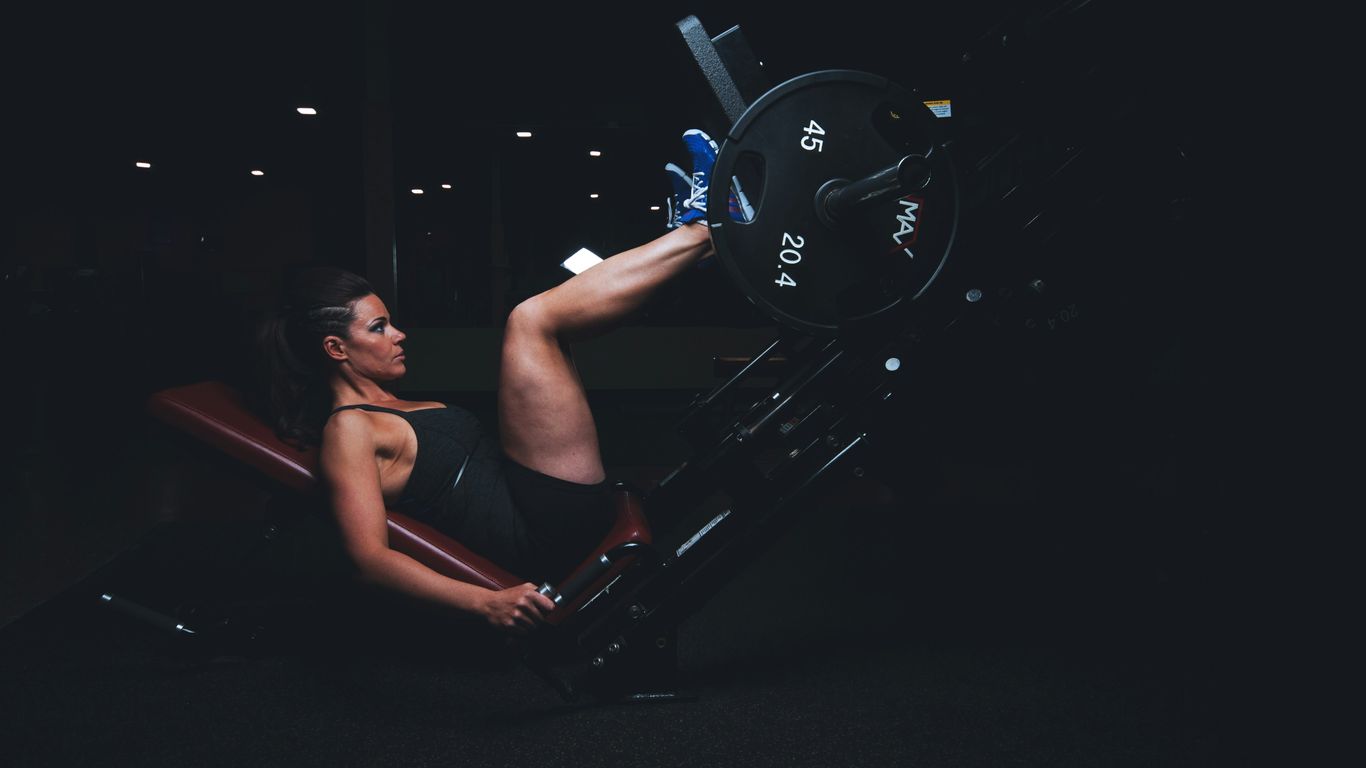
Targeting specific muscle groups with constant resistance helps build endurance and strength. Similar to the planning required for complex tasks like metal shingles installation, you must approach your strength routine with a clear plan for your sets and repetitions to see measurable progress over time.
Targeting lower body muscle groups
These weights are excellent for isolating the quadriceps, hamstrings, and calves through various planes of movement. By adding resistance to movements you might otherwise do with just body weight, you encourage greater neuromuscular activation in the targeted areas.
Performing effective leg lifts and hamstring curls
These classic movements are essential for toning the legs and strengthening the posterior chain. Use the table below to track your starting levels for these basic exercises.
| Exercise Name | Target Area | Effort Level |
|---|---|---|
| Standing Leg Lift | Quadriceps | Moderate |
| Standing Hamstring Curl | Hamstrings | Moderate |
| Side-Lying Leg Raise | Outer Thigh | High |
Challenges for core stability and balance
Wearable resistance forces your core to work harder to stabilize the torso during leg movements. You might notice your abdominal muscles working overtime to keep you upright as you perform your standard weighted reps. Use this list below to organize your effort as you increase complexity.
- Hold onto a stable surface for support as needed.
- Keep your torso neutral and avoid arching the lower back.
- Perform 3 sets of 12 repetitions per leg for the initial week.
- Take a 60-second break between sets to allow full recovery.
After ensuring your form is locked in, these stability challenges will contribute significantly to your overall functional strength.
Glute-focused resistance movements
Glute kickbacks and fire hydrants become significantly more challenging with the added mass. These movements require slow, controlled motion to ensure the gluteus muscles, rather than the lower back, are doing the primary work. Keep the movement range small and focused on the squeeze at the peak of the motion.
Benefits for physical therapy and recovery
Recovery requires a gentle touch and patience. Many people find that adding very light, controlled resistance can assist in physical therapy by promoting gradual muscle activation in weakened areas. Think of it as a sacramento junk removal service for your fitness progress—clearing out limitations so you can build back stronger.
Low-impact muscle activation strategies
During recovery, your goal is not to exhaust the muscle but to wake it up. Use the lowest possible weights to encourage blood flow and minor muscular engagement, which can prevent atrophy while you heal from minor strains or periods of inactivity.
Improving stability during joint rehabilitation
Small, steady weights can provide proprioceptive feedback that helps the brain and muscles coordinate more effectively. This is vital when joints feel "loose" or unstable after an injury, as it provides a constant, gentle pressure that tells the muscle to stay active.
Gradual resistance progression for recovery
Never rush the process of adding weight to your recovery routine. Stick with the same light load for several sessions or even weeks, ensuring your body adapts completely before making any increment. Consistency here is the true key to rebuilding.
Consulting with medical professionals before use
Before using any weighted equipment during a recovery phase, speak with your physician or physical therapist. They can provide specific guidance on how your individual recovery needs interact with external resistance, ensuring you avoid further injury.
Maintenance and care for your Gaiam equipment
Maintaining your Gaiam's Fitness & Recover gear is the best way to extend its lifespan and performance. Proper care prevents the buildup of bacteria and ensures the structural integrity remains reliable for long-term use.
Cleaning sweat and debris from outer materials
Use a damp cloth with mild soap or a simple disinfecting wipe after each session. Avoid soaking the weights completely, as this can seep into the inner filling and damage the fabric or internal stitching.
Storage tips to preserve velcro performance
Always fasten the velcro straps when not in use to prevent them from picking up lint, hair, or debris. Storing them in a cool, dry place away from direct sunlight will also save the elastic and fabric from becoming brittle over time.
Inspecting stitching for long-term durability
Periodically check the seams where the fasteners meet the body of the weight. Catching a loose thread early is much easier than fixing a tear after the integrity of the unit has been compromised by heavy usage.
Conclusion
Incorporating controlled resistance into your daily movement is a practical step toward improving strength and stability. By monitoring your form and choosing appropriate loads, you create a sustainable routine that supports your long-term fitness. Remain consistent with your maintenance and always listen to your body to guarantee a positive experience with your equipment.
Frequently Asked Questions
Can I wear ankle weights all day to increase calories burned?
It is generally recommended to avoid wearing these during full-day activities or long walks, as the constant load can lead to joint fatigue and unexpected strain, which may cause injury.
How do I know when it is time to progress to heavier weights?
If you find that you can complete your current set of exercises with perfect form and minimal exertion, your muscles have likely adapted to that resistance level and are ready for a slight increase.
Should I wear weights over pants or directly on the skin?
Wearing weights over leggings or thin pants is often more comfortable as it helps protect your skin from direct friction and irritation caused by the neoprene material.
Can these weights help with improving my balance?
They can challenge your stability by forcing your core and stabilizing muscles to work harder, but you should always start with light weights and maintain a support hold nearby.
Is it normal for the filling to shift inside?
Some internal shifting is typical with sand-filled weights, but frequent agitation or over-tightening can cause this to happen more often. Ensure they are packed evenly before securing them.
Can I wash these in the washing machine?
Hand-cleaning is strongly recommended. Machine washing can significantly damage the stitching and the structural integrity of the Velcro fasteners, reducing their lifespan considerably.
What do I do if I feel pain during a set?
If you feel pain, stop immediately. Take off the weights, rest for a day or two, and re-evaluate your form or weight choice before attempting the movement again.