
10 best non skid yoga mats for a secure yoga practice
Key Takeaways
A secure yoga mat should match the way you practice, not just promise a grippy surface. Consider sweat, cushioning, weight, materials, and how often you will carry it.
- Choose traction that feels dependable in your usual classes.
- Match thickness to your balance and cushioning preferences.
- Moisture-resistant or absorbent surfaces can help during sweaty sessions.
- A lighter mat is easier to carry, but may offer less padding.
- Clean and store your mat properly to preserve its grip.
1. Best overall non skid yoga mat
The best non skid yoga mat for most people offers a steady middle ground: reliable traction, enough cushioning for everyday movement, and a surface that does not feel distracting under the hands. It should lie flat without demanding much attention from you. That balance matters more than a dramatic feature list, especially when your practice shifts between slower stretches and active flows.
Start by checking the mat's texture and thickness together. A very soft mat may feel comfortable at first but can make balancing less precise, while a thin, firm mat may feel stable but unforgiving on knees. For a broader look at grip, cushioning, and durability, this non-slip yoga mat review is a useful companion to the buying process.
Use the comparison below as a practical filter rather than a ranking carved in stone. Your regular practice matters most: a home practitioner may value cushioning, while someone attending heated classes may prioritize moisture management and easy cleaning.
| Priority | What to look for | Why it matters |
|---|---|---|
| Grip | Textured or moisture-aware surface | Helps hands and feet stay planted |
| Cushioning | Moderate, supportive thickness | Balances comfort and stability |
| Care | Wipe-clean, durable finish | Makes frequent use easier |
| Size | Full-length practice area | Gives you room to move |
The right overall choice should feel predictable from the first warm-up through the final stretch. If you are unsure, favor a mat with balanced traction and cushioning instead of choosing the thickest or stickiest option available.
2. Best non skid yoga mat for hot yoga
Hot yoga changes the grip question because sweat can turn a comfortable surface into a slippery one. Look for a mat that remains stable when moisture builds, and think about whether you prefer absorption, a moisture-resistant finish, or the option of adding a towel. A surface that is easy to wipe afterward is also a small but meaningful convenience.
The Yune Yoga Hoth Yoga Mat is described as a 6mm non-slip mat with traction and balanced cushioning for vinyasa, hot yoga, restorative poses, and meditation. Its source description also says it lies flat, is easy to care for, and is built for repeated use. Those are practical qualities for anyone who wants one mat to cover heated classes and quieter sessions.
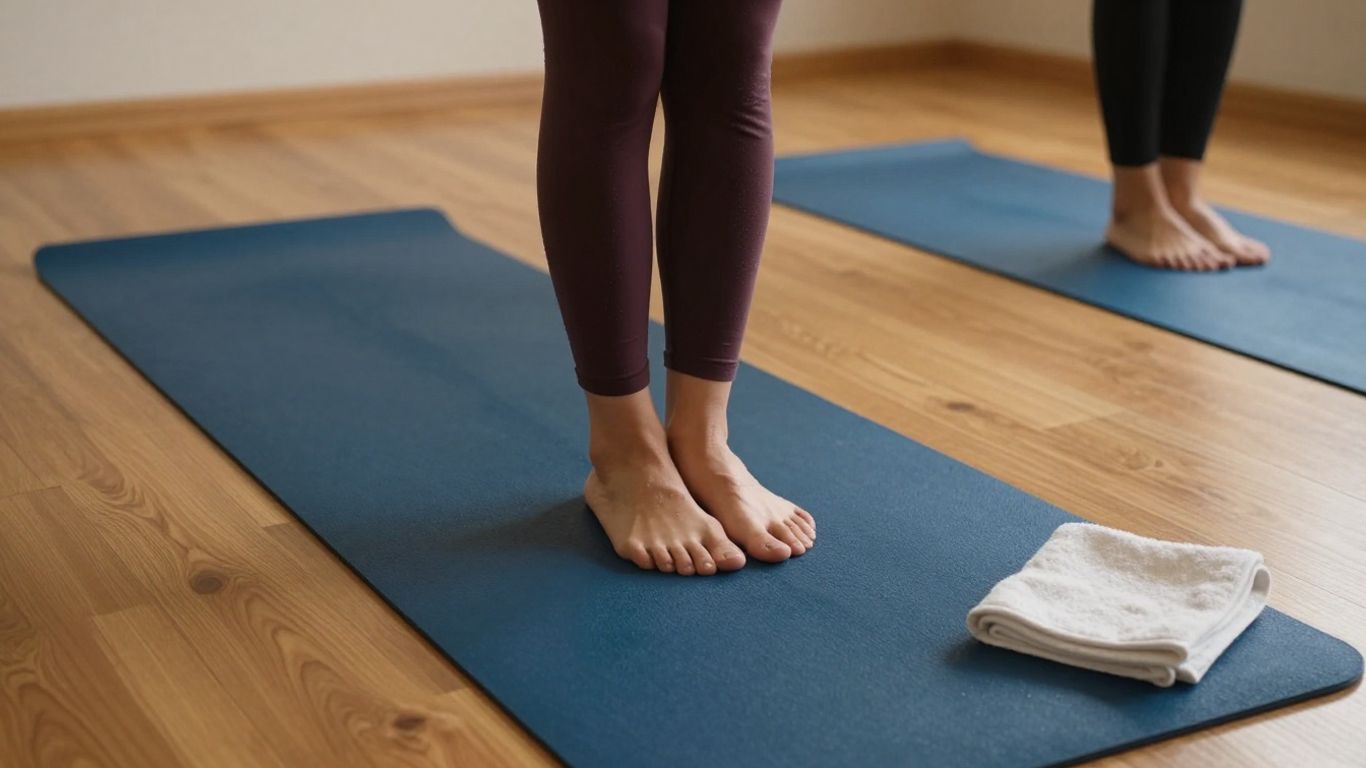
A hot-room mat still needs sensible care. Allow it to dry fully before rolling it, and avoid leaving sweat trapped between the layers. If your hands become very wet, a compatible towel may provide another layer of moisture control without forcing you to replace the mat itself.
3. Best non skid yoga mat for sweaty hands and feet
Sweaty palms and soles call for more than a vaguely rubbery feel. The surface should give your hands enough purchase during weight-bearing poses while allowing your feet to transition without catching awkwardly. A good fit depends on how quickly you sweat and whether you practice in a warm room or a regular home setting.
Some mats are designed to become tackier as moisture increases, while others work best when paired with an absorbent towel. The important thing is to understand the material's behavior rather than assume every non-slip label means the same thing. This guide to mats for sweaty hands offers another angle on traction, moisture, and practice comfort.
The non-slip mat testing guide also highlights useful criteria such as grip in dry and sweaty conditions, durability, size, feel, and portability. Treat those as questions to ask while shopping. A promising surface should still feel manageable when you are moving between poses, not only when your palms are pressed firmly into it.
4. Best cushioned non skid yoga mat
Extra cushioning can make a noticeable difference when your practice includes kneeling, seated work, or long holds on a firm floor. The tradeoff is that a softer, thicker mat may feel less stable during balancing poses. For many people, the best choice is not maximum padding but a supportive layer that cushions without feeling spongy.
A 6mm mat is a common middle ground, though the number alone does not tell you how dense or springy it will feel. Pay attention to the floor beneath it as well: a mat that feels perfect on wood may feel unnecessarily soft on carpet. Cushioning should support your practice without changing your sense of where the floor is.
The Yune Yoga Skaro Yoga Mat is described as a 6mm non-slip mat with rock-steady grip, joint-friendly cushioning, and balanced density. The same description places it across power vinyasa, hot yoga, Pilates, and restorative sessions. That combination makes it a sensible reference point for shoppers comparing comfort with a grounded feel.
5. Best lightweight non skid yoga mat
A lightweight mat earns its place when you carry it to a studio, keep it in a small car, or move between rooms at home. Less weight usually means less bulk, although very thin mats may not provide the comfort some people need. Think about how far you carry the mat and what surface you usually practice on.
Portability also depends on how easily a mat rolls, whether it stays flat after unpacking, and whether a strap or carrying system is included. A mat that is technically light but awkward to secure can become irritating on a daily commute. Thinness is useful only when it remains practical in real use.
For a mat that travels regularly, look for a clear balance between grip and packability. Wipe it down after use, let it dry before folding or rolling, and store it away from sharp edges. Those simple habits help a lightweight mat stay pleasant to use rather than becoming a temporary solution.
6. Best non skid yoga mat for beginners
Beginners usually benefit from a mat that feels stable without requiring much maintenance or technical knowledge. A moderate thickness, clear traction, and a surface that does not shift across the floor can make early practice less distracting. It is also wise to choose something versatile enough for different class styles while you learn your preferences.
Do not feel pressured to buy the most specialized mat immediately. Try to notice whether your hands slide, whether your knees need more support, and whether the mat is easy to carry and clean. Those everyday observations will tell you more than a long list of marketing terms.
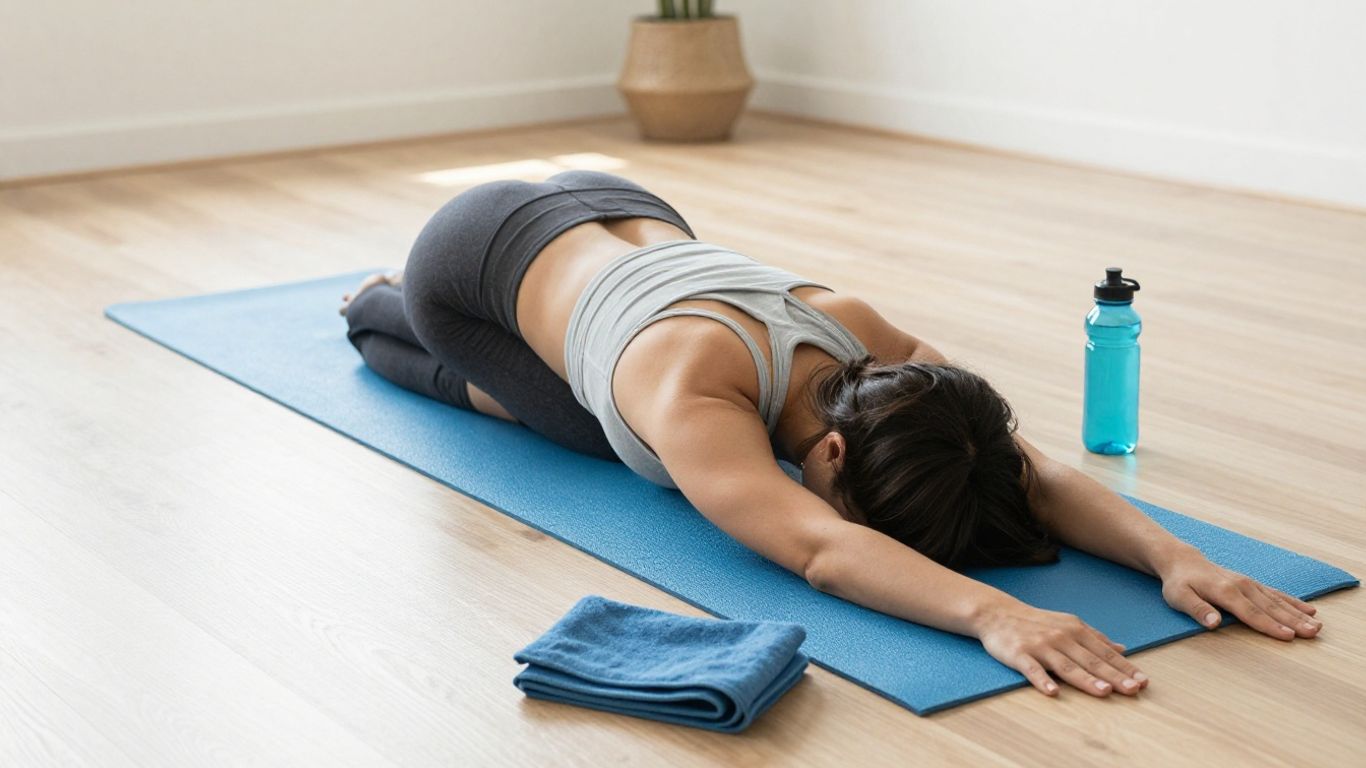
The Yune Yoga Moab Plains Mat is described as a 6mm non-slip mat with double-sided grip, cushioning, tear-resistant construction, and an easy-to-clean surface. Its source description specifically identifies beginners and people on the go among its intended users. That makes those features useful benchmarks when choosing a first mat, regardless of which model you ultimately select.
7. Best eco-friendly non skid yoga mat
Eco-friendly shopping requires a little more than looking for a green color or a short slogan. Check the listed material, whether the mat is latex-free or phthalate-free, how durable it is, and whether you can reasonably keep using it for years. A long-lasting mat may be a more practical choice than one that needs frequent replacement.
Natural rubber, cork, recycled materials, and alternative polymers can all feel different underfoot. Some offer a warmer, more textured experience, while others are smoother and easier to wipe clean. If allergies are a concern, read the material details carefully rather than relying on broad environmental language.
Maintenance is part of the environmental calculation too. A mat that dries properly, resists everyday wear, and remains comfortable over time is less likely to be discarded early. Choose the material that fits your actual practice, then follow the cleaning instructions instead of using harsh products that may shorten its life.
8. Best budget non skid yoga mat
A lower price does not automatically mean poor grip, but budget mats often involve compromises in density, longevity, finish, or portability. Decide which compromise you can live with before shopping. If you practice twice a week on a clean indoor floor, you may not need the same construction as someone attending heated classes every day.
Look for a stable base, a surface that does not shed or become slick immediately, and dimensions that fit your body. A washable or wipe-clean finish can save frustration over time. Also include a towel, strap, or replacement cycle in your total cost rather than comparing the sticker price alone.
The best budget choice should feel dependable enough that you will actually use it. Read care directions, give the mat time to air out if it has a noticeable manufacturing odor, and inspect the edges for curling. A modest mat that stays flat and clean may serve you better than a feature-heavy purchase that is difficult to maintain.
9. Best non skid yoga mat for travel
Travel changes what “best” means. A mat for hotel rooms, parks, or beachside practice should be easy to pack, quick to lay out, and light enough that it does not compete with the rest of your luggage. You may also want a surface that can handle a little dust or be cleaned without special supplies.
Before choosing, think through the whole trip rather than only the folded size. These details can make a portable setup much easier:
- A foldable or slim profile for luggage space.
- A carrying strap or simple way to secure the mat.
- A surface that wipes clean after outdoor use.
- Enough traction for unfamiliar floors.
A portable mat works best when it removes friction from practice. Let it dry before packing, protect it from grit when possible, and check that it lies flat when you arrive. If portability is your top priority, accepting slightly less cushioning may be worthwhile.
10. Best non skid yoga mat for advanced practice
Advanced practice does not always require the most expensive or firmest mat. It usually calls for a surface that responds consistently during transitions, balances, inversions, and repeated flows. Predictable traction matters because a changing grip can interrupt concentration and alter how you place your hands or feet.
Floor feel becomes especially personal as practice develops. Some experienced practitioners prefer firm support for precise movement, while others want enough cushioning for longer sessions. Consider the poses you actually practice, the amount of sweat involved, and whether you need the mat to work across several locations.
The Yune Yoga Othello Yoga Mat is described as a 6mm, latex-free, moisture-resistant non-slip mat with cushioning and a surface that wipes clean easily. Its listed uses include vinyasa, Pilates, and restorative sessions. Those documented details make it a useful example of versatility, but your own grip preference and practice environment should make the final call.
A secure mat should support precision without demanding attention. Test the surface in the movements you repeat most, then keep the cleaning and storage routine simple enough to follow after every session.
Conclusion
The best non skid yoga mat is the one that matches your sweat level, preferred cushioning, daily routine, and willingness to carry and care for it. Compare traction with comfort, check the materials honestly, and choose portability when practice needs to happen beyond the studio. A thoughtful match can make each session feel steadier without complicating the ritual.
Frequently Asked Questions
What makes a yoga mat non skid?
A non skid mat generally combines a grippy surface with a base that stays in place on the floor. Texture, material, moisture response, and the cleanliness of both mat and floor all affect how secure it feels.
Is a thicker yoga mat always better?
No. A thicker mat can provide more comfort, but excessive softness may make balance less precise. Choose enough cushioning for your joints and floor while keeping the stability you need.
What is best for hot yoga?
For hot yoga, prioritize traction that remains reliable with moisture, along with easy cleaning and drying. Some practitioners also use an absorbent towel when sweat becomes heavy.
How do I stop my hands from slipping on a yoga mat?
Clean the mat according to its care instructions and make sure the floor beneath it is dry. If your hands become very sweaty, a moisture-absorbing towel or a mat designed for wet grip may help.
Can a travel yoga mat provide enough grip?
Yes, although travel mats often trade some cushioning for a lighter, thinner design. Choose one that lies flat, stays stable on the floors you encounter, and fits your packing routine.
How should I clean a non skid yoga mat?
Follow the manufacturer's care directions, usually with a gentle solution and a soft cloth. Let the mat dry completely before rolling or folding it so moisture does not remain trapped.
How long should a yoga mat last?
Lifespan depends on use, material, sweat, cleaning, and storage. Replace a mat when its surface becomes unreliable, the base shifts, or visible wear affects your ability to practice securely.


