

Your Ultimate Guide: How to Start in Yoga for Absolute Beginners
Thinking about trying yoga but have no clue where to begin? It's totally normal to feel a bit lost when you're starting something new, especially when you see all those fancy poses online. But honestly, yoga is for everyone, no matter your age, size, or flexibility. This guide is here to break down how to start in yoga, making it simple and clear so you can feel confident on your mat. We'll cover everything from what yoga even is to how to find a class that feels right for you.
Key Takeaways
- Yoga is a practice that connects your mind and body, and it's accessible to almost anyone, regardless of their current fitness level.
- Before you start, think about comfortable clothing and a good yoga mat. You don't need a lot of fancy gear to begin.
- Look for beginner, foundational, or gentle classes, whether in a studio or online, to get a solid start.
- Focus on simple poses first and learn to modify them so they work for your body. It's okay if you can't do everything perfectly right away.
- Consistency is more important than intensity. Practicing regularly, even for short periods, will help you build strength and flexibility over time.
Understanding Your Yoga Journey
What Is Yoga?
Yoga is more than just stretching or holding odd poses—it’s a whole practice focused on connecting movement and breath. At its core, yoga helps you tune into how your mind and body feel in the moment. Its roots go back thousands of years and include a mix of postures (asanas), breathing exercises (pranayama), and sometimes meditation. Many people in the West know yoga as a workout, but there’s a lot more to it. The moves you see in most classes are designed to keep your body healthy and give your mind a chance to unwind, even if you're not looking to get super flexible or meditate for hours.
- Yoga can be gentle or challenging, slow or fast
- You don’t need to be flexible at all to start
- Options exist for all fitness levels, abilities, and ages
You might start yoga just to work out or stretch, but pretty soon, you’ll notice it changes how you feel—inside and out.
Is Yoga Right For You?
You might wonder if yoga is something you should try. Here’s the thing—it’s open to just about anyone. Some worry about not being flexible, but honestly, you don’t need to touch your toes or balance like a gymnast. People of every shape, age, and background practice yoga. Maybe you want to relax after work, gain strength, or deal with back pain. Or maybe you want a fitness routine that’s less high-impact. Even if you’re dealing with injuries, many yoga styles can be adjusted, and props like blocks and straps can help.
Ask yourself a few questions:
- Do I want to feel more at home in my body?
- Am I looking for better mobility or less stress?
- Am I ready to try something new without expectations?
If you’re nodding along, yoga might be a good fit. Still, if you have any medical issues, it’s always smart to check with your doctor first before starting a new activity.
The Benefits of a Regular Practice
The perks of practicing yoga add up in a lot of ways. Some you’ll feel right away (hello, looser muscles), and others sneak up after a while—like being able to handle stress without falling apart. Everyone’s experience is a little different, but here are a few big things people tend to notice:
- Fewer aches and stiffness, especially shoulders, neck, and back
- Better focus and more mental clarity
- Feeling calmer, less overwhelmed
- Stronger muscles and more balanced posture
- Ease in falling (and staying) asleep
| Benefit | Physical | Mental |
|---|---|---|
| Flexibility | ✔️ | |
| Strength | ✔️ | |
| Stress Relief | ✔️ | |
| Improved Sleep | ✔️ | ✔️ |
| Focus & Awareness | ✔️ |
Sticking with yoga doesn’t mean hours every day. Even a few minutes most days can help your body and mind get on the same page. The journey belongs to you—move at your own pace, keep it simple, and see what unfolds.
Preparing for Your First Yoga Session
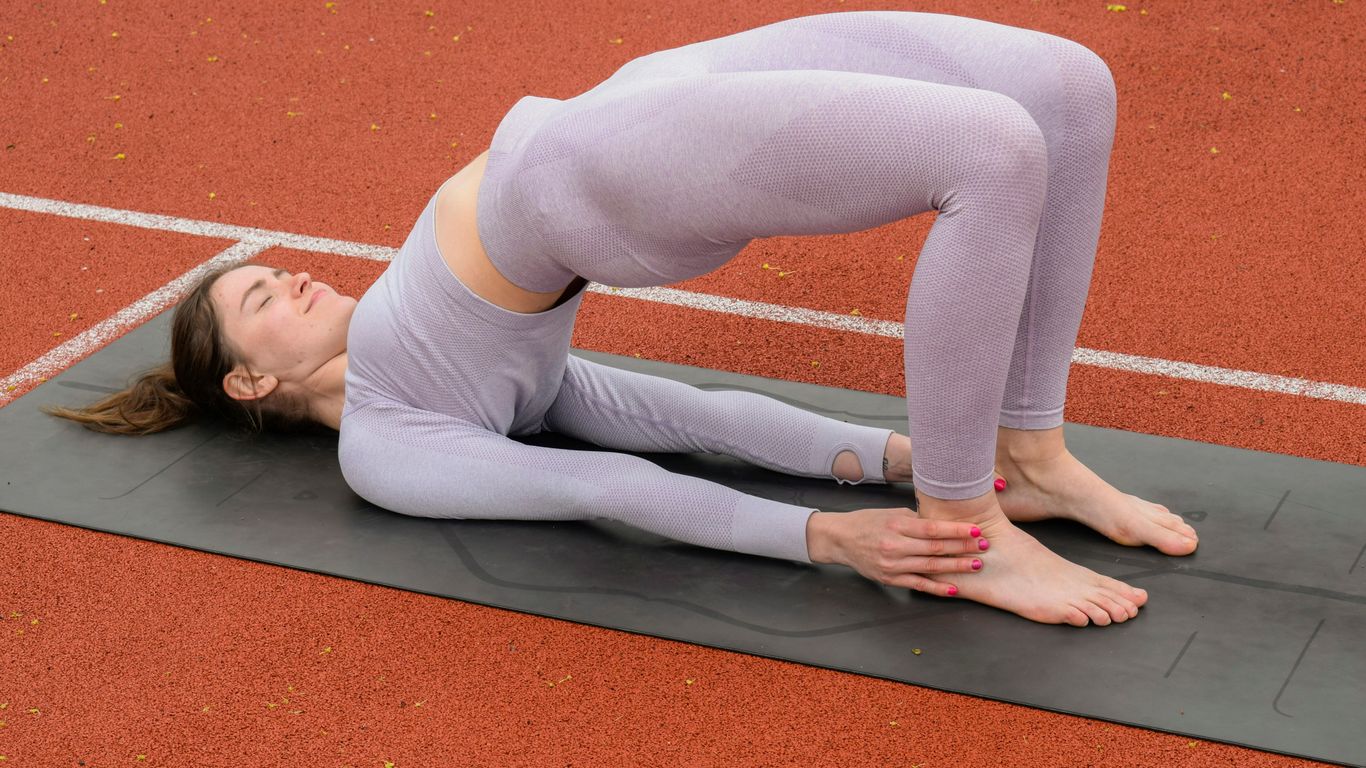
So, you're ready to roll out your mat and give yoga a try. That's awesome! Before you head to your first class or even just start at home, there are a few things that can make the experience smoother. It’s not about having all the fancy gear, but a little preparation goes a long way.
Essential Yoga Apparel
When it comes to what to wear, think comfort and freedom of movement. You don't need a special uniform, but whatever you choose should allow you to stretch and bend without feeling restricted. Stretchy, breathable fabrics are your best friend here. Think about what you'd wear to a comfortable workout – leggings, loose-fitting pants, shorts, or a comfortable t-shirt or tank top. Most studios are pretty casual, so don't stress too much about looking a certain way. The main goal is to feel good in your own skin and be able to move freely through the poses.
Choosing a Quality Yoga Mat
Your yoga mat is your personal space on the floor, and a good one can make a big difference. While you can sometimes rent mats at studios, having your own can feel more hygienic and comfortable. Look for a mat that offers a good grip so you don't slide around, especially when you start to sweat. Cushioning is also important; it protects your joints, especially your knees and wrists, from hard surfaces. If you're practicing at home, a mat can also help define your practice area. There are tons of options out there, from basic to eco-friendly, so take a little time to find one that feels right for you. You can find a great starting point with a beginner-friendly mat designed for new yogis.
Necessary Yoga Accessories
While a mat and comfortable clothes are the main things, a few other items can be helpful, especially as you get more into your practice. You don't need to buy everything at once, though! Many studios provide props, and you can often improvise at home.
- Yoga Blocks: These are like little helpers that bring the floor closer to you, making poses more accessible. They're great for support and stability.
- Yoga Strap: If you find yourself struggling to reach certain parts of your body in a pose, a strap (or even a belt or towel) can extend your reach and help you find better alignment.
- Yoga Blanket: A folded blanket can provide cushioning for your knees or back, or support your head in certain poses. It's especially useful for restorative poses.
Remember, yoga is about adapting the practice to your body, not the other way around. Props are tools to help you find comfort and proper alignment, so don't feel like you need to be able to do every pose perfectly without them. They are there to support your journey.
Finding the Right Yoga Class
So, you've decided to give yoga a whirl. Awesome! But now comes the slightly tricky part: figuring out where to actually do it. Walking into a yoga studio for the first time can feel a bit like stepping onto a different planet, with all the new terms and quiet energy. Don't sweat it, though. The key is finding a class that feels welcoming and suits where you're at right now.
Locating Beginner Yoga Classes
Your first step is to hunt down classes specifically designed for newcomers. Think of terms like "Beginner," "Foundational," "Introductory," or "Level 1." These classes are usually paced slower and focus on the basics, explaining poses clearly. You can start by doing a quick search online for "beginner yoga classes near me." Many studios list their schedules on their websites, and some even have apps. It's often a good idea to book your spot ahead of time, especially if you're going to a popular studio, so you don't get turned away.
- Look for class names like:
- Beginner Yoga
- Gentle Yoga
- Hatha Yoga (often recommended for newcomers, as it broadly covers physical practices) [ad61]
- Restorative Yoga
- Yin Yoga
If you're unsure, don't hesitate to call or email the studio. They can tell you if a particular class is a good fit for someone just starting out. If you have any injuries or health concerns, definitely mention those when you inquire. The studio or teacher can help guide you toward the best class for your needs.
Understanding Class Descriptions
Yoga studios usually provide descriptions for their classes. These can be super helpful in figuring out what to expect. You might see terms like "vinyasa," "ashtanga," or "power yoga." While these are great styles, they often move pretty quickly and might be a bit much for your very first class. Focus on descriptions that mention a slower pace, detailed instruction, and modifications.
Here's a quick rundown of what some common class types might mean for a beginner:
| Class Type | Pace | Focus |
|---|---|---|
| Hatha | Slow | Basic poses, alignment, breath |
| Gentle | Slow | Very relaxed, focus on stretching |
| Restorative | Very Slow | Uses props for deep relaxation |
| Yin | Very Slow | Long holds, targets connective tissues |
| Vinyasa/Flow | Fast | Linking poses with breath, dynamic |
| Ashtanga | Fast | Set sequence of poses, physically demanding |
Remember, the goal isn't to be perfect on your first try. It's about showing up and being open to learning. Every experienced yogi was once a beginner, fumbling through poses just like you might. Be patient with yourself.
Considering Online Yoga Options
If the idea of a studio still feels a bit daunting, or if your schedule is packed, online yoga is a fantastic alternative. You can find tons of classes online, from short 10-minute sessions to longer practices. Many platforms offer live-streamed classes where a teacher can see you (though they can't hear you) and offer feedback. This can be a great way to get personalized tips without leaving your living room. There are also pre-recorded classes, which are perfect for practicing whenever you have a spare moment. You can even try a free 7-day trial to see if it's a good fit before committing. It's a convenient way to get started and build your confidence.
Getting Started with Yoga Poses
So, you're ready to try some actual yoga poses? Awesome! It might seem a little daunting at first, especially if you've only seen those super-advanced yogis on social media. But honestly, yoga is for everybody, and the best way to start is with some gentle, foundational poses. You don't need to be flexible to start yoga; you do yoga to become more flexible.
When you're just beginning, focusing on a few basic postures is key. These poses help you get a feel for your body, learn how to breathe with movement, and build a little strength and stability. Think of them as the building blocks for everything else.
Gentle Poses for Newcomers
Let's talk about some poses that are super welcoming for beginners. These are great for getting acquainted with your body and the practice itself.
- Mountain Pose (Tadasana): This looks simple, but it's all about grounding yourself. Stand tall, feet hip-width apart or big toes touching, and feel your connection to the earth. Engage your legs, lengthen your spine, and let your arms relax by your side. It's a great way to check in with your posture.
- Cat-Cow Pose (Marjaryasana-Bitilasana): This is a dynamic duo! Start on your hands and knees. As you inhale, drop your belly, lift your chest and tailbone (Cow). As you exhale, round your spine towards the ceiling, tucking your chin (Cat). Moving between these two with your breath is fantastic for spinal mobility.
- Child's Pose (Balasana): This is your go-to resting pose. Kneel on the floor, bring your big toes to touch, and widen your knees. Then, fold your torso forward, resting your forehead on the mat and extending your arms forward or bringing them back alongside your body. It's a moment of calm and surrender.
Building Confidence with Basic Asanas
Once you're comfortable with the very basics, you can start exploring a few more poses that build on that foundation. These will help you feel more confident and capable on your mat. You can find a great introduction to these foundational postures in a guide to essential yoga poses.
Here's a quick look at a couple more to try:
- Downward-Facing Dog (Adho Mukha Svanasana): This is a classic! Start on your hands and knees, then lift your hips up and back, forming an inverted 'V' shape. Keep your knees slightly bent if your hamstrings feel tight, and press firmly through your hands. It's a great full-body stretch.
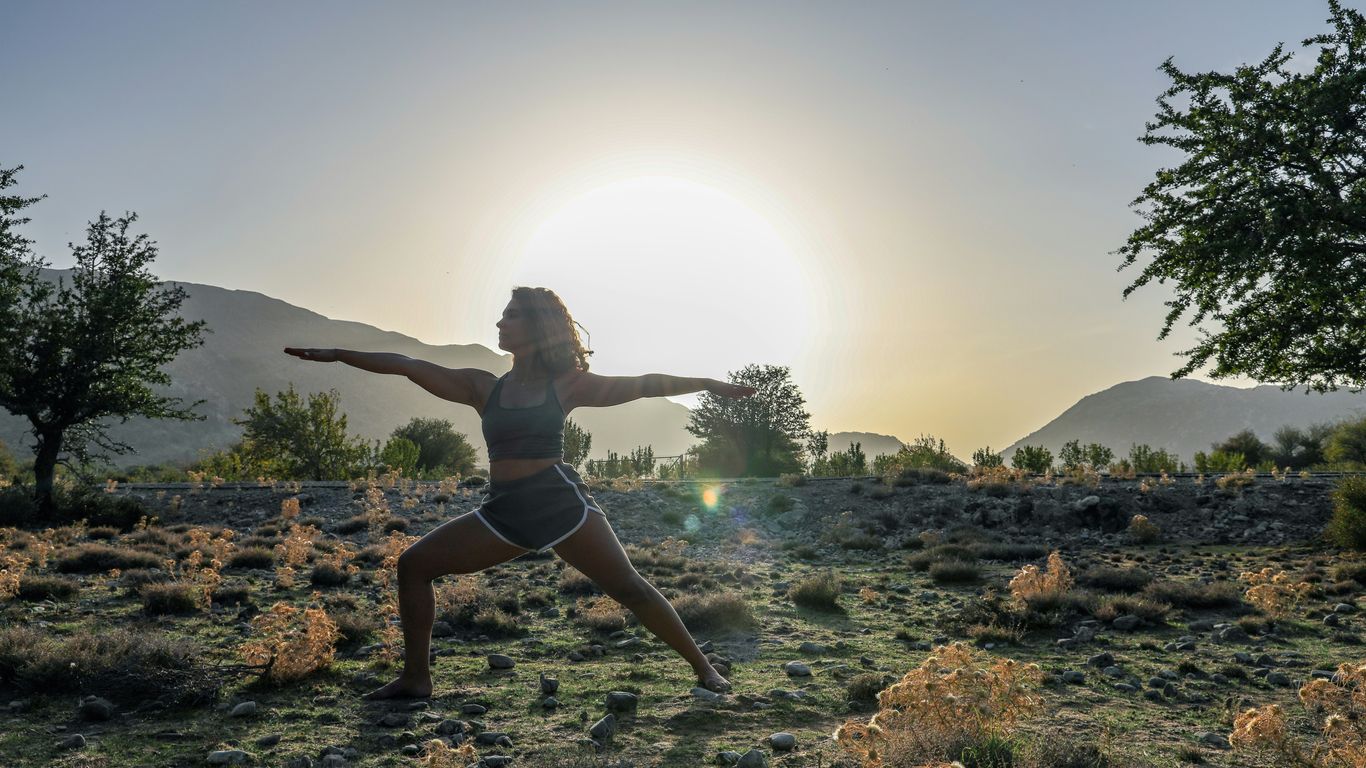
- Warrior II (Virabhadrasana II): This pose builds strength and focus. Step your feet wide apart, turn one foot out, and bend the front knee over your ankle. Extend your arms out to the sides, parallel to the floor, and gaze over your front fingertips. It's empowering!
Modifying Poses for Your Body
This is super important: yoga isn't about forcing yourself into a shape. It's about finding what works for your body, right now. Everyone's body is different, and that's totally okay.
Listen to your body. If something feels like a sharp pain, especially in your joints, ease back. There's no shame in taking a break or using props to make a pose more comfortable. The goal is to feel good, not to push yourself into discomfort.
Here are some ways to modify:
- Use props: Blocks can bring the floor closer to you, straps can help you reach further, and blankets can provide cushioning under your knees or hips.
- Bend your knees: For poses like Downward-Facing Dog or Forward Folds, bending your knees can make a huge difference if your hamstrings are tight.
- Reduce the range of motion: You don't have to go as deep into a pose as someone else. Do what feels right for your body's current flexibility and strength.
Remember, consistency is more important than intensity when you're starting out. Just showing up on your mat, even for a short time, is a win!
Establishing Your Home Practice
So, you've decided to bring your yoga practice home. That's awesome! It really opens up a lot of possibilities for fitting yoga into your life on your own terms. You don't need a fancy studio or a guru on speed dial to get started. Creating a dedicated space, even a small one, can make a big difference in your consistency.
Setting Up Your Practice Space
Think about where you'll roll out your mat. It doesn't have to be a whole room; a corner of your living room, bedroom, or even a quiet spot on a balcony can work. The main thing is to make it feel like your space.
- Clear the Clutter: A tidy space helps a tidy mind. Take a few minutes to put away anything that doesn't belong.
- Consider Lighting: Natural light is great if you have it. Otherwise, soft, ambient lighting can be more calming than harsh overhead lights.
- Temperature Control: Make sure the room is a comfortable temperature for you. Not too hot, not too cold.
- Minimize Distractions: If possible, choose a spot away from high-traffic areas or noisy appliances. Turn off notifications on your phone.
Tips for Practicing at Home
Practicing solo has its own unique vibe. It's a chance to really tune into yourself without any external pressures.
- Start Small: Don't feel like you need to do an hour-long session right away. Even 10-15 minutes of movement and breath can be incredibly beneficial.
- Listen to Your Body: This is probably the most important tip. Your body knows what it needs. If something doesn't feel right, ease out of the pose or modify it.
- Use Props: Don't shy away from props like blocks, straps, or blankets. They aren't just for beginners; they help you find better alignment and support in poses. You can even use household items like sturdy books for blocks or a belt for a strap.
- Be Patient: Some days you'll feel strong and flexible, other days you might feel stiff. That's totally normal. Just show up on your mat with kindness towards yourself.
Utilizing Online Resources
The internet is a treasure trove for home yoga practitioners. There are tons of free and paid resources available.
- YouTube Channels: Many yoga teachers offer a vast library of free classes for all levels, including specific beginner series.
- Subscription Services: These often provide a wider variety of classes, specialized programs, and a more structured learning path.
- Yoga Apps: Many apps offer guided practices, pose libraries, and progress tracking.
Remember, the goal isn't to achieve perfect poses or to look a certain way. It's about connecting with your breath, moving your body, and cultivating a sense of inner peace. Your home practice is your personal sanctuary, a space where you can explore and grow at your own pace.
Here's a quick look at some common props and their uses:
| Prop | Primary Use |
|---|---|
| Mat | Provides cushioning and grip |
| Block | Brings the floor closer, adds support |
| Strap | Extends reach, helps with flexibility |
| Blanket | Adds cushioning, support for restorative poses |
| Towel | Absorbs sweat, adds grip on the mat |
Navigating Your Yoga Experience
Listening to Your Body
Starting yoga is a bit like learning a new language, and sometimes it feels like everyone else already knows all the words. You'll hear Sanskrit names for poses, and the instructor might move through sequences pretty quickly. It's easy to feel a little lost or even compare yourself to others. But here's the thing: yoga isn't a competition. Your journey is unique to you. That means paying attention to what your body is telling you is super important. If a pose feels like it's straining something, or if you're just not feeling it that day, it's okay to back off. Maybe you can't hold a pose for as long as someone else, or maybe your knees hurt in a certain position. That's perfectly fine. There are always ways to adjust or take a break. Think of it like this:
- Don't push through pain: Sharp or sudden pain is a signal to stop or modify.
- Rest when needed: Child's Pose is your friend! Use it whenever you need a breather.
- Modify poses: Most poses can be changed to fit your body better. Don't be afraid to ask your instructor for options.
Consistency Over Intensity
When I first started yoga, I thought I had to be super intense about it, like doing a super hard class every single day. But honestly, that just led to me feeling tired and sometimes even a little sore. It turns out, showing up regularly, even for shorter, gentler sessions, is way more effective in the long run. It's better to do a 20-minute practice three times a week than to try for an hour-long, super-sweaty session once and then skip the rest of the week because you're wiped out. Building a habit is the main goal here.
Here’s a simple way to think about it:
- Aim for regularity: Try to practice on specific days or at a certain time.
- Keep it manageable: Start with shorter sessions that you can stick to.
- Focus on showing up: The act of getting on your mat is the victory.
Embracing the Learning Process
It's easy to get caught up in wanting to do every pose perfectly right away. You might watch videos or see pictures and think, "Wow, I'll never be able to do that." But that's not really the point of yoga. It's more about the process of learning and discovering what your body can do, and how you feel afterward. Some days will be easier than others. You might repeat a class because you didn't feel like you got it the first time, or you might just accept that you did your best for that day and move on. Both are totally valid.
Remember that yoga is a practice, not a performance. There's no final exam or grade. Each session is an opportunity to learn something new about yourself and your body. Be patient and kind to yourself as you explore.
Think about it like this:
- Progress, not perfection: Celebrate small improvements.
- Curiosity is key: Approach each pose with a sense of exploration.
- Be patient: It takes time to build strength, flexibility, and balance.
Keep Going!
So, you've taken the first steps into the world of yoga, and that's awesome. Remember, this is just the beginning of your journey. Don't worry if some poses feel tricky or if you don't get it right away. Everyone starts somewhere, and the most important thing is that you showed up for yourself. Keep practicing, be patient, and listen to your body. Whether you're finding your flow at home or in a studio, the benefits will start to show. You've got this!
Frequently Asked Questions
What exactly is yoga?
Yoga is a way to connect your mind, body, and spirit. While it has deep roots in helping people find peace and understanding, in the West, we often focus on the physical part, which involves doing different poses and breathing exercises. It's a fantastic way to exercise your body and calm your mind.
Can anyone do yoga, even if I'm not flexible?
Absolutely! Yoga isn't just for super-bendy people. The whole point of yoga is to help you become more flexible, both in your body and in your life. It's made for everyone, no matter your age, size, or how flexible you are right now.
What should I wear to my first yoga class?
You don't need fancy gear to start. Just wear comfortable clothes that let you move freely. Think stretchy pants or shorts and a top that won't ride up. Most studios have mats you can use, but if you want your own, a non-slip mat is a good investment later on.
What if I have an injury or a health problem?
It's always a good idea to chat with your doctor before starting yoga if you have any health concerns or injuries. Many poses can be changed or skipped, and a good teacher can show you how to do things safely for your body. Never push yourself to feel sharp pain.
How do I know if a yoga class is right for me?
Look for classes labeled 'beginner,' 'foundational,' or 'gentle.' These classes focus on the basics and are designed for newcomers. If you're unsure, don't hesitate to call the studio or ask the teacher if the class is suitable for absolute beginners.
Do I need special equipment for yoga?
Not really, especially when you're just starting. Comfortable clothes are key. While a yoga mat is helpful for grip and cushioning, you can often borrow one or use a towel on a regular mat at first. Studios usually have props like blocks or straps if needed, but you can also use household items like books or belts.

