

Your Ultimate Guide: How Do I Clean My Yoga Mat for Peak Performance?
So, you're wondering, how do I clean my yoga mat? It's a question a lot of us have, especially when we realize that sticky, smelly mat isn't doing our practice any favors. Your mat is basically your personal space for yoga, and keeping it clean is super important for hygiene and, honestly, for making sure you don't slip during that tricky pose. We'll break down the simple steps to get your mat back to feeling fresh and grippy, no complicated stuff involved.
Key Takeaways
- Regular cleaning prevents bacteria buildup and maintains your mat's grip, which is key for a safe practice.
- How often you clean depends on your practice frequency; daily users need more frequent cleaning than occasional users.
- Different mat materials require different cleaning methods – using the wrong one can damage your mat.
- Always allow your mat to air dry completely before rolling it up to prevent mold and mildew.
- Avoid harsh chemicals and abrasive tools; gentle cleaning is best for your mat's longevity and your skin.
Understanding Your Yoga Mat's Needs
Your yoga mat is more than just a piece of equipment; it's your personal space for practice, a foundation for balance, and a place where you connect with yourself. Just like any tool you use regularly, it needs care to perform its best and last a long time. Ignoring its needs can lead to a less-than-ideal practice and, well, a pretty gross mat.
The Risks of a Dirty Mat: Bacteria & Grip Loss
A yoga mat that isn't cleaned regularly can become a breeding ground for all sorts of things you'd rather not think about. Sweat, dead skin cells, and moisture create a perfect environment for bacteria and fungi to thrive. This isn't just unpleasant; it can lead to skin irritations or even infections. Beyond the hygiene factor, a dirty mat often loses its grip. That sticky film or residue from sweat and oils can make your mat slippery, compromising your stability in poses and increasing the risk of injury. A mat that’s lost its grip is a mat that’s failed its primary job.
How Often Should You Clean Your Mat?
The frequency of cleaning really depends on how much you use your mat and how much you sweat. For daily practitioners, a quick wipe-down after each session is a good idea. For those who practice a few times a week, a more thorough cleaning once a week or every other week should suffice. If you tend to sweat a lot during your practices, or if you practice in a hot environment, you'll want to clean it more often. For many, a routine of wiping down after each use and a deeper clean weekly works well. If you're using your mat for more intense workouts or outdoors, consider cleaning it after every use. For general use, cleaning your Manduka yoga mat at least once a week is a good starting point.
When Is It Time to Say Goodbye to Your Mat?
Even with the best care, yoga mats don't last forever. There are a few tell-tale signs that it's time to retire your current mat and invest in a new one. Look out for:
- Persistent Odors: If no amount of cleaning can get rid of a lingering smell, it's probably time for a replacement.
- Visible Wear and Tear: Cracks, tears, or significant thinning indicate that the mat's structural integrity is compromised.
- Loss of Grip: If your mat has become permanently slippery, even after a thorough cleaning, it's no longer safe or effective.
- Delamination: Some mats, especially those made of multiple layers, can start to separate. This is a clear sign that the mat is past its prime.
Sometimes, we get attached to our yoga mats, seeing them as extensions of our practice. But when a mat starts to show significant signs of wear, it's not just about aesthetics; it's about safety and the quality of your practice. Recognizing when it's time for a new mat is part of responsible practice.
Essential Cleaning Supplies and Solutions
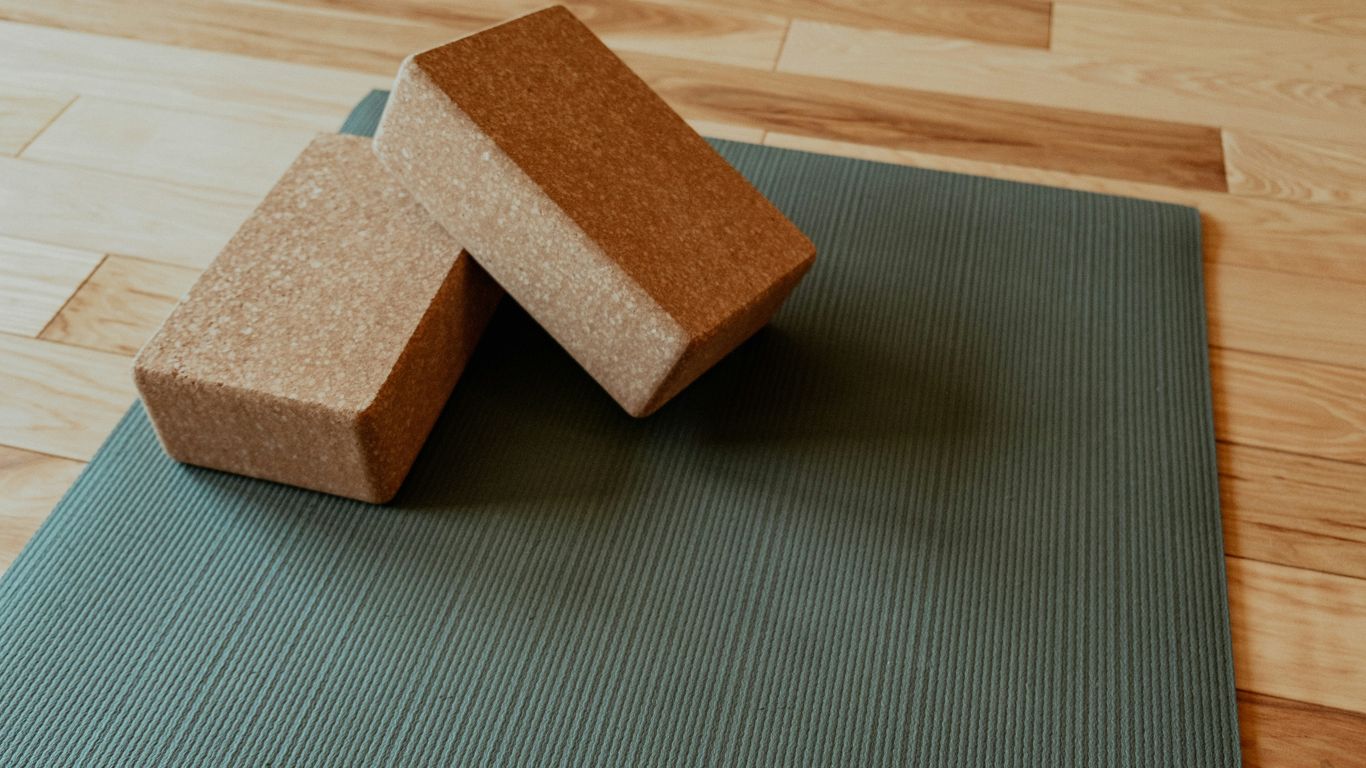
Setting yourself up for regular mat cleaning is easier than you might think. Most supplies are right at home, and the results? Fresh, grippy, and ready for any flow. You don’t need anything fancy—just a few basics will keep your mat in solid shape.
Homemade Natural Yoga Mat Spray Recipes
If the idea of commercial sprays makes your nose wrinkle, skip them and try these DIY blends. The scents are customizable, and you know exactly what goes into each bottle.
Three easy homemade spray formulas:
- Vinegar Power Spray
- 1 cup distilled water
- 1/2 cup white vinegar
- 10 drops tea tree oil
- 10 drops lavender oil
- Swirl all together in a spray bottle. Spray, wipe, air dry. Good for sweaty mats.
- Rubber-Mat Friendly Witch Hazel Blend
- 3/4 cup witch hazel
- 1/4 cup distilled water
- 5 drops eucalyptus oil
- 5 drops lemon oil
- Mix, spray gently, and don’t overdo it.
- Daily Refresh Spray
- 1 cup distilled water
- 1 tablespoon baking soda
- 8 drops peppermint oil
- 5 drops tea tree oil
- Dissolve baking soda, add oils, and clean lightly post-practice.
Making your own spray means no hidden chemicals, just what you like—including your favorite scents and enough cleaning power to keep things fresh, not harsh.
Preparing a Gentle Cleaning Solution
A gentle cleaner keeps your mat clean without stripping its surface or causing irritation. Here’s a general guide to a homemade gentle cleaner:
- Mix water with a splash of either white vinegar or witch hazel, depending on what you have.
- Only use a small amount of essential oil (like tea tree, lavender, or peppermint)—less is more, especially if you have sensitive skin.
- Always shake your bottle before use for even mixing.
Top Gentle Cleaning Ingredients Table
| Ingredient | Purpose | Caution |
|---|---|---|
| Distilled water | Base / Dilution | None |
| White vinegar | Disinfects, degreases | Strong smell |
| Witch hazel | Mild disinfectant | Test for allergies |
| Essential oils | Scent, antibacterial | Use sparingly |
| Mild soap (castile) | Gentle cleaning | Rinse thoroughly |
Choosing the Right Cleaner for Your Mat Material
Choosing the right spray depends on what your mat is made of. Some materials get damaged if you’re not careful. Here’s a cheat sheet to keep by your cleaning caddy:
- PU Coated & Open-Cell Mats: Avoid baking soda or too much oil—clogs the surface and ruins the grip.
- Natural Rubber: Stay away from vinegar or oils unless the manufacturer allows it. Water and a drop of mild soap is safest.
- PVC Mats: These are durable—mild soap and water work well, but don’t soak too long or use industrial cleaners.
- Cork Mats: Just a gentle water wipe, no soaking or heavy cleaning required.
- TPE Mats: Skip essential oils; a natural spray with water and the lightest touch is plenty.
For mats like Manduka, be sure to let the cleaner sit for about 5 minutes before rinsing off to get all residues out—more tips for Manduka mat cleaning.
- Keep a soft brush or cloth handy
- Swap out towels often
- Never forget to let your mat dry before rolling it up
That’s it. The right supplies don’t have to cost much—just pick what matches your mat, and keeping it clean turns into just another simple step between classes.
Material-Specific Cleaning Techniques
Not all yoga mats are created equal, and what works for one might actually damage another. It's like trying to use the same soap on your hair and your dishes – doesn't quite work out, right? Understanding what your mat is made of is the first step to keeping it in good shape and ensuring it performs well for your practice. Using the wrong cleaner can lead to stickiness, cloudiness, or even break down the material over time. Always check the manufacturer's instructions if you have them, but here's a general guide to common mat types.
Caring for PU Coated Mats
These mats, often found in premium brands, have a polyurethane coating that gives them excellent grip. However, this coating is also quite sensitive. You need to be extra gentle with PU coated mats. Avoid harsh chemicals, abrasive cloths, or excessive scrubbing. A simple wipe-down with a damp cloth is usually best. If you need to clean it, use a very mild soap diluted in water, and make sure to wipe it down with a clean, damp cloth afterward to remove any residue. Never use essential oils directly on these mats, as they can degrade the PU surface.
Cleaning Natural Rubber Mats
Natural rubber mats are popular for their grip and eco-friendliness. They can be a bit more absorbent, so it's important not to soak them. A mixture of water and a little white vinegar is often recommended, but some sources suggest avoiding vinegar altogether as it can cause the rubber to oxidize over time. A safer bet is usually just water with a tiny bit of mild, plant-based soap. Always rinse thoroughly with a clean, damp cloth to remove any soap residue. Avoid alcohol-based cleaners and citrus oils, as these can break down the rubber.
Maintaining Cork and PVC Mats
Cork mats are naturally antibacterial and don't require a lot of cleaning. Usually, a light mist of water and a quick wipe with a microfiber cloth is all they need. Never soak a cork mat, and avoid vinegar, as it can dry out the cork. PVC mats are generally more durable and easier to clean. You can use a diluted dish soap or a gentle disinfectant spray. Just be sure to rinse well with plain water afterward. Laying PVC mats flat to dry is usually best, as they tend to dry quickly.
Gentle Care for TPE Mats
TPE (Thermoplastic Elastomer) mats are a good middle ground, often more eco-friendly than PVC but more durable than natural rubber. They can typically handle a mix of water and white vinegar or a pH-neutral cleaner. Be cautious with essential oils, as some can be too strong. Like other mats, avoid harsh chemicals and never scrub too hard. TPE mats can sometimes retain odors if left damp, so proper air-drying is key. Hanging them is often recommended.
Remember, even with the right cleaner, the way you dry your mat is just as important. Trapped moisture is the enemy, leading to mold and a less-than-pleasant smell. Always give your mat ample time to air dry completely before rolling it up for storage. For a deeper clean, generously spray your mat until it is visibly wet. Allow it to sit for 1-2 minutes. Then, use a clean cloth to gently scrub away any dirt or stains.
The Step-by-Step Cleaning Process
Quick Daily Wipe-Down Routine
After each yoga session, a quick clean-up is your first line of defense against grime and odors. It doesn't take long, but it makes a huge difference in keeping your mat fresh and hygienic. This simple routine prevents sweat and dirt from setting in.
Here’s how to do it:
- Shake it out: Before anything else, take your mat outside and give it a good shake. This gets rid of loose dust, hair, and any other bits that might have landed on it.
- Wipe down: Grab a clean, soft cloth (microfiber works great) and lightly dampen it with plain water or a very diluted, mat-safe cleaner. Gently wipe down the entire surface of your mat.
- Dry it off: Use a dry part of the cloth or a separate dry cloth to wipe away any excess moisture. You want the mat to be dry to the touch before you roll it up.
Deep Cleaning for Stubborn Grime
For those times when a quick wipe just won't cut it – maybe after a particularly sweaty class or if you notice some marks – it's time for a deeper clean. This process tackles built-up dirt and oils more effectively.
- Gather your supplies: You'll need a spray bottle, distilled water, a mild cleaner (like a diluted vinegar solution or a pH-neutral soap), and a couple of soft cloths.
- Prepare your solution: Mix your chosen cleaner. A good starting point is one part white vinegar to two parts distilled water. If using soap, make sure it's very mild and diluted.
- Spray and wipe: Lightly mist the mat's surface with your cleaning solution. Don't drench it; you don't want excess liquid seeping into the mat's core. Use a soft cloth to wipe down the mat, working in one direction to avoid streaks.
- Rinse (if needed): If you used soap or a stronger solution, you might want to do a quick rinse. Lightly mist with plain distilled water and wipe again with a clean cloth to remove any residue.
- Address tough spots: For any stubborn marks, you can try gently scrubbing with a soft brush or sponge, but be careful not to damage the mat's surface.
Remember, the goal is to clean the mat without leaving behind any sticky or slippery residue. This can attract more dirt and affect your grip during practice.
The Importance of Air-Drying
This step is absolutely critical, and it's one people often rush. Proper air-drying is key to preventing mildew, odors, and material breakdown.
- Hang it up: The best way to dry your mat is to hang it over a shower rod, a drying rack, or even a sturdy chair. Make sure there's good airflow around it.
- Lay it flat: If hanging isn't an option, lay the mat flat on a clean surface. Avoid direct sunlight, as UV rays can degrade some mat materials over time.
- Be patient: Give your mat plenty of time to dry completely. This can take anywhere from a few hours to overnight, depending on humidity and how damp it got. Never roll up a damp mat; moisture trapped inside is a breeding ground for bacteria and can ruin the mat's structure.
Common Cleaning Mistakes to Avoid
Cleaning a yoga mat seems easy enough, right? Grab a spray and wipe it down. But honestly, that's where a bunch of folks hit snags—ending up with sticky mats, faded prints, and some seriously weird smells. If your mat constantly feels slick or cloudy after a scrub, chances are you’ve fallen into one of these traps. Let’s break down what not to do so your mat stays fresh and lasts longer:
Overdoing It With Chemicals
Less is more when it comes to cleaning your mat—heavy cleaners can wreck both texture and grip. Many people go wild with sprays and soaps, but here’s what usually backfires:
- Excessive soap or detergent leaves a residue.
- Bleach and solvent-based cleaners can break down the mat surface.
- Essential oils might smell great, but they don’t evaporate and can leave behind a slippery (and sometimes stained) film.
If you’re using a mat with a PU or natural rubber surface, harsh chemicals are especially risky—they strip away that vital grip. Regular gentle cleaning protects the material and keeps your downward dogs from sliding all over.
Skipping the Drying Step
Skipping air-drying is the fast track to a musty, moldy mat. Even if you think you wiped it enough, a mat that’s rolled up before it’s totally dry turns into a breeding ground for funk and bacteria. Instead:
- Always air-dry flat or hang over a railing (never in direct sunlight—UV rays and heat can cause warping).
- Double-check that your mat is completely dry before rolling.
- Try to clean your mat at a time when you can leave it to dry for a few hours.
A still-damp mat might not smell weird right away, but give it a week and you’ll regret it. Letting your mat breathe keeps it fresh and helps prevent all those little cracks and creases from forming.
Using Abrasive Tools
It’s tempting to scrub out stubborn stains, but actually, tough brushes and regular paper towels do more harm than good. Instead, stick with:
- Soft, lint-free microfiber cloths
- Clean sponges (not the scratchy kind)
- Gentle, one-way wipes—always avoid rubbing in circles
Below is a quick table to recap common cleaning mistakes and their effects:
| Cleaning Mistake | What Goes Wrong |
|---|---|
| Too much soap/cleaner | Sticky residue, reduces grip |
| Skipping air-drying | Mold, bad odors, warping |
| Abrasive brushes/tools | Scratches mat, damages surface |
| Direct sunlight drying | Faded color, brittle material |
| Face-down storage when damp | Trapped moisture, breeding bacteria |
Making a few small changes in your mat cleaning routine can make a big difference in how long it lasts (and how nice practice feels). Take it slow, use careful methods, and your mat will thank you every time you roll it out.
Maximizing Your Mat's Lifespan
So, you've got a cleaning routine down pat. That's awesome! But keeping your mat in good shape isn't just about the cleaning itself; it's also about how you treat it after the spray and wipe-down. Think of it like taking care of any favorite piece of gear – a little extra attention goes a long way.
Proper Storage Tips After Cleaning
Once your mat is clean and completely dry, don't just shove it in a corner or roll it up tight. How you store it makes a difference. Rolling your mat loosely, with the top side facing outwards, helps prevent creases and preserves its texture. Always find a cool, dry spot away from direct sun or extreme temperatures – your car trunk on a hot day is a definite no-go.
- Roll it loosely: Top side out is usually best.
- Find a cool, dry place: Avoid heat and direct sunlight.
- Use a mat bag for transport: But remember to air out the bag too!
Additional Mat Care Strategies
Beyond storage, a few other habits can really help your mat last. If you practice in hot conditions or tend to sweat a lot, consider using a yoga towel. It absorbs a good chunk of the moisture, meaning less gets into your mat, and it's way easier to wash a towel than to deep clean your mat every time. Another smart move? If you can swing it, having two mats and rotating them means each one gets a chance to fully dry and air out between uses. This really cuts down on moisture buildup and potential odor issues.
A mat that's allowed to fully dry between sessions is less likely to harbor bacteria and odors. It's a simple step that significantly impacts both hygiene and longevity.
When to Consider Mat Replacement
Even with the best care, mats don't last forever. Things like persistent odors that cleaning just won't touch, visible cracks or tears, or a noticeable loss of grip are all signs that your mat has given its all. It's tough to say goodbye, but sometimes a new mat is needed for safety and a better practice. Generally, if you're cleaning and storing it well, you can expect a good mat to last a few years before these issues start cropping up.
Make Cleanliness Part of Your Practice
So, there you have it. Keeping your yoga mat clean isn't some big, complicated chore. It's really just about giving your trusty mat a little attention so it can keep supporting you through all those poses. Remember to check what your mat is made of before you grab any cleaner, and try to get into a routine, even if it's just a quick wipe down after class. A clean mat means better grip, less worry about germs, and honestly, it just feels way nicer to practice on. Your mat is there for you, so show it some love back. Your next session will feel that much better.
Frequently Asked Questions
How often should I really clean my yoga mat?
It really depends on how much you practice! If you're a daily yogi or love hot yoga, give your mat a quick wipe-down after every session. For those who practice a few times a week, a good clean once a week is usually enough. If you only use your mat once in a while, cleaning it once a month should be okay, but always check for any funky smells or stickiness.
What happens if I don't clean my yoga mat?
A dirty mat can become a breeding ground for germs and bacteria, especially from sweat. This can lead to yucky smells and even skin issues. Plus, all that gunk can make your mat slippery, which is dangerous when you're trying to hold a pose. Keeping it clean helps you stay safe and healthy.
Can I just throw my yoga mat in the washing machine?
Generally, no. Most yoga mats, especially those made of natural rubber or PU, can be damaged by a washing machine. The spinning and harsh detergents can break them down. Only mats made of certain materials, like some TPE or 100% cotton mats, might be okay, but always check the manufacturer's instructions first.
What's the best way to dry my yoga mat after cleaning?
The most important thing is to let it air dry completely! Never roll up a damp mat, as this can cause mold and mildew. Hang it over a railing or lay it flat in a well-ventilated, shaded spot. Avoid direct sunlight or heat, as this can damage the mat's material.
My mat still smells even after cleaning. What can I do?
Persistent odors usually mean moisture or bacteria are trapped deep inside. Try a deeper clean using a solution of equal parts water and white vinegar, then rinse and dry thoroughly. For some mats, sprinkling baking soda on it, letting it sit, and then vacuuming it off can help absorb smells. Always ensure it's completely dry afterward.
When should I just buy a new yoga mat?
Even with great care, mats don't last forever. If your mat has developed deep cracks or holes, smells bad no matter how much you clean it, or feels super slippery even after a good scrub, it's probably time to get a new one. A worn-out mat won't support your practice safely.


