

Your Ultimate Guide: How Can I Start Doing Yoga at Home Today?
Thinking about starting yoga at home but not sure where to begin? You're not alone. Many people feel a little lost when they first consider rolling out their mat in their own space. It can seem like there's a lot to know, from picking the right style to figuring out the poses and even just finding the time. But the good news is, you don't need a fancy studio or complicated equipment to begin. This guide will walk you through how to start yoga at home with confidence, making it a simple and rewarding part of your life.
Key Takeaways
- Home yoga offers chances for self-discovery and managing your feelings.
- You can set up a peaceful spot for your practice, making it easier to focus.
- Start with basic yoga styles and poses, and pay attention to your breathing.
- Don't worry about doing it perfectly; listen to your body and start with simple routines.
- Consistency is more important than long sessions; even short, regular practices make a difference.
Understanding How To Start Doing Yoga At Home
Getting started with yoga at home might feel a bit daunting, like standing at the edge of a new path. You see the benefits – more calm, better strength, a clearer head – but the first step can be the hardest. The good news is, you don't need a fancy studio or a guru to begin. It's about creating your own space and time to connect with yourself.
Embracing The Benefits Of Home Yoga
Practicing yoga in your own home is a unique experience. It's not just about the physical stuff, though that's part of it. It's really about learning to listen to your own body and mind. When you're not following along with a group, you start to notice things. How does this pose really feel? What does your breath tell you? This self-awareness is a big deal. It helps you understand your own reactions, both when you're on the mat and when you're out in the world. It's like learning to be your own guide, figuring out what you need in any given moment. This can make a real difference in how you handle stress and just generally feel more in control of your day.
Cultivating Self-Knowledge And Regulation
When you practice yoga solo, you're the boss. You get to decide if you want a quick 10-minute stretch or a longer, more involved session. You can choose the style, how hard you push, and the pace that feels right for you on that particular day. Feeling tired? Maybe a gentle, calming sequence is what you need. Got a lot of energy? You can try some more challenging poses. This freedom to do what feels good, without any pressure or comparing yourself to others, is a real act of self-care. It's a chance to be completely generous with your time and energy, focusing only on your own well-being. This personal approach helps you build a deeper connection with yourself.
Achieving Exponential Growth Through Consistency
It's easy to think that you need long, intense yoga sessions to see results. But honestly, that's not really how it works, especially when you're starting out at home. The real magic happens with regular, shorter practices. Think about it: would you rather go for a long run once a month, or a short jog a few times a week? The jogging is going to build more consistent fitness, right? Yoga is similar. Even 15-20 minutes a day, done consistently, will lead to much greater progress than one long session every now and then. It helps build the habit, makes it less intimidating, and allows your body and mind to adapt gradually. Over time, these small, regular efforts add up, leading to significant improvements in flexibility, strength, and mental clarity.
Here’s a simple way to think about building that consistency:
- Set a Realistic Time: Don't aim for an hour if you know you can only spare 15 minutes. Start small.
- Make it Easy to Start: Lay out your mat the night before, or choose a time that naturally fits into your day, like first thing in the morning.
- Be Kind to Yourself: Missed a day? It happens. Just get back on your mat the next day without guilt.
The most important thing when starting yoga at home is to just begin. Don't get caught up in perfection or comparing yourself to others. Focus on how it feels in your body and be patient with the process. Small, consistent steps lead to big changes over time.
Creating Your Ideal Home Yoga Sanctuary
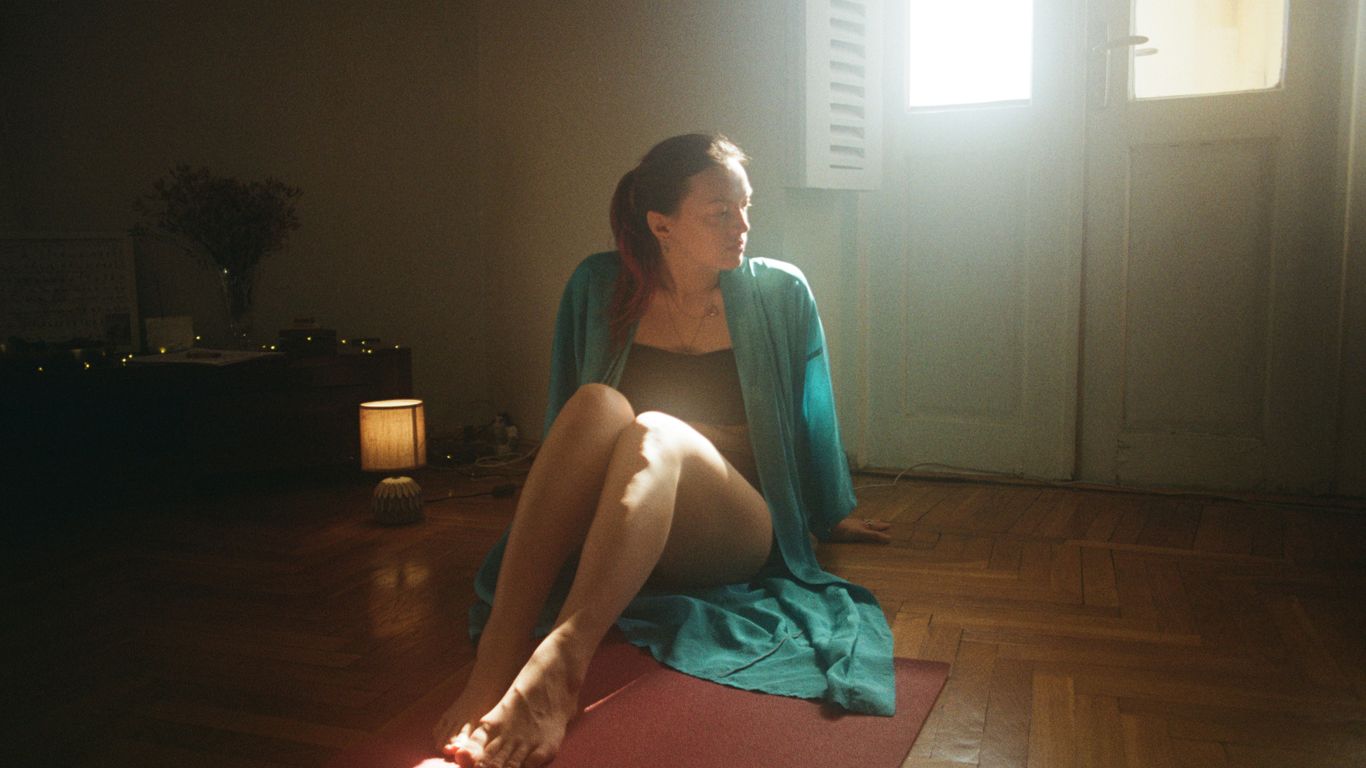
Setting up your own yoga space at home is a really important step, even if it's just a small corner. It's like giving yourself permission to switch off from the daily grind and focus on your practice. You don't need a huge room or fancy equipment to start; just a spot that feels right for you can make a big difference.
Clearing And Preparing Your Practice Space
First things first, let's talk about clutter. A messy environment can really mess with your mind, and that's the opposite of what we want when we're trying to find some calm. Before you even roll out your mat, take a few minutes to tidy up the area. Put away anything that doesn't belong, stack up those books, or just make sure you have enough clear floor space to move around comfortably. Even a small, clean corner can feel like a peaceful escape.
Optimizing Lighting And Sound
Think about the atmosphere you want to create. Soft lighting can be really nice. Natural light from a window is great if you have it, or you could use a dim lamp. Some people like to use gentle scents, maybe a diffuser with a calming oil like lavender or sandalwood, or even a stick of incense (just be careful with flames!). Playing some quiet, calming music or nature sounds can also help block out any distracting noises from outside, like traffic or neighbors.
Adding Personal Touches For Ambiance
Now for the fun part: making the space your own. You don't need much, but a few personal touches can make your sanctuary feel more inviting. Maybe a small plant to bring in some life, a picture that makes you feel good, or even just a comfortable cushion to sit on. The goal is to create a place that feels welcoming and supports your intention to practice.
Here’s a quick checklist to get you started:
- Clear the clutter: Remove anything that doesn't belong in your practice area.
- Designate your spot: Find a place with enough room for your mat and for you to move.
- Adjust the light: Aim for soft, natural, or dim artificial light.
- Manage sound: Minimize noise or use calming background sounds.
- Add personal items: A plant, a candle (used safely!), or a calming image can make it feel more inviting.
Setting up your yoga space is an act of self-care. It's about creating an environment that supports your intention to practice and helps you disconnect from the outside world. Even small efforts can make a big impact on your consistency and enjoyment.
Choosing The Right Yoga Style And Poses
So, you're ready to roll out your mat and begin your yoga adventure right at home. That's fantastic! It can feel a bit daunting at first, wondering if you're doing things right or if you're even picking the right kind of yoga. But honestly, the most important thing is just to start. Think of it like learning any new skill – you wouldn't expect to be a pro on day one, and yoga is no different.
Exploring Beginner-Friendly Yoga Styles
Yoga isn't a one-size-fits-all thing. There are many different styles, and some are definitely more beginner-friendly than others. For those just starting out, Hatha yoga is often recommended. It moves at a slower pace, allowing you to really focus on the poses and get your alignment right. Vinyasa yoga is another popular choice, where you link your breath with movement in a more flowing sequence. If you prefer something really gentle, Yin yoga involves holding poses for longer periods, which can be great for flexibility. It's a good idea to explore a few different styles to see what feels best for your body and your mood on any given day. You can find lots of introductory videos online to get a feel for them.
Here's a quick look at some common styles:
- Hatha Yoga: Slower-paced, focusing on basic postures and breathwork. Great for beginners or those wanting a gentler approach.
- Vinyasa Yoga: Links movement with breath in a fluid, dynamic sequence. Often called "flow yoga," it's energizing and builds strength.
- Yin Yoga: Holds passive floor poses for longer periods to target connective tissue. It's deeply meditative and good for stress relief.
- Restorative Yoga: Uses props to support the body in restful postures, allowing the nervous system to completely unwind. Ideal if you're exhausted or recovering.
Understanding Basic Yoga Postures
While there are countless yoga poses, starting with a few basic ones will build a solid foundation. These poses are accessible and offer significant benefits. Some common beginner poses include:
- Mountain Pose (Tadasana): The starting point for many standing poses, promoting good posture and grounding.
- Downward-Facing Dog (Adho Mukha Svanasana): A pose that stretches the hamstrings, calves, and shoulders, while also building upper body strength.
- Child's Pose (Balasana): A resting pose that gently stretches the back and hips, promoting relaxation.
- Cobra Pose (Bhujangasana): A gentle backbend that strengthens the spine and opens the chest.
Learning these poses correctly is key to a safe and effective practice. It's important to remember that yoga is a practice, not a performance. There's no need to push yourself into poses that feel uncomfortable or cause pain. Listen to your body, modify poses as needed, and celebrate the small victories. Consistency over intensity is the name of the game when you're starting out.
Focusing On Breathwork And Alignment
Once you're familiar with a few basic poses, you can start putting them together into simple sequences. Sun Salutations, or Surya Namaskar, are a classic starting point. They involve a set sequence of poses that flow together, hitting many major muscle groups and warming up the body. You can find many variations online, from slow and gentle to more dynamic flows. Don't worry about doing them perfectly at first; just focus on moving with your breath and getting a feel for the flow. As you get more comfortable, you can gradually add more poses or explore different sequences. Remember, the goal is to create a practice that feels good and supports your well-being, not to achieve some impossible ideal. You can find great resources for beginner yoga poses to help you get started.
The connection between breath and movement is central to yoga. Paying attention to your inhale and exhale as you move through poses helps to calm the mind and deepen the physical experience. Proper alignment, focusing on how your body is positioned in each pose, is also really important for preventing injury and getting the most out of the stretch.
Establishing A Consistent Home Yoga Routine
So, you've got your space, you've picked a style, and you're ready to go. But how do you actually make this a regular thing? It's easy to get excited for a few days, then life happens, and suddenly your mat is gathering dust. The trick to making yoga a lasting habit at home isn't about grand gestures; it's about small, steady steps.
Maximizing Your Time And Energy For Practice
When you're juggling work, family, and everything else, finding time for yoga can feel like a luxury. But think about it this way: even a short practice can give you a boost. Instead of aiming for an hour-long session that you might never get to, try scheduling just 15 or 20 minutes. You might be surprised how much you can accomplish in that short window. It's about quality over quantity. A focused, mindful session, even if brief, can leave you feeling more refreshed and ready to tackle the rest of your day than a rushed, long practice.
- Morning Boost: A quick session before breakfast can set a positive tone.
- Lunch Break Reset: Use a portion of your lunch hour to stretch and breathe.
- Evening Wind-Down: A gentle practice before bed can help you relax.
Overcoming Procrastination And Building Habits
Let's be real, sometimes the hardest part is just getting onto the mat. That voice in your head saying 'I'll do it later' can be pretty loud. To fight this, try making it as easy as possible to start. Set your mat out the night before. Lay out your comfy clothes. Treat your yoga time like an important appointment you wouldn't miss. Consistency is the name of the game here, not perfection. Even if you only have 10 minutes, do it. Showing up regularly, even for short periods, builds momentum and makes it much easier to keep going.
The goal isn't to have a flawless practice every single time. It's about showing up for yourself, listening to your body, and building a sustainable habit that supports your well-being over the long haul. Small, consistent efforts compound over time.
The Importance Of Short, Regular Sessions
Don't underestimate the power of short, frequent yoga sessions. While longer practices have their place, a 10-15 minute routine done daily can be far more effective for building consistency and seeing progress than a 90-minute session once a week. These shorter practices are less intimidating, easier to fit into a busy schedule, and help keep your body and mind engaged with yoga regularly. Think of it like watering a plant – a little bit each day keeps it healthy and growing, whereas a big watering once a month might not be enough. This regular engagement helps solidify the habit and allows the benefits of yoga to accumulate more effectively.
Addressing Common Concerns For Home Practitioners
Addressing The Fear Of Imperfect Poses
It's totally normal to feel a bit unsure when you start practicing yoga at home. You might worry about doing poses wrong or not knowing what to do next. But honestly, the biggest hurdle is often just getting on the mat. Remember, yoga at home is your space, your time, and your practice. It doesn't need to look like anyone else's, and it certainly doesn't need to be perfect. Focus on how the poses feel in your body, not on making them look perfect. Listening to your body is way more important than getting every pose exactly right.
Here’s a simple sequence to get you started:
- Child's Pose: Start here for a minute or two, just breathing.
- Tabletop Position: Come onto your hands and knees.
- Cat-Cow: Move through a few rounds, arching and rounding your spine with your breath.
- Downward-Facing Dog: Hold for 5 breaths, pedaling out your feet if that feels good.
- Low Lunge: Step one foot forward between your hands, dropping the back knee if needed. Hold for 3-5 breaths, then switch sides.
Making Yoga Accessible Regardless Of Space
Do I really need a special place to do yoga at home? Nope, not at all! You don't need a huge or fancy room. Even a small, clear spot where you can put your mat is enough. Having a little area just for yoga can help you get into the right mood for practicing. The goal is to create a space where you can really tune in. If possible, choose a spot that's a bit out of the way. Let people in your household know you need some quiet time for your practice. Turn off notifications on your phone, or better yet, leave it in another room.
Adapting Practice To Your Daily Needs
Life gets busy, and finding time for yoga can feel tough. Instead of thinking about how much time you don't have, focus on what you can fit in. A short, focused session can be more beneficial than a long, rushed one. Think of this time as an investment in your well-being, which will likely boost your energy and focus for other tasks too. Even just a few minutes of yoga can make a big difference. Think of it as a way to recharge your batteries. When you take a little time for yourself, you might find you're actually more focused and get more done for the rest of the day.
Even 15 minutes daily makes a difference. Consistency beats length every time. Try setting your mat out the night before, or even laying out your workout clothes. Treat your practice like an important appointment you wouldn't miss.
Leveraging Resources For Your Home Practice
So, you've got your mat, you've found your space, and you're ready to roll. But what happens when you're actually on your own? It's easy to feel a little lost without a teacher guiding you. Don't worry, though; this is where the real magic of home practice happens. It's about learning to trust yourself and your body.
Effectively Using Online Yoga Content
There's a whole world of yoga content out there online, which is fantastic. You can find videos for almost any style or mood. Many platforms offer free beginner sequences, which are a great starting point. Think of YouTube as a big library; you can find short flows, pose breakdowns, and even full classes. However, just watching random videos might not give you the full picture. It's like trying to learn a recipe by just looking at a picture of the finished dish – you miss the steps and the 'why' behind them. For a more structured approach, consider looking into dedicated online courses that break down poses and sequences step-by-step. This way, you build a solid foundation.
When to Seek Guidance From An Instructor
While practicing at home is empowering, it doesn't mean you have to go it alone forever. If you're struggling with a particular pose, feeling unsure about your alignment, or just want to deepen your understanding, reaching out to a qualified instructor is a smart move. Even a few private sessions can provide personalized feedback that you just can't get from a video. Think of it as getting a tune-up for your practice. They can help you refine your technique and offer modifications tailored to your body's needs. This guidance can prevent bad habits from forming and boost your confidence significantly.
Building A Solid Foundation With Structured Courses
Just jumping into random online classes can sometimes lead to confusion or even injury if you're not sure about proper form. That's where structured courses really shine. These programs are often designed to take you from absolute beginner to a more confident practitioner, step by step. They usually cover:
- Introduction to basic poses: Learning the correct way to get into and out of common postures.
- Alignment principles: Understanding how to position your body safely and effectively.
- Breathwork techniques: Integrating breath with movement for a more mindful practice.
- Sequencing: How to link poses together in a logical flow.
Investing in a well-designed course, whether it's a one-time purchase or a subscription, can save you a lot of guesswork and frustration down the line. It's about building a strong base so you can explore more advanced practices later on with confidence.
These structured programs often come with downloadable guides, pose libraries, and sometimes even community forums where you can ask questions. They provide a roadmap for your home yoga journey, making it less about random exploration and more about intentional growth.
Your Yoga Journey Starts Now
So, you've got the basics down for starting yoga at home. Remember, it's not about being perfect or doing super complicated poses right away. It's really about showing up for yourself, even if it's just for a few minutes each day. Think of it like learning to cook – you start with simple recipes, and over time, you get more comfortable and creative. Be patient with yourself, listen to your body, and don't be afraid to explore different styles or poses. The most important thing is to just begin. Roll out that mat, take a breath, and see where your practice takes you. You've totally got this.
Frequently Asked Questions
Why is practicing yoga at home a good idea?
Yoga at home is great because it's all about you! You can learn what your body and mind need each day, doing poses at your own speed. It's a personal journey where you're in charge, making it a special experience just for you.
What's the easiest way to start yoga at home?
Keep it simple! Pick a few poses that feel good and don't take too long. Think of it like making a quick snack. The most important thing is to just begin and make it a habit, even if it's only for a few minutes each time.
Do I need a special room for yoga at home?
Nope, not at all! You don't need a big or fancy room. Even a small, clear spot where you can put your mat is enough. Having a little area just for yoga can help you get into the right mood for practicing.
What if I'm worried about doing yoga poses wrong?
That feeling is super common! Remember, yoga is a personal journey. Focus on how the poses feel in your body, not on making them look perfect. Listening to your body is way more important than getting every pose exactly right.
How can I make sure I practice yoga regularly at home?
Try to set aside a specific time each day, even if it's just for 10 or 15 minutes. Making it a normal part of your day, like brushing your teeth, helps build the habit. Small, regular efforts really add up over time.
What if I'm too busy to find time for yoga at home?
Even just a few minutes of yoga can make a big difference. Think of it as a way to recharge your batteries. When you take a little time for yourself, you might find you're actually more focused and get more done for the rest of the day.

