
Your First Yoga Class: A Beginner's Guide to Getting Started
Thinking about trying your first yoga class? It's totally normal to feel a bit unsure about what to expect. Will everyone be super flexible? Do I need special clothes? This guide is here to help you feel ready and relaxed for your first yoga class beginners experience. We'll cover everything from what to wear to what happens after you leave the studio.
Key Takeaways
- Arrive a little early to get settled and find your spot. Comfortable clothes that let you move are best.
- Expect a calm space. The teacher will guide you, and it's okay to ask for modifications.
- Focus on your breath and be kind to yourself. Yoga is a personal journey, not a competition.
- The end of class, Savasana, is for rest. Don't skip it!
- Stay hydrated after class and know that some soreness is normal. Keep practicing to see progress.
Preparing For Your First Yoga Class
So, you're thinking about trying a yoga class? That's awesome! Getting ready for your first one doesn't have to be complicated. The most important thing is to show up with an open mind and a willingness to try.
Arrive Early to Settle In
Try to get to the studio about 10 to 15 minutes before class starts. This gives you plenty of time to check in, find the yoga room, and just get a feel for the space without feeling rushed. It’s a good chance to maybe chat with the teacher if you have any questions, or just find a quiet corner to take a few deep breaths. It really helps to shake off any pre-class jitters.
Choose Comfortable Attire
When it comes to what to wear, think comfort and movement. You want clothes that let you stretch and bend without feeling restricted. Stretchy pants or shorts and a comfortable top that stays put are usually a good bet. Avoid anything too baggy that might get in the way. And, a quick tip: most people practice yoga barefoot, so leave the socks at home unless your studio specifically says otherwise.
Bring Essentials Like Water
Make sure you have a water bottle with you. Staying hydrated is important, especially after a workout. You might also want to bring a small towel, especially if you tend to sweat a bit. While many studios offer mats and props like blocks or blankets, it's often a good idea to bring your own mat if you have one, just for that extra bit of comfort and familiarity. You can find basic yoga mats pretty easily if you don't own one yet.
Remember, yoga is a practice, not a performance. There's no need to compare yourself to anyone else. Focus on your own experience and what your body is telling you.
What To Expect When You Arrive
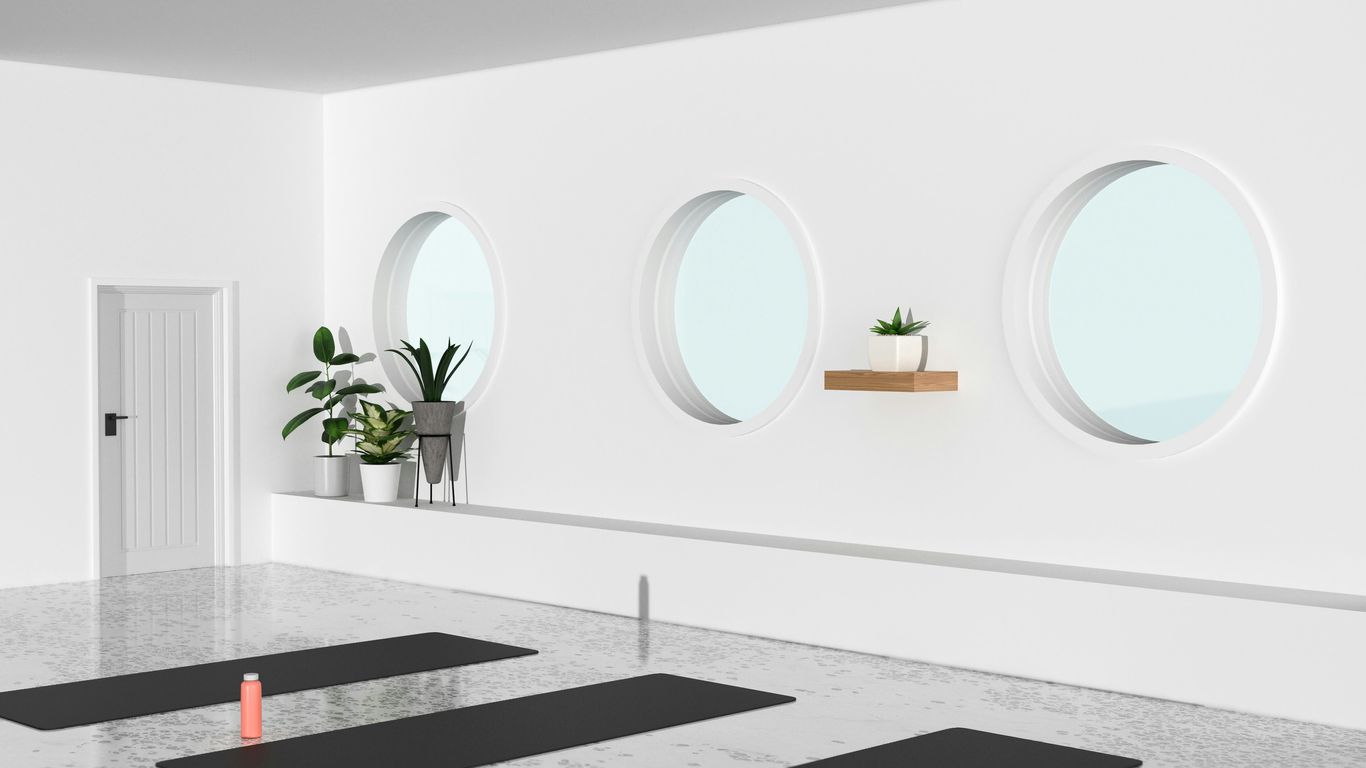
Stepping into a yoga studio for the first time can feel like entering a different world. It's usually a place designed to help you slow down and leave the hustle of daily life behind. As you walk in, you'll probably notice a shift in the atmosphere. Think softer lighting, maybe some quiet, calming music, and a general sense of peace. This welcoming environment is intentional, meant to help you start to relax even before you unroll your mat.
Embrace the Calming Atmosphere
Take a moment when you first arrive to just breathe it all in. The studio is set up to be a sanctuary. It’s not about rushing; it’s about transitioning into a more mindful state. You might see people sitting quietly, chatting softly, or getting their space ready. Just observe and let the peaceful vibe wash over you. It’s a good reminder that you’re here to focus on yourself for the next hour or so.
Set Up Your Personal Space
Once you’ve checked in, it’s time to find your spot. Most studios have mats available, but you can also bring your own if you have one. Look around and pick a place that feels good to you. It’s helpful to be somewhere you can see the instructor clearly. You’ll also find props like blocks, straps, and blankets nearby. Don’t hesitate to grab a block or two if you think you might need them. They’re there to help you get into poses more comfortably and safely. You can always ask the instructor for guidance on which props might be useful for beginners. Many studios offer beginner-friendly yoga classes that can help you get acquainted with the basics.
Locate Your Mat and Props
Your mat is your personal space for the duration of the class. Lay it down where you’ve chosen to practice. If you’re using studio props, gather what you think you might need. It’s better to have them close by than to have to get up mid-class. Remember to remove your shoes before entering the practice area; most studios have a designated spot for them. Getting settled early helps you feel more prepared and less rushed when the class is about to begin. Arriving about 10-15 minutes before class starts is a good idea for your first yoga experience.
Understanding The Class Structure
So, you've found your spot, maybe grabbed a block or two, and you're ready to go. What actually happens next? Most yoga classes have a pretty standard flow, and knowing this can make you feel way more at ease. It's not some secret code; it's just a way to guide you from the hustle of the outside world into a more focused state.
The Instructor's Introduction
When class begins, the teacher will usually say hello. This is your chance, if you feel comfortable, to mention you're new. They might briefly explain the focus of the class or any specific poses they'll be working with. They're there to help, so don't be shy if you have a quick question before things get moving.
Gentle Warm-Up and Breathing
Classes almost always start with some gentle movements and breathing exercises. This isn't just about getting your body warm; it's also about shifting your focus inward. You'll likely be guided through some simple stretches and encouraged to pay attention to your breath. This connection between breath and movement is a core part of yoga. It helps calm your mind and prepare your body for the more active part of the practice. Think of it as a gentle transition, not a race.
Navigating Yoga Poses (Asanas)
After the warm-up, you'll move into the main part of the class, which involves various yoga poses, or 'asanas'. Don't get stressed if you don't know the names or can't do them perfectly right away. The instructor will demonstrate and explain each one, often offering modifications. This means they'll show you easier ways to do a pose or suggest using props like blocks or straps to help you. It's totally fine to rest in a pose like Child's Pose if you need a break. Remember, it's your practice, and listening to your body is key. You might find yourself moving through a sequence of poses, sometimes called a flow, which can feel like a moving meditation. If you're curious about how classes are structured, some resources break down a class into segments, which can be helpful for planning your own practice.
The most important thing during the poses is to focus on how your body feels, not on what it looks like or how others are doing. Everyone's body is different, and that's perfectly okay. Yoga is about your personal journey, not a competition.
Here's a general idea of what you might experience:
- Centering: A few moments at the start to settle and breathe.
- Warm-up: Gentle movements to prepare your muscles.
- Standing Poses: Poses that build strength and balance.
- Seated or Floor Poses: Stretches and twists that can feel very grounding.
- Cool-down: Gentle stretches to wind down.
It's also worth noting that there are many different types of yoga, and class structures can vary. Some classes might focus more on holding poses, while others are more about flowing between them. If you're looking for different ways to structure a class, you can find various yoga class plans online that offer different approaches.
Mindfulness and Self-Compassion During Practice
Okay, so you're on your mat, maybe feeling a little wobbly or unsure. That's totally normal! The real magic of yoga isn't just about bending yourself into a pretzel; it's about what's happening inside your head. This is where mindfulness and being kind to yourself come into play.
Focus on Your Breath
Your breath is like your anchor in yoga. When things feel a bit chaotic, or your mind starts doing its usual frantic thing, just bring your attention back to your breath. Notice the inhale, notice the exhale. It doesn't have to be some super deep, yogi-level breath. Just breathing, steadily and intentionally, is the goal. It helps you stay present and can actually calm your nervous system down. If you find yourself holding your breath or trying to match your breath perfectly to every single movement, don't sweat it. Just gently return to noticing your breath. It's okay to take an extra moment in a pose to just breathe; the idea of 'flow' isn't about rushing.
Be Kind to Yourself
Seriously, this is a big one. You're going to see people in class who seem to be doing everything perfectly. Don't even go there. Your yoga journey is yours and yours alone. Some days your body will feel amazing, and other days it might feel stiff or tired. That's life! The most important thing is to show up and do what you can on any given day. It's not a competition. Think of it like learning any new skill – there are ups and downs, and progress isn't always linear. Acknowledging that you're doing your best, even when it feels challenging, is a huge part of the practice. This approach can really help with self-compassion.
Respect Your Body's Limits
This ties right into being kind to yourself. Your body will tell you what it needs if you listen. If a pose feels painful, it's not a sign of weakness; it's a sign to back off. Most instructors will offer modifications, which are basically easier versions of a pose. Don't feel like you have to do the 'full' version. Using props like blocks or blankets can make a huge difference in how a pose feels and can help you get the benefits without straining. It's always better to modify and feel good than to push too hard and risk injury. Remember, yoga classes are often around 60 minutes, but some Self-Compassionate Yoga classes might be a bit longer to allow for this mindful approach.
Yoga is a practice, not a performance. There's no right or wrong way to feel on your mat. Your experience is valid, just as it is. The goal isn't to achieve a certain shape, but to connect with yourself through movement and breath.
Concluding Your Yoga Session
As your yoga class winds down, you'll likely experience a period of quiet reflection and rest. This part of the practice is just as important as the poses themselves.
The Importance of Savasana
Most yoga classes wrap up with Savasana, often called Corpse Pose. It might sound a bit dramatic, but it's really just a time to lie down on your back, let your body relax completely, and let everything you just did sink in. This final relaxation is where your body and mind can truly absorb the benefits of your practice. It’s your chance to just be still and quiet after moving and focusing. Don't skip it, even if you feel an urge to get up and go. It's a key part of the whole experience, helping you feel more grounded and calm. Some classes might even include a gentle seated cool-down before Savasana, guiding you from movement into stillness, like a seated cool-down sequence.
Tidy Your Space and Return Props
Once Savasana is over and you've gently come back to a seated position, take a moment to clean up your personal space. This means gathering your belongings and wiping down your mat if needed. If you used any props, like blocks or blankets, make sure to return them to where they belong. This simple act shows respect for the studio and for the next person who will use the space. It keeps the environment welcoming for everyone.
Remember that yoga is a practice, not about being perfect. It's okay if you didn't master every pose or if your mind wandered. The goal is to show up for yourself and be present. Be kind to yourself throughout the entire process, from the first pose to the final moments of rest.
After Your Yoga Class
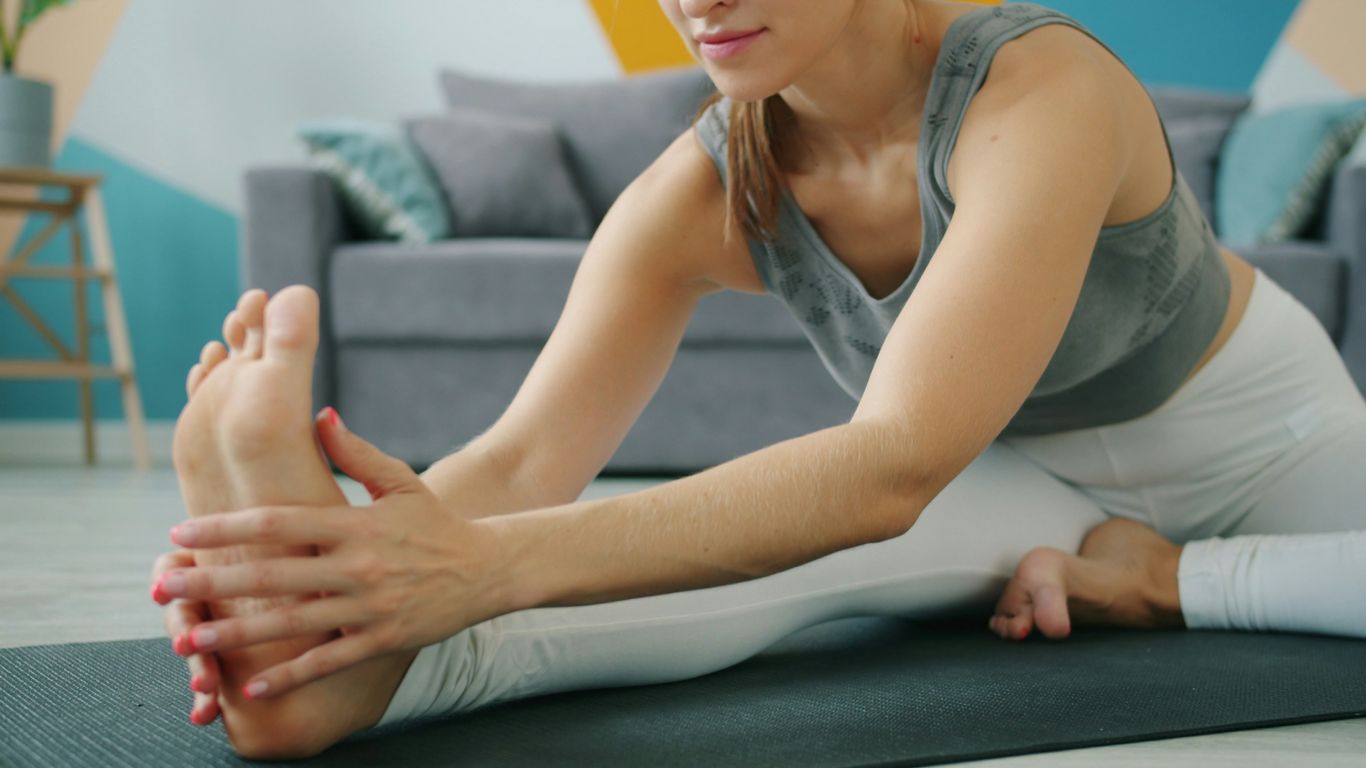
So, you've finished your first yoga class. That Savasana felt pretty good, right? Now what? It's important to give yourself a little time to transition back to the real world. Don't just jump up and rush out the door.
Hydrate and Reflect on Your Experience
First things first, grab that water bottle you brought. You've worked your body and mind, and rehydrating is key. As you sip your water, take a few moments to just sit with how you're feeling. Think about what you liked, what felt challenging, and maybe even what surprised you. This little bit of reflection can really help you understand your practice better and figure out what you want to focus on next time. It's a good idea to wait at least 30 minutes before having a big meal, as your digestive system might still be adjusting from the class. [caa3]
Understand Post-Class Soreness
It's pretty common to feel a bit stiff or sore the day after your first yoga class, or even a couple of days later. This is totally normal, especially if you're new to this type of movement. Your muscles are getting used to new ways of working. Think of it as your body's way of saying it had a good workout.
- Muscle Fatigue: This is the most common type of soreness, often felt 12-72 hours after exercise.
- Stiffness: You might feel a general sense of tightness in your joints and muscles.
- Improved Flexibility: While you might feel sore, you might also notice a slight increase in your range of motion.
Don't let this temporary soreness discourage you. It's a sign that your body is adapting and getting stronger. Gentle movement can actually help ease this discomfort.
Consider Gentle Movement
If you're feeling sore, the last thing you might want to do is more exercise. But sometimes, a bit of gentle movement can be really helpful. Think about another light yoga session, a walk, or some easy stretching. This can help increase blood flow to your muscles, which might speed up recovery and reduce that achy feeling. It's all about listening to your body and doing what feels right for you. If you're returning to yoga after a break, remember to be patient with yourself and focus on where you are now. [c7be]
Continuing Your Yoga Journey
So, you've finished your first yoga class, maybe even a few. That's fantastic! But where do you go from here? Think of this as just the beginning. Yoga isn't a destination; it's a path, and there's so much more to explore.
Explore Different Yoga Styles
It's easy to get comfortable with the style you first tried, but the yoga world is vast and varied. Each type has its own rhythm and focus. For instance, a fast-paced Vinyasa class will feel very different from a slow, deep Yin session. You might find that one style really clicks with you, or maybe you'll enjoy a mix depending on how you feel each day. Trying out different classes is a great way to see what benefits you the most. It's like sampling different foods – you might discover a new favorite!
Set Intentions for Your Practice
Before you even step onto your mat, take a moment to think about what you want from your practice that day. This doesn't have to be anything grand. It could be as simple as "I want to feel more calm" or "I want to be present in my body." Setting an intention, or 'Sankalpa', can give your practice a purpose and help you connect more deeply with the movements and your own thoughts. It's a personal moment just for you.
Practice Consistently for Progress
This is probably the most important part. Showing up regularly, even for short sessions, makes a huge difference. You don't need to be perfect or do advanced poses right away. Consistency is key to building strength, flexibility, and that sense of inner peace. Think about scheduling your yoga sessions like any other important appointment. If you can, try to keep your mat visible; seeing it can be a good reminder to get on it. Scheduling your yoga sessions can really help make it a habit.
The real magic of yoga happens not just in the poses themselves, but in the dedication to showing up, day after day. It's about the journey, not just the destination, and every little bit of practice adds up over time.
Your Yoga Journey Begins Now
So, you've taken the first step by reading this guide. That's awesome! Remember, your first yoga class is just that – a beginning. Don't worry about doing everything perfectly or comparing yourself to others. Just show up, breathe, move as best you can, and be kind to yourself. Yoga is a practice, not a performance, and every single class is a chance to learn a little more about your body and mind. Roll out that mat, take a deep breath, and enjoy the process. You might just find it's the start of something really good.
Frequently Asked Questions
What should I wear to my first yoga class?
You'll want to wear comfy clothes that let you move easily. Think stretchy pants or shorts and a t-shirt or tank top. Avoid anything too baggy or restrictive, so you can focus on the poses without feeling held back.
Do I need to bring my own yoga mat?
Most studios have mats you can borrow or rent, especially for your first visit. It's a good idea to check with the studio beforehand. If you plan to practice often, you might want to get your own mat for comfort and hygiene.
What if I'm not flexible enough for yoga?
Don't worry about flexibility! Yoga is for everyone, no matter your shape or size. The goal isn't to be super bendy, but to move your body and connect with your breath. Instructors offer ways to make poses easier, so just do what feels right for you.
What happens if I can't do a pose correctly?
It's totally okay! Nobody expects you to be perfect in your first class. Yoga is a practice, meaning you learn and improve over time. If a pose feels too hard or uncomfortable, just rest in a simpler position like Child's Pose or skip it altogether. Listen to your body.
Should I eat before or after yoga?
It's best to avoid a big meal right before class. Try to finish eating a couple of hours beforehand. Drink water before and after your practice to stay hydrated. After class, a light, healthy snack or meal is a good idea.
What is Savasana and why is it important?
Savasana, also called Corpse Pose, is the final resting pose at the end of almost every yoga class. You lie down on your back and relax completely. It's super important because it's when your body and mind get to soak in all the good stuff from the practice and truly relax.

