
Your First Step: Finding the Best Beginner Yoga Classes for You
Thinking about trying yoga? It can feel a bit overwhelming at first, with all the different styles and terms. But don't worry, finding your first class is easier than you might think. The most important thing is to find something that feels right for you and your body. This guide is here to help you get a handle on the basics, from understanding what yoga is all about to finding a beginner yoga class that works for you. We'll cover some simple poses to get you started and give you tips to make your first yoga experience a really positive one. So, roll out your mat and let's begin!
Key Takeaways
- When looking for beginner yoga classes, search for terms like 'beginner,' 'foundational,' or 'gentle.' Styles like Hatha, Restorative, or Yin yoga are often good starting points.
- If you're not ready for a studio, plenty of free beginner yoga classes are available online. These are a great way to get a feel for the practice at your own pace.
- Prepare for your first class by arriving a little early, wearing comfortable clothing that allows movement, and bringing a water bottle and your own yoga mat if you have one.
- During class, listen to your instructor, pay attention to your body's signals, and don't worry about flexibility or balance – these improve with practice. Use props if needed.
- Remember that yoga is a personal journey focused on progress, not perfection. Be patient with yourself and enjoy the process of learning and growing.
1. Finding Beginner Yoga Classes Near You
So, you're ready to try yoga, huh? That's awesome! It can feel a little weird at first, not knowing where to start. But finding a beginner class isn't rocket science. The main thing is to find a place that feels good for you and your body.
When you're looking around, keep an eye out for class names that say "beginner," "foundational," or "gentle." These are usually made for folks just starting out. Styles like Restorative or Yin yoga can also be good picks because they move at a slower pace and hold poses longer, which is super helpful when you're learning the ropes. If you're not totally sure, it's always okay to just call or email the studio. They can help you figure out if a class is a good fit for newcomers. It's also smart to mention any old injuries or health stuff you've got going on so they can point you in the right direction.
Here are a few styles that are often good for beginners:
- Hatha Yoga: This is a general term for physical yoga. Classes are often slower and great for learning the basic poses.
- Restorative Yoga: This style is all about relaxing. It uses props like blankets and blocks to support your body in gentle poses.
- Yin Yoga: Here, you'll hold passive poses for longer periods. It's good for working on deeper connective tissues.
Don't be afraid to ask questions before you sign up. The people at the studio are usually happy to help you find the perfect class.
Finding the right class is the first step to a good yoga experience. It's all about finding what works for you and your body. Don't worry about being perfect; just focus on learning and enjoying the process.
2. Understanding Foundational Or Gentle Yoga Styles
When you're just starting out with yoga, the sheer number of different styles can feel a bit much. It's like walking into a library and seeing shelves upon shelves of books – where do you even begin? The good news is that many studios offer classes specifically designed for newcomers. These are often labeled as "beginner," "foundational," or "gentle." These classes are usually slower-paced, giving you more time to get a feel for the poses and understand the instructions without feeling rushed.
Think of these foundational styles as the building blocks of your yoga practice. They focus on the basics, helping you learn how to move your body safely and effectively. Instead of jumping into complex sequences, you'll spend time getting comfortable with individual poses and learning how they feel in your body. This approach is super important for building a solid base and avoiding any potential strain or injury as you progress. It's all about setting yourself up for a positive and sustainable yoga journey.
Here are a few styles that are often a great starting point:
- Hatha Yoga: This is a broad term that often refers to a more traditional, slower-paced class. It's excellent for learning the correct form for essential yoga poses and understanding basic alignment. You'll typically hold poses for a few breaths, allowing you to really feel into them.
- Restorative Yoga: If you're looking for deep relaxation and stress relief, this style is wonderful. Restorative yoga uses props like blankets, bolsters, and blocks to fully support your body in gentle poses. You'll hold these poses for extended periods, allowing your muscles to relax and your nervous system to calm down. It's less about physical exertion and more about passive stretching and rest.
- Yin Yoga: Similar to Restorative yoga in its slow pace, Yin yoga targets the deeper connective tissues of the body, like fascia. Poses are held for longer durations (often 3-5 minutes), usually while seated or lying down. This can be very beneficial for increasing flexibility over time and can feel quite meditative.
Choosing a style that feels accessible and enjoyable is key. Don't be afraid to try a few different beginner classes to see what clicks with you. The goal is to find a practice that makes you feel good, both physically and mentally, from the very first session.
3. Hatha Yoga
Hatha yoga is often what people think of when they hear the word "yoga." It's a pretty broad term, really, covering most physical yoga practices. But when a class is specifically labeled "Hatha," it usually means it's going to be a bit slower-paced than, say, a Vinyasa class. Instead of flowing from one pose to the next with every breath, Hatha classes tend to focus on holding individual poses for a few breaths.
This focus on holding poses is great for beginners because it gives you time to really feel what's happening in your body and to work on getting the alignment just right. It's less about a workout and more about learning the basics of each posture. You'll likely learn poses like Mountain Pose (Tadasana), Cat-Cow, and maybe even some gentle twists and forward folds.
Think of it like this:
- Learning the Alphabet: Hatha is like learning the letters of the alphabet before you start writing sentences.
- Building Blocks: It provides the foundational poses that you'll see in many other yoga styles.
- Mindful Movement: You get a chance to connect your breath with each pose without feeling rushed.
It's a really accessible style, and most studios will offer Hatha classes that are suitable for newcomers. Don't be surprised if the instructor offers modifications – that's totally normal and part of the learning process.
Hatha yoga is a fantastic starting point for anyone new to the practice. It emphasizes holding poses, which allows for a deeper exploration of each posture and its benefits. This deliberate pace helps build a solid understanding of basic yoga movements and body awareness, making it less intimidating for beginners.
4. Restorative Yoga
Restorative yoga is all about taking it easy and letting your body relax. Unlike more active styles, this type of yoga uses props like blankets, bolsters, and blocks to fully support you in just a few poses. You'll hold these gentle positions for several minutes, allowing your muscles to release tension and your nervous system to calm down. It's less about pushing yourself and more about surrendering and recovering.
Think of it as a deep, guided rest. It's a fantastic way to counteract the stress of daily life and can be incredibly beneficial for anyone feeling tired or overwhelmed. Even though it's gentle, it's still a practice that requires your presence and attention.
Here's what you might experience:
- Minimal Poses: You'll likely only do about five to six different poses in a class.
- Extended Holds: Each pose is held for a longer period, usually 5 minutes or more.
- Abundant Props: Expect to use plenty of blankets, bolsters, and blocks to make yourself comfortable and supported.
- Deep Relaxation: The primary goal is to achieve a state of deep rest and rejuvenation.
Restorative yoga is a wonderful way to learn to be still and quiet. It teaches you to listen to your body's signals and to simply be present without needing to achieve anything. It's a practice of self-care that can leave you feeling refreshed and centered.
5. Yin Yoga
Yin yoga is a style that's quite different from the more active classes you might see. Instead of flowing through poses, you'll be holding them for a longer time, usually between three to five minutes. This isn't about building muscle strength; it's about gently stretching the deeper connective tissues in your body, like fascia. Think of it as a slow, deep stretch that can really help with flexibility over time.
The main goal of Yin yoga is to increase flexibility and help your body recover. It's a very passive practice, meaning you're not really engaging your muscles much. The poses are typically done while seated or lying down, and props like bolsters, blankets, or blocks are often used to support your body. This allows you to relax into the pose without strain.
Here's what you can generally expect in a Yin class:
- Longer Holds: Poses are held for extended periods (3-5 minutes or more).
- Passive Stretching: Focus is on stretching connective tissues, not muscles.
- Floor-Based Poses: Most poses are done seated or lying down.
- Use of Props: Bolsters, blankets, and blocks are common for support.
It's a great option if you're looking for a way to unwind and release tension, especially in areas like the hips and lower back. Many people find it helps them relax and even sleep better. If you're curious about exploring gentle, floor-based yin yoga classes, this style might be a perfect starting point for your yoga journey.
6. Utilizing Online Resources For At-Home Practice
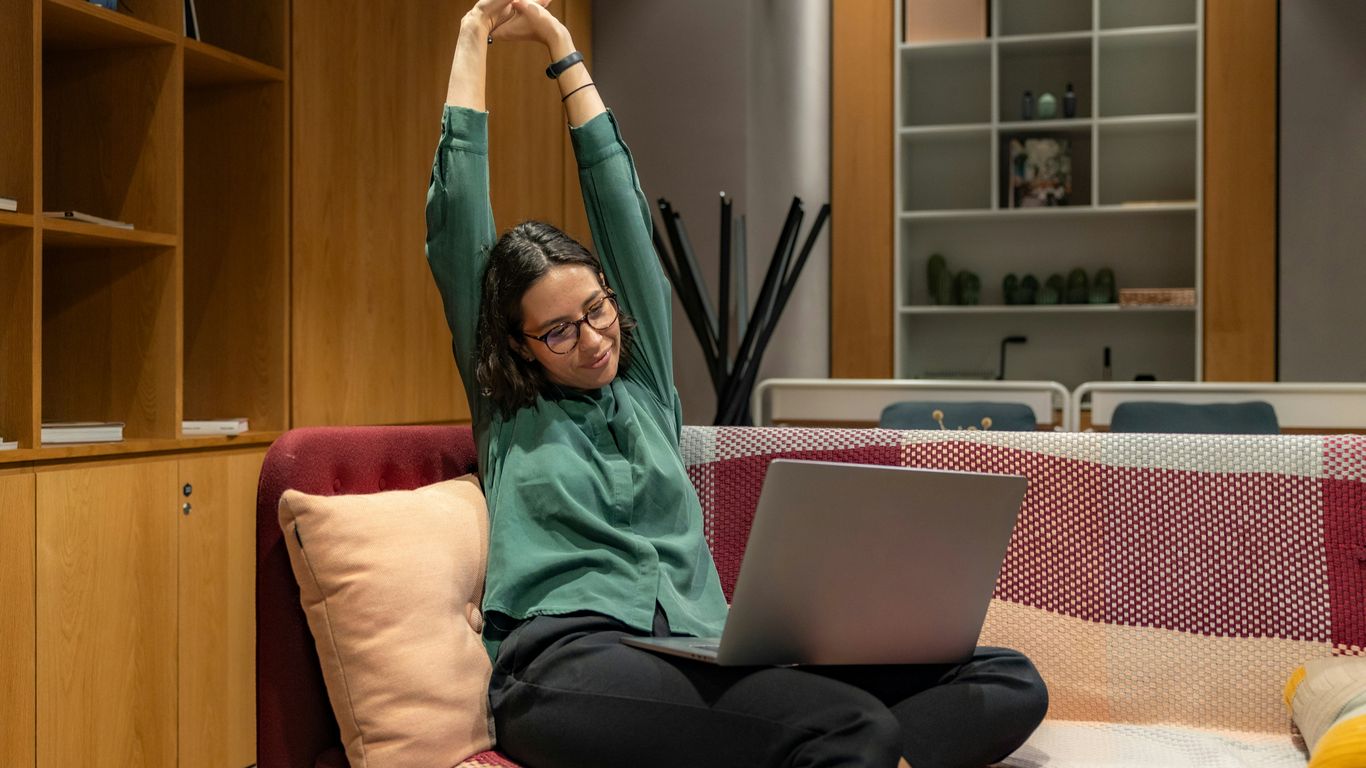
Not quite ready to head to a studio? No worries! The internet is a treasure trove of resources that let you practice yoga right from your living room. You can find tons of videos made specifically for beginners, often with instructors who walk you through each pose step-by-step. It’s a super low-pressure way to get a feel for yoga. You can try a quick morning flow or a relaxing session after a long day. This offers a flexible way to start building your own practice.
The key is consistency, even if it's just for a short time each day. Think of it like watering a plant; regular attention makes a big difference. Setting aside specific times, maybe 15-20 minutes daily, can help build a habit. It doesn't have to be a huge time commitment to start seeing benefits.
When you're exploring online options, look beyond just the classes themselves. Many platforms offer extra goodies like pose libraries, which show you how to do specific postures correctly. You might also find articles explaining yoga philosophy or tips for improving your body alignment. Some even suggest sequences for different moods or needs, like boosting energy or winding down. These extras can really round out your learning and give you a more complete picture.
Here are a few things to focus on when practicing at home:
- Listen to your body: Pay attention to what you feel. A good stretch is one thing, but sharp pain is a signal to back off. Modify poses or take a break if needed.
- Connect with your breath: Your breath is like an anchor. Try to keep it steady and smooth, noticing how it changes with your movements. Syncing breath and poses can deepen your practice.
- Create a schedule: Aim for regular practice times, even if they're short. This helps build a consistent habit.
Building a solid foundation is really important when you're starting out. A good online beginner program will focus on teaching you core poses, how to breathe with your movements, and how to position your body safely. This groundwork helps you avoid issues later on and makes your practice more enjoyable.
If you're looking for a wide variety of classes, you might want to check out Yoga Download. They have a huge selection that can suit different needs and preferences, making it easy to find something that works for you.
7. Pre-Class Preparation
Getting ready for your first yoga class is pretty straightforward, but a little bit of thought beforehand can make a big difference in how you feel when you get there. You don't need to overthink it, but a few simple steps can help you feel more at ease and ready to just go with the flow.
The main goal is to arrive feeling calm and collected, not rushed or stressed.
Here’s a quick rundown of what to consider:
- Timing is Key: Try to get to the studio about 10 to 15 minutes before class starts. This gives you plenty of time to find your spot, get your mat set up, and just get used to the space. It also means you won't be scrambling in late, which is never a good start.
- Fueling Up Smartly: It’s best to avoid eating a big meal right before you practice. Your body will thank you for it. If you're feeling hungry, a small, light snack an hour or two beforehand is usually fine. Think a banana or a handful of nuts. Anything heavier might just make you feel uncomfortable when you're trying to move.
- Listen to Your Body: If you have any old injuries, aches, or pains, it’s a good idea to let the instructor know before class begins. They can offer suggestions or modifications for certain poses that will work better for you. It’s not about pushing through pain; it’s about finding what feels right for your body.
Being prepared means you can focus more on the practice itself and less on worrying about whether you've done things right. It's about setting yourself up for a positive experience from the moment you walk in the door.
8. What To Wear
When you're heading to your first yoga class, the most important thing to remember about what to wear is comfort. You don't need any special, expensive gear to start. Think about what you'd wear to a gym or for a light workout. The goal is to have clothing that lets you move freely without feeling restricted.
Stretchy, breathable fabrics are your best friend. This means materials that can handle bending, twisting, and stretching without feeling too tight or riding up.
Here's a quick rundown of good options:
- Bottoms: Yoga pants, leggings, or comfortable athletic shorts are all great choices. Avoid anything too baggy, like loose sweatpants, as they can get tangled or cover your feet during poses.
- Tops: A fitted t-shirt, a tank top, or a sports bra works well. If you tend to sweat a lot, a moisture-wicking top is a good idea. Again, try to avoid super loose shirts that might fall over your head when you're upside down.
- Undergarments: A supportive sports bra is usually a good idea, especially if you plan on doing more active styles of yoga.
The key is to choose an outfit that allows you to focus on your practice, not on adjusting your clothes. You want to feel at ease and confident, so pick something you already feel good in.
Ultimately, the studio's atmosphere will guide you. Most places are pretty casual. If you're unsure, it's always better to err on the side of comfortable athletic wear. You'll quickly get a feel for what others are wearing and what works best for you as you attend more classes.
9. What To Bring
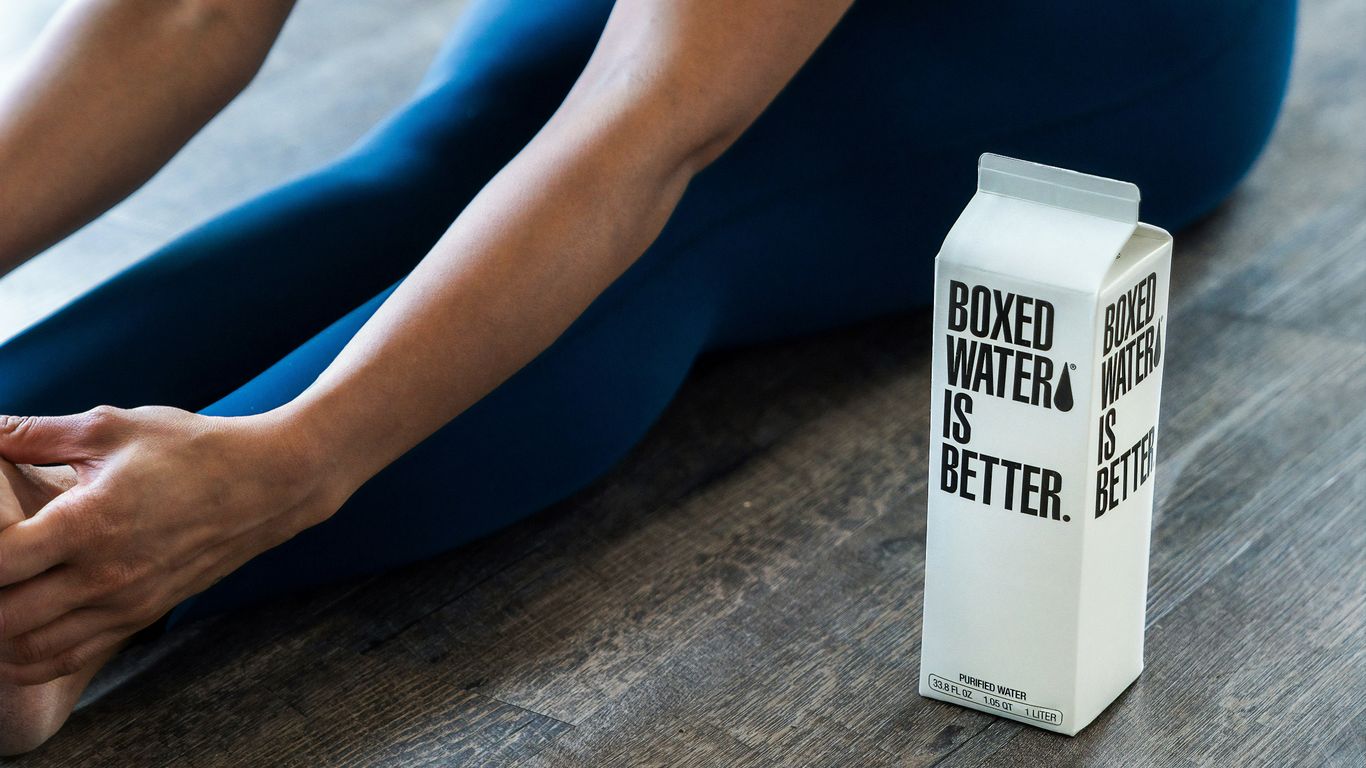
When heading to your first yoga class, you might be wondering what exactly you need to pack. While many studios are equipped to provide the basics, there are a few items that can make your experience much more comfortable and enjoyable. The most important thing to remember is to bring a water bottle to stay hydrated throughout your practice.
Here's a quick rundown of what's generally recommended:
- Yoga Mat: While most studios offer mats for rent or even provide them for free, having your own can be a good idea. It ensures a clean surface that you're familiar with, and as you continue practicing, you'll likely develop a preference for a specific type of mat.
- Water Bottle: Staying hydrated is key, especially during a physical activity like yoga. Make sure it's a reusable one to be eco-friendly!
- Towel: A small towel can be handy for wiping away sweat, especially if you tend to get warm during practice. In some cases, like hot yoga, a larger towel might be useful to place over your mat.
Beyond these essentials, you might consider bringing:
- Comfortable Clothing: Make sure you're dressed in something that allows for easy movement. Stretchy fabrics are your best friend here.
- An Open Mind: This isn't something you can pack in a bag, but it's perhaps the most important thing to bring. Be ready to try new things and embrace the experience.
Remember, the goal is to feel comfortable and focused on your practice. Don't overthink what you need to bring. If you forget something, chances are the studio will have a solution, or you can simply make a note for your next visit.
10. Arriving At The Studio
Walking into a yoga studio for the first time can feel a little intimidating, but honestly, most people are just focused on their own practice. The key is to give yourself enough time to settle in before class actually begins.
Try to get there about 10 to 15 minutes before the scheduled start time. This isn't just about avoiding a rushed entrance; it's about giving yourself a buffer to find your bearings. You'll want time to check in, maybe use the restroom, and locate the practice room. Once you're in the room, you can find a spot for your mat. It’s a good idea to pick a place where you can see the instructor clearly, but also where you feel comfortable. Don't feel pressured to grab a front-row spot if that's not your vibe.
Here’s a quick rundown of what to do upon arrival:
- Check-in: Head to the front desk. Let them know you're new and if you've pre-registered. They'll guide you on where to go next.
- Find Your Space: Head into the yoga room and choose your mat spot. Remember, there's no 'best' spot, just what feels right for you.
- Set Up: Unroll your mat and arrange any props you might need (like blocks or a strap, though many studios provide these).
- Quiet Time: Use the minutes before class to just breathe and get centered. Avoid chatting loudly; the atmosphere is usually pretty calm.
Remember, the studio is a space for everyone to practice. Being mindful of others, especially before class starts, helps maintain a peaceful environment for all. It's a shared space, and a little consideration goes a long way.
11. Instructor Guidance
Your yoga instructor is your guide on the mat. They're there to help you understand the poses, offer adjustments, and make sure you're practicing safely. Don't hesitate to ask questions before, during, or after class. They've seen it all and are usually happy to help beginners find their way.
Instructors will typically walk you through each pose, explaining how to get into it and what it should feel like. They might offer verbal cues or even gentle hands-on adjustments to help you align your body correctly. If you're uncomfortable with physical adjustments, just let them know beforehand.
Here's what you can generally expect from instructor guidance:
- Clear verbal cues: Instructions on how to move into and out of poses.
- Demonstrations: Watching the instructor can help you visualize the pose.
- Modifications: Suggestions for making poses easier or more challenging.
- Safety reminders: Tips to avoid injury and listen to your body.
- Breathing cues: Guidance on coordinating breath with movement.
Remember, the instructor's primary goal is to support your practice. They want you to feel comfortable and get the most out of your time on the mat. It's okay if you can't do every pose perfectly; the instructor is there to help you find what works for your body.
12. Class Atmosphere
Walking into a yoga studio for the first time can feel a bit intimidating, but most places aim for a really chill vibe. Think soft lighting, maybe some quiet instrumental music playing, and a general sense of calm. It's designed to help you switch off from the outside world and just focus on yourself for a bit.
Most people in the class are there to do their own thing, just like you. You'll see others unrolling their mats, maybe chatting quietly, but once class starts, everyone tends to get pretty absorbed in their practice. It’s not a social hour, but it’s definitely not unfriendly either. It’s more of a shared space where everyone respects each other’s focus.
Here’s a quick rundown of what contributes to that atmosphere:
- Quiet and Serene: Studios are usually kept quiet to help you concentrate. Loud talking or disruptive behavior is generally frowned upon.
- Supportive Energy: While everyone is focused inward, there's often an unspoken sense of support. You might notice instructors offering gentle encouragement, and fellow students are usually just focused on their own mat.
- Mindful Presence: The overall feeling is one of mindfulness. People are there to connect with their bodies and breath, creating a peaceful collective energy.
The goal is to create a space where you feel comfortable to explore your own practice without feeling judged or out of place. It's a temporary escape, a little bubble of tranquility just for you and your mat.
Don't worry if you feel a little self-conscious at first. Everyone has been a beginner at some point. Just focus on your instructor's cues and your own breath, and you'll find yourself settling into the rhythm of the class pretty quickly.
13. Common Challenges For Beginners
Stepping onto the yoga mat for the first time can bring up a few worries. It's totally normal to feel a bit unsure about what your body can do or how you'll keep up. Many people think they need to be super flexible or have amazing balance right from the start, but that's just not the case. Yoga is a practice, and these things develop over time.
One of the biggest hurdles for newcomers is the feeling of not being flexible enough. You might look around and see others folding themselves into pretzel shapes, and you can barely touch your toes. Remember, yoga isn't a competition, and flexibility is a journey, not a destination. Props like blocks and straps are your best friends here; they help you get into poses safely and comfortably, allowing your body to open up gradually. Don't compare your Day 1 to someone else's Year 5.
Balance can also be a tricky one. Holding poses like Warrior III or Tree Pose can feel wobbly at first. The key is to find a steady gaze point in front of you and to actively engage your core muscles. Think of your core as your internal stabilizer. With consistent practice, you'll notice your stability improving, and those wobbly moments will become less frequent.
Then there's the breathing. It sounds simple, right? Just breathe. But coordinating deep, mindful breaths with movement can be surprisingly challenging. Your instructor will guide you, but it takes practice to sync your inhales and exhales with the flow of the poses. It's okay if your breath gets choppy or you forget to breathe deeply sometimes. Just gently bring your awareness back to your breath whenever you notice it.
Here are a few common concerns and how to approach them:
- Flexibility: Everyone starts somewhere. Use props and focus on the sensation of the stretch, not how far you can go.
- Balance: Engage your core, find a focal point, and be patient. It improves with practice.
- Breathing: Listen to your instructor, and try to keep your breath steady and deep. It will become more natural over time.
It's important to remember that every single person in that yoga class, no matter how experienced they seem, started exactly where you are now. They had their own challenges and moments of doubt. The yoga community is generally very supportive, and instructors are there to help you find modifications that work for your body.
14. Flexibility Concerns
It's super common to walk into your first yoga class and feel like everyone else is a human pretzel while you're stuck in a straight jacket. You might not be able to touch your toes, or maybe even get close. This is completely okay, and honestly, expected for most beginners. Yoga isn't about being flexible from day one; it's about becoming more flexible over time. Think of it as a journey, not a destination.
Many people worry about this, and it's a valid concern. You see pictures and videos, and it looks like everyone is effortlessly bending in ways you can't imagine. But remember, those people have likely been practicing for a long time. Your body is unique, and it will respond to practice at its own pace.
Here are a few things to keep in mind:
- Progress, Not Perfection: The goal isn't to be the most flexible person in the room. It's about showing up for yourself and noticing small improvements.
- Listen To Your Body: Never push yourself into pain. A gentle stretch is good; a sharp or intense pull is a sign to back off.
- Props Are Your Friends: Blocks, straps, and blankets aren't cheating! They are tools designed to help you find the proper alignment and get the benefits of a pose, even if your body isn't quite ready for the full expression.
Don't let the idea of not being flexible stop you from trying yoga. The practice itself is what helps build that flexibility. Be patient and kind to yourself as you begin this process. Every little bit of movement counts.
For example, if a pose requires you to fold forward and you can't reach your toes, try placing your hands on yoga blocks on the floor. This brings the floor closer to you, allowing you to maintain a straight spine and still get a stretch in your hamstrings without straining.
Remember, consistency is key. Even a few minutes of gentle stretching each day will make a difference over time. You'll be surprised at how much your body can change with regular, mindful practice.
15. Balance Issues
Feeling wobbly when you're trying to hold a yoga pose? You're definitely not alone. Many beginners find balancing a bit tricky at first. It's totally normal to feel unsteady, especially when you're asked to stand on one leg or hold a pose that requires a steady base. Think of it like learning to ride a bike; it takes a little practice to get your equilibrium.
The key is to focus on a single point in front of you. This helps to steady your gaze and, in turn, your body. Also, actively engaging your core muscles – that's the area around your stomach and lower back – provides a strong center of support. It's not about being perfectly still right away, but about learning to find that inner stability.
Here are a few things that can help improve your balance:
- Engage your core: Gently pull your belly button towards your spine. This creates a strong foundation.
- Find a focal point: Pick a spot on the wall or floor that isn't moving and keep your eyes there.
- Use your breath: Deep, steady breaths can help calm your nervous system and improve focus, which aids balance.
- Modify poses: Don't be afraid to use a wall for support or keep a foot lightly on the ground if a pose feels too challenging.
It's important to remember that balance isn't just physical; it's mental too. As you get more comfortable with the poses and learn to trust your body, your physical balance will naturally improve. Be patient with yourself. Every time you step onto your mat, you're building strength and stability, both on and off the mat.
Don't get discouraged if you wobble or fall out of a pose. It's part of the learning process. Simply step back into it or modify as needed. The goal is progress, not perfection.
16. Breathing Techniques
Breathing, or pranayama, is a huge part of yoga. It's not just about getting air into your lungs; it's about controlling that breath to calm your mind and energize your body. You'll often hear instructors talk about connecting your breath to your movement, and that's key.
When you're starting out, just focusing on taking slow, steady breaths can make a big difference. Don't worry if it feels a bit awkward at first. Many beginners get confused about how to breathe, especially when told to expand their belly on an inhale. It's a different sensation than what we're used to, but it allows for a fuller breath.
Here are a few common breathing techniques you might encounter:
- Ujjayi Breath (Victorious Breath): This involves a slight constriction at the back of your throat, creating a soft, ocean-like sound as you breathe in and out. It's both calming and warming.
- Alternate Nostril Breathing (Nadi Shodhana): You use your fingers to close one nostril at a time, alternating breaths between your left and right sides. This is great for balancing your energy.
- Sama Vritti (Equal Breathing): Simply means inhaling and exhaling for the same count. This is a straightforward way to find rhythm and calm.
It's totally normal to feel like you're not doing it 'right' when you first try these. The goal isn't perfection, but awareness. Just paying attention to your breath as you move is a huge step. Over time, you'll get more comfortable, and you might even notice benefits like reduced stress and better focus.
Don't be afraid to ask your instructor if you're unsure about a breathing technique. They're there to help you find what feels right for your body.
17. What To Expect During Class
Stepping into your first yoga class can feel a bit like walking into a mystery, but it's really not that complicated. The whole point is to move your body and connect with your breath. Your instructor will guide you through everything, so don't stress about knowing it all beforehand.
Most classes start with a gentle warm-up. This isn't about breaking a sweat, but more about getting your muscles ready and helping you tune into your breathing. Think of it as a quiet moment to transition from your busy day into your practice. After that, you'll move into various poses, or asanas. You'll see a mix of standing poses, seated poses, and maybe even some gentle stretches on your back.
Here's a general idea of what happens:
- Welcome and Centering: The instructor will likely welcome everyone and guide you through a few moments of quiet breathing to help you settle in.
- Warm-Up: Gentle movements and stretches to prepare your body.
- Asana Practice: Moving through a series of yoga poses, often linked together.
- Cool-down and Savasana: A period of relaxation at the end.
Don't worry if you can't do every pose perfectly. The instructor will offer modifications, which are just simpler ways to do a pose if it feels too hard. It's totally okay to rest when you need to. Remember, everyone in the room is focused on their own mat, so just do what feels right for your body.
Yoga is a personal journey, and the goal isn't to be the most flexible or the strongest person in the room. It's about showing up for yourself, listening to your body, and finding a sense of calm and connection.
Finally, most classes end with Savasana, or Corpse Pose. This is where you get to lie down and just relax for a few minutes. It might feel a little strange at first, but it's a really important part of letting your body absorb the benefits of the practice. After class, it's a good idea to drink some water and maybe take a moment to notice how you feel. You might feel a little sore the next day, and that's completely normal. You can find more tips on preparing for your first class at a beginner's guide to yoga.
18. Warm-Up
Most yoga classes kick off with a gentle warm-up. This isn't just about getting your body moving; it's a way to transition from your day into your practice. Think of it as a bridge between the outside world and your mat.
The warm-up usually involves some light stretches and breathing exercises. The goal is to get your blood flowing a bit and loosen up your muscles, making them ready for the poses to come. It helps prevent any sudden strains and gets your mind focused too.
Here's what you might experience:
- Gentle Stretches: Simple movements to wake up your major muscle groups. This could include things like neck rolls, shoulder shrugs, or gentle twists of the spine.
- Breath Awareness: You'll likely be guided to pay attention to your breath. This might involve simply noticing your inhales and exhales, or perhaps trying a basic breathing technique to calm your nervous system.
- Mindful Movement: Connecting your breath with simple movements, like rocking your pelvis or gently swaying your torso. This helps build that mind-body connection right from the start.
The warm-up is your cue to start letting go of distractions. It's a dedicated time to tune into your body and prepare for the practice ahead. Don't rush through it; let it be a calming introduction to your yoga session.
19. Introduction To Poses
So, you're in class, maybe feeling a little unsure about what's coming next. That's totally normal! The instructor will start introducing you to the basic yoga poses, often called 'asanas'. Don't worry about getting them perfect right away. The goal is just to get a feel for them. Think of these as the building blocks for your entire yoga practice.
Most beginner classes will focus on a few key poses that are accessible and offer great benefits. You'll likely encounter poses like:
- Mountain Pose (Tadasana): This might seem like you're just standing there, but it's all about finding your center and proper alignment. It's the foundation for many standing poses.
- Cat-Cow Stretch (Marjaryasana-Bitilasana): A gentle flow that warms up your spine. You'll move between arching and rounding your back, which feels pretty good.
- Downward-Facing Dog (Adho Mukha Svanasana): This is a classic. It stretches your whole body and can be a bit challenging at first, but it's super rewarding.
- Child's Pose (Balasana): This is your go-to resting pose. It's a safe space to come back to whenever you need a break.
The instructor will guide you through each pose, explaining how to get into it and what it should feel like. They'll often offer modifications, which are just simpler ways to do a pose if it's too difficult at first. It's all about making the practice work for your body, not the other way around.
Remember, the point isn't to contort yourself into a pretzel. It's about connecting with your body and breath. You'll learn how to move with intention and find stability even in simple standing positions like Mountain Pose. Just follow along as best you can, and don't be afraid to ask questions if something doesn't make sense.
20. Setting Up Your Space
Alright, so you've arrived at the studio, maybe you've checked in, and now it's time to find your spot. This is your little corner of calm for the next hour or so. Don't just plop your mat down anywhere; take a moment to choose wisely. Think about where you'll feel most comfortable and least distracted. Being too close to the door might mean you get a draft or hear people coming and going. Being right in the front row might feel a bit exposed if you're new. Find a place where you can see the instructor reasonably well, but also feel like you have your own space to just be.
Most studios have mats you can use, or you can bring your own. If you're using a studio mat, give it a quick wipe down if you like – totally your call. You might also see other people grabbing props like blocks, straps, or blankets. Don't be shy! These are there to help you. If the instructor mentions them or you see someone else using them for a pose you're trying, grab one. They're not cheating; they're tools to make the poses work better for your body.
Here's a quick rundown of what to consider:
- Visibility: Can you see the instructor's demonstrations?
- Space: Do you have enough room to move your arms and legs without bumping into someone?
- Proximity to Props: Are blocks or blankets easily accessible if you need them?
- Distractions: Is your spot away from high-traffic areas like the entrance or restrooms?
Remember, this is your practice space. Make it feel right for you. It's okay to adjust your position slightly if you find it's not working after the class starts. The goal is to feel settled and ready to focus on your breath and movement.
21. Pre-Class Tips
Getting ready for your first yoga class is more than just showing up. A little bit of planning goes a long way to make sure you feel comfortable and ready to move. Arriving a bit early is a good idea. It gives you time to find your spot, get your mat set up, and just get used to the vibe of the studio before things get going. Plus, you can chat with the instructor if you have any last-minute questions.
Here are a few things to keep in mind before you even step onto your mat:
- Hydrate, but not too much right before: Drink water throughout the day leading up to class. Just try not to chug a huge amount right before you start, as that can be uncomfortable when you're trying to do certain poses.
- Eat smart: Avoid a big, heavy meal within a couple of hours of class. Your body will thank you when you're trying to twist and bend. A light snack is usually fine if you're feeling hungry.
- Wear comfy clothes: Think stretchy, breathable fabrics that let you move freely. Nothing too tight or too baggy that might get in the way.
It's really about setting yourself up for a positive experience. When you're not worried about being uncomfortable or rushed, you can actually focus on what you're there to do – practice yoga.
Remember to let your instructor know if you have any injuries or specific concerns. They can help you modify poses so you can practice safely and get the most out of the class. It’s all about listening to your body and being kind to yourself as you learn.
22. Inform The Instructor Of Any Injuries Or Concerns
Walking into your first yoga class can feel a bit daunting, and one of the most important things you can do to make it a positive experience is to chat with your instructor before things get started. Don't be shy about mentioning any aches, pains, old injuries, or even just things that feel a bit tight in your body. This simple conversation can make a huge difference in how you feel during and after class.
Think of your instructor as your guide. They've seen all sorts of bodies and all sorts of limitations. If you let them know that your knee bothers you when you kneel, or that your shoulder feels stiff from an old sports injury, they can offer specific ways to adjust poses. They might suggest using a block under your knee, or a different arm position. It's not about being difficult; it's about practicing safely and smartly.
Here are a few common things people mention:
- Recent sprains or strains
- Chronic conditions like arthritis
- Areas of the body that feel particularly stiff or weak
- Pregnancy or postpartum status
- Any general discomfort you're experiencing
It's really about setting yourself up for success. When the instructor knows what's going on with your body, they can help you modify poses so you're not pushing into pain. This allows you to still get the benefits of the pose without risking further injury. It's a partnership between you and the instructor to make the practice work for you.
Sometimes, instructors might ask at the beginning of class if anyone has concerns, or they might have a sign-in sheet where you can note things. If not, just find them before class starts, maybe while you're rolling out your mat. A quick, quiet word is all it takes. They're there to help you, and they want you to have a good experience.
23. Avoid Heavy Meals Before Class
You know how sometimes you eat a big lunch and then feel all sluggish and heavy? Yeah, you don't want that feeling when you're trying to do a yoga pose. It's best to give your body some time to digest before you start moving around.
Think about it: when you're trying to twist your torso or bend over, having a full stomach can feel pretty uncomfortable, maybe even a little nauseating. Your body is busy working on digestion, and adding a bunch of physical activity into the mix can just make things harder for everyone involved – especially you.
So, what's the game plan?
- Timing is key: Try to finish any substantial meal at least one to two hours before your class begins. This gives your digestive system a decent head start.
- Light snacks are okay: If you're feeling a bit peckish, a small, easily digestible snack like a banana, a handful of almonds, or a piece of toast is usually fine. Just keep it light!
- Listen to your body: Everyone's different. Pay attention to how you feel after eating different things and adjust your pre-class eating habits accordingly.
Eating too close to class can really throw off your practice. You might find yourself feeling bloated, uncomfortable, or just generally not able to focus on the poses and your breath. It's better to be a little hungry than uncomfortably full when you step onto your mat.
24. Yoga Mat
So, you're thinking about getting a yoga mat? That's a good move. While some folks might tell you it's not strictly necessary, especially if you're just trying things out at home on carpet, having your own mat really makes a difference. It gives you that bit of grip you need so you don't slide around when things get a little sweaty, and honestly, it just feels more personal and clean.
When you're picking one out, there are a few things to consider. Thickness is a big one. Too thin, and you might feel the hard floor through it, which isn't super comfy for your knees or wrists. Too thick, and it might be a bit wobbly, making balancing poses harder. Most beginner-friendly mats fall somewhere in the middle, usually around 1/4 inch thick. Then there's the material. Some are made of PVC, which is durable and grippy, but not the most eco-friendly. Others are made from natural rubber, TPE, or even cork, which are often better for the environment and can offer great traction. The goal is to find a mat that feels stable and supportive under you.
Here’s a quick rundown of what to look for:
- Grip: This is probably the most important feature. You want to feel secure in your poses without slipping.
- Cushioning: Enough padding to protect your joints, especially wrists and knees.
- Durability: A mat that can withstand regular use without falling apart.
- Portability: If you plan on taking it to classes, consider how easy it is to roll up and carry.
Many studios offer mats for rent, which is a great way to try different types before you buy. But if you're planning on practicing regularly, investing in your own JadeYoga Harmony Mat is a solid choice. It’s a piece of equipment that can really help you feel more grounded and confident in your practice. It’s not just about having something to lie on; it’s about creating your own little space for practice, wherever you are.
25. Water Bottle and more
Okay, so you've got your mat, maybe some comfy clothes. What else should you think about bringing to your first yoga class? A water bottle is a good idea, especially if the class is a bit more active. You don't want to be parched halfway through a pose. Just make sure it's a bottle that won't easily spill, you know, one of those ones with a secure lid.
Beyond the basics, consider a small towel. It can be handy for wiping away a bit of sweat, or even for a little extra padding under your knees if the floor feels a bit hard. Some people like to bring a light blanket for the final relaxation part of the class, called Savasana, if the studio tends to get cool. It's all about making yourself comfortable so you can focus on the practice.
Think about what makes you feel prepared and at ease. For some, it might be having their own yoga mat because they know exactly how it feels and smells. For others, it's just knowing they can grab a rental mat and not worry about it.
Here are a few other things people sometimes bring:
- A hair tie or headband if you have long hair that might get in your face.
- A small bag or backpack to keep your belongings organized.
- An open mind and a willingness to try something new!
Don't overthink it too much. The most important thing is to show up and be present. Most studios have the basics covered, and you can always ask if you're unsure about anything before class starts. It's better to ask than to be uncomfortable.
Your Yoga Journey Starts Now
So, you've learned a bit about finding that first beginner yoga class, whether it's online or at a local studio. Remember, the most important thing is just to show up. Don't worry about being perfect or knowing all the poses right away. Everyone starts somewhere, and these beginner classes are made for you to learn and get comfortable. Pick a class that sounds good, maybe one labeled 'gentle' or 'foundational,' and give it a try. You might surprise yourself with how good it feels to move your body and just breathe. This is your first step, and it's a great one towards feeling a little more balanced and calm.
Frequently Asked Questions
What if I'm not flexible enough for yoga?
Don't worry at all! Most people think they need to be super bendy to do yoga, but that's not true. Yoga is actually a great way to *become* more flexible over time. The classes are designed for learning, and instructors often show you how to use things like blocks or straps to help you get into poses. It's all about doing what feels right for your body and making progress, not being perfect right away.
How do I find a beginner yoga class near me?
It's super easy! Just do a quick search online for "beginner yoga classes near me." Most yoga studios have their class schedules on their websites, and many let you sign up online. Look for classes called "beginner," "foundational," or "gentle." If you're still unsure, don't hesitate to call or email the studio and ask if a class is good for someone who has never done yoga before.
What should I wear to my first yoga class?
The most important thing is to wear clothes that let you move freely and feel comfortable. Think stretchy pants or shorts and a top that isn't too loose, so it doesn't get in the way. You want to be able to stretch and bend without feeling restricted. Most people wear athletic wear.
What should I bring with me to a yoga class?
You'll definitely want to bring a yoga mat if you have one, though many studios offer rentals. A water bottle is also a good idea to stay hydrated. Some people like to bring a small towel, especially if they tend to sweat. Other than that, just bring yourself and an open mind!
What if I have an injury or health condition?
It's really important to let your yoga instructor know about any injuries or health concerns you have *before* the class starts. They can give you special instructions or suggest different ways to do certain poses so you don't hurt yourself. They can also help you pick a class that's best suited for you.
Can I try yoga at home before going to a studio?
Absolutely! The internet is full of awesome free resources for beginner yoga. You can find tons of videos online that show you how to do basic poses step-by-step. This is a fantastic way to get a feel for yoga at your own pace and in the comfort of your own home before you decide to join a studio class.

