


Your Essential Guide to Becoming a Yoga Starter
Thinking about trying yoga but not sure where to begin? It's totally normal to feel a bit lost when you're starting out. You see all these flexible people on social media and wonder if you need to be a certain way to even step onto a mat. Spoiler alert: you don't! This guide is for the absolute yoga starter, the one who's curious but maybe a little hesitant. We'll break down the basics, from understanding what yoga is really about to getting you moving in your first session, all without the pressure or confusion. Let's get you started on your yoga path, simply and clearly.
Key Takeaways
- Yoga is more than just poses; it involves connecting your mind, body, and spirit. Setting intentions helps guide your practice.
- For your first yoga session, you don't need much: a mat and comfortable clothes are usually enough. Online classes are also a convenient option.
- Practicing yoga at home is great for beginners because it's private, you can go at your own speed, and it fits your schedule easily.
- Focus on learning basic yoga poses like Mountain Pose and Downward Dog, paying attention to how they feel in your body, rather than aiming for perfection.
- To build a regular yoga habit, start small with short sessions, create a simple ritual to signal the start of your practice, and be kind to yourself by moving with your body's energy levels.
Understanding The Foundations Of Yoga
The Philosophy Of Yoga
So, you're thinking about starting yoga? That's great! Before you even roll out a mat, it's helpful to know what yoga is really about. It's not just about touching your toes or doing fancy poses you see online. The word 'yoga' itself comes from an old Sanskrit word that means 'to unite' or 'to yoke.' Think of it as bringing things together.
The main idea is to connect your mind, your body, and your spirit. When these three parts are working in harmony, you feel more at peace. It's like having all the pieces of a puzzle fit perfectly. This connection is what people are often looking for when they start practicing yoga.
Historically, yoga is a practice that's been around for thousands of years, originating in India. While many people in the West focus a lot on the physical poses (called 'asanas'), that's only one part of the bigger picture. There's a whole philosophy behind it that talks about how to live a more meaningful life.
Mind, Body, And Spirit Integration
This idea of connecting mind, body, and spirit is really the heart of yoga. It means recognizing that these aren't separate things; they all influence each other. If you're stressed out (mind), your body might feel tense. If your body is tired, it's harder to feel mentally clear.
Yoga offers a way to bring them all into balance. The physical poses help you become more aware of your body. The breathing exercises calm your mind. And when you focus on both, you start to feel a sense of inner connection. It's about noticing how you feel, both physically and mentally, during your practice.
Here's a simple way to think about it:
- Mind: Your thoughts, feelings, and focus.
- Body: Your physical sensations, strength, and flexibility.
- Spirit: Your sense of self, your inner peace, and connection to something larger.
When you practice yoga, you're working on all three. You might notice your breath slowing down, your muscles stretching, and your mind quieting. It's all part of the same process.
Setting Intentions For Your Practice
Before you start a yoga session, taking a moment to set an intention can make a big difference. It's like deciding what you want to get out of your time on the mat. It doesn't have to be complicated.
Your intention could be something simple like:
- To be present in the moment.
- To be kind to yourself.
- To release tension from your shoulders.
- To feel more grounded.
It's a personal goal for that specific practice. You can even write it down or just think about it quietly before you begin. This helps you focus and gives your practice a purpose beyond just doing the movements. It turns your yoga time into a more mindful experience.
Preparing For Your First Yoga Session
So, you're ready to roll out that mat and give yoga a try. Awesome! It can feel a little daunting figuring out what you actually need before you even start. Don't overthink it, though. You don't need a whole lot to begin.
Essential Gear For A Yoga Starter
When you're just starting out, the most important piece of equipment is a good yoga mat. It gives you a stable surface and a bit of cushioning. You can find mats made from different materials, like rubber or TPE, and they come in various thicknesses. A thicker mat (around 6mm) is usually more comfortable for beginners, especially if you're practicing on a hard floor. Beyond the mat, you might find a yoga towel helpful, especially if you tend to sweat a lot. It can prevent slipping and keep your mat cleaner. Some people also like using yoga blocks or straps to help them get into certain poses more easily, but honestly, you can start without them. A simple towel or even a sturdy book can work as a block when you're just beginning.
Choosing The Right Apparel
When it comes to what to wear, comfort is key. You want clothes that let you move freely without feeling restricted. Think stretchy fabrics that wick away moisture. For women, leggings or yoga pants paired with a comfortable tank top or t-shirt work well. For men, athletic shorts or comfortable pants with a t-shirt are a good choice. Avoid anything too baggy that might get in the way or anything too tight that restricts your breath or movement. The goal is to feel good and focus on your practice, not on adjusting your clothes.
Setting Up For Online Classes
If you're opting for online classes, setting up your space is pretty straightforward. You'll need a reliable internet connection and a device like a laptop, tablet, or even your phone. Find a quiet spot where you have enough room to move around without bumping into furniture. Make sure your device is positioned so you can see the screen clearly and the instructor can see you (if it's a live class where they offer feedback). It's also a good idea to have your mat and any props you might need within easy reach. Clearing the space beforehand helps you get into a relaxed mindset before the class even begins.
Remember, the most important thing is to show up for yourself. Don't get caught up in having the 'perfect' gear or the 'perfect' setup. Your willingness to try is what truly matters when you're starting out.
Getting Started With Yoga At Home
Why Home Practice Is Ideal For Beginners
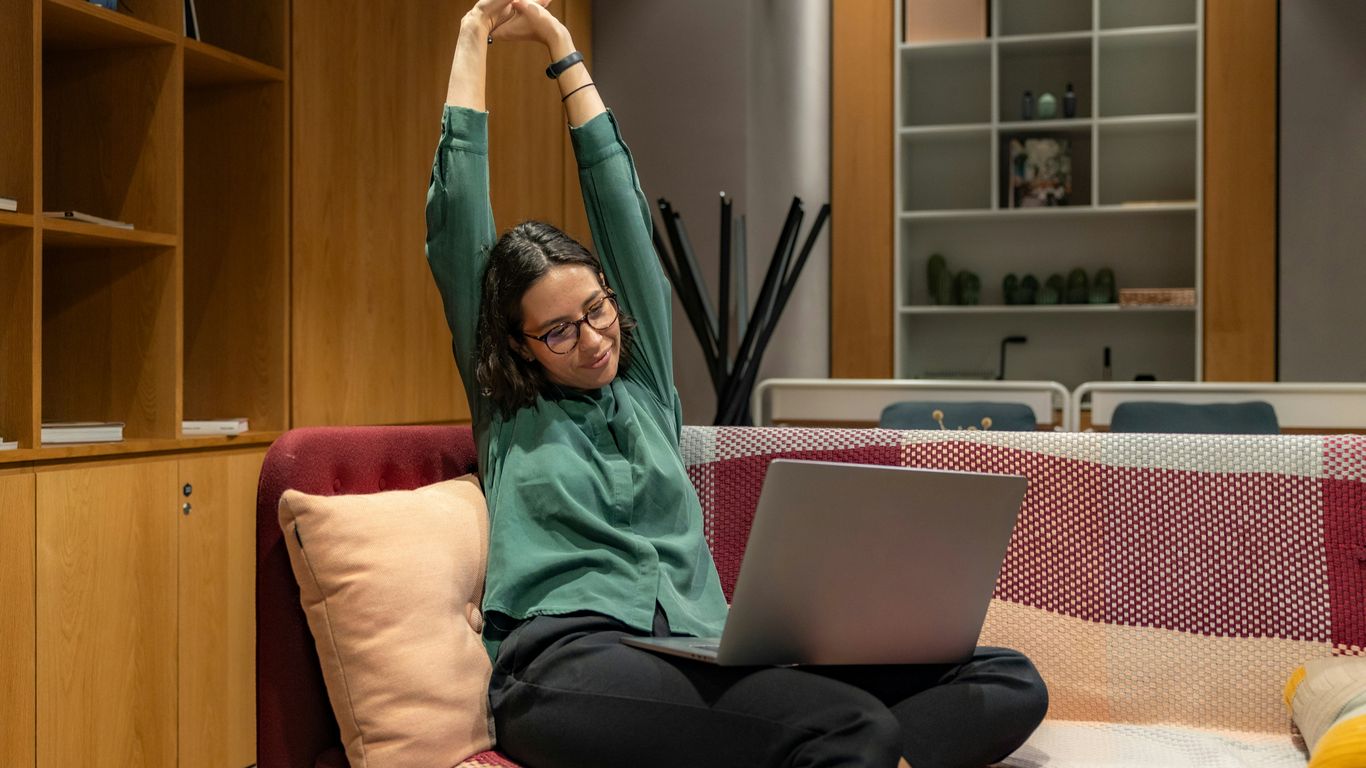
Starting yoga at home is a fantastic way to begin your journey. You get to skip the intimidation factor of a studio, where you might feel like everyone else knows exactly what they're doing. At home, there's no one watching, so you can wobble, fall, or even laugh without feeling self-conscious. This private space allows you to truly focus on your body and breath. You control the pace, meaning you can pause, rewind, or take extra breaths whenever you need to. Plus, it fits perfectly into your life, whether that's a quick session before the kids wake up or a wind-down after dinner. It removes so many common barriers, making yoga accessible to everyone, regardless of their starting point.
Creating A Dedicated Space
You don't need a huge room or fancy equipment to set up your yoga space. Even a small corner can work. The key is to make it feel like a place where you can relax and focus. Clear away clutter, maybe put down a rug or a blanket if you don't have a mat yet. Having a designated spot helps signal to your brain that it's time to practice. Think about lighting too – soft, natural light is great if possible. Some people like to add a plant or a candle to make the space feel more inviting.
Fitting Yoga Into Your Schedule
Life gets busy, right? That's why fitting yoga into your schedule is so important. Don't aim for an hour-long class right away. Start small. Even 10-15 minutes a day can make a big difference. Consistency is more important than duration when you're starting out. You might find that a short morning practice helps you feel more centered for the day, or a quick session in the evening helps you unwind. Try different times to see what works best for you. Remember, it's better to do a short practice consistently than a long one sporadically.
Here's a simple way to think about scheduling:
- Morning: A great way to start the day with energy and focus.
- Lunch Break: A quick reset to break up your workday.
- Evening: Perfect for releasing tension and preparing for sleep.
The most important thing is to just start. Don't wait for the 'perfect' moment or the 'perfect' setup. Your living room, a few minutes, and a willingness to try are all you really need.
Mastering Foundational Yoga Poses
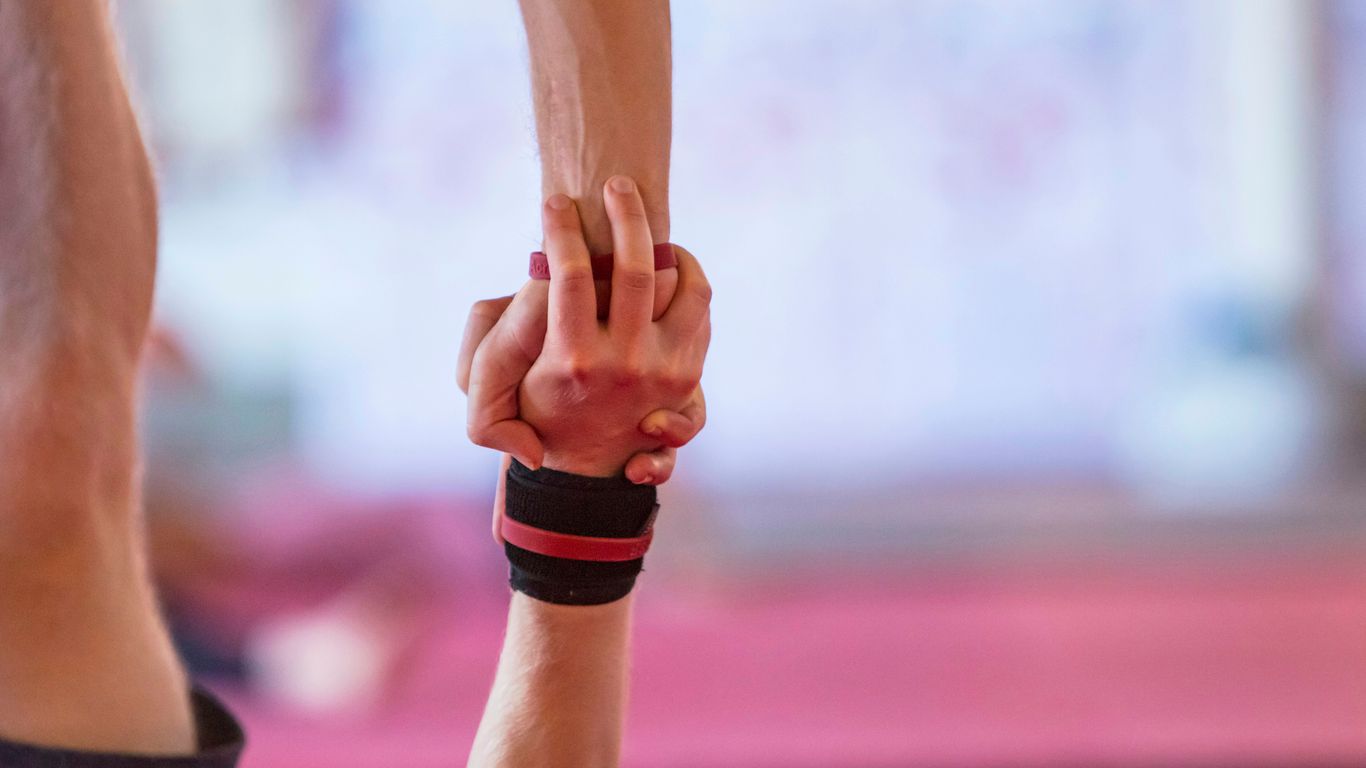
Getting a handle on the basic yoga poses is where the real magic starts to happen. It’s not just about looking like you know what you’re doing; it’s about building a solid base for your practice. Think of these poses as the alphabet of yoga – once you know them, you can start forming your own sentences, or in this case, your own flows.
Essential Poses For A Yoga Starter
When you're just starting out, focusing on a few key poses will make a big difference. These aren't the super complicated ones you see on Instagram, but the building blocks. They help you understand how your body moves and feels on the mat. Learning these poses correctly from the start will prevent bad habits from forming.
Here are some poses to get you acquainted:
- Mountain Pose (Tadasana): This looks simple, but it's all about grounding yourself. Stand tall, feet hip-width apart, and feel your connection to the earth. It teaches you about posture and how to stand with awareness.
- Downward-Facing Dog (Adho Mukha Svanasana): A classic! It stretches your whole back body, from your heels to your hands, and builds a bit of upper body strength. Don't worry if your heels don't touch the floor; focus on lengthening your spine.
- Child's Pose (Balasana): This is your go-to resting pose. It's a gentle way to reconnect with your breath and give your body a break. Perfect for when you need a moment of calm.
- Cobra Pose (Bhujangasana): Lying on your belly, you gently lift your chest. This helps open up your chest and strengthen your back muscles. Keep your elbows bent and close to your body when you're starting out.
- Corpse Pose (Savasana): The final resting pose. It might seem like doing nothing, but it's where your body integrates all the work you've done. Lying flat on your back, just breathe and relax.
Understanding Pose Alignment
Alignment is super important. It's not about being perfectly symmetrical, but about making sure you're moving in a way that supports your body and prevents strain. Think about where your joints are in relation to each other. For example, in Downward Dog, are your hands shoulder-width apart? Are your feet hip-width apart? Are you pressing evenly through your palms?
Proper alignment helps you get the most benefit from each pose and keeps you safe. It's about listening to your body and making small adjustments to find what feels right and stable for you.
Building Strength And Flexibility
As you get more comfortable with the basic poses, you'll naturally start to build both strength and flexibility. Poses like Warrior II build leg strength and stamina, while forward bends and twists help increase your flexibility. It's a gradual process, so be patient with yourself. You might not be able to touch your toes on day one, and that's totally fine. The goal is progress, not perfection. Exploring a variety of poses can help you achieve better balance and cultivate inner calm a wide range of yoga poses.
Here's a quick look at how some poses contribute:
| Pose Name | Primary Benefit |
|---|---|
| Mountain Pose | Posture & Awareness |
| Downward Dog | Full Body Stretch |
| Warrior II | Leg Strength & Balance |
| Seated Forward Bend | Hamstring Flexibility |
| Cobra Pose | Spine Strength & Chest Opening |
Finding The Right Yoga Class For You
Types Of Yoga Suitable For Beginners
Stepping into the world of yoga can feel a bit like walking into a new city without a map. There are so many different paths you can take! For beginners, it's smart to start with styles that are a bit more laid-back and focus on the basics. Think of it as learning the alphabet before you try to write a novel.
Here are a few types that are generally welcoming to newcomers:
- Hatha Yoga: This is a great starting point. It's a broad term that usually means a class focused on physical poses. It's not super fast-paced, so you get time to actually feel the pose and understand what you're doing. You can really go at your own speed here.
- Yin Yoga: If you're looking for something more chill and meditative, Yin is your jam. You hold poses for a longer time, and it's all about deep stretching and calming your mind. It's less about building heat and more about finding stillness.
- Vinyasa Yoga (Beginner Level): While Vinyasa can be quite energetic, many studios offer beginner Vinyasa classes. These will guide you through a flow of poses linked with your breath. It's a bit more movement-focused but still teaches you the core poses.
Locating Beginner-Friendly Studios
Finding a place to practice can make a big difference. You don't want to feel lost or out of place on your first day. Look for studios that specifically advertise 'Beginner,' 'Foundational,' or 'Gentle' classes. These are designed with people like you in mind.
When you find a studio, check out their schedule online. Most places let you book your spot ahead of time, which is a good idea so you know you have a place. If you're unsure about a specific class, don't hesitate to call or email the studio. Ask them if it's a good fit for someone just starting out. If you have any old injuries or health stuff going on, it's a good idea to mention that too. They can help point you to the right class or even let the teacher know.
Exploring Online Yoga Resources
Sometimes, the easiest way to start is right from your living room. Online yoga has exploded, and there are tons of options for beginners. You can find classes on YouTube, dedicated yoga apps, or through websites of yoga studios. The best part? You can often try them out for free or with a trial period. This is perfect for getting a feel for different styles and teachers without any pressure.
Taking a class online means you can hit pause, rewind, or even just do a 10-minute session during your lunch break. It removes a lot of the intimidation factor that some people feel walking into a physical studio for the first time. Plus, you can wear whatever you want!
When you're looking online, search for "beginner yoga" or "yoga for new students." Many instructors will offer guided sessions that break down poses and offer modifications. It's a really accessible way to begin your yoga journey.
Cultivating A Consistent Yoga Practice
So, you've dipped your toes into yoga, maybe even found a few poses that feel good. That's awesome! But how do you keep it going when life gets busy? Making yoga a regular thing isn't about being perfect; it's about showing up for yourself, even when it's just for a few minutes. Consistency is way more important than intensity when you're starting out.
Think of it like building any other habit. You wouldn't expect to run a marathon after one jog, right? Yoga is similar. It's a journey, and the real magic happens when you weave it into your life regularly. This doesn't mean you need to block out two hours every single day. Start small. Maybe it's just 10 or 15 minutes a few times a week. The key is to create a rhythm that works for you.
Creating A Yoga Ritual
Turning your yoga time into a ritual can make a big difference. It's about creating little cues that signal to your brain, "Okay, time for yoga." This could be as simple as rolling out your mat the night before, so it's ready and waiting. Or maybe you have a specific playlist that you always put on to start your practice. Some people like to light a candle or take a few deep breaths before they even begin. The idea is to make it a moment you look forward to, not just another chore on your to-do list.
Here are a few ideas to get you started:
- Prep your space: Have your mat and any props you use easily accessible.
- Set a time: Even if it's just 10 minutes, try to practice around the same time each day or week.
- Create a sensory cue: This could be a specific scent, a piece of music, or a quiet moment of stillness.
- Journal briefly: Jot down how you feel before and after your practice to notice the changes.
Moving With Your Energy Levels
Some days, you'll wake up feeling like you could flow for an hour, strong and energized. Other days, you might feel tired, a bit stiff, or just not up for a vigorous session. That's totally normal! Yoga isn't a one-size-fits-all activity. Listen to your body and adjust your practice accordingly. If you're feeling low on energy, a gentle stretching session or some restorative poses might be exactly what you need. If you're feeling restless, a more dynamic flow could be perfect. Both are valid forms of yoga, and both count towards your consistency. Don't force yourself into a high-energy practice when your body is asking for rest, and don't skip your practice altogether just because you don't feel like doing a full workout.
The Long-Term Benefits Of Yoga
Sticking with yoga, even when it feels challenging, brings rewards that go way beyond just getting a bit more flexible or stronger. You might notice you feel calmer, more focused, and better equipped to handle stress. It's like building up a reserve of resilience. Over time, you'll likely find that your body feels more comfortable, your mind is clearer, and you have a greater sense of connection to yourself. It's a practice that supports you not just physically, but mentally and emotionally too, helping you navigate life's ups and downs with a bit more grace.
The journey of yoga is a marathon, not a sprint. Each time you step onto your mat, you're building a foundation for a healthier, more balanced you. Small, consistent efforts compound over time, leading to significant positive changes in both your physical and mental well-being. Be patient with yourself, celebrate your progress, and trust the process.
Your Yoga Journey Starts Now
So, you've learned a bit about what yoga is all about, from its deeper meaning to just getting started with some basic moves. Remember, it's not about being perfect or super flexible right away. It's really about showing up for yourself, even if it's just for a few minutes. Whether you try a class at a studio or roll out a mat in your living room, the most important thing is to begin. Don't overthink it; just take that first step. Your body and mind will thank you for it.
Frequently Asked Questions
What is yoga all about, really?
Yoga is way more than just stretching and holding poses. It's about connecting your mind, body, and spirit. Think of it as a way to find inner peace and understand yourself better, both on and off the mat. It's a practice that helps you feel more balanced and calm.
What do I absolutely need for my first yoga class?
You don't need much to start! A comfortable mat to practice on is key. Also, wear clothes that let you move freely. That's pretty much it! You can add things like a water bottle or a towel later if you like.
Is it better to start yoga at home or in a studio?
Starting at home is fantastic for beginners! It's a safe space where no one is watching, so you can learn at your own speed. You can pause, rewind, and just be yourself without any pressure. Plus, you can do it whenever it fits your day.
What are some basic yoga poses I should know?
Great beginner poses include Mountain Pose (for standing tall), Downward-Facing Dog (great for stretching your whole body), Warrior poses (to build strength), and Child's Pose (a nice resting pose). These are like the building blocks for your yoga practice.
How do I find a yoga class that's right for me?
Look for classes labeled 'beginner,' 'foundational,' or 'gentle.' Hatha, Yin, and Vinyasa are often good starting points. If you're unsure, call or email the studio and ask if a class is suitable for newcomers. Many studios also offer online classes, which are super convenient.
How can I make sure I stick with yoga?
Make it a small ritual! Roll out your mat the night before, or play a favorite song to signal it's time to practice. Also, listen to your body. Some days you'll want a more energetic session, other days a gentle stretch is perfect. The best practice is the one you actually do.