
Yoga With Adriene Day 2: Find Your Flow and Connect
So, you're diving into 'Yoga With Adriene Day 2: Find Your Flow and Connect'? Awesome! This session is all about getting you comfortable on the mat, really tuning into how your body feels, and linking your breath to your movements. It's not about being a yoga pro; it's about showing up for yourself, even if it's just for a little while. Think of it as a gentle way to start your day or unwind. We'll explore some simple poses and focus on just being present. Let's get started!
Key Takeaways
- Yoga with Adriene Day 2 focuses on mindful movement, connecting breath with body.
- Gentle poses like Cat-Cow and Downward-Facing Dog help with spinal mobility and stretching.
- Creating a calm space and adopting a beginner's mindset makes the practice more accessible.
- Listening to your body is important; distinguish between discomfort and actual pain.
- Consistent, gentle practice builds sustainable progress and makes yoga a rewarding habit.
Embracing Mindful Movement With Yoga With Adriene Day 2
Understanding The Essence Of Mindful Movement
So, Day 2 of Yoga With Adriene is all about getting into the groove of mindful movement. What does that even mean? It's not just about going through the motions of a yoga pose. It's about really paying attention to what your body is doing and how it feels, right here, right now. Think of it like this: instead of just stretching your arms up, you're noticing the sensation of your muscles lengthening, the air filling your lungs, and maybe even a thought that pops into your head. The goal is to be present, not perfect. It’s about connecting with yourself on a deeper level, noticing the subtle shifts and sensations without judgment. It’s like a moving meditation, where the practice itself is the point, not some final, flawless pose.
The Benefits Of Connecting Breath And Body
This connection between your breath and your body is a big deal in yoga, and Day 2 really highlights it. When you link your breath to your movements, something pretty cool happens. Your breath acts as an anchor, keeping you grounded in the present moment. It helps to calm your nervous system, which can make those stretches feel more accessible and less intense. Plus, coordinating your breath with movement can actually help you release tension you didn't even know you were holding. It's like your body gets permission to relax.
Here are a few ways this connection helps:
- Calms the mind: A steady breath can quiet down that mental chatter.
- Increases body awareness: You start to notice how your body responds to different movements.
- Improves flexibility: Breathing deeply can help muscles relax and lengthen.
- Reduces physical tension: It signals to your body that it's safe to let go.
Cultivating Presence On The Mat
Cultivating presence on the mat is really the heart of mindful movement. It means showing up fully for your practice, even if it's just for a short time. It's about creating a space where you can tune out the distractions of the day and tune into yourself. This doesn't mean your mind won't wander – that’s totally normal! The practice is in gently bringing your attention back to your breath or the sensations in your body whenever you notice your mind drifting. It's a skill that builds over time, and Day 2 is a great place to start practicing it.
Being present on your mat is about honoring where you are today. Some days you might feel strong and flexible, other days a bit stiff or tired. The practice is to meet yourself with kindness and awareness, no matter what shows up. It's about the journey of noticing, not the destination of achieving.
This approach helps you build a more sustainable and rewarding relationship with yoga, moving beyond just the physical postures.
Exploring Key Poses In Yoga With Adriene Day 2
Day 2 of our Yoga With Adriene journey is all about getting comfortable with some foundational movements. We're not trying to break any records here; it's more about feeling what's happening in your body and getting a sense of connection. Think of these poses as the building blocks for your practice. They're simple, but they do a lot to wake up your body and calm your mind.
Gentle Spinal Mobility With Cat-Cow
This is a fantastic way to start waking up your spine. You'll be on your hands and knees, and the idea is to move with your breath. As you inhale, you'll drop your belly, lift your chest, and look up a bit – that's your 'Cow' pose. Then, as you exhale, you'll round your spine, tuck your chin, and let your back arch towards the ceiling – that's 'Cat'.
- Inhale: Drop belly, lift chest, gaze forward or slightly up.
- Exhale: Round spine, tuck chin, press hands into the mat.
- Repeat this flow, linking each movement to your breath.
It feels really good to just move your spine like this, especially if you've been sitting for a while. It's like giving your back a gentle massage from the inside out.
Foundational Stretches Like Downward-Facing Dog
Downward-Facing Dog is a classic for a reason. It's a pose that stretches a lot of your body at once – your hamstrings, calves, shoulders, and even your spine. You'll start on your hands and knees and then lift your hips up and back, forming an inverted 'V' shape. Don't worry if your heels don't touch the floor or if your legs are bent; that's totally fine. The goal is to lengthen your spine.
- Hands shoulder-width apart, feet hip-width apart.
- Press firmly through your palms and lift your hips high.
- Keep a slight bend in your knees if your hamstrings feel tight.
This pose can feel a bit intense at first, but it's incredibly rewarding. It helps build strength and flexibility.
Releasing Tension With Gentle Twists
Twists are great for releasing tension, especially in your torso and spine. They can also help with digestion. For Day 2, Adriene usually guides us through gentle seated or supine twists. The key here is to keep the movement slow and controlled. You don't want to force anything.
The focus is on breathing into the twist and feeling a gentle release, rather than trying to twist as deeply as possible. It's about making space and letting go.
- Seated Twist: Sit tall, inhale to lengthen your spine, and exhale to gently twist your torso to one side, using your hands for light support.
- Supine Twist: Lie on your back, draw one knee into your chest, and then guide it across your body, keeping your shoulders grounded.
- Hold each side for a few breaths, noticing the sensations.
These poses are all about making your body feel a little more open and a little less stiff. It's a gentle introduction, and that's exactly what we need on Day 2.
Setting The Stage For Your Practice
Creating A Serene And Supportive Environment
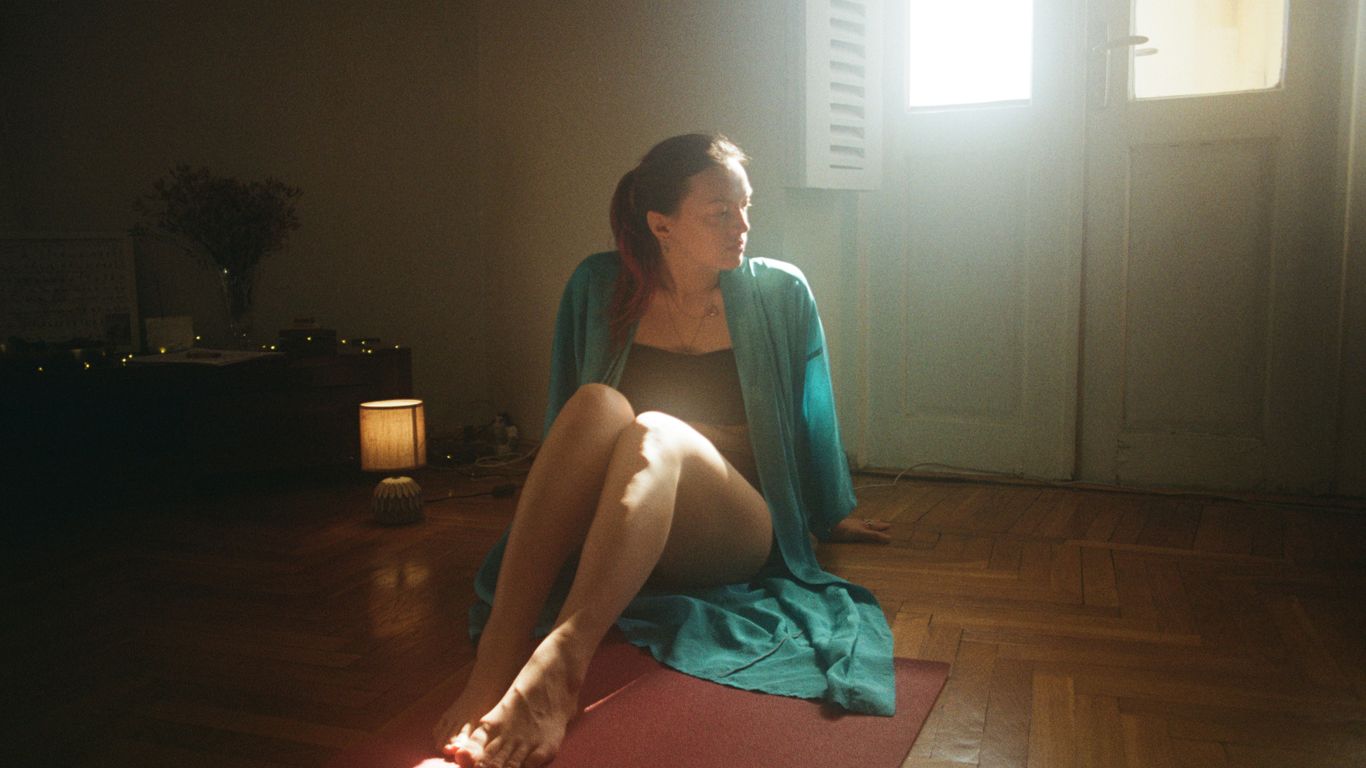
Before you even unroll your mat, think about the space where you'll be practicing. It doesn't need to be a dedicated yoga studio; even a small corner of your living room can work. The goal is to make this spot feel like a little sanctuary, a place where you can leave the day's stresses behind. Consider the lighting – maybe some soft, natural light if possible, or a dim lamp. Keep the area tidy; clutter can be distracting. Some people like to add a plant or a calming scent, like lavender, to make the space feel even more inviting. It's about creating an atmosphere that signals to your brain: 'It's time to relax and move.'
The Importance Of A Beginner's Mindset
It's so easy to get caught up in what we think yoga should look like, especially if you've seen pictures or videos of super flexible people. But for Day 2, Adriene really wants us to let go of that. Think of it like learning anything new – you wouldn't expect to be an expert on day one, right? Your first few times might feel a bit awkward, and that's completely fine. The most important thing is to show up with an open mind, ready to explore what your body can do today, without judgment. Embrace the wobbles and the uncertainty; they're part of the process.
Utilizing Props For Comfort And Support
Props aren't just for advanced yogis; they're tools to help everyone feel more comfortable and get more out of the practice. Don't feel like you have to skip them if you're new. A yoga block can bring the floor closer to you in poses where you can't quite reach, like in forward folds. A strap can help you extend your reach in stretches, and a folded blanket or cushion can provide extra padding for your knees or hips. Using props helps you find proper alignment and can prevent strain, allowing you to hold poses longer and with more ease.
Here's a quick look at how props can help:
- Blocks: Bring the ground up to you, support balance, deepen stretches safely.
- Straps: Extend your reach, assist in binding poses, help maintain alignment.
- Blankets/Cushions: Add padding for knees and hips, provide support in seated poses, offer warmth during relaxation.
Remember, the goal isn't to force your body into a shape it's not ready for. It's about using what you have – your body, your breath, and these helpful props – to create a practice that feels good and works for you right now.
The Mind-Body Connection In Flow Day 2
Understanding The Intertwined Nature Of Mind And Body
It's easy to think of our minds and bodies as separate things, but they're really not. They're constantly talking to each other. When you're stressed, your shoulders might tense up, right? Or when you're excited, you might feel a lightness in your chest. This constant back-and-forth is the mind-body connection in action. Yoga, especially a flowing practice like Adriene's Day 2, gives us a chance to really tune into this conversation. It’s not just about moving your limbs; it’s about noticing how those movements affect your thoughts and feelings, and vice versa.
How Yoga Facilitates Deeper Self-Awareness
Yoga isn't just about getting into fancy poses. It's a practice that encourages you to be present. As you move through the sequences in Day 2, you're paying attention to your breath, the sensations in your muscles, and any thoughts that pop up. This focused attention acts like a spotlight, illuminating the signals between your brain and your body. You start to notice patterns – maybe you hold tension in your jaw when you're concentrating, or your breath gets shallow when you feel anxious. This awareness is the first step to making healthier choices for yourself.
- Tune into your breath: Notice the rhythm of your inhales and exhales. It's a constant anchor to the present moment.
- Feel the physical sensations: Where do you feel the stretch? Is there any tightness? Just observe without judgment.
- Acknowledge your thoughts: When your mind wanders, gently guide it back to your breath and body. It's okay if it happens; that's part of the practice.
Practicing Presence Through Sensations And Breath
Staying present on the mat can be a challenge, especially when life feels hectic. The key is to gently bring your focus back whenever your mind drifts. Adriene's Day 2 flow is perfect for this because it emphasizes smooth transitions and breath awareness. Instead of worrying about what comes next or what you did yesterday, try to really inhabit the moment. Feel the ground beneath your feet, the air on your skin, the gentle stretch in your muscles. This consistent return to the present moment, guided by your breath and bodily sensations, is where the real connection happens.
The practice isn't about achieving a perfect pose or an empty mind. It's about showing up, paying attention to what's happening right now, and being kind to yourself through the process. Every breath, every sensation, is an opportunity to connect.
Navigating Challenges In Yoga With Adriene Day 2
Listening To Your Body: Discomfort Versus Pain
Okay, so you're on the mat for Day 2, and maybe things feel a little… intense. It's super common, especially when you're starting out or trying new movements. The big thing to remember is the difference between discomfort and actual pain. Discomfort is that mild stretching sensation, maybe a little shaky feeling in a muscle. It's your body saying, 'Hey, I'm working here!' Pain, though? That's a sharp, sudden, or burning feeling. If you feel pain, that's your cue to back off. Don't push through it. Yoga isn't about forcing yourself into positions that hurt. It's about listening to what your body is telling you and respecting its limits for today.
Embracing Imperfection And Self-Kindness
Let's be real, none of us are perfect yogis, especially not on Day 2. You might wobble, you might not be able to hold a pose for long, or maybe you just can't get your leg quite where the video shows. That's totally fine. This practice is about showing up for yourself, not about achieving some impossible standard. Think of it like learning to cook a new dish – sometimes it turns out amazing, sometimes it's a bit of a mess, but you still learned something. Be gentle with yourself. Celebrate the effort you're putting in, not just the 'perfect' execution. Every little bit of movement and breath counts.
Emotional Release Through Hip Opening
It might seem strange, but our hips can hold onto a lot of stuff – stress, tension, even emotions we didn't realize were there. Day 2 often includes some gentle hip openers, and as you ease into them, you might feel more than just a physical stretch. Sometimes, releasing tension in the hips can bring up feelings. It's okay to acknowledge them. Just breathe through it. You don't have to figure it all out right now. Simply allowing yourself to feel whatever comes up, without judgment, is part of the practice. It's a way to clear out old energy and make space for feeling lighter.
Here's a quick guide to help you tune in:
- Discomfort: A mild stretch, muscle fatigue, slight shakiness. Your body is working.
- Pain: Sharp, stabbing, burning, or joint pain. Your body is signaling danger.
- Action for Discomfort: Breathe into it, hold the pose gently, or modify.
- Action for Pain: Stop the pose immediately, rest, or try a different variation.
Remember, yoga is a journey, not a competition. Each day on the mat is a new opportunity to connect with yourself, exactly as you are. Be patient, be kind, and trust the process.
Finding Your Flow And Consistency
So, you've made it through Day 2 of Yoga With Adriene! That's fantastic. The real magic of yoga, though, isn't just in showing up for a single session; it's in weaving it into the fabric of your life. Finding your flow isn't about nailing every pose perfectly, but about developing a rhythm that works for you, day after day. Consistency is the quiet engine that drives progress, turning those initial moments of effort into lasting habits.
The Power Of Gentle Practices For Sustainable Progress
It's easy to think that progress in yoga, or anything really, requires intense, grueling sessions. But honestly, that's often a recipe for burnout. Gentle practices, like the ones Adriene guides us through, are actually more effective for long-term gains. They build a foundation of awareness and strength without overwhelming your system. Think of it like tending a garden; consistent, gentle watering and care yield the best results over time, rather than a sudden flood.
- Listen to your body: Always honor what you're feeling. Pushing too hard can lead to injury and discouragement.
- Start small: Even 10-15 minutes a day can make a significant difference.
- Be patient: Progress isn't always linear. Some days will feel easier than others.
Tangible Results Through Consistent Effort
When you commit to showing up regularly, even for short periods, you'll start to notice changes. It might be subtle at first – maybe you feel a little less stiff in the morning, or perhaps you find yourself breathing a bit deeper throughout the day. These aren't accidents; they're the direct results of your consistent effort. Over time, these small shifts accumulate, leading to greater flexibility, improved balance, and a calmer mind. It's about building momentum, one practice at a time. You can start this journey with her seven-video series.
Making Yoga A Rewarding Part Of Your Routine
To make yoga a sustainable part of your life, it needs to feel good. It shouldn't feel like another chore on your to-do list. Try to create a space and time that feels special, even if it's just a corner of your living room for 15 minutes. Notice how you feel after you practice – that sense of calm, clarity, or physical release is the reward. Celebrate showing up for yourself. This practice is a gift you give yourself, and recognizing that can make all the difference in sticking with it.
The goal isn't to become a pretzel overnight. It's about cultivating a kinder, more aware relationship with your own body and mind. Each time you unroll your mat, you're showing up for yourself, and that's a win.
Keep Flowing!
So, that's a wrap on Day 2 of 'Yoga With Adriene'! It's totally normal if things felt a little awkward or challenging at first. Remember, the whole point is to show up for yourself, even in small ways. Don't worry about being perfect; just focus on moving your body gently and breathing through it. Keep showing up, keep practicing, and you'll start to notice the little shifts. It's a journey, and every little bit of movement counts. See you on the mat for Day 3!
Frequently Asked Questions
What is 'mindful movement' in yoga?
Mindful movement means paying close attention to how your body feels as you move. It's about being aware of each stretch, each breath, and not just going through the motions. Think of it like a moving meditation, where you focus on the experience itself.
Why is connecting breath and body important in yoga?
Linking your breath with your body's movements helps calm your mind and relax your muscles. It makes stretches feel more effective and can help release tension. It's like giving your body permission to open up and let go.
What can I expect in 'Yoga With Adriene Day 2: Find Your Flow'?
Day 2 is designed to help you gently explore your body's movements and connect with your breath. It usually includes simple, foundational poses that help you feel more aware and present, without being too difficult.
How can I create a good space for my yoga practice at home?
To create a peaceful space, find a quiet spot where you won't be interrupted. You can dim the lights, maybe light a candle, or play some soft music. The main idea is to make it feel like your own little sanctuary for practice.
What should I do if a yoga pose feels uncomfortable?
It's important to listen to your body. A gentle stretch feeling is usually okay, but if you feel sharp pain, ease back or modify the pose. Yoga is about progress, not pushing yourself too hard, especially when you're starting out. Be kind to yourself!
Can hip-opening poses help with emotions?
Yes, they can! Our hips can hold a lot of stress and emotions. Gently stretching and opening the hips in yoga can help release some of that stored tension, leading to feeling lighter and more at ease emotionally.

