Yoga Pranayama: Breathing Techniques for Every Level
Pranayama is the yogic practice of intentional breath control, and you can start today with five safe, beginner-friendly techniques. Here is a quick-start list to try right now:
- Diaphragmatic breathing: Slow belly breathing to calm the nervous system
- Nadi Shodhana (alternate nostril breathing): Balances energy and sharpens focus
- Ujjayi (ocean breath): A gentle throat constriction that anchors attention during movement
- Bhramari (humming bee breath): A buzzing exhale that quiets mental chatter fast
- Kapalabhati (skull-shining breath): Short, sharp exhales that build respiratory strength (intermediate)
Safety note: If you are pregnant, have uncontrolled high blood pressure, a recent eye surgery, or any acute respiratory condition, consult a clinician before practicing breath retention or vigorous techniques.
Key Takeaways
Pranayama’s most reliable benefits come from consistent, gentle practice of calming techniques, with the strongest clinical evidence in respiratory conditions and nervous-system regulation.
| Point | Details |
|---|---|
| Start with the basics | Diaphragmatic breathing and Nadi Shodhana are the safest entry points for any beginner. |
| Slow breathing shifts physiology | Breathing at five to six breaths per minute increases heart-rate variability and can reduce blood pressure. |
| Vigorous techniques need caution | Kapalabhati and Bhastrika carry real risk; avoid them during pregnancy, hypertension, or without teacher guidance. |
| Consistency beats duration | Five minutes of daily practice produces more lasting benefit than one long weekly session. |
| Get live feedback | A qualified teacher (RYT-500 or C-IAYT) catches errors in retention and posture that self-practice cannot. |
Table of Contents
- What is yoga pranayama and where does it fit in yoga?
- How pranayama works: breathing mechanics and the three phases
- What can pranayama help with?
- Step-by-step instructions for key pranayama techniques
- Who should avoid or modify pranayama?
- How often and when to practice
- How to find a good pranayama teacher
- What does the research actually show?
- The breath as an invitation, not a command
- Sources
What is yoga pranayama and where does it fit in yoga?
The word pranayama comes from two Sanskrit roots: prana (life force or breath) and ayama (extension, regulation, or restraint). Together they point to something more than just breathing slowly. The practice is about learning to shape the breath deliberately, which in classical yoga philosophy is understood as shaping the energy that animates the body.
In Patanjali’s eight-limbed yoga system, pranayama is the fourth limb, sitting between the physical postures (asana) and the inward practices of sense withdrawal and meditation. That placement is not accidental. Patanjali treated breath regulation as the bridge between the outer, physical practice and the inner, contemplative one. Hatha yoga texts like the Hatha Yoga Pradipika expanded this into a full system of named techniques, each with specific ratios and effects.
Modern yoga classes have absorbed pranayama in varying degrees. Some teachers weave breath cues into every posture; others dedicate the first or last ten minutes of class to seated practice. Either way, the underlying idea stays the same: the breath is something you can work with, not just something that happens to you.
How pranayama works: breathing mechanics and the three phases
Every pranayama technique is built from three components. Puraka is inhalation. Rechaka is exhalation. Kumbhaka is retention, and it comes in two forms: antah kumbhaka (holding after the inhale) and bahih kumbhaka (holding after the exhale). Beginners almost always work with puraka and rechaka alone, adding kumbhaka only after weeks of steady practice.
The physical engine behind all of this is the diaphragm. When it contracts and descends, the lungs expand and air flows in. When it relaxes and rises, air flows out. Most people, especially under stress, breathe with the upper chest and accessory muscles instead, which is shallower and less efficient. Pranayama training redirects that pattern. Nasal, diaphragmatic breathing supports neural synchronization and offers physiological benefits including air filtration, humidification, and modest nitric-oxide production that mouth breathing does not provide. You can read more about the practical case for nasal breathing in Yuneyoga’s guide to nose breathing benefits.
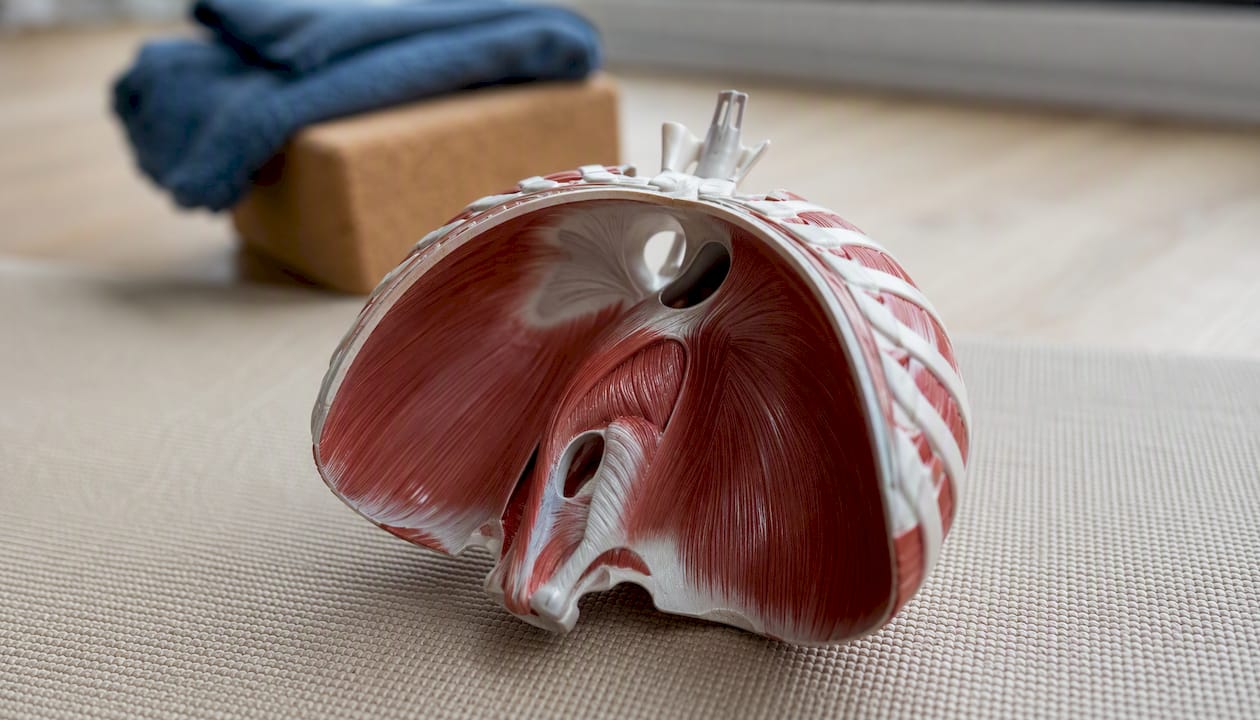
One thing worth knowing: breathing instruction that over-emphasizes “filling the lungs” risks recruiting accessory muscles and creating tension in the neck and shoulders. The goal is a sustainable, comfortable breath, not a maximal one.
Practical setup checks before you begin:
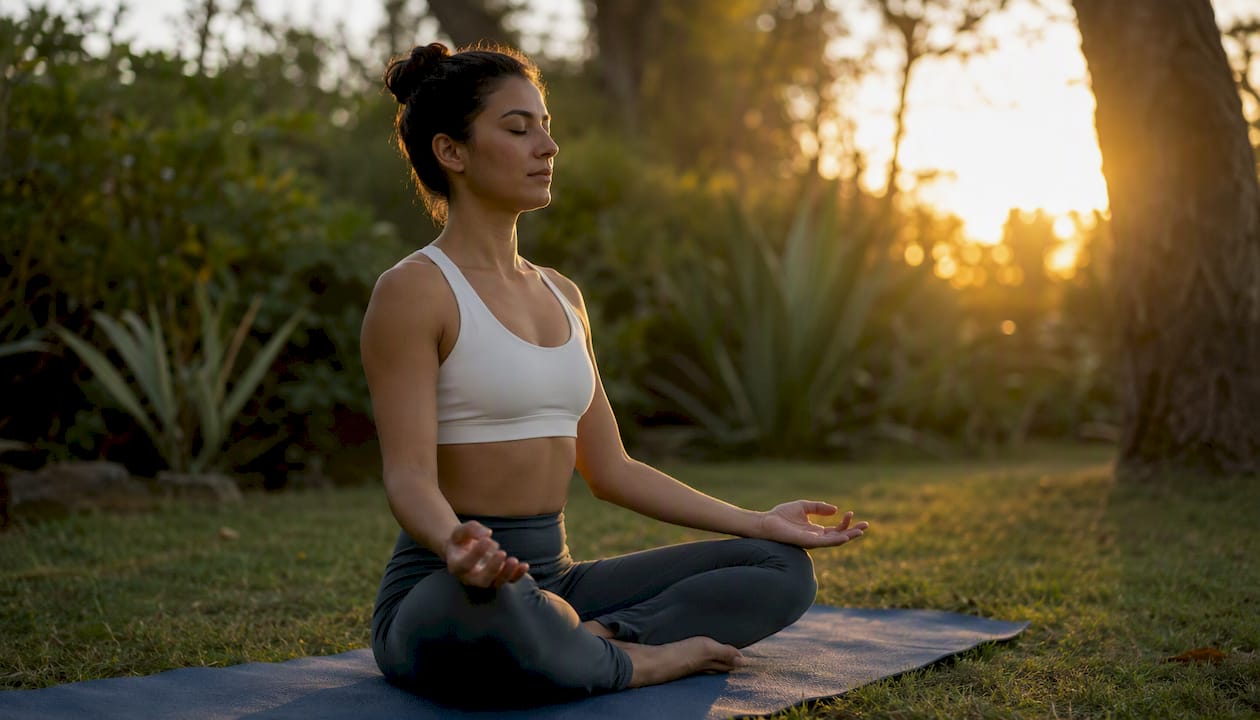
- Sit tall with a neutral spine, either cross-legged on a folded blanket or in a chair with feet flat on the floor
- Place one hand on the belly and one on the chest; the belly hand should rise first on the inhale
- Keep the jaw, tongue, and shoulders relaxed
- Breathe through the nose unless a technique specifically calls for mouth breathing
- If the breath feels strained, shorten the count or pause the technique entirely
Pro Tip: If your chest rises before your belly, try lying on your back with a book on your abdomen. Breathing the book up and down trains the diaphragm faster than any seated cue.
What can pranayama help with?
The benefits fall into three broad categories: nervous-system regulation, respiratory function, and mental health. The evidence is strongest for people with diagnosed respiratory conditions. A systematic review of 18 controlled trials found improvements in pulse rate, systolic blood pressure, forced vital capacity (FVC), FEV1, and quality of life in clinical groups with bronchial asthma and COPD, though the review also noted that study methods were heterogeneous and higher-quality randomized controlled trials are still needed.
For healthy adults, the picture is more modest but still meaningful. Slow breathing at around five to six breaths per minute has been shown to increase heart-rate variability and reduce blood pressure in short-term studies. That rate roughly corresponds to a 5-count inhale and 5-count exhale, which is the basis of several calming pranayama techniques.
Mental health outcomes are also promising. Controlled breathwork studies, including Sudarshan Kriya research, reported reductions in anxiety and improvements in sleep, though study designs and populations varied. A Yale study found that teaching breathing skills in schools improved some measures of student mental health and resilience, suggesting the benefits extend well beyond clinical populations. For a practical look at how breathwork connects to anxiety relief, Yuneyoga’s article on yoga for anxiety covers the overlap clearly.
What beginners typically feel in the first few sessions: a mild sense of calm after slow techniques, slight light-headedness if counts are too long (back off immediately), and a noticeable shift in mental focus after five to ten minutes of practice. Consistent daily practice over four to six weeks tends to produce the more durable effects seen in research.
Step-by-step instructions for key pranayama techniques
These five techniques cover the range from deeply calming to actively energizing. Work through them in the order listed if you are new to pranayama breathing.
1. Diaphragmatic breathing (Sama Vritti / equal breathing)
Purpose: Establishes the foundational breath pattern; calms the nervous system.
- Sit comfortably with one hand on the belly.
- Inhale through the nose for a count of 4, letting the belly expand first.
- Exhale through the nose for a count of 4, letting the belly fall.
- Repeat for 5–10 cycles.
Beginner modification: Drop to a count of 3 if 4 feels rushed. Caution: If the breath feels forced, reduce the count.
2. Nadi Shodhana (alternate nostril breathing)
Purpose: Balances the left and right hemispheres; sharpens focus and reduces pre-performance anxiety.
- Rest the right hand in Vishnu mudra: index and middle fingers folded toward the palm, thumb and ring finger free.
- Close the right nostril with the thumb; inhale through the left for a count of 4.
- Close both nostrils briefly (optional at beginner stage); release the thumb and exhale through the right for a count of 4.
- Inhale through the right for 4; close both; exhale through the left for 4. That is one full cycle.
- Complete 5–10 cycles.
Beginner modification: Skip the retention entirely at first. Caution: Avoid if the nasal passages are blocked from a cold or acute infection.
3. Ujjayi (ocean breath)
Purpose: Anchors attention during movement; gentle vagal activation.
- Inhale through the nose for a count of 4.
- On the exhale, slightly constrict the back of the throat (as if fogging a mirror with your mouth closed) to create a soft ocean-wave sound.
- Exhale for a count of 6.
- Use during asana practice or seated for 5–10 minutes.
Beginner modification: Practice the throat constriction on the exhale only before adding it to the inhale. Caution: Keep the sound soft; a strained or loud ujjayi means the throat is too tight.
4. Bhramari (humming bee breath)
Purpose: Rapid stress relief; quiets mental chatter; useful before sleep.
- Sit with eyes closed, index fingers lightly covering the ear cartilage (not deep in the canal).
- Inhale through the nose for a count of 4.
- On the exhale, make a steady humming sound (like a bee) for as long as comfortable, typically 6–8 counts.
- Repeat 5–7 times.
Beginner modification: Hum without covering the ears first to get comfortable with the sound. Caution: Avoid if you have an active ear infection.
5. Kapalabhati (skull-shining breath) — intermediate
Purpose: Energizes; strengthens respiratory muscles; clears the airways.
- Sit tall with a relaxed belly.
- Take a passive inhale through the nose.
- Sharply contract the lower belly to force a short, strong exhale through the nose. The inhale follows passively.
- Begin at 30 pumps per minute (roughly one pump every two seconds).
- After one round of 20–30 pumps, take a full natural breath and pause.
Beginner modification: Start with 10 pumps per round and build slowly over weeks. Caution: Vigorous pranayama techniques can cause adverse events including pneumothorax when practiced improperly; never force the pumps, and stop immediately if you feel chest pain or dizziness. Avoid during pregnancy, menstruation, or with uncontrolled hypertension.
Extended exhale (calming variant)
Purpose: Acute stress reduction; down-regulates sympathetic activity.
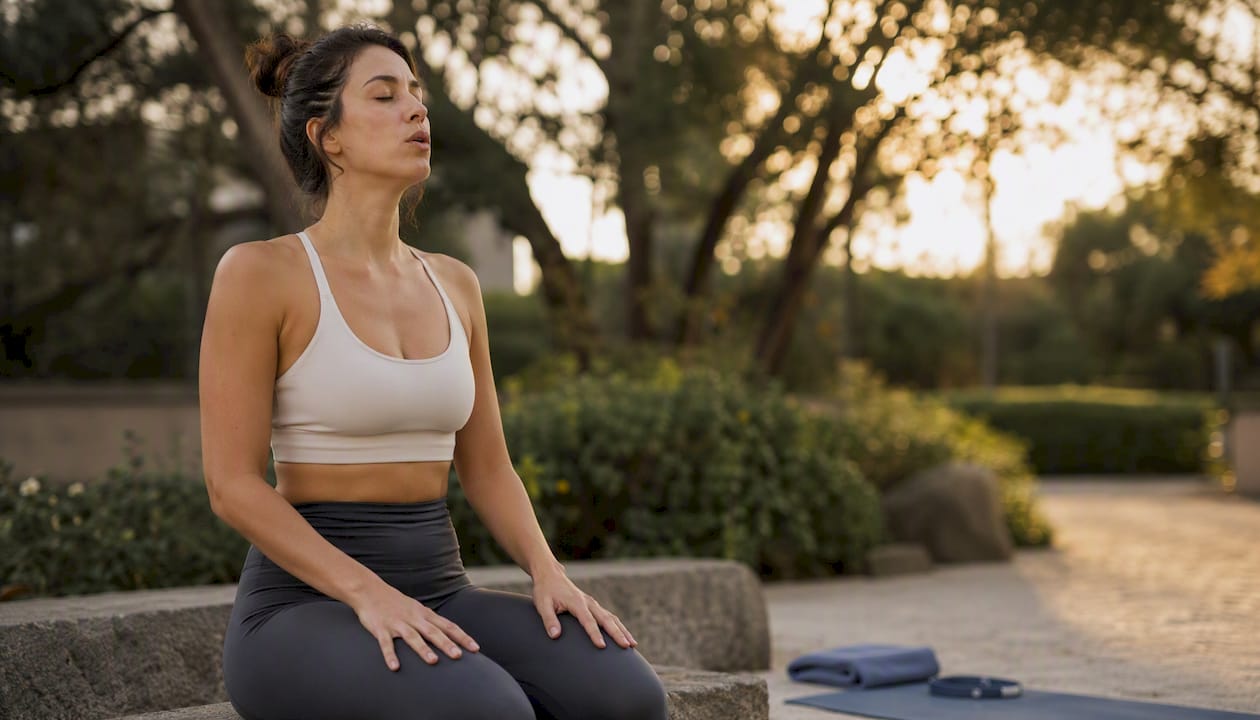
Inhale for 4 counts, exhale for 8. A longer exhale relative to the inhale tends to reduce sympathetic nervous system activity and is one of the simplest tools for in-the-moment stress relief. No special posture or hand placement needed.
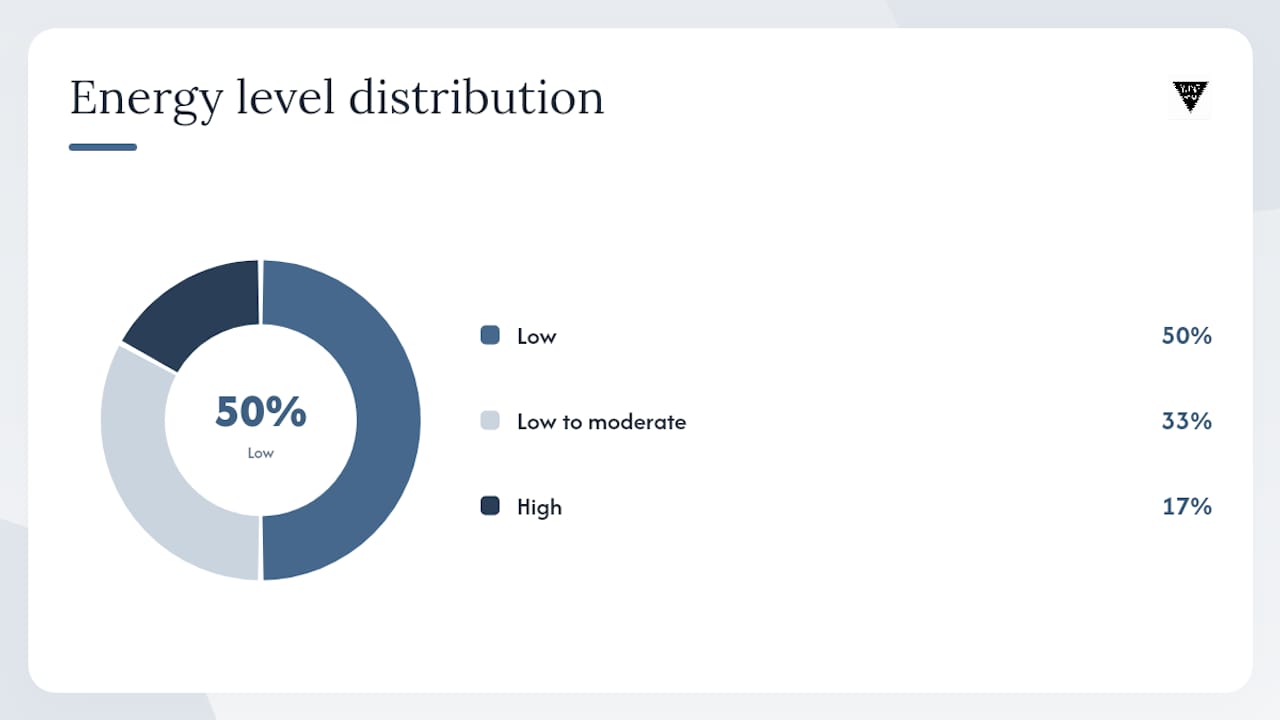
| Technique | Primary effect | Best-use context | Energy level |
|---|---|---|---|
| Diaphragmatic breathing | Calming, grounding | Morning routine, pre-sleep, beginners | Low |
| Nadi Shodhana | Balancing, focusing | Before study, meditation, or performance | Low to moderate |
| Ujjayi | Calming, focusing | During asana practice | Low to moderate |
| Bhramari | Calming, stress relief | Acute anxiety, pre-sleep | Low |
| Kapalabhati | Energizing, respiratory | Morning practice, post-asana (intermediate) | High |
| Extended exhale | Calming, parasympathetic | Acute stress, wind-down | Low |
Pro Tip: Yoga teachers advise treating breath cues as invitations rather than rigid rules. If a count feels uncomfortable, shorten it. If a technique feels mechanical, try reversing the breath pattern for a few cycles. Curiosity keeps the practice alive.
Who should avoid or modify pranayama?
Most healthy adults can practice the calming techniques without any special precautions. The vigorous and retention-based techniques carry more risk, and some conditions require modification or medical clearance.
Contraindications and who should consult a clinician first:
- Pregnancy: Avoid breath retention (kumbhaka) and vigorous techniques like Kapalabhati and Bhastrika; gentle diaphragmatic breathing and Nadi Shodhana without retention are generally considered safe, but confirm with your OB or midwife.
- Uncontrolled hypertension: Breath retention raises intrathoracic pressure and can spike blood pressure; stick to slow, gentle breathing without holds until blood pressure is managed.
- Recent eye surgery (including cataract or retinal procedures): Vigorous exhalation and retention increase intraocular pressure; avoid Kapalabhati and any forceful technique.
- Acute respiratory infection or asthma flare: Pranayama is not a substitute for medication during an active flare; wait until the episode resolves.
- History of pneumothorax (collapsed lung): Vigorous or forceful techniques are contraindicated; seek clearance from a pulmonologist before any pranayama beyond gentle diaphragmatic breathing.
- Epilepsy or recent head injury: Hyperventilation-adjacent techniques can lower seizure threshold; medical clearance is required.
Warning signs during practice and what to do:
- Dizziness or light-headedness: Stop, breathe normally, and lie down if needed. This is the most common beginner error and almost always means the count was too long or the breath was too forceful.
- Chest tightness or pain: Stop immediately and seek medical attention if it persists.
- Tingling in the hands or face: A sign of mild hyperventilation; slow down and breathe naturally.
- Panic or a feeling of suffocation: Release any retention immediately and return to a natural breath. This is a normal nervous-system response for some beginners and usually resolves with gentler practice.
Practical modifications: Beginners with any of the above conditions should start with diaphragmatic breathing only, no retention, for the first two to four weeks. A qualified yoga therapist (look for C-IAYT credentials from the International Association of Yoga Therapists) can adapt techniques to specific health conditions.
How often and when to practice
Consistency matters more than duration. Even five minutes of daily pranayama produces more benefit over time than a 30-minute session once a week. Clinical and educational guidance recommends progressive training and qualified instruction, with gradual increases in retention and duration rather than jumping to advanced counts.
Posture and setup:
- Choose a firm, comfortable seat: cross-legged on a folded blanket, on a meditation cushion, or in a chair.
- Lengthen the spine without rigidity; let the shoulders drop.
- Rest hands on the knees or thighs, palms up or down.
- Set a timer so you are not watching the clock.
Session templates:
5-minute practice (daily baseline):
- 2 minutes of diaphragmatic breathing (4-count inhale, 4-count exhale)
- 3 minutes of Bhramari or extended exhale
15-minute practice (building phase):
- 3 minutes of diaphragmatic breathing
- 5 minutes of Nadi Shodhana (no retention)
- 5 minutes of Ujjayi or Bhramari
- 2 minutes of natural breath observation
30-minute practice (established practice):
- 5 minutes of diaphragmatic breathing
- 10 minutes of Nadi Shodhana (with brief retention after 2–3 weeks)
- 8 minutes of Ujjayi or Bhramari
- 5 minutes of Kapalabhati (intermediate only)
- 2 minutes of natural breath and stillness
Progression guidelines:
- Spend at least two weeks on diaphragmatic breathing alone before adding other techniques.
- Add one new technique at a time, practicing it for at least one week before combining it with others.
- Introduce retention only after inhalation and exhalation cycles feel comfortable and unhurried.
- Increase retention counts by one second per week at most; never force a hold.
- Signs of healthy progression: breath feels longer and more comfortable, resting heart rate trends lower, and you feel settled rather than depleted after practice.
A supportive mat makes a real difference for seated practice. Yuneyoga’s natural rubber mats provide the cushioning and grip that keep you comfortable through longer sessions.
How to find a good pranayama teacher
Online videos and apps can get you started, but live instruction catches errors that are genuinely hard to self-diagnose, particularly around retention and posture. Progressive training under qualified instruction is the standard recommendation across clinical and educational literature.
What to look for in a teacher:
- Registered Yoga Teacher (RYT-200 or RYT-500) with specific pranayama training, or a Certified Yoga Therapist (C-IAYT)
- Experience working with clinical populations if you have a health condition
- Emphasis on breath education, safety, and individual modification rather than pushing students to hold longer
- Willingness to explain the rationale behind each technique, not just demonstrate it
A sensible learning path:
Start with two to four guided group classes or a structured online course to learn the foundational techniques. Then build a short daily home practice using those techniques. After four to six weeks, return to a teacher for corrective feedback before adding retention or advanced techniques.
Red flags to watch for:
- A teacher who pressures students to hold the breath longer than feels comfortable
- Classes that introduce Bhastrika or Kapalabhati in the first session without any safety screening
- Apps or videos that skip contraindications entirely
- Any instruction that frames discomfort or dizziness as a sign of progress
For home practice, apps like Insight Timer and Breathwrk offer guided pranayama sessions with safety cues. YouTube channels from established yoga schools (Yoga International, Iyengar-trained teachers) are generally reliable. Pair these with Yuneyoga’s breath awareness guide for a grounded starting point.
What does the research actually show?
The evidence base for pranayama is growing but still developing. The most credible findings come from controlled trials in clinical populations.
A 2020 systematic review covering 18 controlled trials (13 of which were randomized) found measurable improvements in pulse rate, systolic blood pressure, FVC, FEV1, peak expiratory flow rate (PEFR), and quality of life in people with bronchial asthma and COPD. Participant counts ranged from 16 to 160, and study durations ran from 4 days to 6 months. The review’s conclusion was cautiously optimistic: benefits are real in respiratory disease, but the field needs larger, better-designed trials before strong clinical recommendations can be made.
For the nervous system, slow breathing at five to six breaths per minute consistently increases heart-rate variability and reduces blood pressure in short-term studies. That is a meaningful physiological signal, even if long-term data is thinner. The Yale breathing-skills study adds a real-world layer: structured breath training improved mental health measures in a school setting, which suggests the benefits are not limited to clinical or meditative contexts.
Where the evidence is preliminary: general-population outcomes (stress, sleep, cognitive performance) show promising signals in trials of Sudarshan Kriya and similar practices, but study designs vary and effect sizes are heterogeneous. The honest takeaway for a self-practitioner is this: calming techniques carry very low risk and a reasonable evidence base; vigorous techniques carry more risk and require more care. Start slow, build gradually, and treat the research as a reason for optimism, not a guarantee.
For a broader look at breathing exercises and their documented benefits, Yuneyoga’s article on breathing exercises for beginners summarizes the practical takeaways well.
The breath as an invitation, not a command
There is a tendency in yoga classes to treat breath cues as rules: “inhale here, exhale there, hold for five.” Early in my teaching, I noticed that students who followed those rules rigidly often looked more tense after pranayama, not less. The breath had become another performance.
What changed things was a simple reframe borrowed from experienced teachers: treat every breath cue as an invitation. Try it. If it feels right, stay. If it doesn’t, adjust. Reversing a suggested breath pattern occasionally, inhaling where you were told to exhale, is not wrong. It builds the kind of curiosity and body awareness that makes pranayama genuinely useful rather than mechanically correct.
The most practical integration tip: pick one micro-practice and attach it to something you already do. Three rounds of extended exhale before you open your laptop. Four cycles of Bhramari before bed. Nadi Shodhana while the coffee brews. The research on habit formation consistently shows that brief, frequent repetition beats long, occasional sessions for building new skills. Pranayama is no different.


