
What's the Best Thickness for Your Yoga Mat? A 2026 Guide
Choosing the right yoga mat can feel like a puzzle, right? You're looking at materials, grip, and then there's thickness. It’s a big one, and honestly, it makes a difference. Too thin and your knees might protest; too thick and you might feel wobbly in your favorite balance pose. We're here to break down the best thickness of yoga mat for you, making sure your practice is as comfy and stable as possible in 2026.
Key Takeaways
- The best thickness of yoga mat is personal and depends on your practice style, flooring, and comfort needs.
- Thin mats (around 3mm) offer great stability for experienced practitioners and travel, but less cushioning.
- Standard mats (5-6mm) provide a good balance of cushioning and stability for most practices.
- Thick mats (around 10mm) offer maximum comfort and joint support, especially for home practice on hard floors.
- Don't forget that mat density and material quality also play a big role in how supportive a mat feels, not just its thickness.
Understanding Yoga Mat Thickness
Why Yoga Mat Thickness Matters
So, you're thinking about getting a new yoga mat, or maybe just trying to figure out what makes one better than another. Beyond the color or brand, one of the biggest things to think about is how thick it is. It might seem like a small detail, but the thickness of your yoga mat really does affect how your practice feels and how well you can do certain poses.
A mat that's too thin can leave your joints feeling every bit of the hard floor beneath you. Think about your knees during lunges, your wrists in plank, or even just sitting for a longer meditation. Not enough padding means discomfort, and that can really take you out of the zone. On the flip side, a mat that's way too thick can make it tricky to balance. You want a mat that supports you, not one that makes you feel like you're sinking into quicksand.
Here's a quick look at what thickness can help with:
- Joint Comfort: Protects knees, wrists, elbows, and hips.
- Stability: Provides a firm base for standing and balancing poses.
- Practice Duration: Makes longer sessions more comfortable.
- Floor Type: Offers necessary cushioning on hard surfaces like tile or wood.
The Role of Thickness in Comfort and Performance
When we talk about comfort and performance on the mat, thickness plays a pretty big part. It's not just about feeling soft; it's about how the mat interacts with your body and the ground. A mat's thickness influences how stable you feel, how much pressure it takes off your joints, and even how easy it is to carry around.
Think of it like this: a mat that's just right offers a sweet spot. It gives you enough cushion so you don't feel banged up, but it's also firm enough that you can feel grounded and stable. This balance is key for doing poses like Warrior II or Tree Pose without wobbling all over the place. If a mat is too squishy, your feet might sink in, making it harder to hold those poses steady. On the other hand, if it's super thin, you might feel every little pebble through the floor, which isn't exactly relaxing.
The right thickness helps create a personal space that supports your body's needs during practice. It's about finding that sweet spot where you feel both supported and connected to your movement, without unnecessary strain on your joints or a feeling of instability.
Exploring Different Yoga Mat Thicknesses
When you're looking for a yoga mat, thickness is one of those things that seems simple but can actually make a big difference in how your practice feels. It's not just about how soft it is; it affects stability, comfort, and even how easy it is to carry around. Let's break down the common thicknesses you'll find and what they're good for.
Thin Mats: Ideal for Stability and Travel (Around 3mm)
These mats are on the leaner side, usually measuring about 3 millimeters (mm) thick. Because they're so thin, they offer a really solid connection to the floor. This is fantastic for poses where balance is key, like standing splits or any kind of arm balance. You feel more grounded, which can help you hold those tricky poses longer. They're also super light and easy to roll up, making them a top pick for anyone who travels a lot or has to schlep their mat across town for classes. The downside? They don't offer a ton of padding, so if you have sensitive knees or wrists, or if you're practicing on a hard surface, you might feel the floor a bit too much.
Standard Mats: The Balanced Choice (5-6mm)
This is the sweet spot for a lot of yogis. Mats in the 5mm to 6mm range are the most common, and for good reason. They strike a nice balance between cushioning and stability. You get enough padding to make poses like kneeling lunges or sitting comfortable, protecting your joints from hard floors. At the same time, they're usually firm enough that you don't feel like you're sinking into them, which is important for maintaining balance in standing poses. Most general yoga classes and styles work well with a mat in this thickness range.
Thick Mats: Maximum Cushioning and Joint Support (Around 10mm)
If you're all about comfort and joint protection, a thicker mat, often around 10mm, might be your best bet. These mats provide a plush surface that can be a lifesaver for your knees, hips, and spine, especially if you practice on hard floors at home or have any joint issues. They're great for slower-paced styles like Yin or Restorative yoga, where you hold poses for longer periods and appreciate that extra bit of softness. However, the trade-off here is stability. The extra thickness can sometimes make it harder to balance in certain poses, as your feet might sink in a bit. It's like trying to stand on a pillow – doable, but requires more effort.
Here's a quick look at the general trade-offs:
- Thin Mats (approx. 3mm):
- Pros: Excellent stability, great for balance, lightweight, portable.
- Cons: Minimal cushioning, can be hard on joints.
- Standard Mats (approx. 5-6mm):
- Pros: Good balance of cushioning and stability, versatile for most styles.
- Cons: Can be a bit heavier than thin mats.
- Thick Mats (approx. 10mm):
- Pros: Maximum cushioning, superior joint support.
- Cons: Can reduce stability, heavier and bulkier.
Remember, thickness isn't the only factor. The density and material of the mat also play a huge role in how supportive it feels. A high-density thin mat might feel more supportive than a low-density thick mat.
Factors Influencing Your Ideal Mat Thickness
So, you're trying to figure out the perfect thickness for your yoga mat. It's not just about picking the softest or the thinnest one you see. A few things really come into play here, and understanding them will help you land on the right choice.
Practice Style and Intensity
Think about how you actually practice yoga. Are you into fast-paced Vinyasa flows where you're moving a lot, or do you prefer slower, more grounded styles like Hatha or Restorative? If you're doing a lot of dynamic movement, you'll probably want a mat that offers good stability so you don't feel like you're sinking. On the flip side, if your practice involves a lot of kneeling or sitting for extended periods, like in Yin yoga, more cushioning is definitely your friend. More intense practices often benefit from mats that offer a balance between support and stability, while gentler styles might lean towards maximum comfort.
Flooring Type
Where are you practicing? If you're lucky enough to have a nice, soft carpet at home, you might get away with a thinner mat. But if you're on a hard floor – think hardwood, tile, or even concrete – that mat becomes your primary source of cushioning. Practicing on a hard surface without enough padding can really put a strain on your knees, wrists, and hips. So, for those hard floors, a thicker mat, maybe around 6mm to 10mm, can make a world of difference in comfort. It's like giving your joints a little hug from the floor.
Personal Joint Comfort and Body Preferences
Honestly, everyone's body is different. What feels great for one person might not work for another. If you have sensitive joints, a history of injuries, or just prefer a bit more padding, you'll likely want a thicker mat. Some people find that even standard mats feel too thin after a while, especially during longer sessions. It's worth considering how your body feels during and after practice. If you're constantly feeling aches or discomfort in your joints, it might be a sign that your mat isn't providing enough support. You might want to explore mats with better density, not just thickness, to see if that helps.
Choosing the right thickness is only part of the equation. You should also consider mat length and width, which we explain in our yoga mat size guide.
Here's a quick look at how different thicknesses might suit your needs:
- Thin Mats (around 3mm): Great for stability, travel, and practices where you need to feel connected to the ground. Think Ashtanga or Power Yoga.
- Standard Mats (5-6mm): A good all-rounder, balancing cushioning and stability. Works well for most styles and practitioners.
- Thick Mats (around 10mm): Ideal for maximum joint protection, restorative practices, or practicing on hard floors. Might be less stable for intense balance poses.
Remember, the material and density of the mat also play a huge role in how supportive it feels, not just the thickness. A high-density, quality mat might feel more supportive even if it's a bit thinner than a low-quality, thick mat. It's all about finding that sweet spot for your personal yoga journey.
The Trade-offs of Mat Thickness
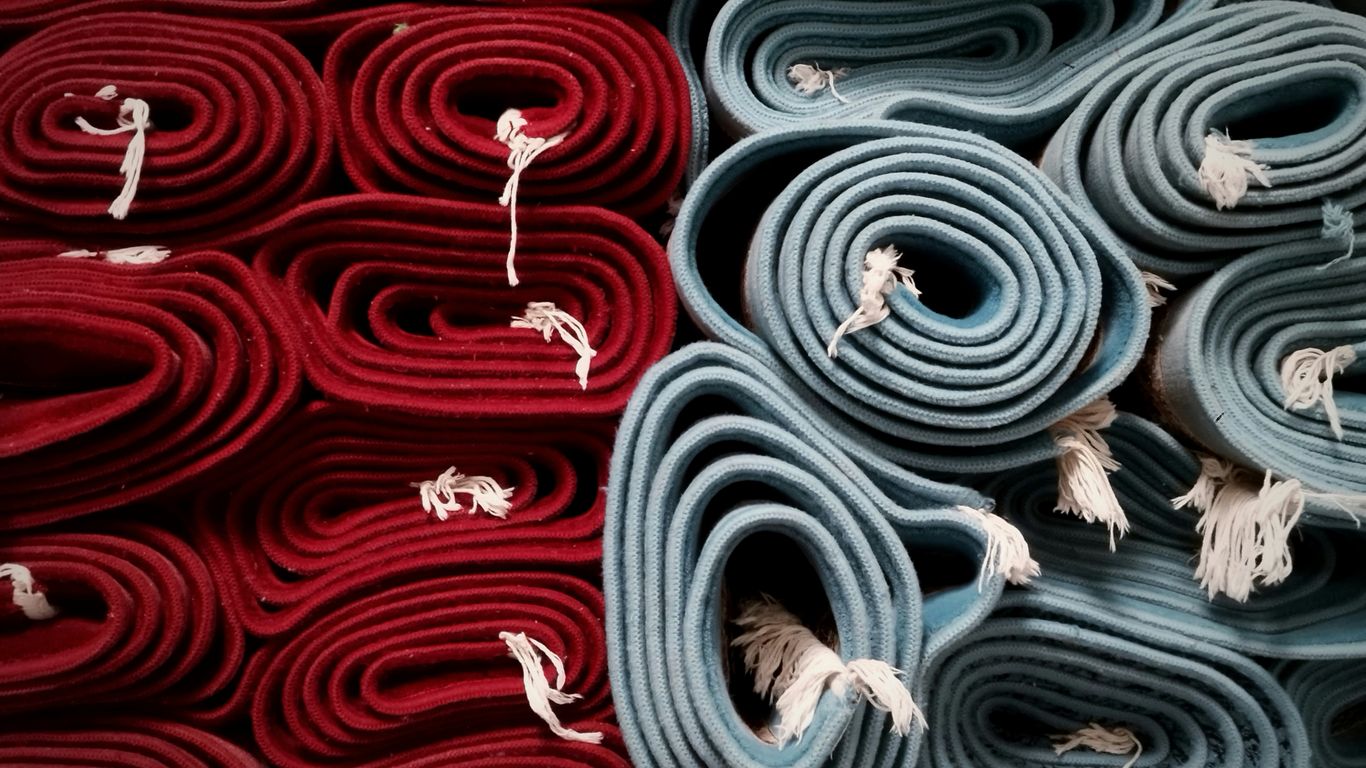
So, you've been thinking about yoga mat thickness, right? It's not just about how soft it feels under your knees. There's a real give and take here, and what works for one person might be a total flop for another. It's all about finding that sweet spot for your practice.
Stability vs. Cushioning
This is probably the biggest trade-off you'll run into. Thicker mats, like those 10mm beauties, are fantastic for cushioning. They really save your joints, especially if you're practicing on a hard floor or have sensitive knees and wrists. Think about doing a long series of lunges or holding a plank – that extra padding makes a huge difference. But here's the catch: when a mat is too thick and soft, it can feel a bit like practicing on a cloud. This can make holding steady poses, like Warrior III or Tree Pose, a lot harder. You might find yourself wobbling more because the mat is sinking under your weight. On the other hand, thinner mats, say around 3mm, offer way more stability. You feel more connected to the ground, which is great for balance and precise movements. The downside? Your joints might not be thanking you after a long session, especially if you're on a hard surface.
Portability and Storage Considerations
Let's be real, lugging around a super thick mat can be a pain. Thicker mats are generally heavier and bulkier. If you're constantly on the go, heading to different studios or practicing outdoors, a thick mat might just be too much to handle. They don't roll up as neatly and can take up more space in your bag or closet. Thin mats, however, are usually lightweight and flexible. They roll up small and are a breeze to carry. If your yoga journey involves a lot of travel or you have limited storage space at home, this is definitely something to think about.
Impact on Balance Poses
As we touched on with stability, mat thickness directly affects how well you can balance. A mat that's too thick can create an unstable surface. Imagine trying to stand on a plush carpet versus a hard floor – it's a similar idea. The thicker the mat, the more your feet can sink in, making it harder to find that steady center. This is why many experienced yogis, especially those who practice more dynamic styles like Ashtanga or Vinyasa, often prefer thinner, denser mats. They want that direct contact with the floor to feel grounded and stable. For beginners, a slightly thicker mat might offer more confidence initially, but as you progress, you might find yourself wanting something that offers less 'give' for better control in challenging poses.
Ultimately, there's no single 'best' thickness. It's a balancing act between what feels comfortable for your body and what supports the type of yoga you do. Don't be afraid to try different thicknesses if you can, or at least really think about your personal needs before you buy.
Beyond Thickness: Other Mat Considerations
So, you've thought about thickness, but that's not the whole story when it comes to picking the right yoga mat. There are a few other things that can make a big difference in how your practice feels. It’s not just about how much cushion you have under your knees, you know?
Material Density and Quality
Think of it like a mattress. A super thick mattress that's also really soft might feel nice for a minute, but it won't support you well. The same goes for yoga mats. A mat might be thick, but if the material is low quality or not dense enough, it can feel squishy and unstable. This means you might sink into it, which isn't great for balance poses. High-quality materials, like dense TPE or natural rubber, tend to hold their shape and provide consistent support, even over time. Cheaper mats might feel okay at first, but they can flatten out quickly, losing that supportive feel.
- High-Density Foam: Offers good cushioning and support without feeling too soft.
- Natural Rubber: Provides excellent grip and a responsive feel, often with good density.
- PVC: Can be very durable and offer good grip, but density varies greatly by quality.
- TPE: A popular blend that balances cost, durability, and density.
The density of your mat's material is just as important as its thickness. A dense mat will feel more stable and supportive, preventing you from sinking too deeply into it, which is key for maintaining proper alignment and balance during your poses.
Grip and Surface Texture
This is a big one, especially if you find your hands or feet sliding around. A mat with good grip keeps you planted, giving you the confidence to hold poses longer and move smoothly between them. Some mats have a naturally grippy surface, while others use textures or special coatings. For example, some people love the feel of a smooth, grippy surface, while others prefer a bit more texture underfoot. It really comes down to personal preference and what feels secure to you. If you're doing a lot of flowing movements or holding poses that require stability, good grip is a must-have. You can find mats designed specifically for maximum traction.
Mat Dimensions: Length and Width
Don't forget about size! If you're taller, a standard-length mat might mean your head or feet hang off the edge, which can be distracting. Look for longer mats if you need more space. Similarly, if you tend to spread out a lot or have broader shoulders, a wider mat can give you that extra room to feel comfortable and safe in your poses. It's about having enough space to move without feeling restricted. A mat that's too small can make you feel cramped, and nobody wants that during their practice.
Choosing the Best Thickness for Your Practice
So, you've been thinking about yoga mat thickness, huh? It's one of those things that seems simple, but it really can make a difference in how your practice feels. It's not just about how soft it is; it's about finding that sweet spot for your body and your style of yoga. Let's break down how to pick the right one.
Recommendations for Beginners
If you're just starting out, you're probably looking for a mat that offers a good balance. You want enough cushioning to be kind to your knees and wrists, especially if you're practicing on a hard floor at home. A mat around 5-6mm thick is usually a safe bet. It's thick enough to provide comfort but not so thick that you feel like you're sinking. This thickness is great for most beginner classes and helps build confidence as you get used to the poses. You don't want to be distracted by discomfort when you're trying to figure out your Warrior II.
- Comfort: Prioritize cushioning for sensitive joints.
- Stability: Ensure the mat still offers a firm base for standing poses.
- Versatility: A standard thickness works for a variety of yoga styles.
For beginners, a mat that feels supportive without being overly squishy is key. It should help you feel grounded and stable, even as you're learning new movements.
Options for Experienced Practitioners
As you get more experienced, your needs might shift. Some seasoned yogis prefer a thinner mat, around 3mm, because it offers a better connection to the floor. This can be really helpful for balance poses and for feeling more stable in inversions. If you're into Vinyasa or Ashtanga, where quick transitions are common, a thinner mat can feel more responsive. However, if you have any joint issues that have developed over time, you might still prefer a bit more padding, even with years of practice. It's all about what feels right for your body now. You can always check out the best yoga mats of 2026 to see what's currently popular.
Mat Thickness for Specific Yoga Styles
Different yoga styles really do call for different mat thicknesses. For example:
- Restorative or Yin Yoga: These slower-paced styles often involve holding poses for longer periods, sometimes on the floor. Thicker mats (around 8-10mm) can provide extra comfort and support for your joints during these extended holds.
- Hot Yoga or Power Vinyasa: These more dynamic and sweaty practices often benefit from mats that offer good grip and stability. While thickness can help with cushioning, a mat that's too thick might make balancing harder. A 4-6mm mat with excellent traction is often preferred here.
- Travel or Ashtanga: If you're often on the go or practicing a vigorous style like Ashtanga, a thinner, lighter mat (3-4mm) is usually the way to go. It's easier to pack and provides that stable connection to the ground needed for quick movements and inversions.
Finding Your Perfect Mat Thickness
So, we've talked about all the different thicknesses out there. Really, the best one for you comes down to what feels good for your body and how you like to practice. If you're all about stability and feel like a pro, a thinner mat might be your jam. For most of us just trying to get through a flow without hurting our knees, something in the middle, like a 5mm or 6mm mat, is usually a solid choice. And if you need extra padding, especially for your joints or when you're practicing at home on a hard floor, going thicker, like 10mm, can make a big difference. Don't forget that the material matters too! It's not just about how thick it is, but how supportive it feels. Ultimately, the goal is to find a mat that lets you move comfortably and confidently, whatever your yoga style.
Frequently Asked Questions
What's the most common thickness for a yoga mat?
Most yoga mats are about 4mm to 6mm thick. This is a good middle ground that gives you enough padding for comfort but isn't so thick that you feel wobbly during balance poses.
Should I get a thicker or thinner yoga mat?
It really depends on what feels best for you! Thin mats (around 3mm) are great for stability, while thicker mats (10mm or more) offer extra cushioning for your joints, especially if you practice on hard floors.
Is a 3mm yoga mat too thin?
A 3mm mat might be too thin if you have sensitive joints or practice on a hard surface, as it offers minimal cushioning. However, it's excellent for stability and travel.
How thick should my yoga mat be if I have knee pain?
If your knees hurt during practice, a thicker mat, like one that's 10mm or even 15mm, would be a better choice. It provides more padding to protect your joints.
Can a thick yoga mat make balancing harder?
Yes, sometimes. Very thick mats can make it a bit trickier to feel stable in balancing poses because your feet sink in more. If this happens, you might want to try a mat that's around 5mm or 6mm thick.
Does mat thickness affect portability?
Definitely. Thinner mats are lighter and easier to roll up and carry around, making them ideal for traveling. Thicker mats are usually heavier and bulkier, so they're better suited for home use.


