

Unlocking Well-being: The Profound Importance of Yoga in Our Daily Life
So, you're thinking about yoga? Maybe you've seen people doing those bendy poses or heard it's good for stress. Well, it is, but that's just the tip of the iceberg. There are so many benefits of yoga that people don't always talk about, from how it makes your brain work better to how it helps you sleep. It’s more than just a workout; it’s a way to connect with yourself and feel better all around. Let’s look at what this practice can really do for you. The importance of yoga in our daily life is often underestimated, but its impact can be profound.
Key Takeaways
- Yoga helps you become more aware of your body and how to move it better, which can make everyday life feel easier.
- Regular practice builds strength and stamina, not just in big muscles but the small ones too, making your body more capable.
- It's not just about physical strength; yoga sharpens your mind, helping you focus and clear out distracting thoughts.
- The practice can boost your energy levels by improving circulation and reducing mental fatigue, making you feel more alive.
- Yoga offers a path to personal growth, helping you understand yourself better and build resilience to handle life's ups and downs.
Cultivating Inner Peace Through Mindful Movement
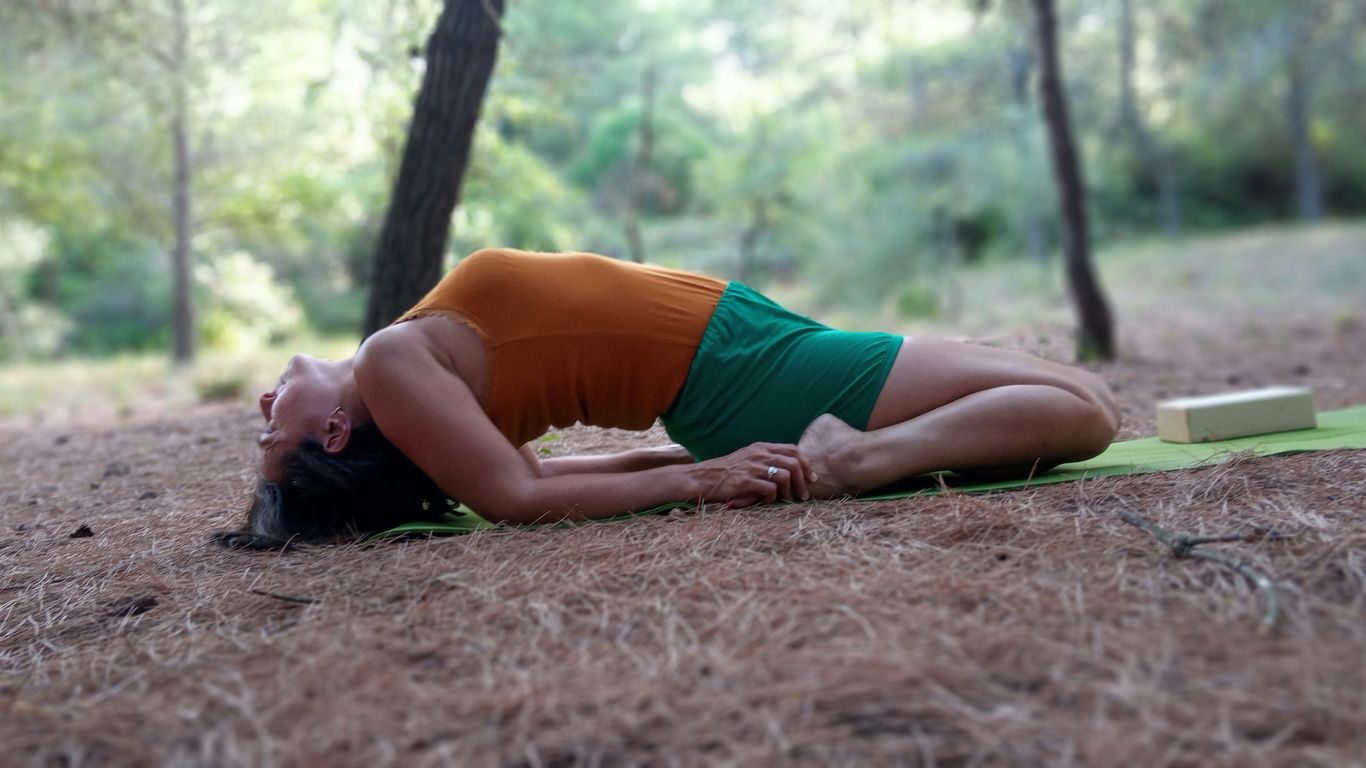
Life can feel like a constant whirlwind, right? Between work, family, and just trying to keep up, it's easy to feel overwhelmed. Yoga offers a really effective way to hit the pause button and find some calm. It's not just about stretching and holding poses, though that's part of it. The real magic happens when you combine the physical movements with focused breathing and a bit of quiet reflection. This combination helps your nervous system switch gears from that 'fight or flight' mode we often get stuck in, to a more relaxed state. Think of it like gently guiding your body and mind back to a place of peace.
Connecting Mind and Body Through Breathwork
This is where it all comes together. The physical poses (asanas) are great, but when you link them with your breath, something special happens. You become more aware of how your body feels in each moment. This awareness isn't just for the yoga mat; it spills over into your everyday life. You start to notice tension you're holding in your shoulders before it becomes a headache, or you catch yourself getting worked up and can consciously take a breath to calm down. It's about building that mind-body connection so you're not just going through the motions, but truly experiencing your life.
- Breath Awareness: Simply noticing your breath, without trying to force it, teaches your mind to observe without judgment.
- Mindful Movement: Linking your breath with each movement helps anchor your attention to the present moment.
- Body Awareness: Focusing on physical sensations during poses helps you understand your body's signals better.
The consistent practice of yoga, integrating breathwork and meditation, helps to regulate your body's natural stress response. This isn't just about feeling good in the moment; it's about building a more resilient system that can handle life's ups and downs with greater ease over time. It's a proactive approach to well-being that pays dividends long after you've rolled up your mat.
Finding Calm Amidst Life's Whirlwind
Ever feel like your brain is just a buzzing hive of thoughts, making it hard to zero in on anything? Yoga can actually help quiet that noise. It’s not just about bending your body into different shapes; it’s also a way to train your mind to pay better attention. When you're on the yoga mat, you're constantly nudged to focus. Maybe it's the steady rhythm of your breath, or perhaps it's the challenge of holding a pose without wobbling. Each time you bring your attention back to your breath or your body, you're building up your ability to concentrate. It’s like doing reps for your brain.
- Sharpening Concentration: Each time you bring your attention back to your breath or body, you strengthen your focus.
- Quieting Thoughts: The practice encourages observing thoughts without getting carried away by them.
- Anchoring to the Present: Linking movement with breath keeps your mind grounded in what's happening right now.
Developing Emotional Resilience and Mindfulness
Yoga really gets you in tune with yourself, you know? It's not just about stretching and holding poses; it's about paying attention to what your body is telling you. This practice of bringing your attention back, again and again, builds up your ability to concentrate. Simply noticing your breath without trying to change it trains your mind to observe without judgment. Mindfulness offers significant benefits for psychological well-being and emotional resilience. It's about accepting where you are right now, without judgment, and working with your body's current state. You learn to regulate your breath: using breathwork to calm down when you feel overwhelmed or to energize yourself. You cultivate self-compassion: being kinder to yourself when you can't do a pose perfectly or when you're having an off day.
Yoga is about the body training the mind, helping you see the fluctuations of your mind so you can connect with your true nature.
| Benefit | Description |
|---|---|
| Emotional Regulation | Learning to use breathwork to manage feelings of overwhelm or low energy. |
| Self-Compassion | Developing kindness towards yourself, especially on challenging days. |
| Present Moment Awareness | Training the mind to observe without judgment, leading to greater calm. |
Enhancing Physical Well-being and Body Awareness
Yoga is more than just a way to stretch; it's a practice that really helps you get to know your body better. When you're on the mat, you start paying attention to how your body feels in different positions. This isn't about being perfect or pushing yourself into poses that hurt. It's about noticing what's happening, where you feel tension, and how your muscles are working. This kind of awareness can really change how you feel about your physical self.
Improving Body Awareness and Alignment
Getting your body lined up right in each pose is pretty important. It helps you avoid hurting yourself. But here's the thing: not every pose works for every person. Yoga is about growing, not straining. You need to know your body's limits and respect them. It's not about forcing yourself, but gently seeing where you can go. While you're practicing, you focus on your breath, how your muscles feel, and where your body is in space. This awareness doesn't just stay on the mat. It starts to show up in your daily life. You begin to notice little aches, stiffness, or tight spots you might have ignored before.
Building Strength and Stamina
Don't let the calm vibe fool you; yoga can be a serious workout. Holding poses, even for a short time, works your muscles. Different poses target different muscle groups, helping to build strength all over. Think about poses like Plank or Warrior. They really make you work. Over time, you'll notice you can hold poses longer and feel stronger in everyday activities. It's a steady build-up, not a quick fix, which is often better for long-term fitness.
Boosting Energy Levels and Circulation
It might seem odd, but moving your body in a focused way can actually give you more energy. Certain yoga poses help get your blood flowing better. When your circulation improves, your body gets more oxygen, which can make you feel more awake and less tired. Poses that involve twists or inversions (like Downward-Facing Dog) are particularly good for this. It's like giving your whole system a gentle wake-up call, helping you feel more vibrant throughout the day.
Yoga encourages a non-judgmental observation of your physical self. It's about accepting where you are today and working with that, rather than striving for an external ideal. This acceptance is a big part of building a healthier relationship with your body.
The Path to Self-Discovery and Personal Growth
Yoga is way more than just stretching and holding poses. It's really a journey inward, a chance to get to know yourself on a deeper level. When you're on your mat, you're not just moving your body; you're also paying attention to what's going on in your head and your heart. This kind of self-awareness is the first step to understanding why you do the things you do. You start to see patterns in how you react to challenges, both during practice and in everyday life. It's like getting a clearer picture of who you are.
Unlocking Self-Awareness and Understanding
Showing up on your mat regularly builds discipline. This consistency can actually spill over into other parts of your life. Maybe you'll find yourself more motivated to finish that project you've been putting off, or perhaps you'll start making healthier food choices. The mindfulness you practice helps you be more present in your daily conversations, which can lead to better connections with people. It's not about making huge changes all at once, but more about a gradual shift that makes your life feel more balanced.
- Noticing your reactions to challenging poses.
- Recognizing habitual thought patterns.
- Becoming more honest about your feelings.
Yoga encourages you to be honest with yourself, to accept where you are right now, and to gently work towards becoming a better version of yourself. It’s about finding that inner strength and realizing you’re capable of more than you might think.
Creating Positive Change in Your Life
Yoga can be a gentle push towards positive changes. By practicing consistently, you build discipline and a sense of routine. This can translate into other areas, like tackling tasks you've been avoiding or making better choices for your health. The mindfulness cultivated on the mat helps you be more present in your interactions, leading to stronger relationships. It’s about small, consistent steps that add up to a more fulfilling life. This practice can be a valuable tool for improving mental well-being.
Embracing a Holistic Approach to Health
Yoga encourages you to look at your health from all angles – physical, mental, and emotional. It's not just about how your body feels, but also about how your mind is working and how you're handling your emotions. This practice helps you connect these different parts of yourself.
- Physical: Building strength, improving flexibility, and balance.
- Mental: Reducing stress, quieting the mind, and improving focus.
- Emotional: Cultivating self-awareness and developing tools for emotional regulation.
Unlocking Mental Clarity and Focus
Ever feel like your brain is just a buzzing hive of thoughts, making it hard to zero in on anything? Yoga can actually help quiet that noise. It’s not just about bending your body into different shapes; it’s also a way to train your mind to pay better attention. This consistent practice of directing your attention, even for short bursts, can lead to noticeable improvements in your ability to focus on tasks off the mat too.
Sharpening Concentration Through Practice
When you're on the yoga mat, you're constantly nudged to focus. Maybe it's the steady rhythm of your breath, or perhaps it's the challenge of holding a pose without wobbling. Each time you bring your attention back to your breath or your body, you're building up your ability to concentrate. It’s like doing reps for your brain.
Here’s how yoga helps build that mental muscle:
- Mindful Movement: Connecting each stretch and flow with your breath anchors your mind to what's happening right now.
- Breath Awareness: Simply noticing your breath, without trying to force it, teaches your mind to observe without getting carried away.
- Holding Poses: Staying steady in a posture requires sustained focus, training your brain to ignore distractions.
Quieting the Buzzing Hive of Thoughts
That constant loop of worries or replaying conversations in your head? Yoga offers a way to step out of that cycle. By focusing on the physical sensations in your body and the rhythm of your breath, you create space between yourself and those racing thoughts. It's like finding a quiet room in a noisy house. Yoga encourages you to be present. Instead of getting lost in 'what ifs' or 'should haves,' you learn to simply be with what is. This shift in perspective can significantly reduce the mental energy spent on unproductive overthinking. You can find resources on pranayama techniques for managing stress and promoting mental clarity.
Anchoring Attention to the Present Moment
Beyond just focus, yoga can actually make your thinking sharper. Studies suggest that regular yoga practitioners often show improvements in tasks requiring quick thinking and accuracy. It's as if the practice helps clear away the cobwebs, making it easier to process information and make choices. The practice helps bridge the gap between how you think you should feel and how you actually feel. It's about accepting where you are right now, without judgment, and working with your body's current state.
| Benefit Area | How Yoga Helps |
|---|---|
| Problem Solving | Reduced stress allows for more logical and creative approaches to challenges. |
| Memory Recall | Improved blood flow to the brain and reduced mental fatigue aid memory. |
| Decision Making | Greater self-awareness and present moment focus lead to more balanced choices. |
The consistent practice of yoga can lead to lower levels of stress hormones like cortisol. This means you're not just feeling relaxed in the moment, but you're building resilience against stress over time. It's a proactive way to manage the pressures of daily life.
Yoga for Stress Reduction and Resilience
Life can feel like a constant whirlwind, right? Between work, family, and just trying to keep up, it's easy to feel overwhelmed. Yoga offers a really effective way to hit the pause button and find some calm. It's not just about stretching and holding poses, though that's part of it. The real magic happens when you combine the physical movements with focused breathing and a bit of quiet reflection. This combination helps your nervous system switch gears from that 'fight or flight' mode we often get stuck in, to a more relaxed state. Think of it like gently guiding your body and mind back to a place of peace.
Activating the Body's Relaxation Response
When you're feeling stressed, your body goes into a kind of alarm mode. Your heart rate picks up, your muscles tense, and your mind races. Yoga helps to turn this down. By focusing on your breath and moving your body gently, you signal to your nervous system that it's okay to relax. This isn't just a feeling; it actually changes your body's chemistry, lowering stress hormones like cortisol. It's like flipping a switch from 'on edge' to 'at ease'.
Counteracting the Effects of Chronic Stress
Living with stress for a long time can really wear you down. It affects your sleep, your mood, and even your physical health. Yoga practice, done regularly, helps to build up your body's ability to handle stress better over time. It's not a quick fix, but a way to build up your internal resources. Studies have shown that consistent yoga practice can lead to lower levels of stress hormones, which means you're not just feeling relaxed in the moment, but you're building resilience against stress for the long haul. It's a proactive way to manage the pressures of daily life.
Responding to Stressors with Grace
Yoga teaches you to pay attention. You learn to notice your breath, how your body feels in a pose, and what thoughts pop into your head. This practice of observing without immediate reaction is key. When something stressful happens off the mat, you can draw on this skill. Instead of automatically reacting, you can pause, notice your breath, and choose a more thoughtful response. This ability to respond rather than just react is a huge part of building resilience and handling life's curveballs with a bit more calm.
The consistent practice of yoga can lead to lower levels of stress hormones like cortisol. This means you're not just feeling relaxed in the moment, but you're building resilience against stress over time. It's a proactive way to manage the pressures of daily life.
Finding Support Within the Yoga Community
Joining a yoga community isn’t just about having people to share a room with—it actually makes sticking to your practice a lot easier. Having folks around who understand both your struggles and small wins can make all the difference between skipping class and showing up after a long day.
The Power of Shared Experience
- Everyone in a yoga class has their own story or reason for showing up, so you almost never feel alone with your challenges.
- People openly admit when they wobble or fall, breaking down that idea that you need to be perfect. It takes some pressure off, honestly.
- There’s comfort in laughing about a tricky pose together or talking through the tough stuff after class. That sense of being in it together is hard to get elsewhere.
Encouragement and Motivation
- Teachers notice when you’re gone or struggling, and that gentle check-in can push you to come back even on off days.
- Group classes often celebrate each other’s small progress, whether it’s touching your toes for the first time or just making it to class after a rough week.
- Many studios run challenges or group events, which add a layer of fun and accountability.
| What Keeps People Coming Back? | Percentage (%) |
|---|---|
| Sense of belonging and support | 35 |
| Motivation from group energy | 27 |
| Teacher encouragement | 20 |
| Social aspects (friendship, fun) | 18 |
Building Lasting Connections
- Yoga classmates often turn into real friends outside of class. Sometimes, weekend meetups start with sharing tips and later drift into brunch plans.
- Studios often help set up things like book clubs or potlucks, which make the space feel more welcoming.
- You start to see familiar faces, which turns the studio into a place you actually look forward to visiting, rather than just another thing on your to-do list.
Having a community behind you isn’t just about physical support—it’s knowing there are people rooting for you both on and off the mat. That simple fact can keep you practicing, even when life gets messy.
Your Yoga Journey Awaits
So, we've talked a lot about how yoga can help you feel better, both in your body and your mind. It's more than just a workout; it's a way to get to know yourself better and handle life's ups and downs with a bit more ease. Whether you're looking to get stronger, feel calmer, or just find a moment of peace in your busy day, yoga has something to offer. Don't feel like you have to be perfect from day one. Just showing up on your mat, even for a few minutes, is a step in the right direction. Give it a try, see how it feels, and let yoga guide you toward a more balanced and fulfilling life.
Frequently Asked Questions
What exactly is yoga and why is it good for me?
Yoga is like a special kind of exercise that connects your body and your mind. It involves moving your body in different ways, focusing on your breathing, and sometimes meditating. It's super good for you because it helps you feel calmer, stronger, and more aware of yourself. Think of it as a way to take care of both your body and your brain all at once.
Do I need to be flexible to start yoga?
Not at all! Lots of people think you have to be super bendy to do yoga, but that's not true. Yoga is actually a great way to *become* more flexible. Everyone starts somewhere, and the important thing is to listen to your body and not push yourself too hard. The goal is to improve, not to be perfect right away.
How can yoga help me if I'm feeling stressed out?
Yoga is fantastic for stress! When you focus on your breath and move your body gently, it helps your nervous system calm down. It's like hitting a 'pause' button on all the busy, worrying thoughts. This helps you feel more relaxed and better able to handle whatever life throws at you.
Will yoga help me focus better in school or other activities?
Yes, it can! Yoga teaches you to pay attention to your breath and your body. This practice of focusing helps train your brain to concentrate better. So, when you're trying to study or pay attention in class, you might find it easier to zero in on what you need to do.
Is yoga just about physical poses, or is there more to it?
While the physical poses, called 'asanas,' are a big part of yoga, there's definitely more! Yoga also focuses a lot on your breath (pranayama) and on being aware of your thoughts and feelings (mindfulness). It's really about connecting your mind and body and understanding yourself better, not just about how flexible you are.
Can yoga help me feel better about myself and my body?
Absolutely! Yoga encourages you to be kind to yourself and to appreciate what your body can do. Instead of focusing on how you look, you learn to pay attention to how you feel. This can help you feel more confident and accepting of yourself, which is a really important part of growing up.


