
Unlocking the Power of Ashtanga Yoga: A Comprehensive Beginner's Guide
So, you're curious about Ashtanga yoga? It's a pretty cool system that's been around for ages. It's not just about bending yourself into pretzels, though. It's more about connecting your breath to your movements and finding a bit of calm in the chaos. If you're looking for a way to get stronger, feel more centered, and maybe even sleep better, Ashtanga yoga might be worth a look. This guide will break down the basics so you can get started without feeling totally lost.
Key Takeaways
- Ashtanga yoga links breath with movement, creating a flowing practice.
- The practice is built on the eight limbs of yoga, focusing on more than just physical poses.
- Key elements like Vinyasa (flow), Drishti (gaze), and Bandhas (energy locks) are central to Ashtanga.
- Consistency is important for experiencing the full benefits of Ashtanga yoga.
- This style of yoga can help improve physical strength, mental clarity, and overall well-being.
Understanding Ashtanga Yoga's Foundations
Ashtanga yoga, a name derived from Sanskrit words meaning 'eight limbs,' is a structured system of yoga. It's not just about the physical poses; it's a complete path. The practice aims to integrate all eight limbs into a cohesive discipline. This approach is rooted in ancient yogic philosophy, offering a way to connect mind, body, and spirit.
The Eight Limbs of Ashtanga Yoga
The eight limbs, as described in classical yoga texts, provide a framework for living a meaningful life. They are:
- Yama: Ethical principles guiding our interactions with others (like non-violence and truthfulness).
- Niyama: Personal observances and disciplines (such as purity and contentment).
- Asana: The physical postures we practice.
- Pranayama: Breath control techniques.
- Pratyahara: Withdrawal of the senses.
- Dharana: Concentration.
- Dhyana: Meditation.
- Samadhi: A state of deep meditative absorption or oneness.
In Ashtanga, these aren't treated as separate steps but as interconnected aspects that support each other. For instance, practicing Yamas and Niyamas can make holding Asanas easier, and focusing on Pranayama can prepare you for Dharana.
Origins and Philosophy
Ashtanga yoga, as we know it today, was largely popularized by K. Pattabhi Jois in the 20th century. He based his teachings on an ancient text called the Yoga Korunta. The philosophy behind Ashtanga is that through disciplined practice of the physical postures (Asana) and breath control (Pranayama), one can purify the body and mind, leading towards the higher limbs of yoga. It's a dynamic style, often involving a set sequence of poses that you move through with your breath. This consistent sequence helps build internal heat, which is believed to cleanse the body. You can explore its history and foundational elements to understand this transformative yoga style here.
The Role of Vinyasa, Drishti, and Bandhas
Three key elements tie the practice together: Vinyasa, Drishti, and Bandhas.
- Vinyasa: This is the synchronized movement and breath. Each movement has a corresponding inhale or exhale, creating a flowing, almost dance-like quality to the practice. It's how you transition smoothly from one pose to the next.
- Drishti: This refers to a specific point of focused gaze. There are nine different drishtis in Ashtanga, each associated with particular poses. Focusing your gaze helps to steady the mind and improve concentration, which is really useful when you're trying to balance in standing poses.
- Bandhas: These are internal energy locks. The main ones are Mula Bandha (root lock), Uddiyana Bandha (abdominal lock), and Jalandhara Bandha (throat lock). Engaging these bandhas helps to direct and conserve energy throughout the body, making the practice more potent and stable.
These three components – Vinyasa, Drishti, and Bandhas – are not just add-ons; they are integral to the Ashtanga method. They work together to create a moving meditation, purifying the body and calming the mind. Without them, the practice would lose much of its unique character and effectiveness.
Learning the Ashtanga Primary Series involves understanding these elements deeply. It's a journey that requires patience and consistent effort, but the rewards are significant. You can learn the poses, sequences, and breathing techniques from certified yoga coaches to deepen your practice here.
Embarking on Your Ashtanga Yoga Practice
Starting Ashtanga yoga might seem a bit intimidating with its set sequences and dynamic flow, but honestly, it's a really structured way to get into yoga. Think of it as a well-trodden path that guides you step-by-step. The key is to approach it with patience and a willingness to learn. It's not about being perfect from day one; it's about showing up and doing the work.
Key Principles for Beginners
When you're just starting out, focus on a few core ideas. Don't get bogged down in trying to master every single pose or breath right away. Instead, concentrate on the basics. Consistency is way more important than intensity when you're new to this. Showing up regularly, even for shorter sessions, will build a stronger foundation than pushing yourself too hard occasionally.
- Listen to your body: This is probably the most important rule. If something feels wrong or painful, back off. Yoga isn't supposed to hurt.
- Be patient: Progress takes time. Celebrate the small victories, like holding a pose a little longer or feeling a bit more stable.
- Find a good teacher: A qualified instructor can offer guidance and modifications, making the practice safer and more accessible.
- Don't compare yourself: Everyone's yoga journey is unique. Focus on your own practice and your own progress.
The Importance of Breath Control (Pranayama)
Breath is the engine of Ashtanga. It's not just about breathing; it's about controlling and directing your breath in a specific way, known as Ujjayi breath. This deep, audible breath helps to build internal heat, purify the body, and calm the mind. Your breath is your guide through the entire practice. It links the movements together, creating that signature flow. Learning to synchronize your breath with your movements is a big part of the Ashtanga experience. It's what makes the practice feel both energizing and meditative.
Focusing Your Gaze (Drishti)
Drishti, or focused gaze, is another element that makes Ashtanga unique. In each pose, there's a specific point to look at. This isn't just about where your eyes go; it's a form of concentration. By fixing your gaze, you train your mind to stay present and steady, which is especially helpful when you're working on balance. It helps to quiet the mental chatter and keep you rooted in the physical experience of the pose. Think of it as a way to anchor your attention.
The practice of Ashtanga yoga is a moving meditation. The combination of breath, movement, and gaze creates a powerful internal focus that can lead to a profound sense of calm and clarity. It's a discipline that requires dedication, but the rewards are well worth the effort.
Exploring Foundational Ashtanga Yoga Poses
Getting into Ashtanga means getting familiar with its set sequences of poses. For beginners, the focus is on building a solid base with the standing postures. These aren't just about stretching; they're designed to build heat, strength, and a real connection to your breath and body. Think of them as the building blocks for everything else.
Standing Postures for Strength
The standing sequence is where you'll spend a good chunk of your initial practice. These poses are designed to warm up the body, increase circulation, and build a strong foundation. You'll work on balance, stamina, and getting comfortable with the flow between movements. Mastering these initial poses is key to progressing safely and effectively.
- Mountain Pose (Tadasana): This might seem simple, but it's the bedrock of good alignment. Standing tall, feet together, engaging your legs and core – it teaches you how to be grounded and present. It's a great starting point for developing body awareness, which is so important in Ashtanga yoga poses.
- Forward Fold (Uttanasana): This pose stretches the hamstrings and spine. You'll learn to hinge from your hips, keeping your back long, and letting gravity do the work. It's a chance to release tension in the back of the body.
- Triangle Pose (Trikonasana): This pose opens up the chest and hips while building strength in the legs and core. It requires focus and balance, teaching you to find stability even when reaching outwards.
Forward Bends and Stretches
Ashtanga is known for its deep forward bends. These poses are excellent for lengthening the spine and hamstrings, and they also have a calming effect on the nervous system. It's important to approach these with patience, respecting your body's limits.
The practice of Ashtanga involves moving from one pose to the next with your breath. This synchronized movement, called vinyasa, helps to build internal heat and purify the body. Holding each pose for a set number of breaths, typically five, allows you to settle into the posture and connect with your breath.
Poses for Balance and Stability
Balance is a big part of Ashtanga. Many of the standing poses challenge your ability to stay steady, which in turn strengthens your ankles, legs, and core. This focus on balance also translates to mental steadiness.
- Warrior Poses (Virabhadrasana I, II, III): These poses build strength and confidence. They require a strong stance and an engaged core, teaching you to find power and grace simultaneously.
- Half Moon Pose (Ardha Chandrasana): This is a classic balancing pose that opens the hips and stretches the side body. It demands concentration and a steady gaze (drishti) to maintain equilibrium.
- Eagle Pose (Garudasana): This pose involves wrapping your limbs around each other, creating a deep stretch and a significant balance challenge. It's a great way to improve focus and body awareness. You might find that practicing these poses helps you develop a better sense of your own physical capabilities and limitations as you progress.
The Deeper Aspects of Ashtanga Yoga
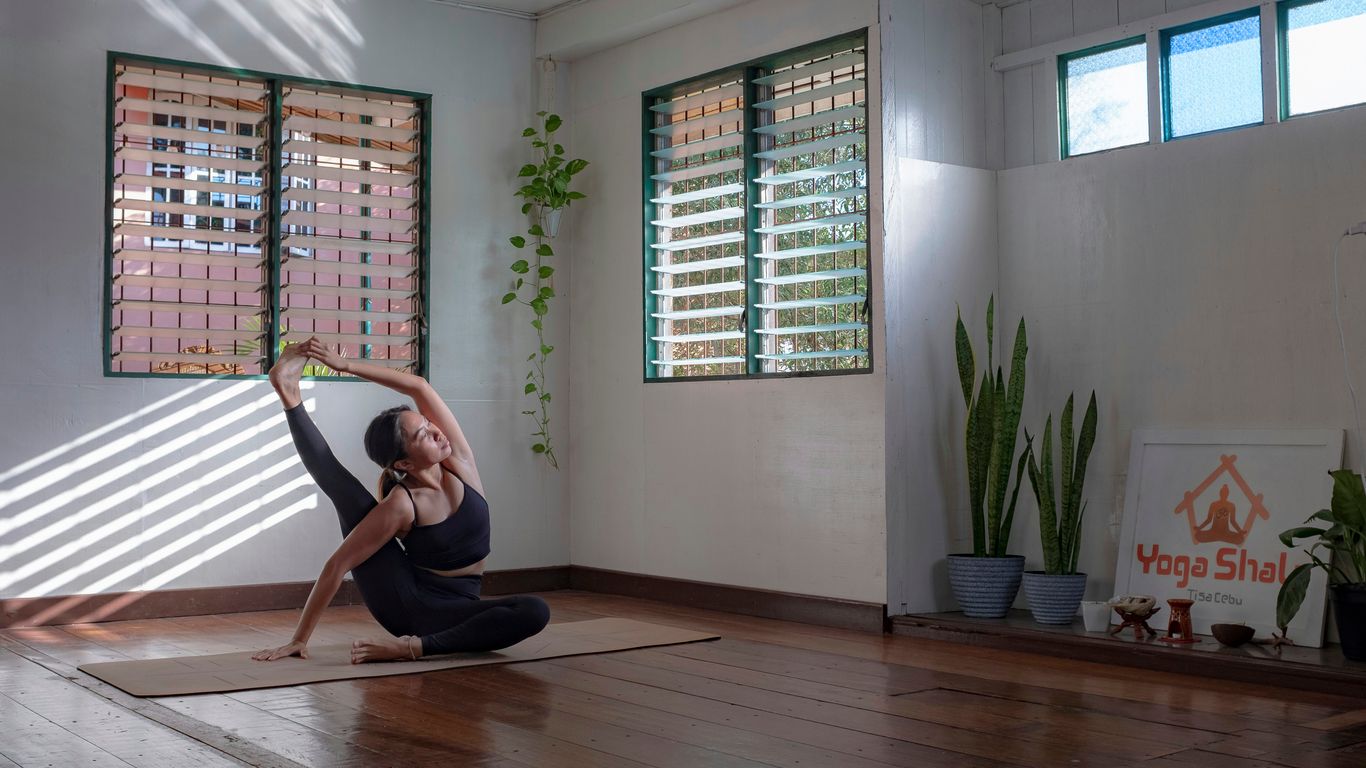
Ashtanga Yoga is more than just a physical workout; it's a system designed to bring about profound inner change. While the postures (asanas) are what most people see, they are just one part of a much larger picture. The practice is built on a foundation that touches on ethics, self-discipline, and mental focus. Understanding these deeper elements is key to truly benefiting from Ashtanga.
Understanding Mudras and Their Purpose
Mudras are symbolic gestures, often made with the hands, that are believed to direct energy flow within the body. Think of them as little energetic seals. They're not just for show; each mudra is thought to have a specific effect on your mind and body, helping to conserve or redirect your internal energy. For instance, the Gyan Mudra (thumb and index finger touching) is often associated with wisdom and calmness. Incorporating them can add another layer to your practice, connecting your physical actions with subtle energetic shifts.
The Practice of Meditation (Dhyana)
Meditation, or Dhyana, is the seventh limb of Ashtanga Yoga. It's where the mind settles into a state of sustained focus. After you've worked through the physical postures and breath control, meditation offers a space for deeper introspection. It's not about emptying your mind, but rather about observing your thoughts without judgment. This practice helps cultivate a sense of inner peace and clarity, which can then spill over into your daily life. Regular meditation can really help with managing stress.
Integrating the Eight Limbs
The eight limbs of Ashtanga Yoga, as laid out by Patanjali, are meant to be practiced together, not in isolation. They form a progressive path:
- Yamas: Ethical guidelines for how we interact with the world (like non-violence and truthfulness).
- Niyamas: Personal observances and disciplines (like purity and contentment).
- Asana: The physical postures.
- Pranayama: Breath control.
- Pratyahara: Withdrawal of the senses.
- Dharana: Concentration.
- Dhyana: Meditation.
- Samadhi: A state of deep meditative absorption or oneness.
While beginners often start with asana and pranayama, the goal is to gradually weave in the other limbs. This integration is what makes Ashtanga a complete system for self-transformation. It's a journey that involves looking inward and outward, refining both your actions and your inner state. The philosophy behind Ashtanga is quite rich, with practitioners often exploring various conceptualizations of yoga.
The true power of Ashtanga lies not just in mastering difficult poses, but in the consistent effort to align your actions, thoughts, and breath. It's a practice that asks you to show up, be present, and observe the subtle shifts happening within you. This mindful approach extends beyond the mat, influencing how you experience the world around you.
Benefits of a Consistent Ashtanga Yoga Practice
Sticking with Ashtanga yoga does more than just make you feel good after a session; it really changes things over time. It's not just about getting stronger or more flexible, though those are definitely part of it. The real magic happens when you commit to showing up regularly.
Enhancing Mental Well-being
When you're moving through the sequence, focusing on your breath and your gaze, your mind tends to quiet down. It's like giving your brain a much-needed break from all the usual chatter. This consistent practice can lead to feeling calmer and less stressed day-to-day. Studies have even shown that people who practice Ashtanga regularly report lower levels of anxiety and depression, and a general boost in how they feel about themselves. It's a powerful way to build mental resilience.
Building Physical Strength and Stamina
Ashtanga is known for its dynamic flow, linking breath with movement. This constant motion, especially in the primary series, really works your muscles. You'll notice yourself getting stronger, not just in your arms and legs, but throughout your core. Holding poses for a few breaths also builds endurance. It's a full-body workout that leaves you feeling energized, not drained. Over time, you'll see improvements in your stamina, making everyday activities feel easier.
Promoting Mindful Eating Habits
This might seem a bit out of left field, but practicing Ashtanga can actually influence how you eat. As you become more attuned to your body through the practice, you start to pay more attention to what you're putting into it. It encourages a more intuitive approach to food, where you listen to your body's hunger cues rather than just eating out of habit or stress. This mindful eating can lead to healthier choices without feeling like you're on a restrictive diet. It's about developing a better relationship with food and your body's needs.
The discipline cultivated on the mat—the focus, the breath awareness, the steady effort—spills over into other areas of life. It's a practice that teaches you to be present and observant, not just during your yoga session, but in all your daily interactions and decisions.
Here's a quick look at some of the reported benefits:
- Improved Concentration: Synchronizing breath, movement, and gaze helps calm the nervous system.
- Reduced Stress and Anxiety: Regular practice is linked to lower levels of these common mental health challenges.
- Increased Muscle Strength: The dynamic nature of the sequences builds physical power.
- Better Body Awareness: You become more in tune with your body's signals and needs.
- Enhanced Mood: Many practitioners report a general uplift in their emotional state.
It's amazing how showing up on your mat consistently can create such positive ripples throughout your entire life. It's a journey of self-discovery and well-being that keeps on giving Ashtanga yoga offers profound personal development.
Wrapping Up Your Ashtanga Journey
So, that's Ashtanga yoga in a nutshell. It might seem like a lot at first, with all the poses, breathing, and focus points. But remember, it's a practice, not a race. Start where you are, be patient with yourself, and just keep showing up on your mat. You'll probably notice changes, maybe feeling a bit stronger, calmer, or just more aware. Don't worry about doing it perfectly; just do it. Keep exploring, keep breathing, and enjoy the process. This path is yours to walk, one breath and one pose at a time.
Frequently Asked Questions
What exactly is Ashtanga Yoga?
Ashtanga Yoga is a type of yoga that involves a specific series of poses done in a flowing sequence. It's like a moving meditation that links your breath with your body's movements. The name 'Ashtanga' actually means 'eight limbs,' referring to eight parts of yoga that help you live a more balanced and mindful life.
Is Ashtanga Yoga hard for beginners?
It can feel challenging at first because it's quite physical and follows a set order. But don't worry! The key is to start slow, focus on your breath, and listen to your body. Many people find that even though it's tough, it's also very rewarding. Think of it as building strength and flexibility step by step.
What are Vinyasa, Drishti, and Bandhas?
These are important parts of Ashtanga. Vinyasa is the smooth way you move from one pose to the next, guided by your breath. Drishti is where you focus your gaze, which helps with concentration. Bandhas are like internal 'body locks' that help direct your energy and support your poses.
How important is breathing in Ashtanga Yoga?
Breathing, or Pranayama, is super important! It's the engine that drives the whole practice. Your breath connects your movements, calms your mind, and helps you build energy. Learning to breathe deeply and steadily is one of the first and most crucial steps in Ashtanga.
What are the main benefits of practicing Ashtanga Yoga regularly?
Practicing Ashtanga regularly can make you physically stronger and more flexible. It's also great for your mind, helping to reduce stress and anxiety, and improving your focus. Many people also find it helps them feel more balanced and peaceful in their daily lives.
Do I need to know all the poses before I start?
Absolutely not! You learn the poses as you go. Ashtanga usually starts with the 'Primary Series,' which is a foundational sequence. You'll be taught the poses step-by-step, and it's perfectly okay to take breaks and go at your own pace as you get used to the flow.

